Acting
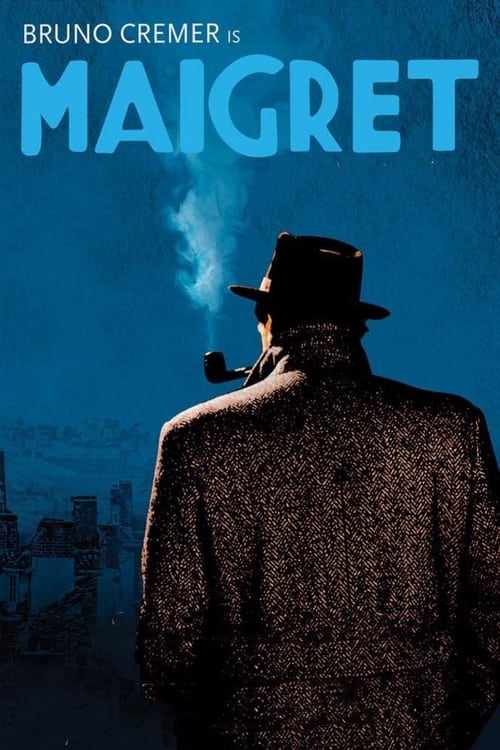
The pragmatic, reserved and refined Maigret investigates murders in his singular unhurried manner and inevitably discovers the truth.
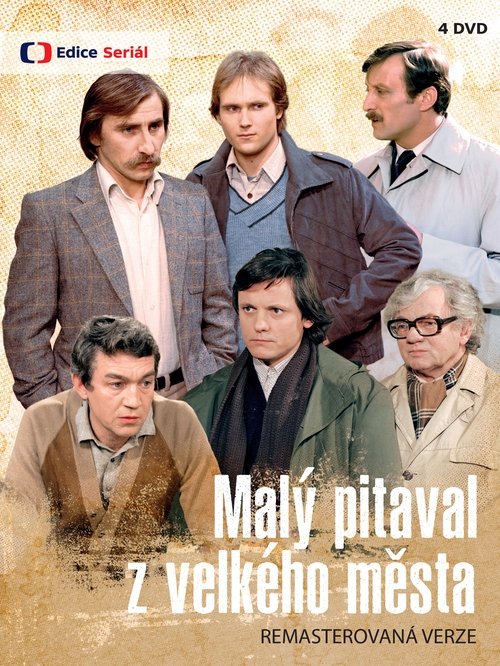
No description available.
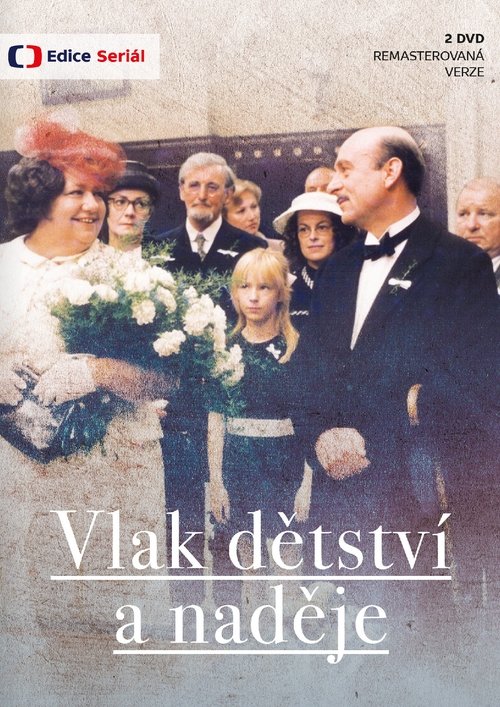
A story of a little girl Verka and her life during the beginning of WWII. Based on Vera Sládková novels.
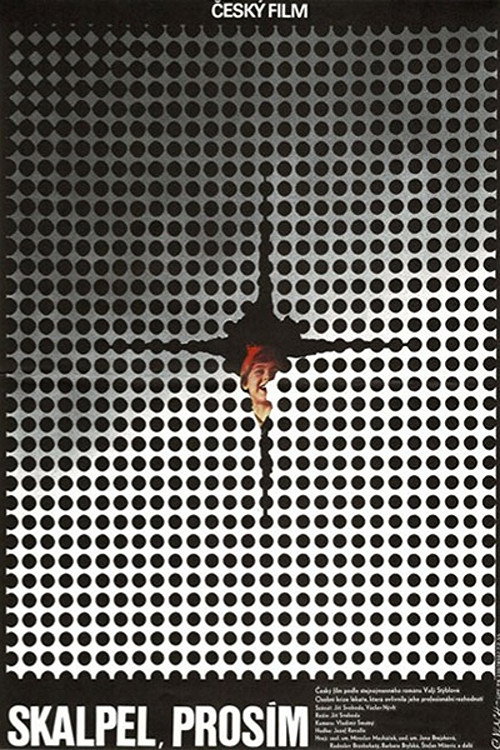
An aging professor at a Prague neurological clinic is forced to confront his personal values and the harsh boundaries of medical science. Already burdened by the ultimate questions of life and death, his ethical convictions are put to the test by Víťa, a young patient with an inoperable tumor.
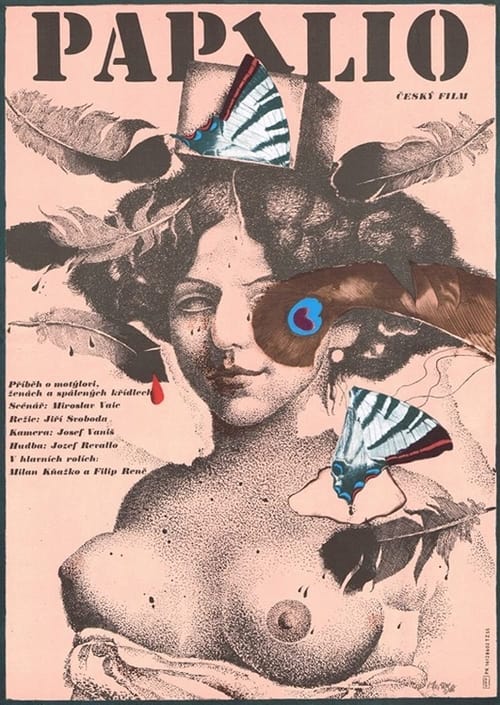
František Cepl is a young man from a simple family. He graduated from a real school and was going to study technology. When the occupation came, he had to work as a factory assistant. There he meets an older man named Telec, whom everyone knows as Hrabě. He impresses František with his ostentatious disdain for work and his shameless flirtation with women. František, whom the Count calls Papilio (butterfly butterfly), is filled with youthful ideals, while the Count, on the other hand, is an extract of the crudest individualism. He has worked his way up from a student at a business academy and a theatre actor to a member of a pre-war gallery. He blackmails, steals, drinks, abuses women and, in a way, Papilio himself.
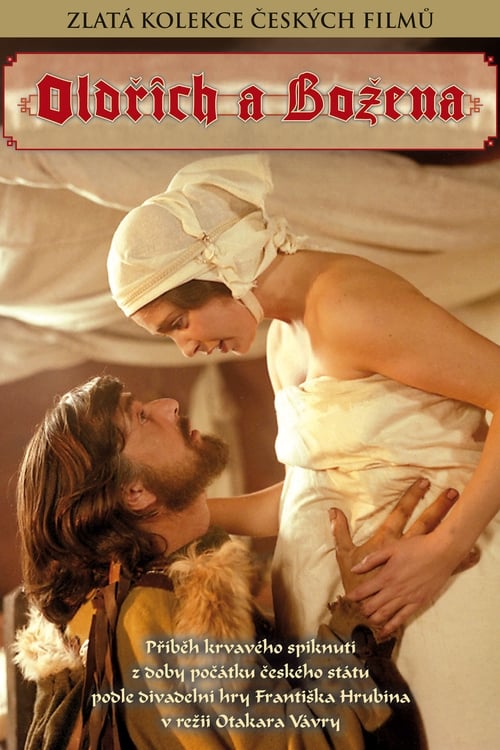
At the turn of the 10th and 11th centuries Boleslav's kingdom fell apart in the fratricidal war between the Přemyslovci and the other clans the main profiteer of this being the German emperor. At that time it seemed as if the Czech state and the lineage of its princes was awaiting its end..." It is with these words that the tale of this film begins, whose narrative is based upon the the play by František Hrubín of the same name.
Matylda, who lives in the Czech countryside, is trying to arrange burial plans for her dying husband, Jan. While Matylda hopes to have a funeral for Jan in the small town where they once lived, there are complications. Years earlier, Jan spoke out against the Communist government and was consequently expelled from the town. When Matylda fails to convince a local politician to allow the ceremony, she uses her husband's funeral as a public show of dissent.
Four short stories depicting the private life of Czechoslovak soldiers. In the short story "The Pheasant", the hardened corporal Kony takes revenge on the bullying of the new recruit Lubos. On the way to get a tank repaired, however, a manly friendship is born between the two men. The story Potato depicts a brigade during which, despite the prohibitions of a strict professor, soldiers and students become close at an evening disco. The buns bring to life the problems of military love: Štěpánka prefers Peter to Honza, but pays heavily for her mistake. The film closes with the short story "The Solution", in which a lieutenant from Slovakia has problems with the arrangement of his family life.
Based upon the true story that inpired the Christmas carol about a young king's care for his people.
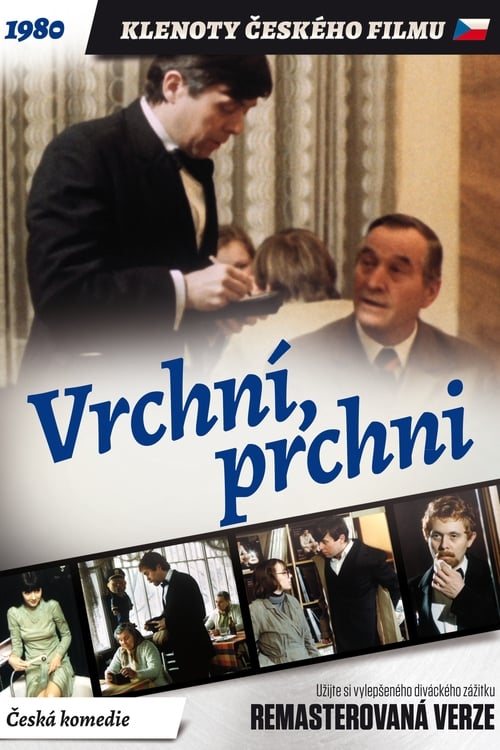
A comedy concerning a down on his luck bookshop owner with a penchant for women who decides to make some money by pretending to be a waiter and collecting cash from unsuspecting diners.
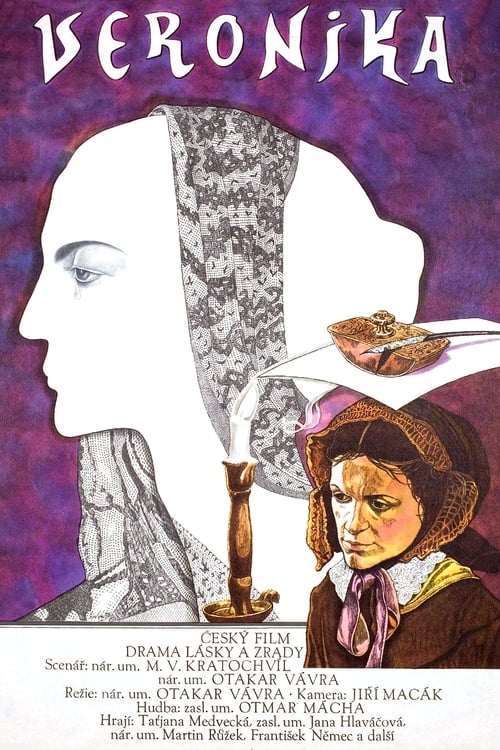
Emperor Francis Joseph I is about to arrive in Prague, and among those who came to Stromovka to welcome him is Veronika Pavlitová. She wants to submit a request for clemency for her imprisoned father to the emperor, because she is barely able to support herself and her siblings on the meager salary of a seamstress. By chance, the girl meets Božena Němcová, whom she admires immensely. She becomes her friend and confidant for a while. However, police director Paümann, who has been following Božena Němcová for a long time, takes advantage of the naivety of the young girl. Veronika, in her simple-mindedness, tells him many things. Only later will she understand how she was abused.
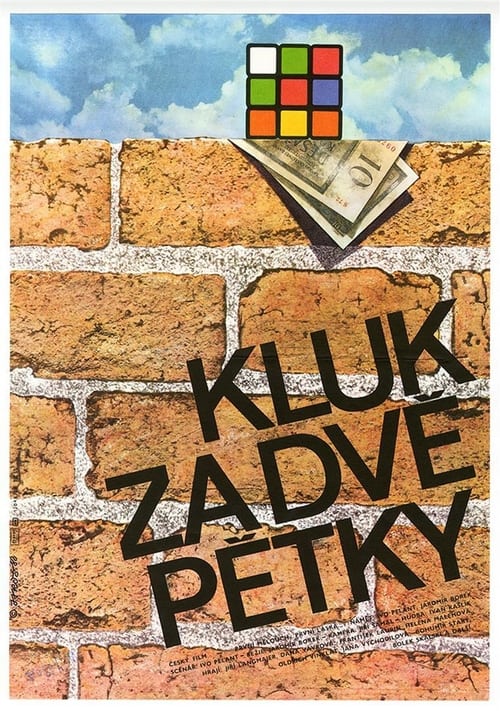
Even under socialism, it was not advisable to cross the line between rich and poor. When a mason's apprentice falls in love with a girl from a wealthy family who lives in a magnificent villa during his first thug, he can hardly expect his feelings to be fulfilled. The schematic and lifeless depiction of the young generation has hardly contributed to a truer view of contemporary reality.
A smaller town has its own newspaper. The editor, Stanek, works there and is concerned with status and a comfortable life. His teenage son has his own problems and doesn't understand his father's attitude. Conventional morality without real critical passion.
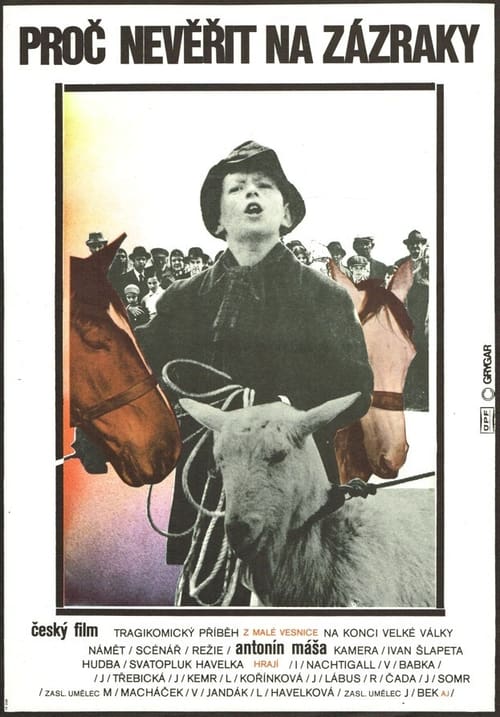
Wartime events from a child's perspective were a popular theme during the previous regime - here it is a twelve-year-old village boy who experiences dangerous situations with retreating Nazi troops in picturesque South Bohemia... Any attempt to achieve a more believable depiction is destroyed by the staging's grandeur, and in the end the result is an awkward piece, suitable at most for celebrating the relevant national holidays. A longer copy with a tragic ending is stored in the NFA. Milda is shot unnoticed by an SS major.
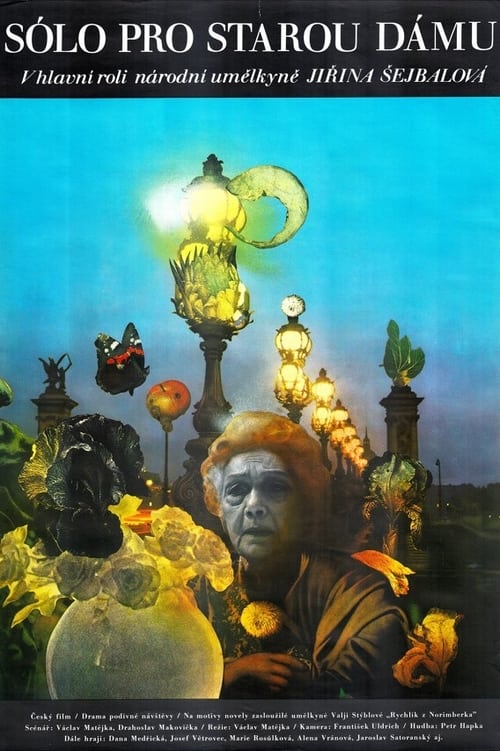
After many decades in Germany, Marie Hahn will come to Prague to meet her relatives and friends. She learns unflattering information about her husband's behaviour during the German occupation, she suffers health problems, but even her daughter is not interested in helping her mother...
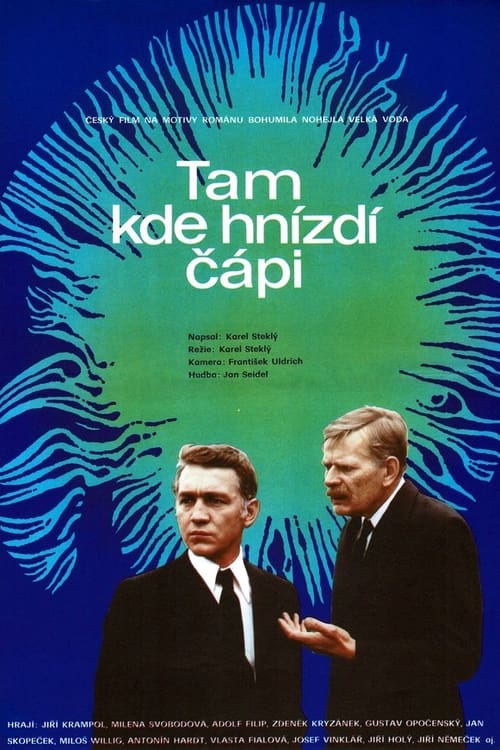
Despite the initial mistrust of others, former glass worker Štěoán Urban becomes the founder and first chairman of the local agricultural cooperative. However, 1968 arrives and with it comes previously unexpected problems.