Shinji Oda
Acting
Known For
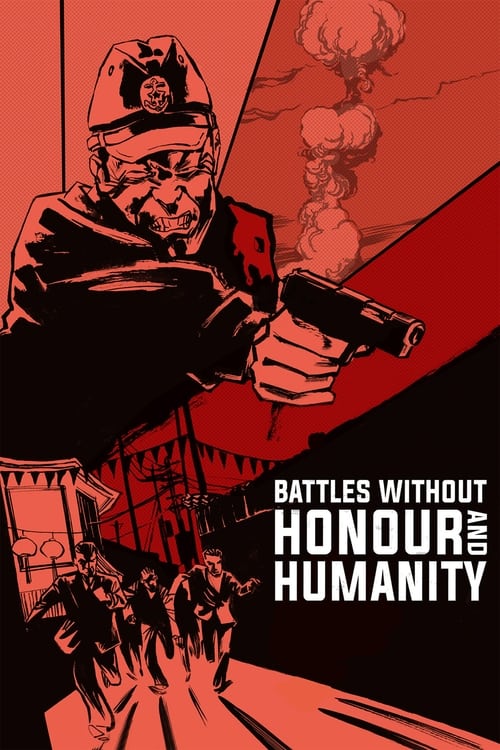
In the teeming black markets of postwar Japan, Shozo Hirono and his buddies find themselves in a new war between factious and ambitious yakuza.
Battles Without Honor and Humanity
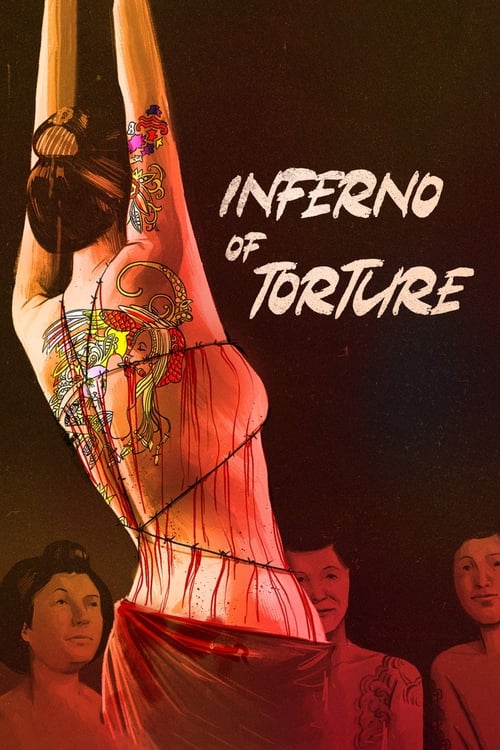
Japan nineteenth century. High demand for tattooed geisha generates an entire industry for their "production". Europeans pay more for tattooed beauties. Against this background, and considering the gorgeous tattooed women develop the history of confrontation between two highly skilled masters of tattoo.
Inferno of Torture
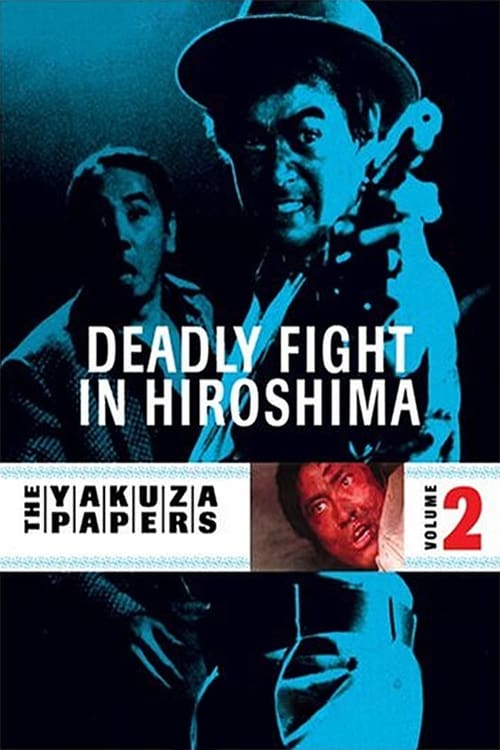
Repeatedly beat to a pulp by gamblers, cops, and gangsters, lone wolf Shoji Yamanaka finally finds a home as a Muraoka family hitman and falls in love with boss Muraoka's niece. Meanwhile, the ambitions of mad dog Katsutoshi Otomo draws our series' hero, Shozo Hirono, and the other yakuza into a new round of bloodshed.
Battles Without Honor and Humanity: Deadly Fight in Hiroshima
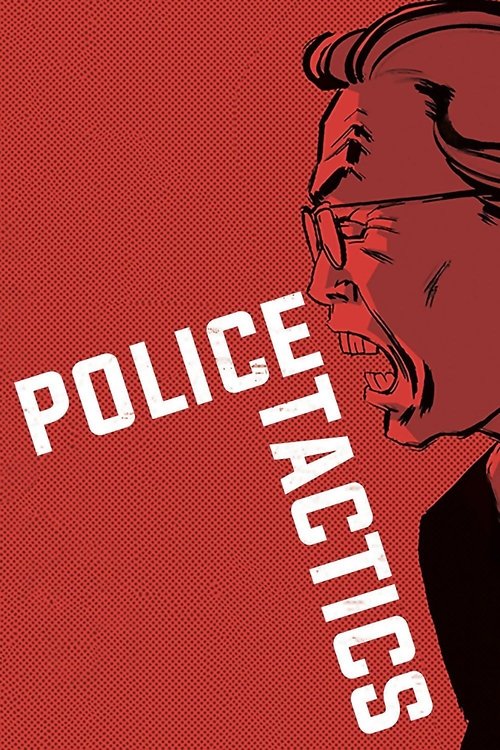
As Japan gears up for the 1964 Olympic games, the cops start to crack down on the gangs, under pressure from the public and the press, adding a new dimension in the war for power among the yakuza families of Hiroshima.
Battles Without Honor and Humanity: Police Tactics
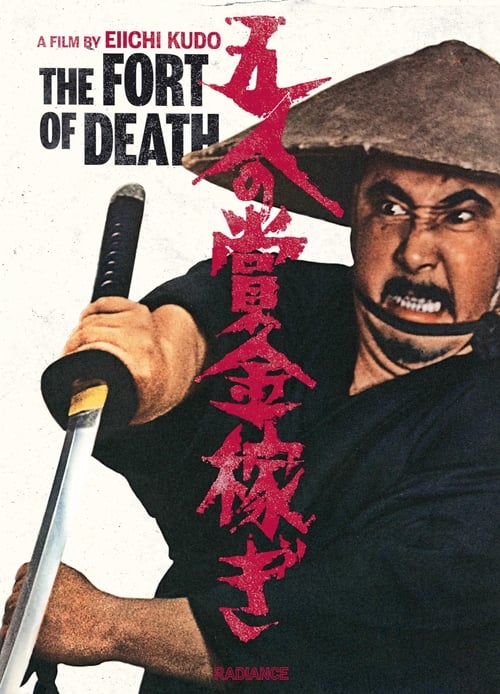
The second Bounty Hunter film, when master killer Shikoro Ichibei takes up the cause of a group of farmers being driven to despair by the vile Lord Ozeki. The villainous lord has driven them to mounting their last stand at a deserted fort against an army of attackers. Wakayama Tomisaburo is superb as an expert in killing and military tactics, who leaves his medical practice at a clinic for the poor in order to counter the vicious tactics of that vile lord.
The Fort of Death
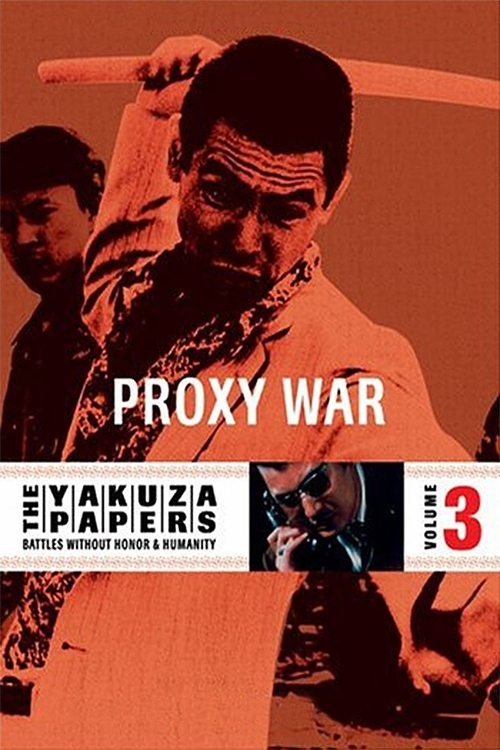
Shozo Hirono has managed to separate from the Yamamori family and create his own small family, and extend his circle of acquaintances. These new friendships include a powerful underboss of the Muraoka family, Noboru Uchimoto.
Battles Without Honor and Humanity: Proxy War
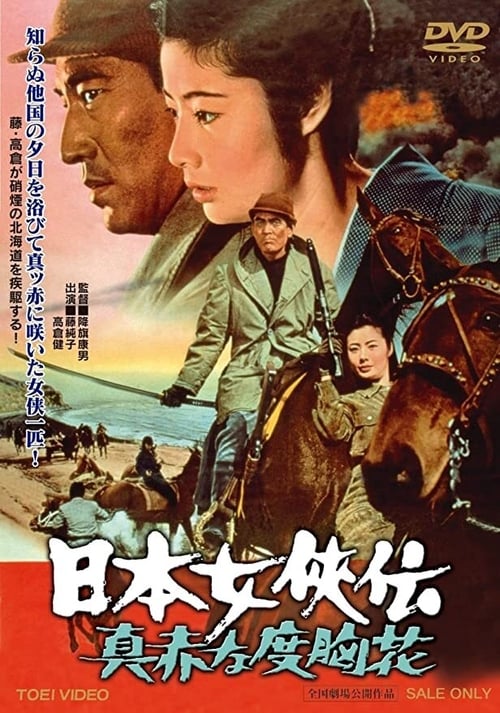
An exciting tale of action on the distant northern island of Hokkaido around the beginning of the 20th Century starring two of the biggest names in Yakuza film history, Fuji Junko and Takakura Ken. Since the death of death of her father, Yuki who has traveled from her home in the southernmost part of Japan must fight corrupt local officials seeking to fill her late father's post. As her life is in danger a mysterious rifleman, played by Takakura Ken watches from the shadows. Can she finish the work her dear departed father started in an untamed land?
Brave Red Flower of the North
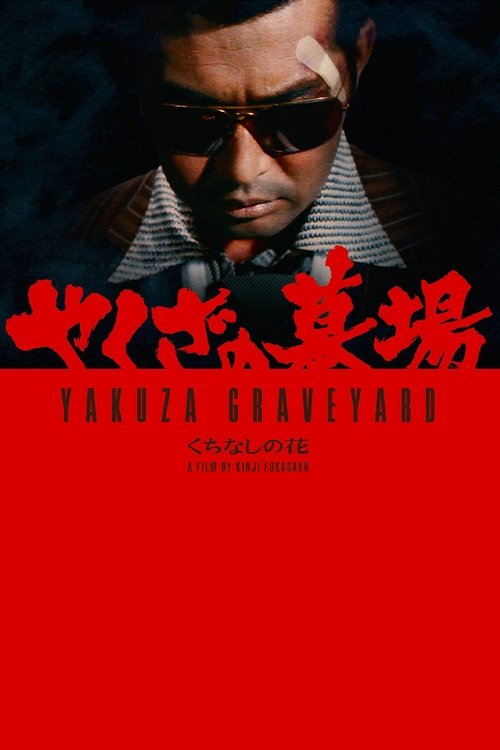
A police investigator cracks down on yakuza business, but once he realizes the police are in negotiations with certain factions, he sides with his own syndicate of choice.
Yakuza Graveyard
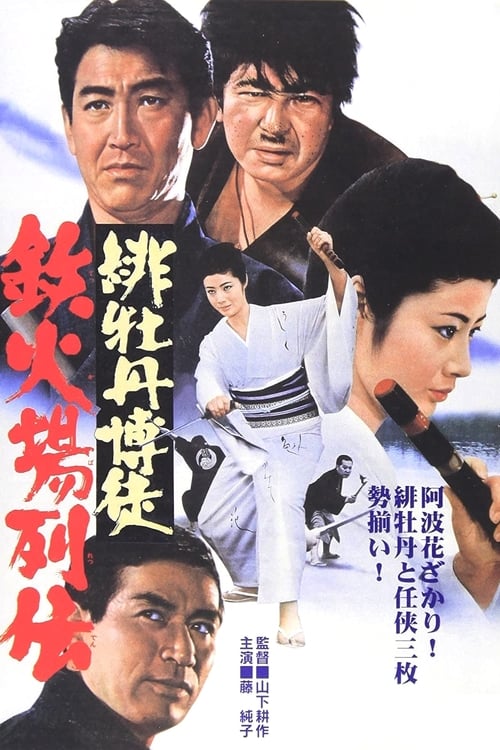
Oryu the Red Peony, a wandering female yakuza on a soul-searching journey after the death of her father. After collecting her sickly follower from jail, she is taken in by a fishing village. Feeling indebted to their generosity, she stays to work for the village and promises to leave her yakuza ways behind. When a dispute breaks out for the gambling rights to a local festival, the villagers are harassed by a gang of thugs. When the harassment turns violent, Oryu must decide wither to keep her promise or protect the villagers.
Red Peony Gambler: Biographies of a Gambling Room
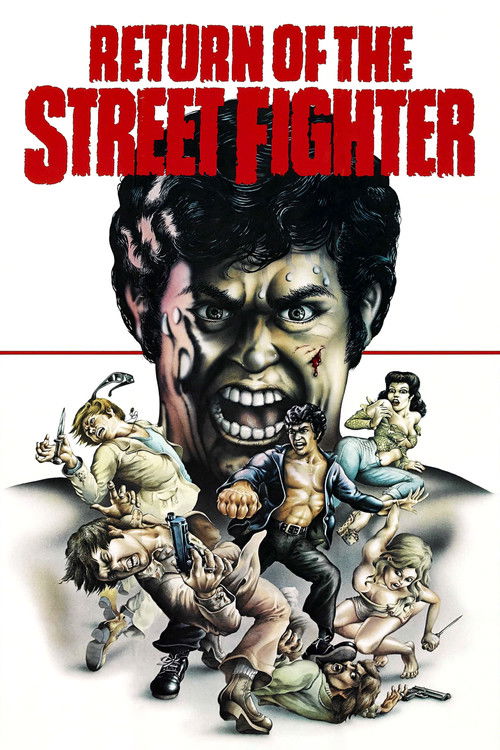
Martial artist Takuma Tsurugi returns to take on a Yakuza family that may be embezzling money from charities to finance their own operations. Both the police and the Yakuza find themselves battling Tsurugi, but Tsurugi's fight ultimately is with the mob, and he concentrates on them.
Return of the Street Fighter
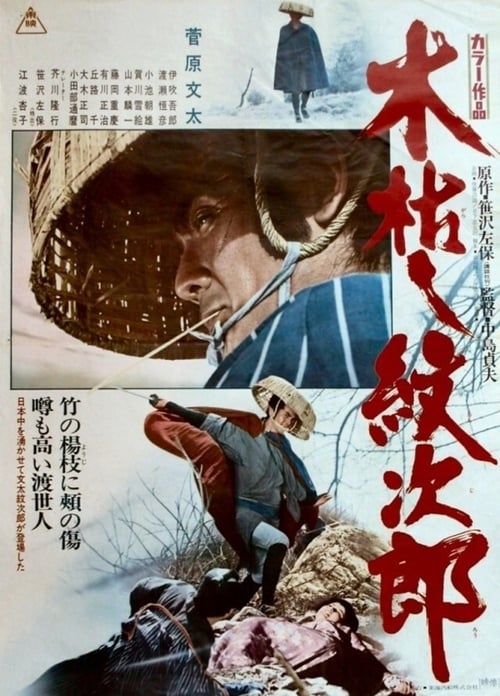
Kogarashi Monjiro is a lone samurai who agrees to take responsibility for a murder that his friend committed so that he can stay with his dying mother, with the expectation that his friend will confess and get him pardoned once she dies. Monjiro is sentenced to an island for prisoners. When he discovers that his friend's mother has died over a year ago, Monjiro seeks to escape with a group of prisoners in order to get his revenge.
Withered Tree, the Adventures of Monjiro
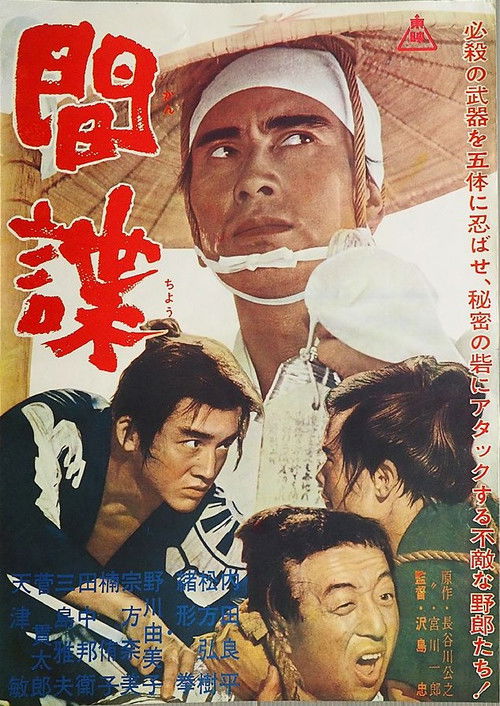
No description available.
間諜
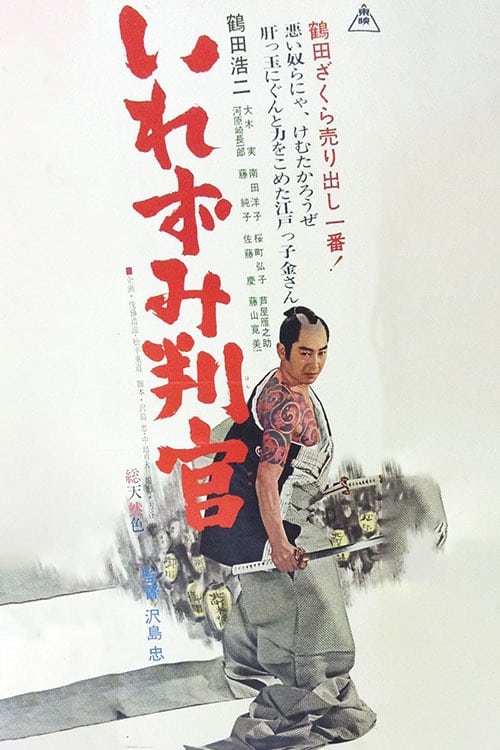
No description available.
The Tattooed Lord
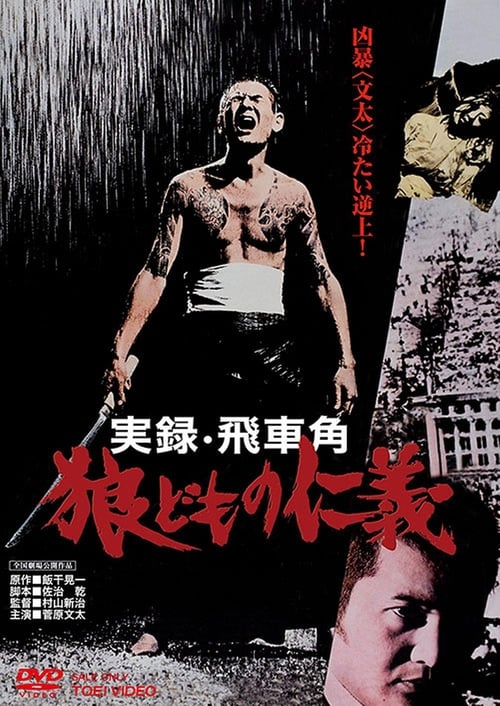
In gangster-infested 1920s Yokohama, gambler Ishiguro gets in with the local gang -- but his view of life changes after the Great Kanto Earthquake.
Code of Wolves
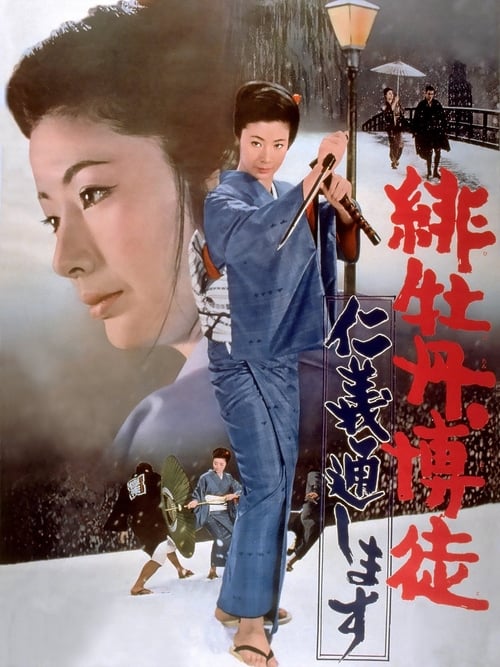
The final chapter of the Hibotan Bakuto series. Oryu the Red Peony visits an old dying Boss of an ally family and promised her that she would help guide the new Boss. Meanwhile a turf war breaks out. When the family is betrayed from within and the rival family becomes violent, Oryu takes things into her own hands…
Red Peony Gambler: Execution of Duty
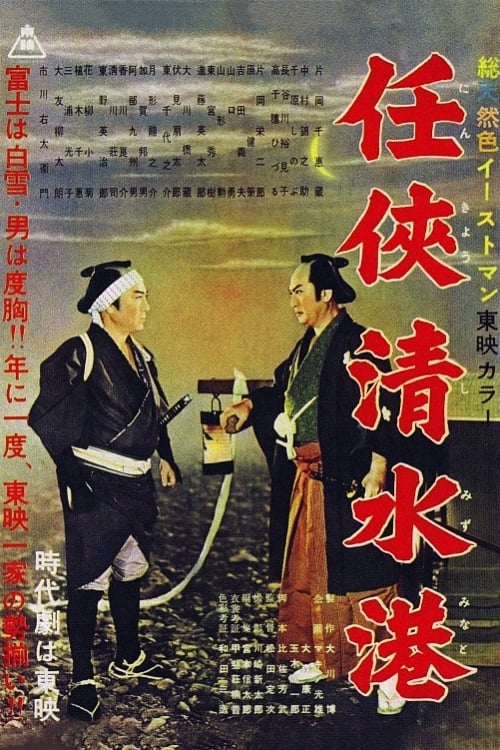
An all-star cast highlights this Jidai-Geki classic. Set in the samurai era, this is the tale of period Yakuza. One of the real classics in this genre. In this dramatic portrayal of the real-life gambling boss Jirocho, a good-hearted and honest boss sets out to take revenge for a fellow boss. At the same time, the other local bosses, in a bid to increase their own power, plot to dispose of Jirocho. Starring Kataoka Chiezo in one of his signature roles, this is an excellent portrayal of a figure who is not well known outside of Japan. Co-starring Nakamura Kinnosuke, this exciting tale of period yakuza brings history to life.
Shimizu Port of Chivalry
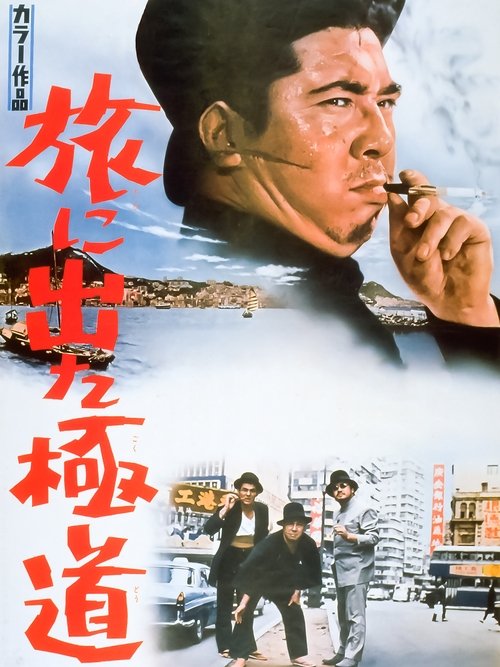
An Osaka gangster Shimamura just got married. His new bride, Mineko is also involved in drug trafficking. When she goes to China to make a deal, things get botched pretty badly. Shimamura must travel to save her and recoup his employers’ losses.
Yakuza on Foot
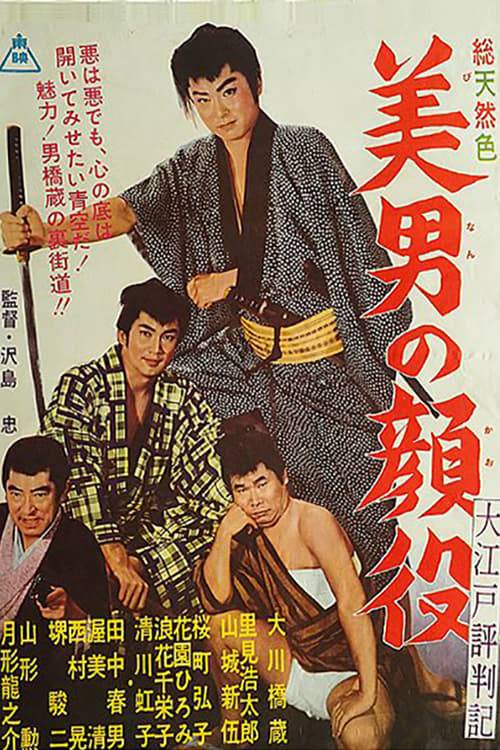
A group of men living a low life in Edo help each other to make the best out of their lives.
Good Rascals

Fishmonger Tasuke and Shogun Iemitsu swap their identities in pretence for the protection of Iemitsu.
The Shogun and the Fishmonger
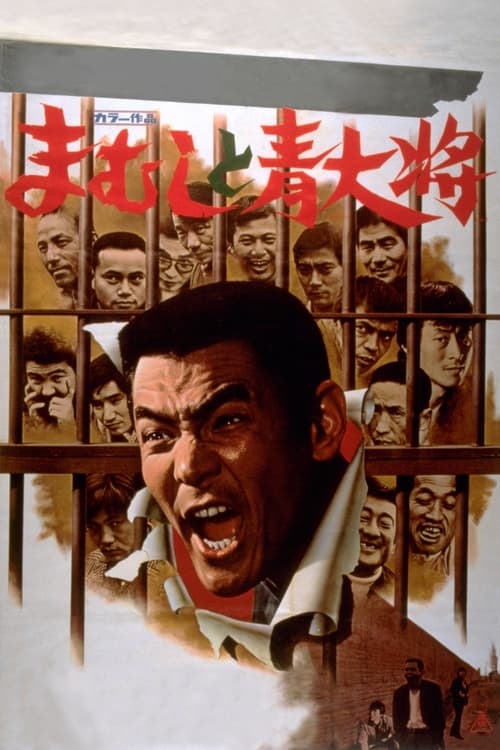
The last in the series. Sugawara runs into two mahjong cheaters (Ichiro Araki and Mako Midori + sidekick Takuzo Kawatani) whom he takes for friends in need as his naivety prevents him from seeing their true nature.