José A. Mauro
Camera
Biography
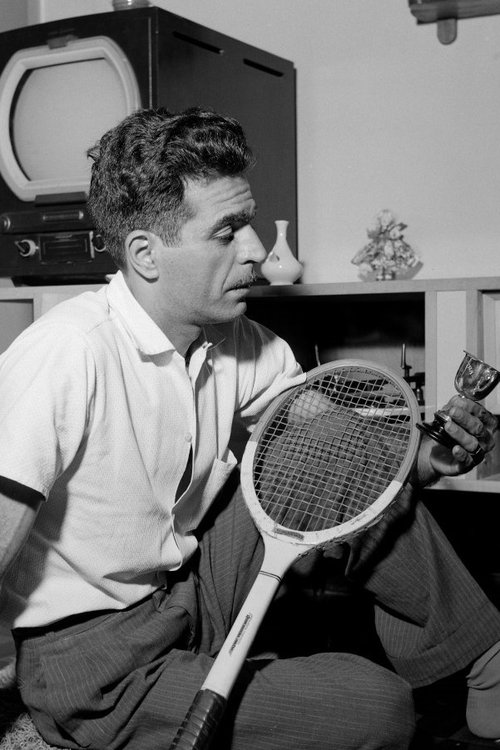
Son of the pioneer Humberto Mauro, Zequinha was one of the most talented and prolific film photographers in the country. In addition to producing more than a hundred films, Zequinha Mauro trains several generations of cinema photographers in Brazil. He also edited and directed films obtained by the National Institute of Educational Cinema.
Known For
Orson Welles acted in Brazilian culture and music by deeply researching Brazil's historical geology, consciously completing a legendary cultural mission. Although being turned down by Hollywood producers, he developed a triumphantly accomplished mission in the language domain - three friends of Welles' testified his love for cinema, his passion for Brazilian music and people and his obstinate endurance against formidable pressures coming from inside and outside Hollywood regarding his unfinished "It's All True".
Welles' Language

The first Brazilians who engaged in aviation, from Bartolomeu Lourenço de Gusmão with his hot air balloon to Alberto Santos Dumont, giving Brazil a prominent place in aviation. The creation of the Military Air Mail (CAM) and the Brazilian aviation industry. Commemoration of the centenary of the birth of Santos Dumont. The house where Santos Dumont was born; Bartolomeu Gusmão (Santos - SP); small hot air balloon Júlio César Ribeiro de Souza; 1881: his Victory balloon flies in Paris; Augusto Ribeiro; Santos Dumont: the balloon in the Torre Eifel, the 14 bis, the 'Demoiselle': real scenes of the time. Edu Chaves flies the Rio-Buenos Aires route in the 1920s. Current era: manufacture of the Bandeirante (assembly line). President Médici flies in the first Bandeirante; Xavante and Ipanema, Universal, rego elo and other models manufactured by Embraer in São José dos Campos.
Os Brasileiros e a Conquista do Ar
No description available.
O Homem e o Limite
Animations (only parts in nuclei in the film) and images, many of them archival and foreign, illustrate that the notion of time is associated with movement and its measurement is performed by the rotation of the Earth around its axis and the Sun. The angle of inclination of the Earth in this last movement also marks the climatic seasons. From the need for greater accuracy in measuring time, gnomons and solar quadrants arose, for whose reading the duodecimal numbering is used. Based on this numbering, time zones and mechanical measuring devices were established, illustrated by the clock mechanism with a church bell. The evolution of astronomy determines the creation of more accurate electronic devices for the evaluation of time, such as the meridian telescope, the Markowitz chamber, the electronic oscillators and the telescope, with which astronomers work at the National Observatory.
A Medida do Tempo
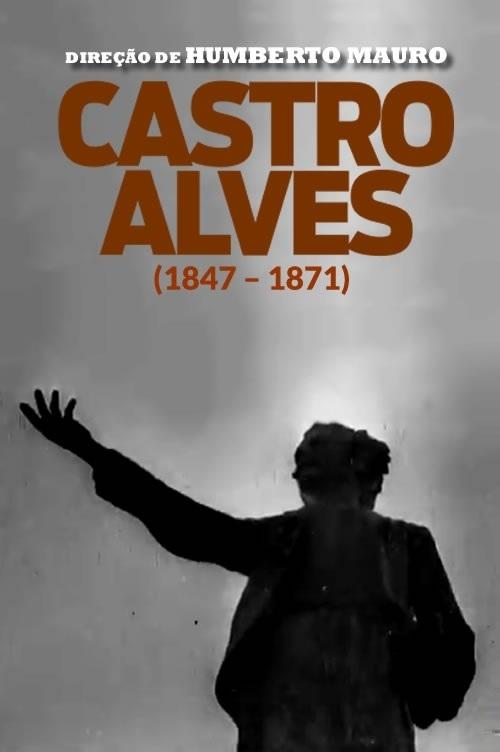
Biographical data about Castro Alves: the different cities where he lived, the love misadventures, the school institutions where he studied and his poetry. Countryside landscapes illustrate the narrated trajectory. Negra caresses a child in a performance by Castro Alves with her nanny Leopoldina. Men work in pestles, weed. Views of the cities of Cachoeira and Salvador. In the capital, highlights include the Church, Feira de Meninos, the Solar da Boa Vista. Views of the city of Recife. The Recife Faculty of Law. A herm of the poet. The Santa Isabel Theatre. Return to Salvador and the São João Theater.
Castro Alves
No description available.
Conversa com Cascudo
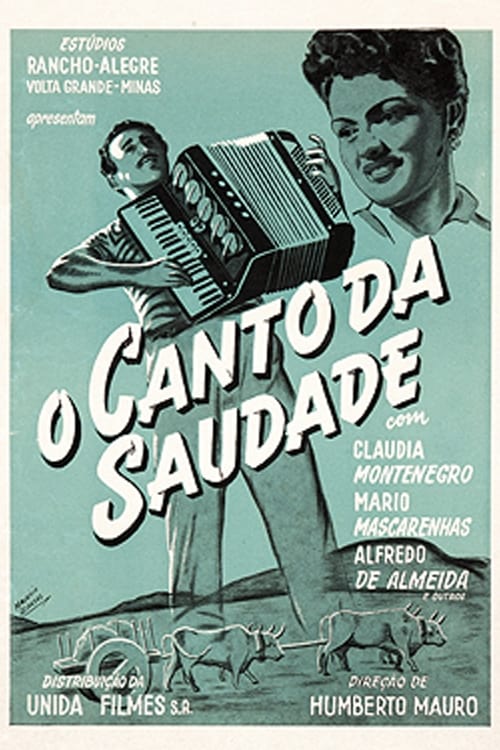
Coronel Januário's goddaughter, Maria Fausta, is having a secret affair with João do Carmo. While her godfather is engaged in his political campaign for mayor of the city, the couple disappears. Galdino, an accordionist who is secretly in love with her, goes looking for them.
O Canto da Saudade
No description available.
Rural Constructions
No description available.
Festa do Divino Espírito Santo
No description available.
Cidade do Rio de Janeiro
No description available.
Cerâmica: Escola Técnica Nacional
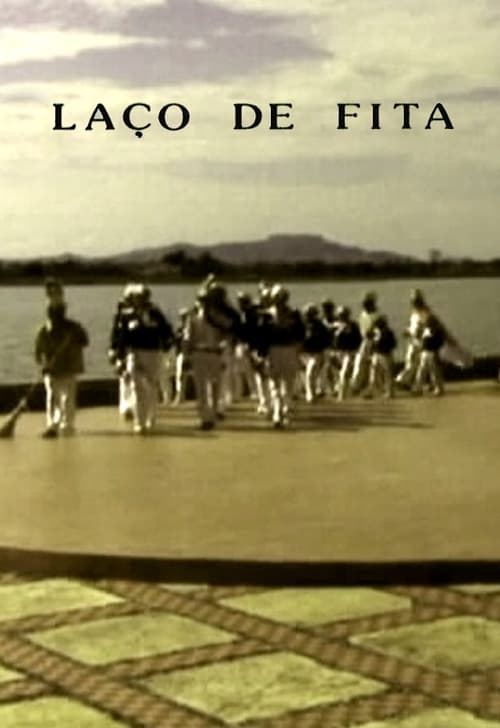
A folk festival in the city of Teresina in Piauí, is portrayed with all the elegance in the lens of photographer Pedrinho de Moraes and filmmaker Paulo Cezar Saraceni. A dance of colors, folklore and the beautiful nature of the region.
Laço de Fita
No description available.
Memórias da Vida e do Trabalho
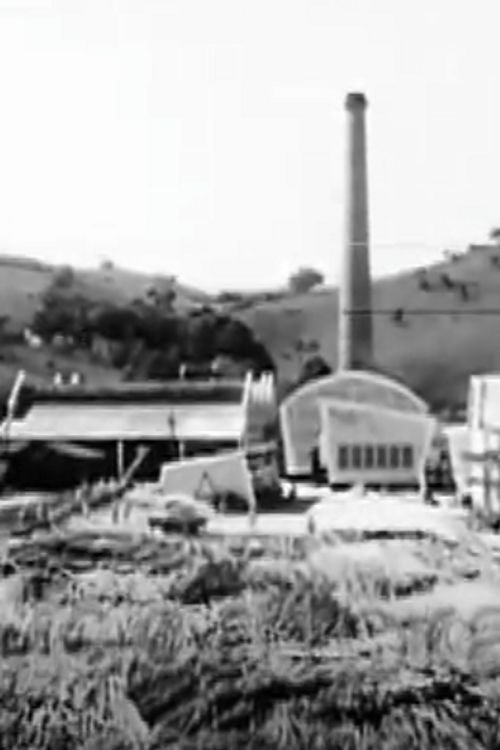
A brief history of paper and the stages of its production. An animation about the history of writing, the emergence of paper in ancient civilizations and the invention of printing, taking paper manufacturing to an industrial scale. Paper production in Brazil, with emphasis on the use of pine, eucalyptus and bamboo. At Companhia Mineira de Papéis, in Cataguases, the stages of paper making. Paper consumption and its production in tons in Brazil since 1939. Brazilian self-sufficiency and the use of paper in various activities.
O Papel
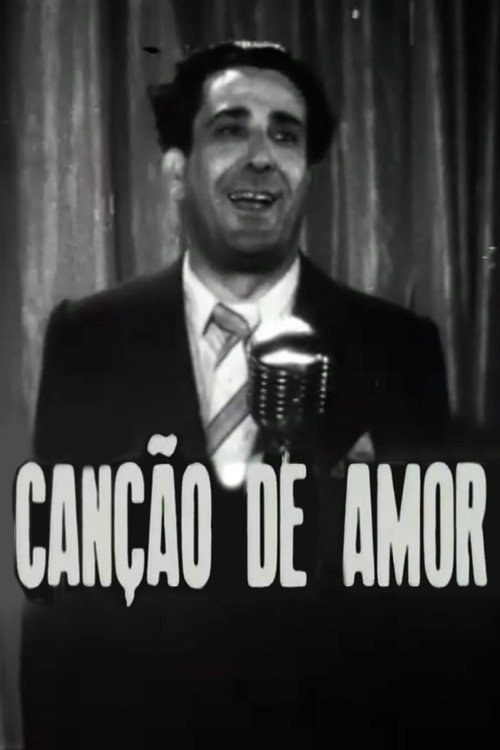
Portrays the life of Vicente Celestino, a singer and composer of Brazilian popular music, who died in 1968. It shows his childhood in Rio de Janeiro, his professional debut at the Teatro São José, his first record, Flor do Mal, his participation as an actor in the Cia. Leopoldo Fróes, the gold record that was offered to him by the people, the numerous operettas and sacred plays in which he worked, his marriage to Gilda de Abreu, and original scenes from the films O Ébrio and Coração Materno, where he acted as both actor and singer.
Canção de Amor
No description available.
O Cristal Oscilador: Industrialização do Quartzo no Brasil
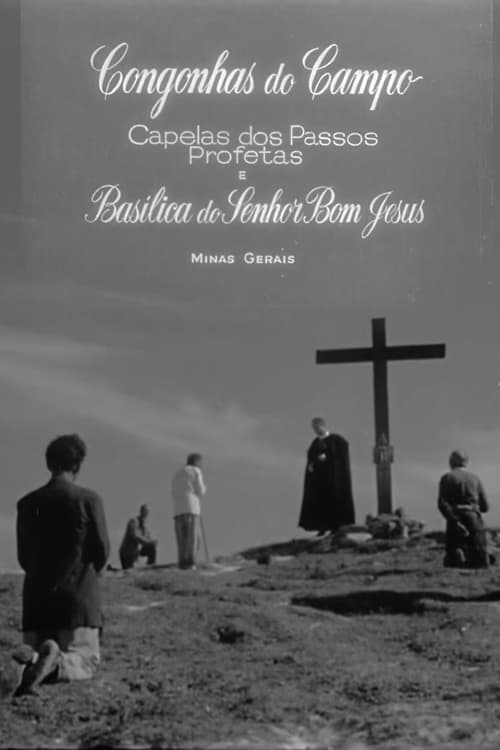
Aspects of the city of Congonhas do Campo. The preponderance of baroque architecture, the Basilica of Senhor Bom Jesus de Matozinho, the six chapels on the terrace leading to Morro do Maranhão. Each chapel contains statues representing moments of the Passion of Christ. While in the first chapel there is Santa Ceia figuration, in the second there is the Passo Horto scene. The kiss of betrayal and the imprisonment of Christ before the scene of the third chapel. In the fourth, two scenes are gathered: the coronation and the flagellation. On the fifth, the Christ bears the cross and the crucifixion is featured in the sixth chapel. The twelve apostles of Aleijadinho and the Latin inscriptions of each one. The interior of the Basilica and its main altar, with the figure of the Lord Dead.
Congonhas do Campo
No description available.
Sabará: Museu do Ouro
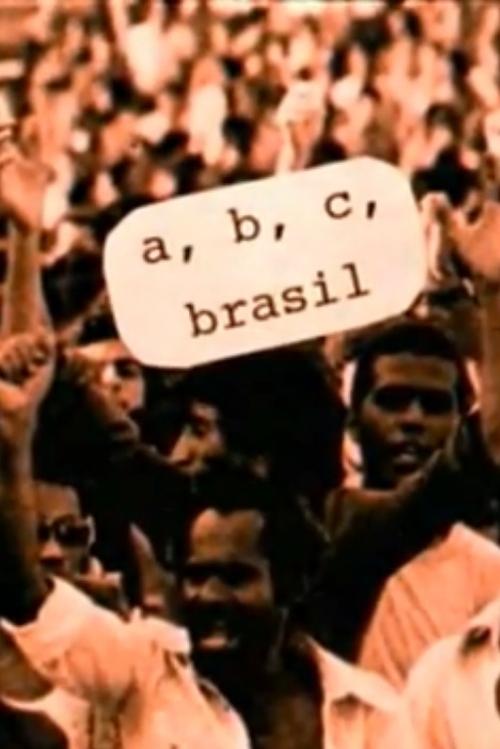
Documentary about the resumption of the workers 'movement during and after 17 years of dictatorship, led by the metallurgists of ABC Paulista (Luiz Inácio Lula da Silva) that culminated in the creation of the Workers' Party - PT
A, B, C, Brasil

No description available.