Sound
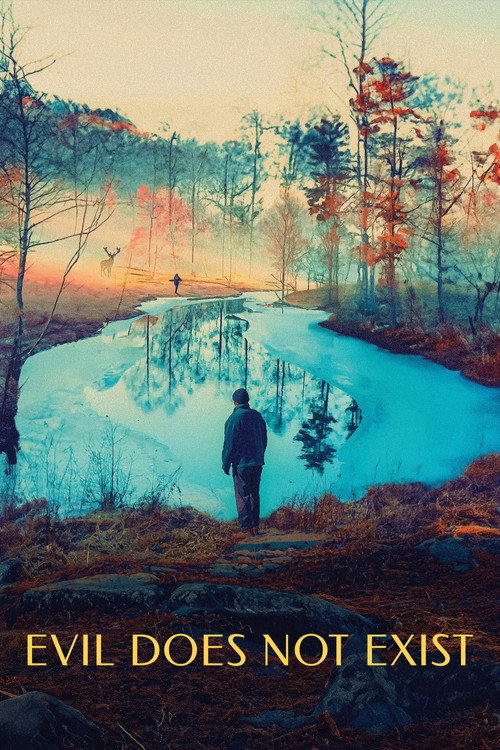
Takumi and his daughter Hana live in Mizubiki Village, close to Tokyo. One day, the village inhabitants become aware of a plan to build a camping site near Takumi's house offering city residents a comfortable "escape" to nature.
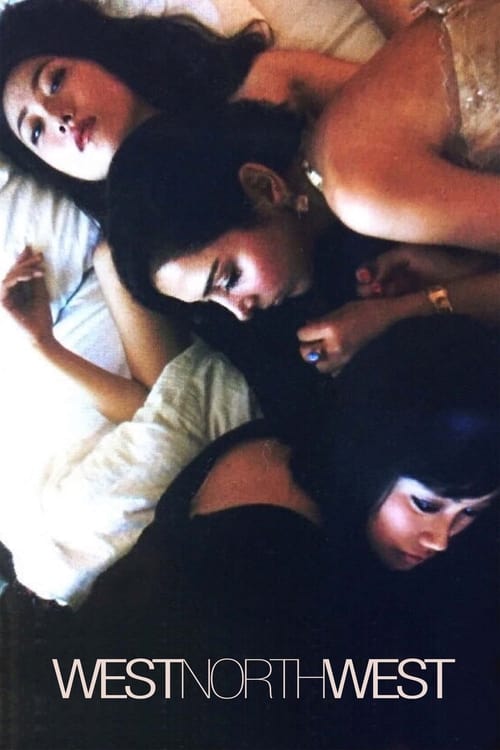
Four women in their thirties reevaluate their relationships, both shared and private, after a startling revelation concerning one's marriage forces each of them to ask one of life's biggest questions: "Am I who I want to be?"
Kusanagi, a delivery man, receives a complaint about a package that has been damaged. He visits Heihachi along with his boss, Sakurai, to present his apologies. The tiger figurine was created by Jun, Heihachi's son. Heihachi asks: "How are they going to compensate me for this masterpiece? How much can it be worth?", and tries to get them to buy it. While Heihachi is out, Jun says: "I saw my father break it. He started crying. Don't hate it." When Kusanagi leaves, he returns the figurine: "Jun is his greatest masterpiece." Heihachi is stunned. On the way back, Kusanagi and Sakurai talk about their children.
No description available.
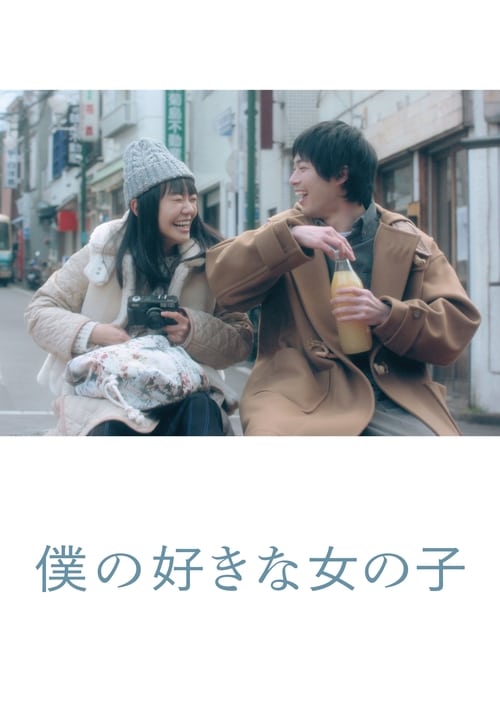
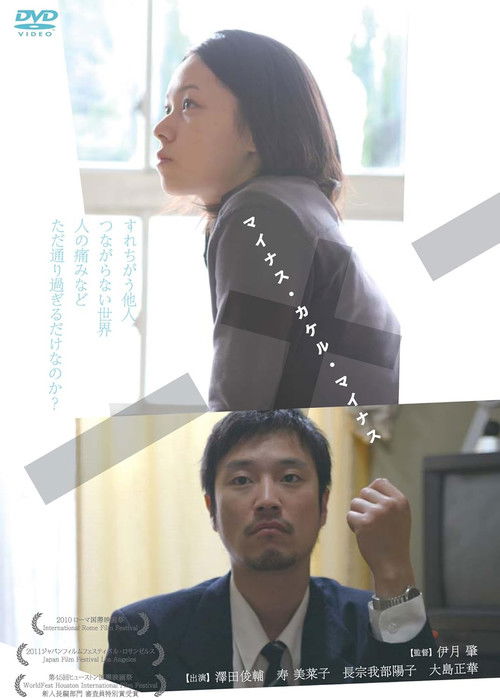
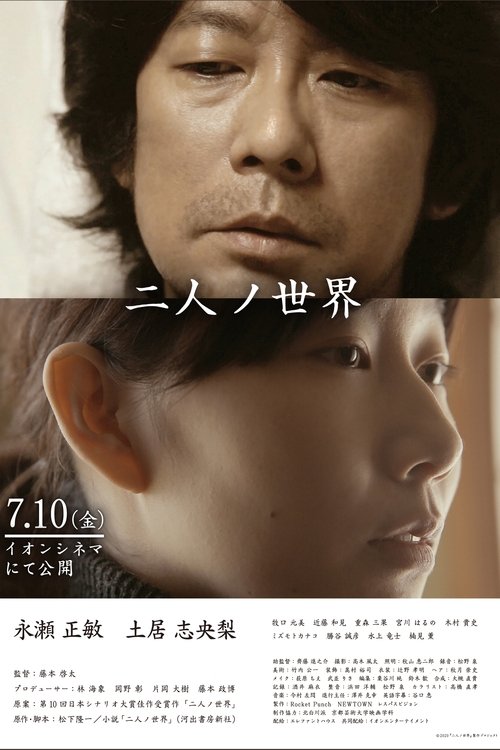
Kato, a scriptwriter, is in love with Miho—but he can never manage to muster up enough courage to make the relationship anything more than a platonic friendship. Seemingly oblivious to Kato's feelings for her, Miho is always calling him up and spilling her guts about her own love problems. She's in love with someone else, it turns out, but Kato swallows his pride—hearing about it all is almost too much to bear, but he wants to be with Miho as much as he can.
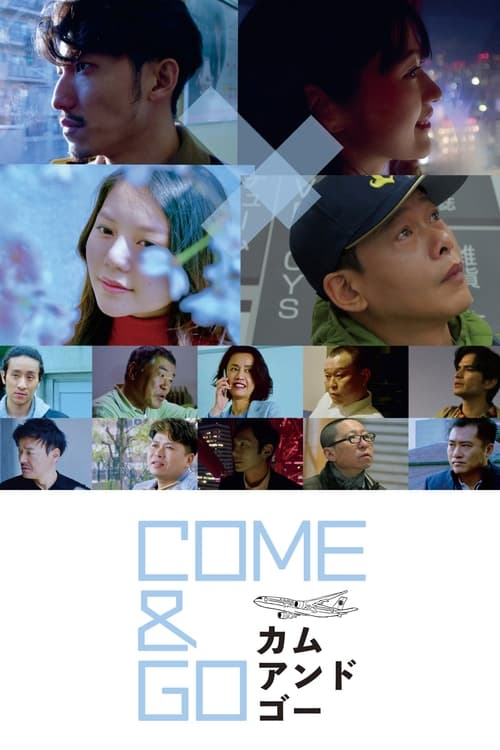
Tourists, foreigners and outcasts converge on the streets of Osaka in this sprawling ensemble drama by Japan-based, Malaysia-born filmmaker Lim Kah Wai. His eighth feature explores the lesser-known aspects of the Asian melting pot city through the eyes and experiences of a dozen characters who struggle to find their place in society: among them a Nepali refugee with dreams of opening a restaurant, a Burmese student struggling to make ends meet while working two jobs, and a Taiwanese sex tourist who travels to meet his favorite adult video actress.
Kasumi doesn't know what love is and she doesn't have any feeling of romance. Due to her sister's marriage, her mother arranged a formal marriage arrangement without her permission. At the meeting, she met a man who is just seeking a friend.
High school student Yuki suffers from a chronic disease and has lost hope for living. One day she has a life-changing encounter with Aki, her destructive classmate with a beautiful singing voice. Together they decide to form a band with Yusuke who secretly has feelings for Yuki.
Kei works at a cocktail bar, while Ai works as a model. Fearing she'll be ostracized by society, Kei chooses not to admit her sexual orientation to anyone, and, as a result, she becomes distressed and lonely. One day, Kei gets close to Naima, an Iranian student studying art in Japan.
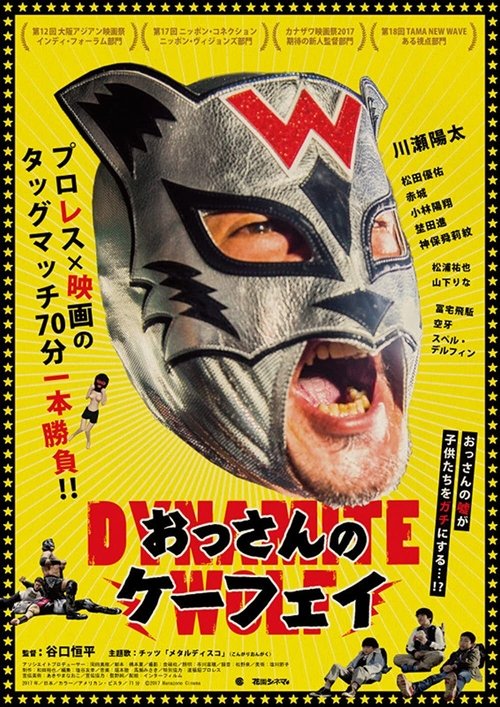
Elementary school boy Hiroto doesn’t have any talents or dreams for the future. One day he sees a wrestling match by popular masked wrestler Dynamite Wolf, and for the first time becomes enthusiastic. He decides to ask Dynamite Wolf to teach him how to fight. Meanwhile, Dynamite Wolf’s foray into politics has become big news… This energetic coming-of-age drama is the first entertainment film by a director who has worked on self-documentaries and POV horror. The star is Kawase Yota from “Rolling” by TOMINAGA Masanori. With strong support from Dotonbori Pro Wrestling, a match scene was shot with 200 extras, taking “Dynamite Wolf” beyond the realm of a typical low-budget movie.
Yuzo and Mitsuki live together in Yuzo's small apartment, their constant companionship tender and indifferent in turn. Then Yuzo receives a call from Satsuki, a documentarian resolved to make a film about a now-distant family tragedy, and the three meet, to search for some way to account for their relationship with one another, the memories they share, and those they've kept to themselves.
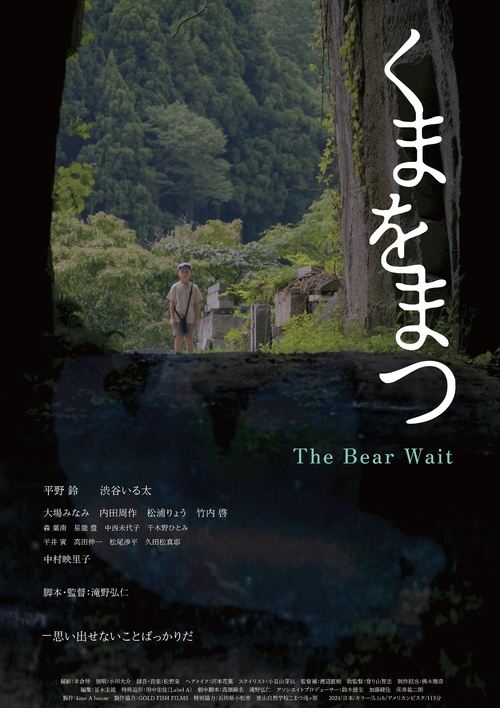
The life of a man, transitioning from a hunter-gatherer existence in the mountains to a life in the farm. One day, he comes across an ox, which somehow, he succeeds in leading back to his home. He lives with the animal, which becomes his companion in a life of changing seasons.
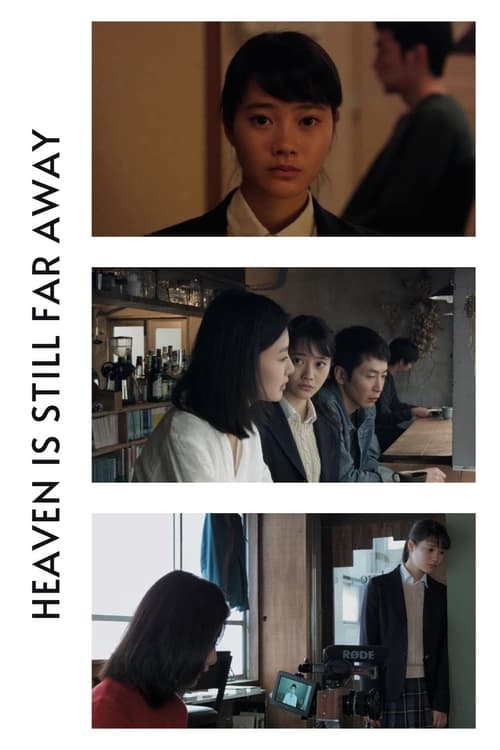
An eight-year-old boy and his aunt, a screenwriter, spend a summer at her late grandfather's house. Through his diary, the two discover about his past during war.
Shunsaku was paralyzed from the neck down at the young age of 36 by a spinal injury suffered in a motorcycle accident. A blind woman named Hanae arrives to be his caregiver. Despite her frustrations with Shusaku's ill-nature and verbal abuse, Hanae also harbors a tremendous sense of being deprived that she doesn't tell others.
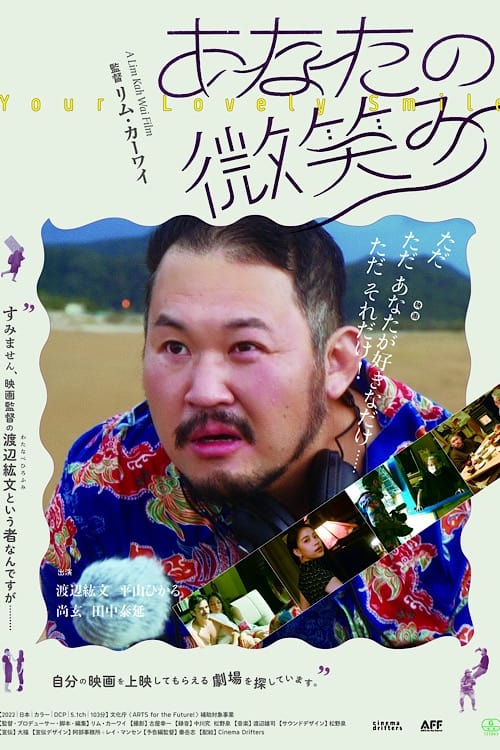
A bittersweet, hilarious, enlightening and inspirational road trip through Japanese arthouse cinemas with a heartily independent filmmaker, who also struggles to release his own movies in real life.
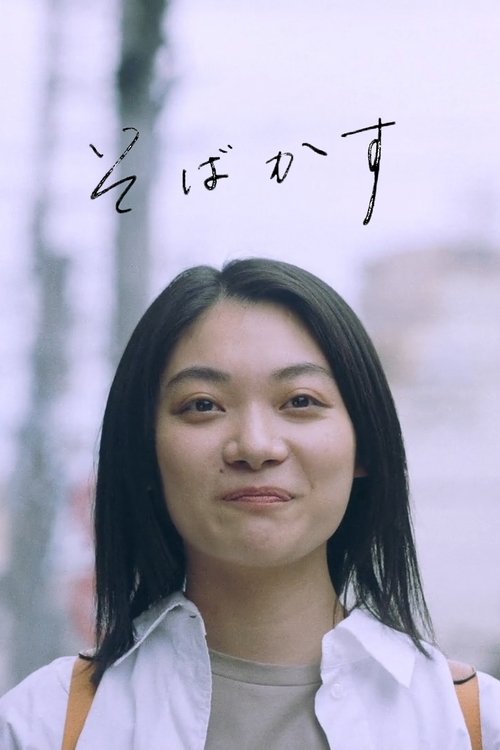
A middle-aged salary man can’t find anyone to talk to. Everybody in his life avoids him, having their own troubles to deal with. Feeling all alone in the huge city one night, he sees a man holding a glowing stick and helping people crossing the railway. Might this man be willing to listen to him?
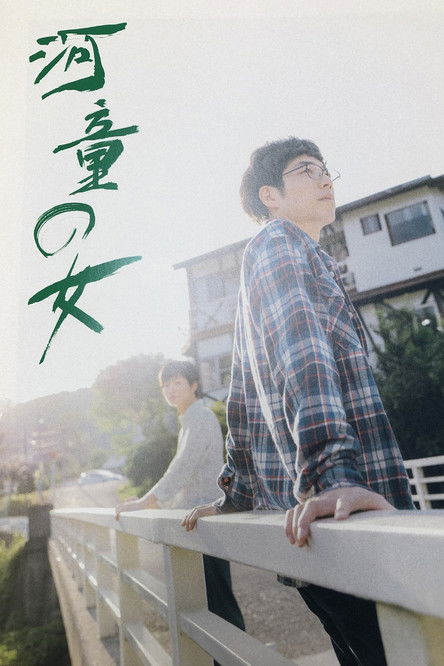
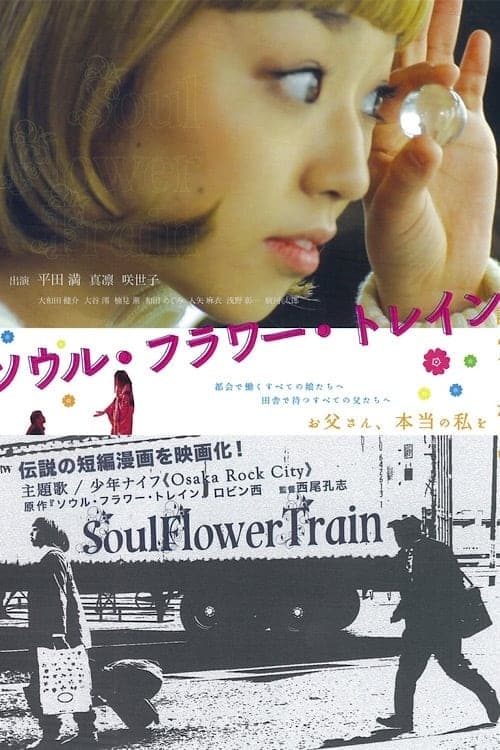
Amamoto travels from his small village to Osaka to find his estranged daughter. When he meets a friendly young woman, she gives him a unique guide of the big city and helps him in his search.
On April 7, 2020, the first state of emergency was declared in Japan. People disappeared from the streets and movie theaters and museums closed their doors. Whatever happens in the world around us, the existence of you and I remain unchanged. As long as we can recognize each other correctly, we should be able to maintain our sanity to some extent. It doesn't matter if someone is still asleep in the hospital, or if the neighbor's cat has gone to heaven. Memories live on vividly in our memories. Sometimes they can evolve into exaggerated images, but what is important to me will continue to evolve inside of me. It's the same even if they don't exist in this world. I think it's almost like a prayer. Surrendering myself to the world of images―what this world needs is imagination! Including all the love we have for our neighbors, strangers, and partners.