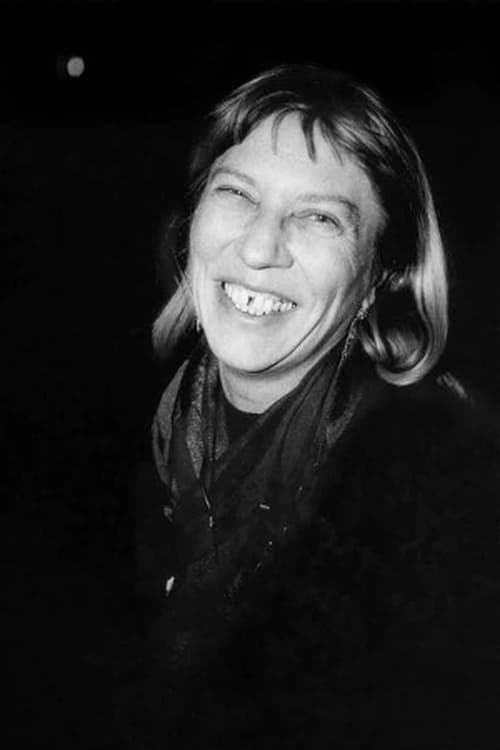
Frédérique Devaux
Directing
Biography
Frédérique Devaux is a French-Berber experimental filmmaker. Since the early 1980s she has been one of the most internationally well-known representatives of Lettrist cinema. She has devoted several works to the Lettrist movement, the cinema and monographs. Together with Michel Amarger, she is the co-author of a series of film called ‘Expérimentaux’.
Known For

Cinématon is a 156-hour long experimental film by French director Gérard Courant. It was the longest film ever released until 2011. Composed over 36 years from 1978 until 2006, it consists of a series of over 2,821 silent vignettes (cinématons), each 3 minutes and 25 seconds long, of various celebrities, artists, journalists and friends of the director, each doing whatever they want for the allotted time. Subjects of the film include directors Barbet Schroeder, Nagisa Oshima, Volker Schlöndorff, Ken Loach, Benjamin Cuq, Youssef Chahine, Wim Wenders, Joseph Losey, Jean-Luc Godard, Samuel Fuller and Terry Gilliam, chess grandmaster Joël Lautier, and actors Roberto Benigni, Stéphane Audran, Julie Delpy and Lesley Chatterley. Gilliam is featured eating a 100-franc note, while Fuller smokes a cigar. Courant's favourite subject was a 7-month-old baby. The film was screened in its then-entirety in Avignon in November 2009 and was screened in Redondo Beach, CA on April 9, 2010.
Cinématon
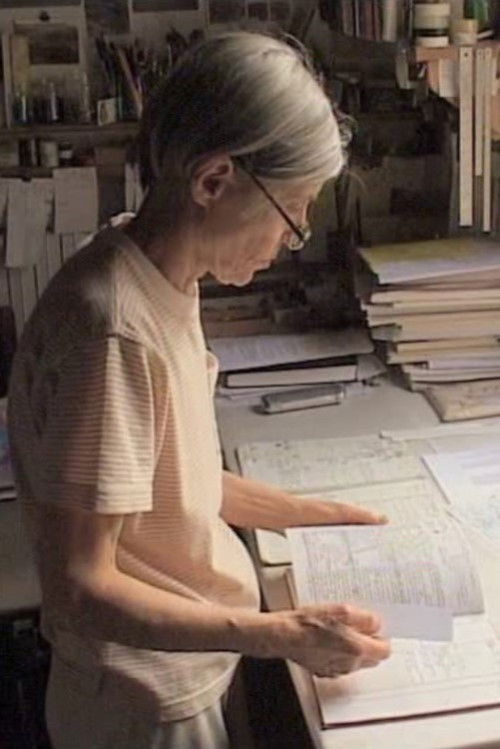
Rose Lowder is an artisan of cinema. Her 16mm camera takes the place of a loom for the weaving of images. She has consecrated her life to these tapestries, these embroideries whose motifs have for many years come from nature, in a state of incessant becoming. Like her elders, the Impressionist painters, she renders her bouquets stroke by stroke, image by image, color after color, to give life to her pointillist compositions in motion.
Cinexpérimentaux #5 : Rose Lowder
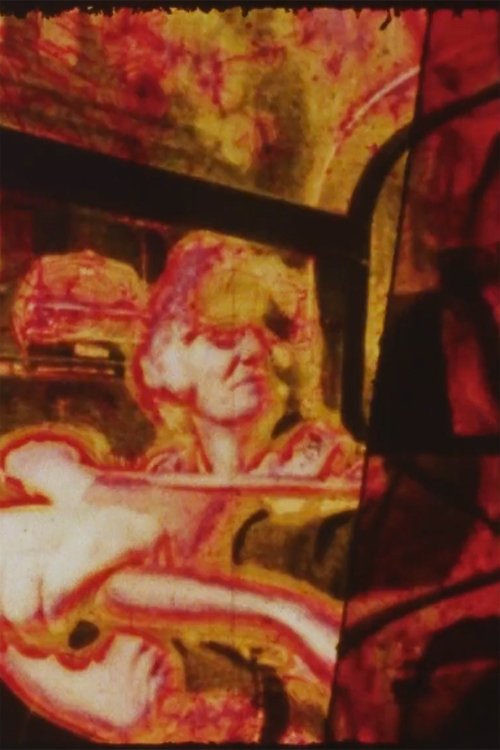
From one film to another, it's true that I often use the same images, to remind people, to create a universe, to show that my work basically constitutes a single work. I can also, like here, deepen a procedure used much earlier, in this case in Un film brûlé (1984). I had torn and shifted the images relative to each other (thus creating a long crack) which I had then not been able to shoot, the film being limited to a soundtrack ever since. Here, it is a question of creating in all possible ways holes and ellipses of images then of stitching these views together in an aesthetic mode in a joyous end-of-the-century apocalypse, of positives, negatives, 16mm, Super- 8, 8mm, black and white, color, enhanced, faded, but still found footage...
Ellipses
K, for Kabylie, is a chronicle in several parts. Chronicle of a fragmented childhood between two countries, memory shredded by separation and abandonment. Chronicle also of the return, of a country broken by the central power (the demonstrations of the region of Tizi Ouzou in particular made tens of deaths), loneliness of the women and the children who fight each day for their survival. This is my family trajectory but it is above all that of a country with "murderous power" as all Kabyle children and adults sing.
K (Il est une fois)
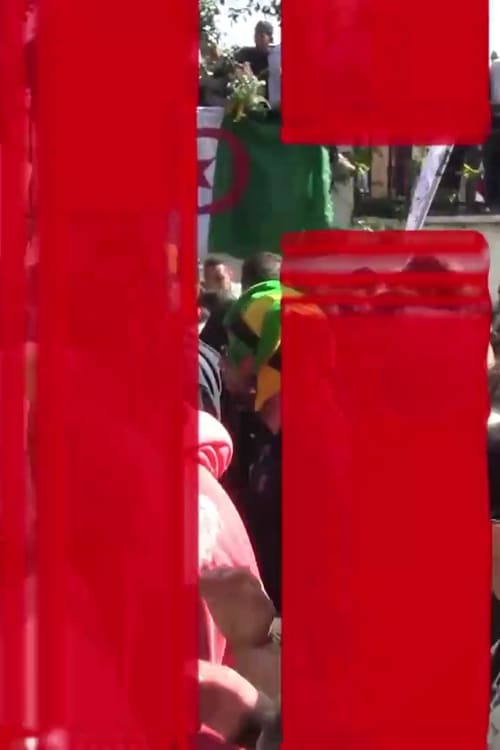
When advertising, big brands and the commercial market bombard us… Escape? revolt? get involved? become outraged?
Capital(ism)e
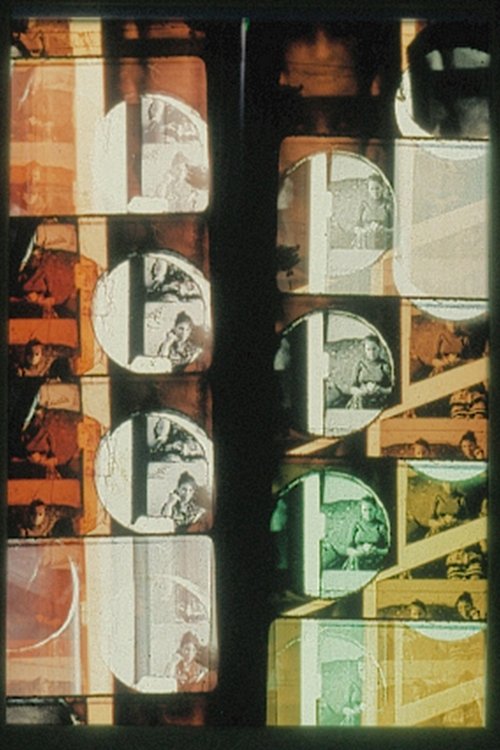
K is a chronicle and an experimental biography. Each part of K is centered around a particular problem: childhood, demonstrations in Kabylia, women… At the breaking up of a family (K Il est une fois…) echo the scattered pieces of a Kabylia torn by struggle and demonstrations (K Les Luttes Amazigh), especially in the region of Tizi Ouzou, our family home. Amazigh means Free Man in our language, which is more relevant than ever in this short film.
K (Les Luttes Amazigh)
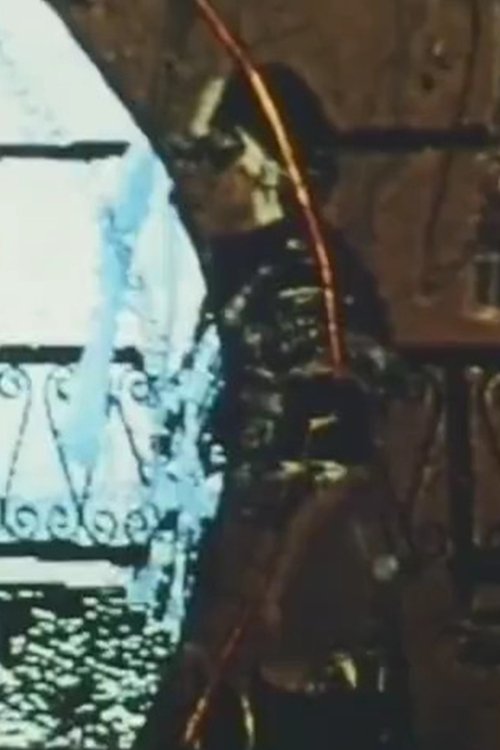
In this part, I'm dealing with the relationship of the Kabyles with the dream of elsewhere. To reach that aim, I shot a lot in Kabilye, and also in other countries. Through superimposition, the approach between the positive and the negative, tape-to-film work, a research into colour and some very tight editing in which I intercalate some articles about the kabyle cauldron, as well as other effects, I try to give shape to these visions of an elsewhere, that are passing, changeable, often false. While printing the film, I worked a lot on the diaphragm, going voluntarily from overexposure to underexposure, in order to render the blindness (that is the fever) and the ignorance of some populations about this elsewhere that they believe is an El Dorado.
K (Rêves Berbères)
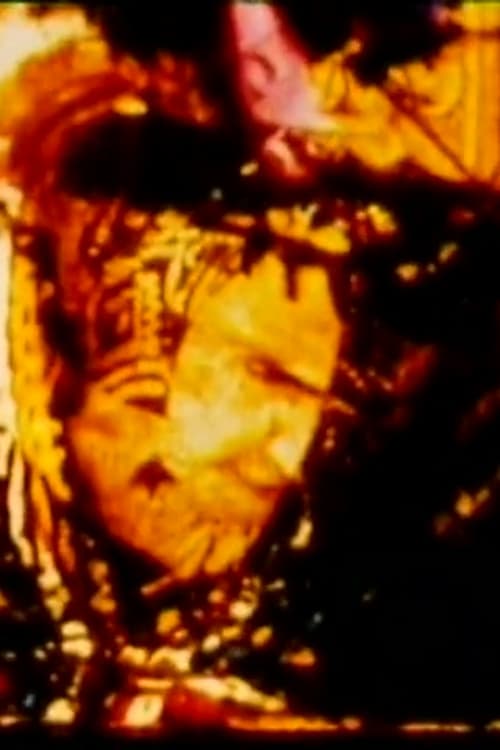
Two-thirds of K (Exil) consists of images of the women and children who remain at home, alone, while the men leave for a life of exile. These images, always fragmentary (either cut-up or inserted piece by piece within the image as a whole), alternating between negative and positive, complementing or contradicting each other - give an insight into the wrenching separation experienced by those members of the population who remain at home, left to their fate in an inhospitable landscape. Over what we call the 'joints', we will engrave words in French or Kabyle (Berber), echoing the masculine voices of Rachid Adel and Michel Amarger. An original composition by Mr. Djamel Tareb will form the musical sound-track for the film.
K: Exil

In 1993, the two main characters, Frédérique Devaux and Michel Amarger, nominate themselves for legislative elections in Paris. This film recapitulates a political adventure in which they defended the ideas of "Le Soulèvement de la Jeunesse."
1993 - Le soulèvement de la jeunesse
No description available.
Ce qu'ils en pensent
No description available.
Pourquoi "Light Cone" ?
No description available.
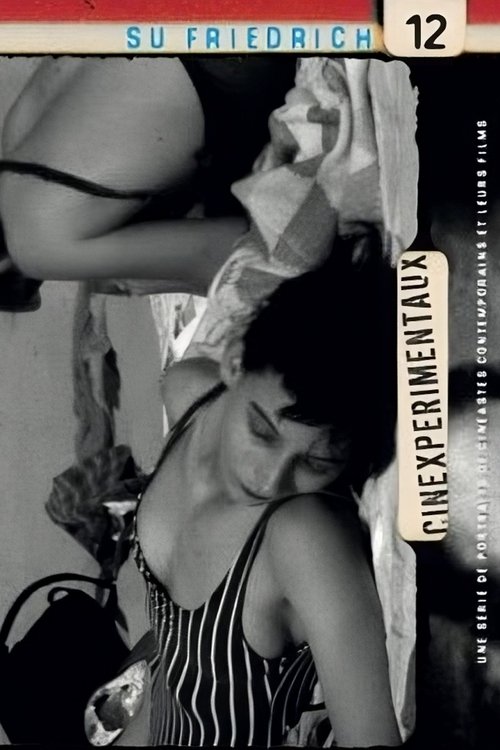
Cinexpérimentaux #12: Su Friedrich
Portrait, alternating interviews and extracted from Pip Chodorov's films who evokes its conception of the experimental movies, the links of some of his films with photography. Their character, sometimes improvised, sometimes composed. He’s and editor's activities of videocassettes Re: Voir.
Cinexpérimentaux #4: Pip Chodorov
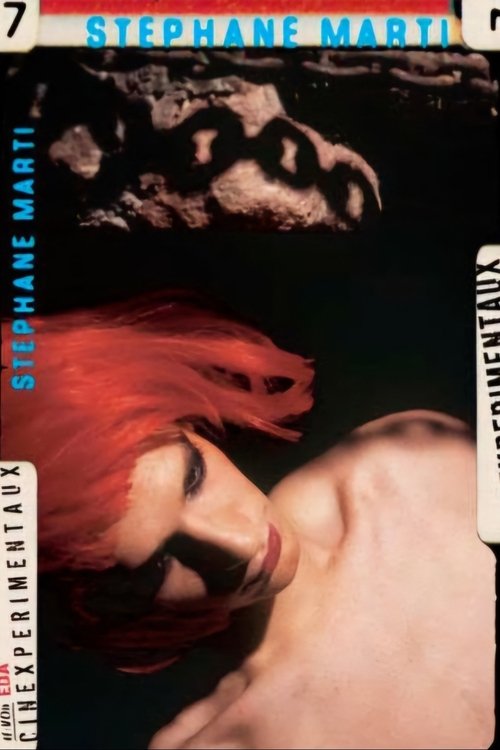
Stéphane Marti is a teacher and film-maker who, since 1976, has been expounding the plasticity of experimental cinema, freeing it from the dominant codes of narrative cinema. An avid defender of Super-8mm film (which he has been using for 30 years), he has fought for the acknowledgement of its excellence as a film-making tool. His work, which screens in festivals and at international events, has been the subject of numerous interviews and articles. Flamboyant, baroque and sensual, his work revolves primarily around the question of the body and the sacred.
Cinexpérimentaux #7: Stéphane Marti
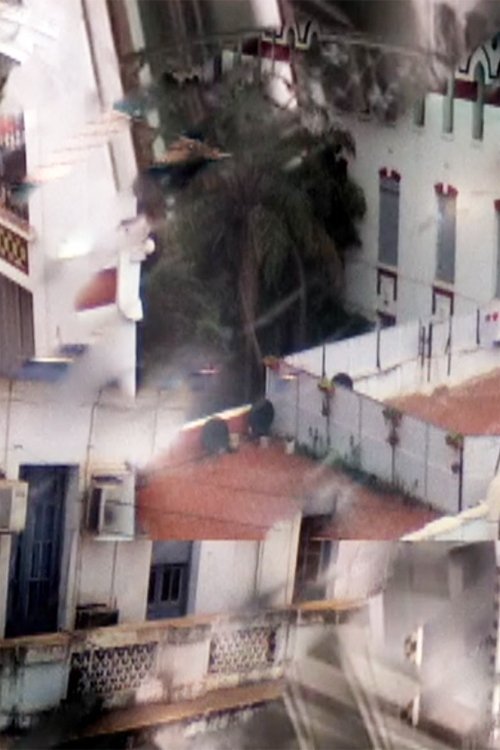
The town, lights, sounds, movements. The town...
Villes
Les Deux Lucy is a short documentary portrait of the shooting of Raphaël Bassan's film Lucy en miroir. It's the opportunity for us to look at one of our contemporary filmmakers and important film critics of what we call in French cinémas differents, meaning a different way of making films. Our making of offers the opportunity to follow, step by step, the making of this short film with scenes shot on the set, and to listen to comments by the filmmaker about his work.
Les deux Lucy
Imagogie (from words: image and demagogy) was made with 16mm and super8 inside 16mm.
Imagogie
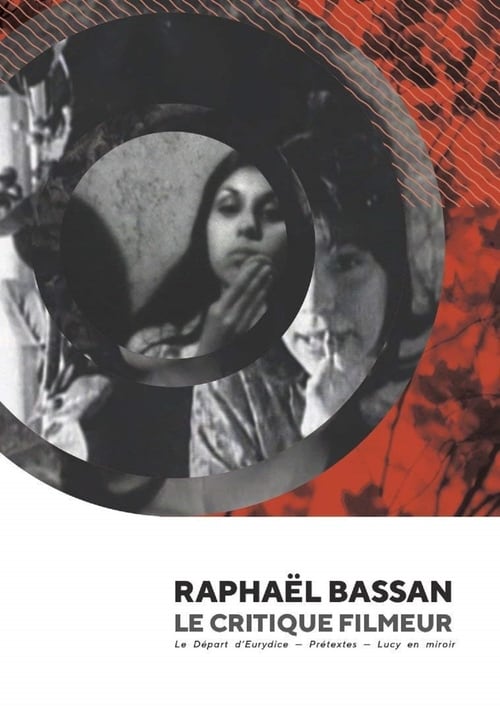
The fortuitous meeting of two women to the identical first name, Lucy, who formerly loved the same man, Jonathan, induced, in this film, of the polysemous variations on the memory, art, and the difficult relationship between creation and emotional life. Dehumanized by an exclusive artistic practice, the man lost his reference marks little by little. "Lucy en miroir" wants to be, also, a shifted and transverse second reading of "The Contempt" ("Le Mépris") of Godard, by a step more plastic than analytical or conclusive.
Lucy en Miroir
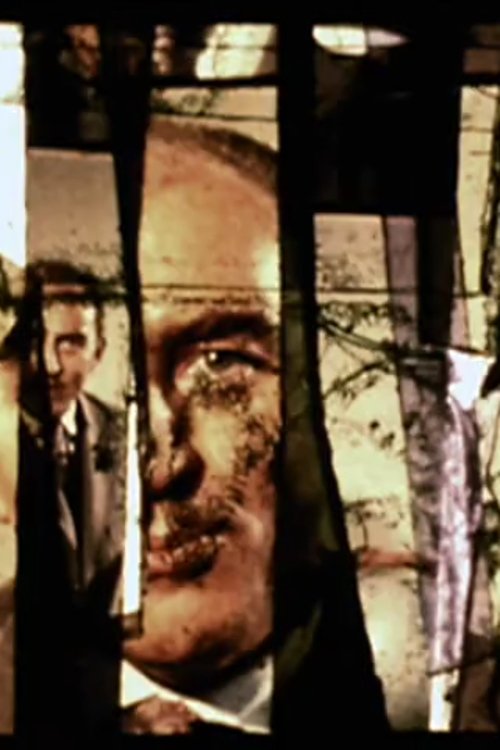
1999, 16mm, 01'30", color, silent, France
Fils d’Images
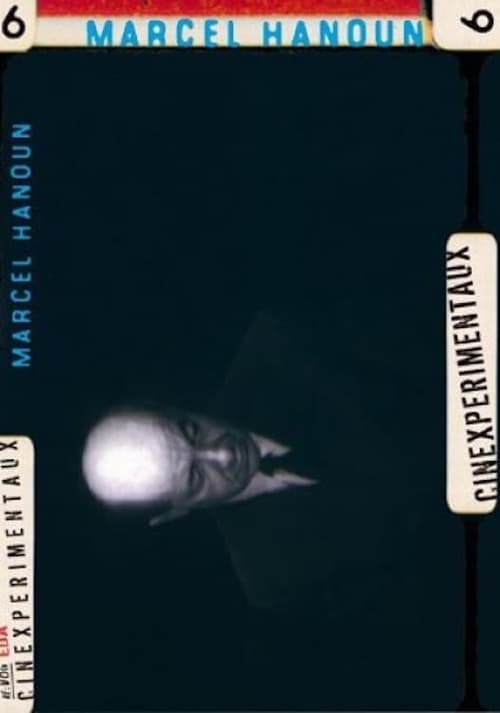
Marcel Hanoun, one of the most innovative of filmmakers, gives us what he names "a lesson in cinema." Frederique Devaux and Michel Amarger filmed this piece at his country house, composing an abundantly rich portrait. Film clips and sparks of theoretic bravura testify to the feverish creativity and the drunken agitation behind which lurks the ever-composed voice of the filmmaker.