Acting
No description available.
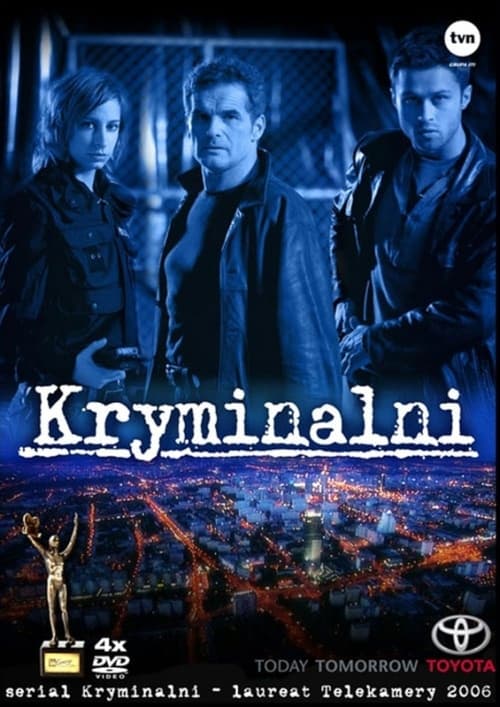
Kryminalni was a Polish crime drama television series that aired on TVN network from September 18, 2004 until May 24, 2008. It ran for 8 seasons and 101 episodes were broadcast in total. It was created by Polish director and screenwriter Piotr Wereśniak and produced by MTL Maxfilm studio. The series followed life and work of police officers from the elite Criminal Terror and Murders Division of the Warsaw Metropolitan Police; the title refers to police officers in the crime section. The three main characters were Adam Zawada, an experienced, tough cup, his younger colleague Marek Brodecki and Barbara Storosz, an ambitious female officer who in the first season joins the team just after graduating. Although none of the main actors had had star status before the series debuted, all three of them rose to prominence and popularity during the 5-year-long run. Many of Poland's best known actors guest starred, usually playing roles of people involved in just one particular investigation. The serial was one of the most popular in Poland: each week it had an audience of 4 million.
A small-town policewoman is chasing a vicious serial killer; at stake is first a country girl's life, and then her own life.
An online community of amateur sleuths use technology to solve crimes -- and make quirky friends -- in their quest for justice.
The series follows the chairman of the ruling political party in Poland (Mr Chairman). The narrative takes place primarily in his office where, joined by his assistant Mariusz, he hosts numerous visitors, including government officials and other public office holders.
The successful judge Alicja Mazur, who is known for her strictness towards criminals. The woman is unexpectedly accused of a murder she did not commit.
Three-year-old Nikola Szlezyngier disappears in unexplained circumstances and her parents Angelika and Dawid are the main suspects. Angelika contacts an old friend Joanna Chylka, a brilliant, cynical and successful lawyer to help. With her new apprentice Kordian, Joanna will try to bring the case to a happy close.
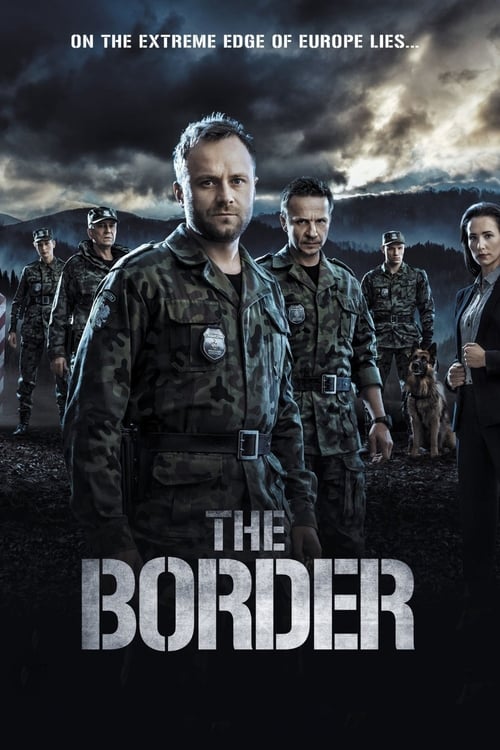
After a bombing attack at the Poland–Ukraine border which killed his friends from the Border Guard, Captain Wiktor Rebrow tries to unravel the mystery and figure out what happened and who is behind it all.
Dawid is an ordinary boy who builds a legal drug empire and becomes an overnight millionaire. Sudden fame, beautiful women, fast cars, endless partying, confrontations with gangsters, and dealings at the highest levels of power—this is his new world, where the line between legal and illegal is as thin as the line in a mirror. When an ethical cop arrives, everything is at stake. Will Dawid be able to stop him before it's too late? Will love save him from ultimate collapse?
On the day of the wedding of a medical student with a wealthy plastic surgeon, the families of the young couple realize that the only thing they have in common are secrets and lies. The secrets of both sides will be revealed during the wedding ceremony.
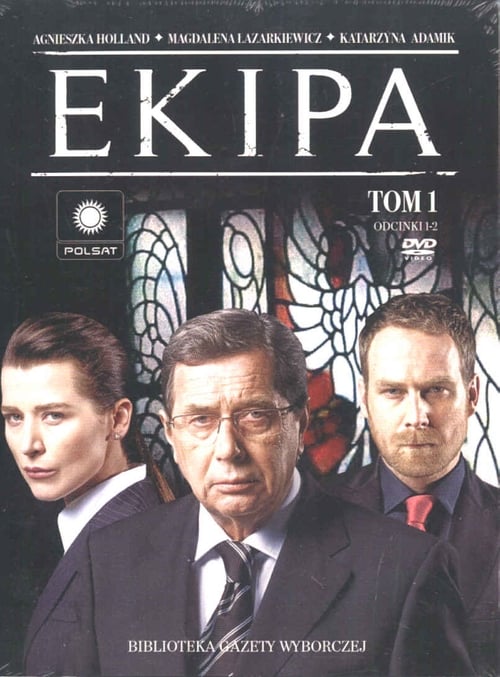
Ekipa is a Polish political drama TV series created and directed by Agnieszka Holland, aired from 13 September 2007 until 6 December 2007 on Polsat. Ekipa is the second Polish political fiction series after the 1980s miniseries The Career of Nicodemus Dyzma.
Not satisfied with the result of a murder investigation in Warsaw's gay community, an officer in 1980s communist Poland resolves to uncover the truth.
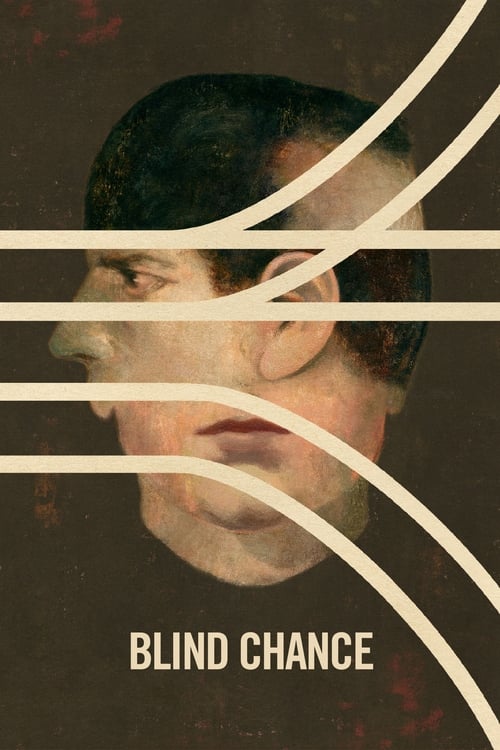
Witek runs after a train. Three variations follow on how such a seemingly banal incident could influence the rest of Witek's life.
Mateusz is an intelligent, romantic young man tragically trapped inside his own body, suffering from severe cerebral palsy that makes speech and controlled movement nearly impossible. Born into a loving family, Mateusz’s protected world is shattered when circumstances place him in an institution where he is misunderstood and mistreated. Featuring an astonishing, virtuoso lead performance, Life Feels Good beautifully recounts the true story of one man’s extraordinary efforts to endure in the face of impossible odds.
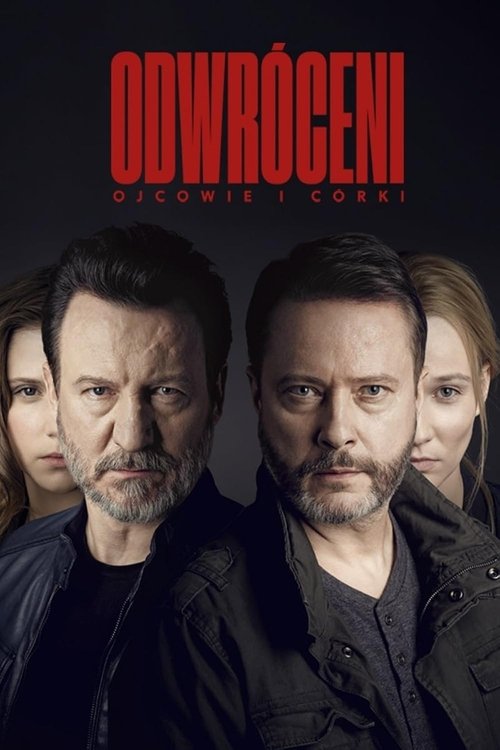
A retired policeman and a former criminal must face their past when their daughters' lives are suddenly put at risk in this gangster thriller shining a light on the dark and dangerous activities of the Warsaw Mafia.