Directing
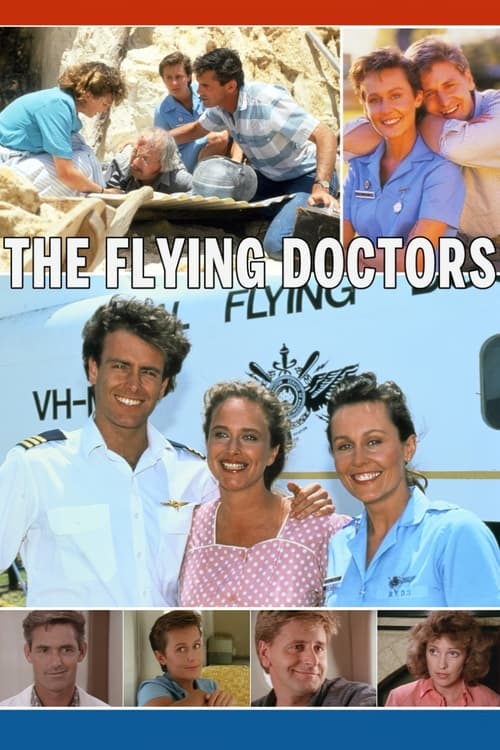
The Flying Doctors is an Australian drama series produced by Crawford Productions that revolved around the everyday lifesaving efforts of the real Royal Flying Doctor Service of Australia. It was initially a 1985 mini-series based in the fictional outback town of Cooper's Crossing starring Andrew McFarlane as the newly arrived Dr. Tom Callaghan. The success of the mini series led to its return the following year as an on-going series with McFarlane being joined by a new doctor, Chris Randall, played by Liz Burch. McFarlane left during the first season and actor Robert Grubb came in as new doctor Geoff Standish. The series' episodes were mostly self-contained but also featured ongoing storylines, such as Dr. Standish's romance with Sister Kate Wellings. Other major characters included pilot Sam Patterson, mechanic Emma Plimpton, local policeman Sgt. Jack Carruthers and Vic and Nancy Buckley, who ran the local pub/hotel, The Majestic. Andrew McFarlane also later returned to the series, resuming his role as Dr. Callaghan. The popular series ran for nine seasons and was successfully screened internationally.
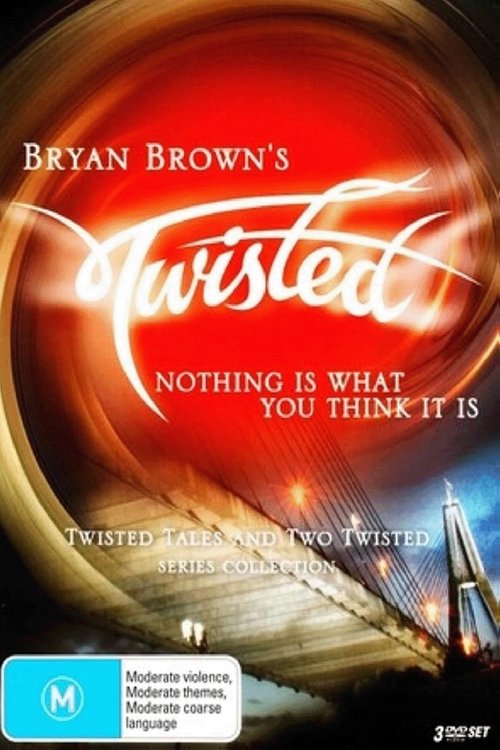
Stories of the bizarre and the supernatural, as introduced by Bryan Brown. Sometimes serious, often comical, but always with a twist at the end of the story.
Based on the true story of fiery, tempestuous actress, Olive Bodill. Soon after Olive and her actor/writer husband, Tony, celebrate their 16th wedding anniversary Olive discovers that she has a malignant breast cancer. Once so strong and independent, Olive now becomes dependent on Tony who himself relies so much on her energy and decisiveness. But with his help Olive confronts her death, and in what has been a marriage of opposites, with all the attendant difficulties, the partners are fused finally in a bond of love.
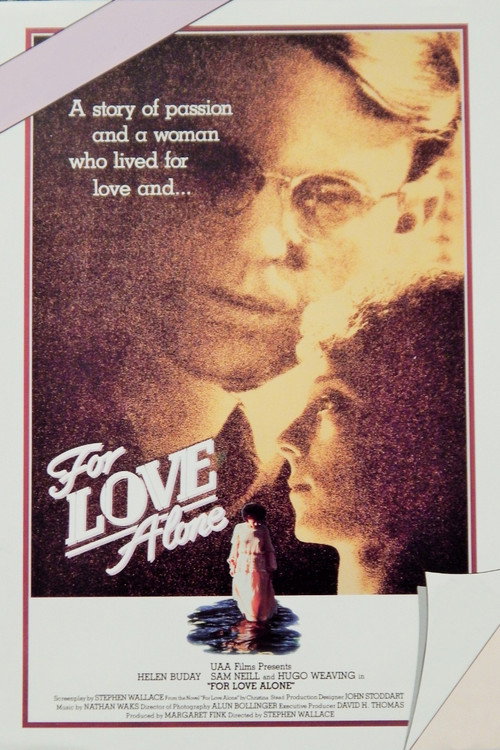
Teresa is a spirited young girl chafing under the oppressive attitudes of 1930s society, and her father in particular. She fancies her poverty-stricken Latin tutor Johnathan Crow, without realising he merely considers her a pleasant diversion and nothing more, and eventually follows him from Sydney to London. En route she meets the gentle banker James Quick. Whilst navigating her relationships in London, including with a political poet bound for the Spanish Civil War, she experiences a transformation in her understanding of love. Based upon Christina Stead's best-selling Australian novel.
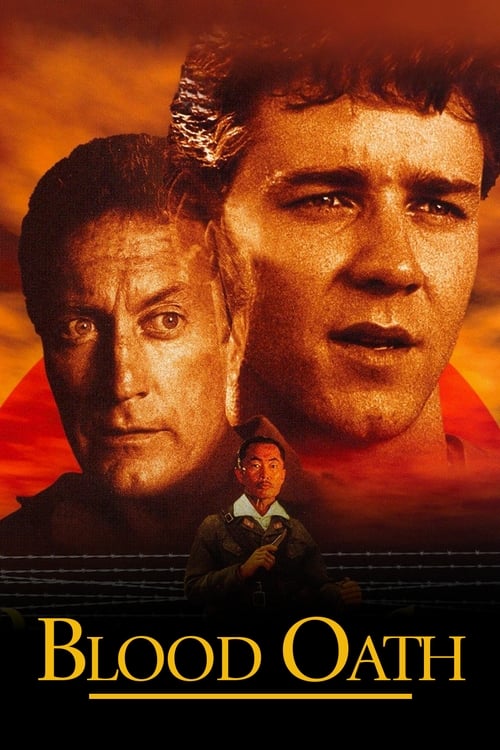
On an obscure Pacific Island just north of Australia, the Japanese Empire has operated a prisoner of war camp for Australian soldiers. At the close of World War II, the liberated POWs tell a gruesome tale of mass executions of over eight hundred persons as well as torture style killings of downed Australian airmen. In an attempt to bring those responsible to justice, the Australian Army establishes a War Crimes Tribunal to pass judgement on the Japanese men and officers who ran the Ambon camp. In an added twist, a high ranking Japanese admiral is implicated, and politics become involoved with justice as American authorities in Japan lobby for the Admiral's release. Written by Anthony Hughes
Follows the lives and struggles of four generations Australian Aboriginal women from the 1820s to the 1980s.
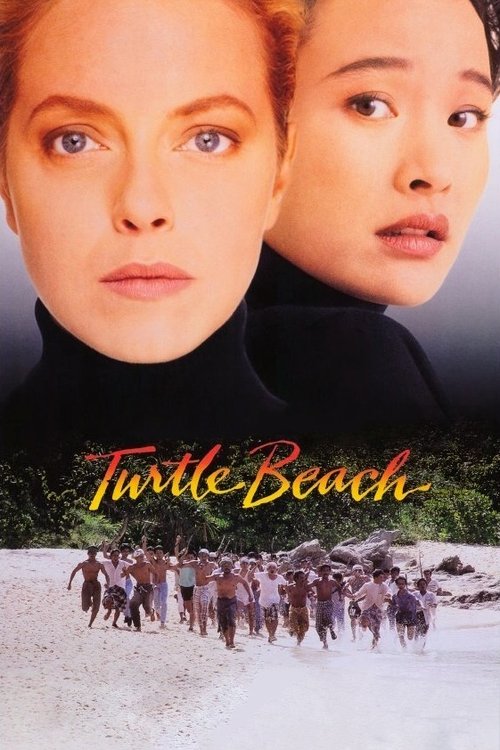
Reporter Judith Wilkes leaves her husband and two sons in Sydney and goes to Malaysia to cover the story of the Vietnamese boat people. She becomes romantically involved with Kanan, and strikes up a friendship with Lady Minou Hobday, who keeps a regular vigil at "Turtle Beach" where the refugees try to secretly land, in the hope that one day her own children will arrive. Accompanying Minou one night, Judith witnesses a brutal massacre by the Malaysians, which spurs her on to expose the horrors of the internment camps at Bidong.
Based on the True Story about the 'Care & Rehabilitation situation of the residents of 'Leumeah'in Australia and the case put forward and action that the residents took towards the media amongst other things to get attention brought to their cause in 1973.
A woman from Manilla moves to a NSW country town to marry a typical Australian man, we then experience culture shock from both sides.
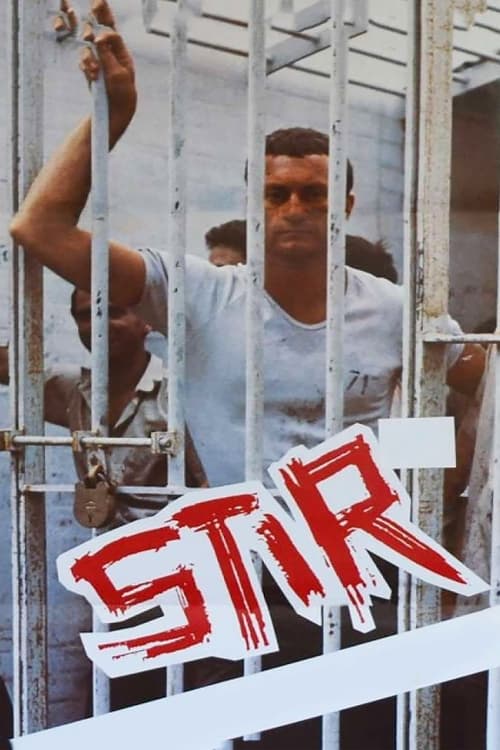
Filmed in the Clare Valley, Gladstone and the Flinders Ranges in South Australia, this prison movie was inspired by the true life prison riot at Bathurst Jail in 1974 and its subsequent Royal Commission into New South Wales Prisons.
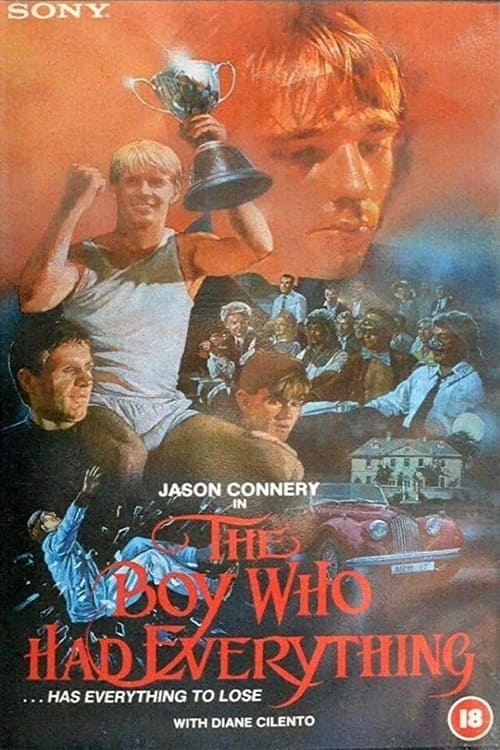
In '60's-era Australia, a college freshman must navigate freshman hazing, a distant mother, and a shaky relationship with his girlfriend.
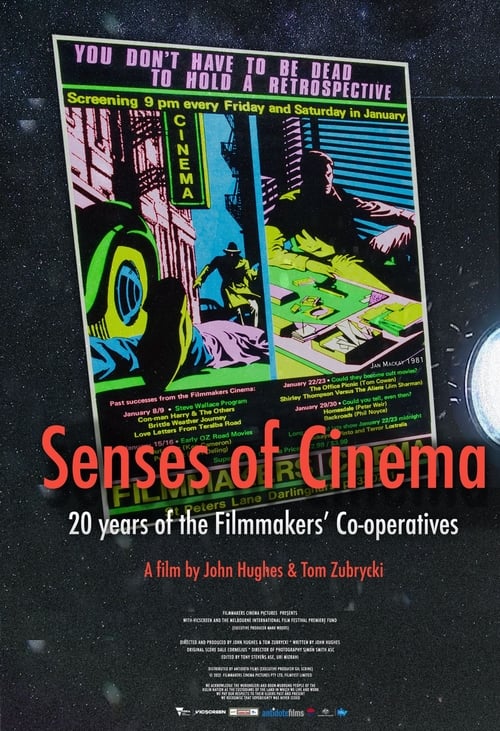
As notions of civil rights transformed across the world, so was the screen landscape reformed by the ascension of grassroots film movements seeking to challenge the mainstream. Some aspired to push form to its limit; others worked to destabilise what they saw as a homogenous industry, or to provoke questions around gender, sexuality, migration and race.
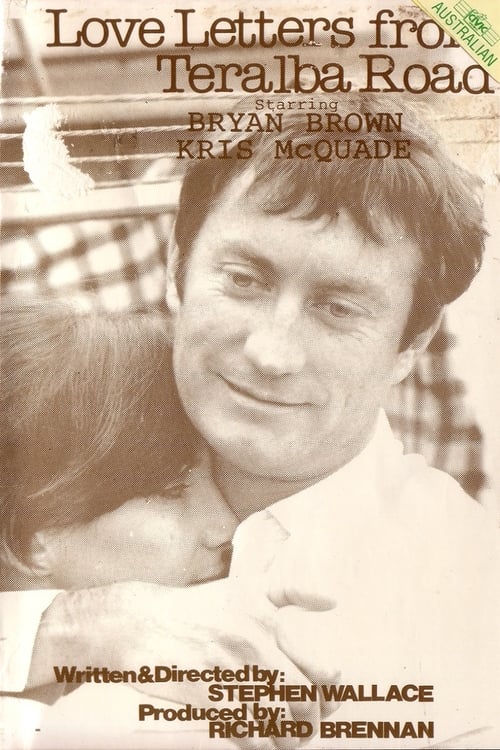
A violent man (Bryan Brown), who ostensibly has a slight mental illness due to fillings in his teeth, continues to write letters to his estranged girlfriend, Kris McQuade. She sees that he expresses himself more dearly in his letters and he is still quick tempered when they try to rekindle their relationship.
A young hang glider crash lands into the year 2457 where he finds himself embarking on a dangerous mission to help an ailing colony.