Camera
Tatort is a long-running German/Austrian/Swiss crime television series set in various parts of these countries. The show is broadcast on the channels of ARD in Germany, ORF in Austria and SF1 in Switzerland.
Polizeiruf 110 is a long-running German language detective television series. The first episode was broadcast 27 June 1971 in the German Democratic Republic, and after the dissolution of Fernsehen der DDR the series was picked up by ARD. It was originally created as a counterpart to the West German series Tatort, and quickly became a public favorite.
No description available.
Helen Dorn is an expert Police Commissioner, who’s years of experience have given her killer instinct when it comes to crime. On the department head’s orders, Helen Dorn become involuntary partners with Detective Chief Superintendent Gregor Georgi, with Helen in the role of Georgi’s superior. After initially ruffling some feathers, as Gregor thought he was about to take over a case as head investigator and not confronted with a new superior, the two prove to be a solid pairing: Helen’s famed intuition is matched by Gregor’s rational analysis and precision. But will he be able to unearth her mysterious past?
One house, three apartments and three friendly couples, who have to put their relationships and life concepts to the test. After 20 years of marriage, Anne and Martin are close to separation. Eva and Thomas are freshly in love and want to do everything right. The relationship between Saskia and Kai gets into a crisis when she returns to work and takes care of the daughter.
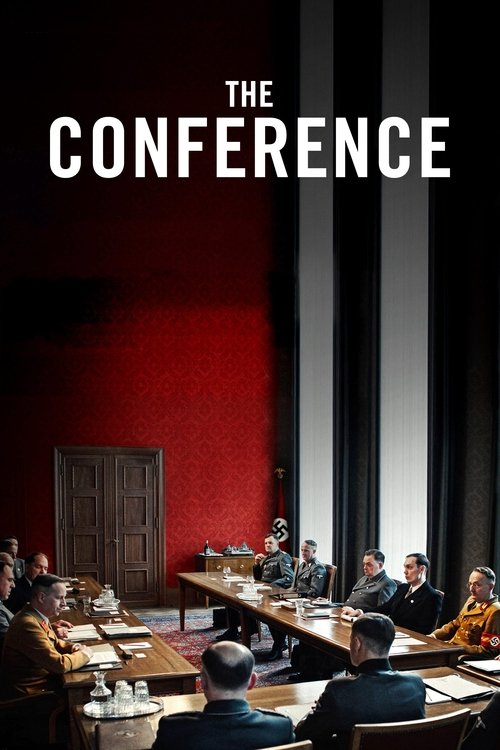
On January 20, 1942, the Wannsee Conference takes place in Berlin, a meeting that had only one item on the agenda: The Final Solution, the organization of the systematic mass murder of eleven million European Jews.
In a small, unnamed European town the entire population depends upon the local, ailing factory. When American investors arrive, prosperity fever infects the residents.
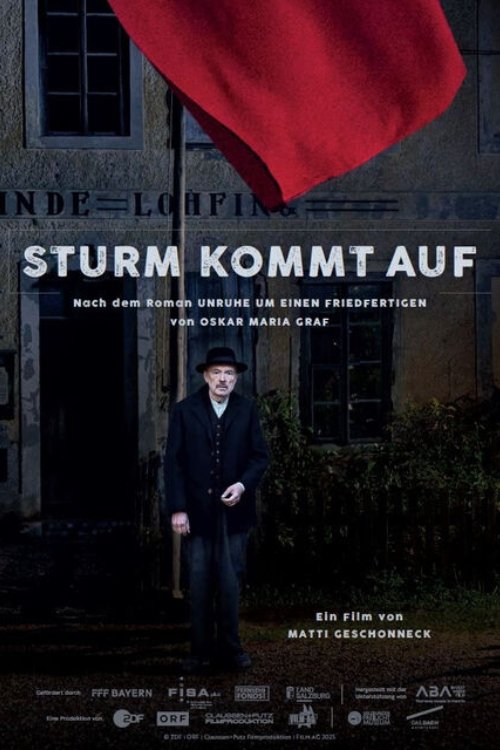
After World War I, political divisions deepen in a village in Upper Bavaria. Julius Kraus, a reclusive cobbler, finds himself caught between the fronts when his Jewish identity is revealed. The two 90-minute feature films are based on the novel "Unruhe um einen Friedfertigen" (Unrest Around a Peaceful Man) by Oskar Maria Graf, a masterpiece of German-language exile literature.
Anja, a student, and Leonhard, a judge, meet at Marlene, his ex-wife, and Paul's house, marry shortly afterwards and have a son, Daniel. However, Anja's desire for love is not fulfilled in their relationship. When she is not careful, Daniel scalds himself and is admitted to hospital. Subsequently, Anja drinks more alcohol and begins an affair with Paul. When Marlene and Leonhard find out, Leonhard files for divorce. After an alcohol poisoning, Anja goes to rehab. During an outing with the therapy group, Anja throws herself out of a window and dies.
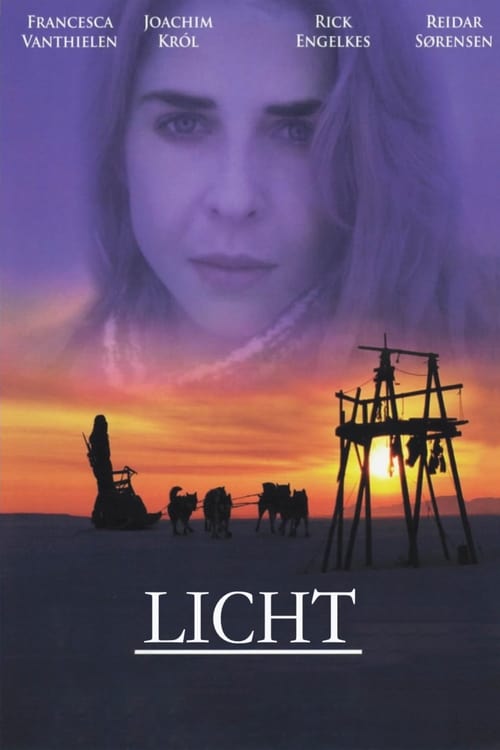
A young woman spends an adventurous winter with a trapper on Spitsbergen.
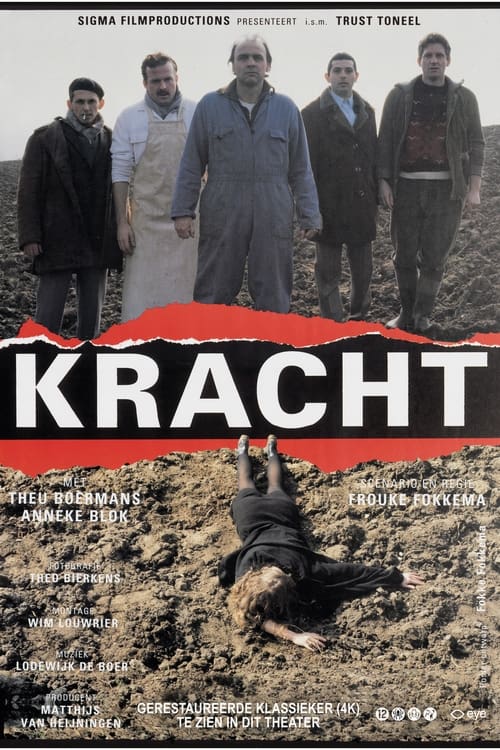
A frustrated artist from the city is seeking solace with a recently widowed farmer. To get closer to the farmer, she does her utmost to approximate his departed wife. But her fertile imagination leads her to go too far.
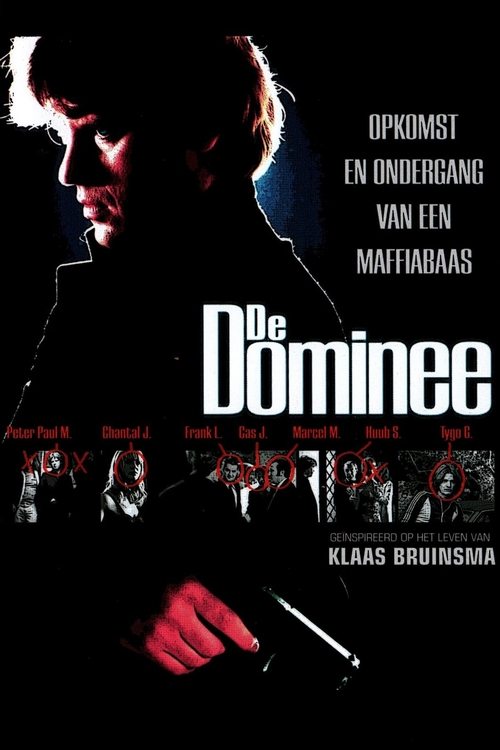
Amsterdam, 1970s. A wealthy grammar school student Klaas and his friend start trafficking hash and become entangled in the brutal criminal scene.
In this fascinating Oscar-nominated documentary, American guitarist Ry Cooder brings together a group of legendary Cuban folk musicians (some in their 90s) to record a Grammy-winning CD in their native city of Havana. The result is a spectacular compilation of concert footage from the group's gigs in Amsterdam and New York City's famed Carnegie Hall, with director Wim Wenders capturing not only the music -- but also the musicians' life stories.
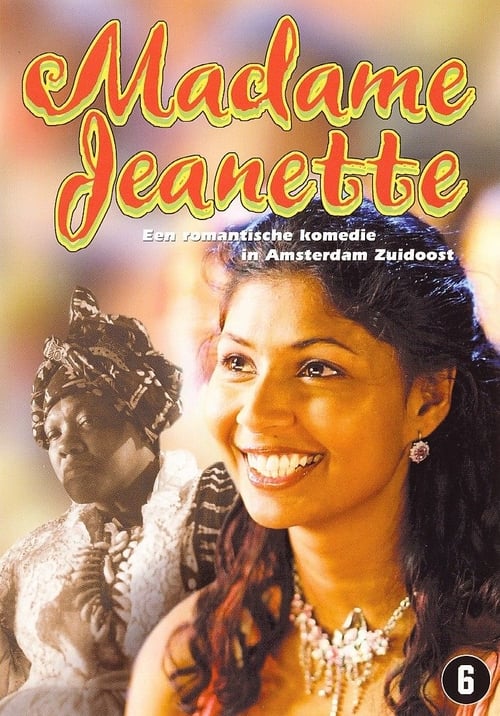
When her husband Ted is put in jail Bibi suddenly needs to provide for herself and decides to contact fortune teller Madame Jeanette.
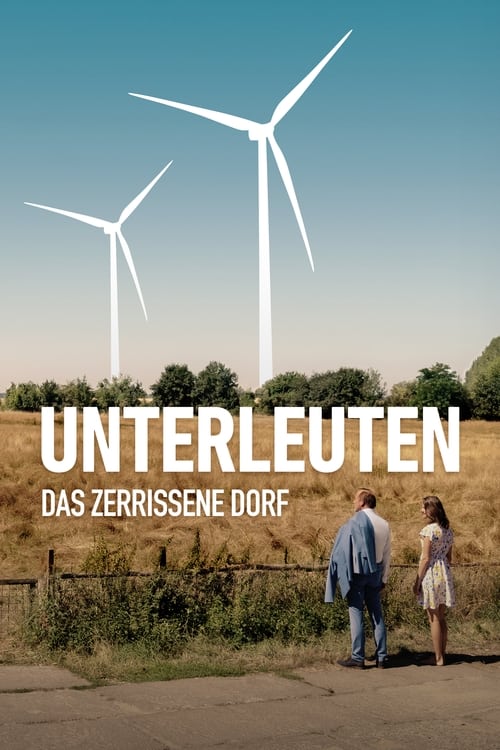
In the middle of untouched nature, surrounded by forests and grain fields of the Brandenburg province, the fictional village of Unterleuten with only 250 inhabitants is located. Thirty years after the fall of the Berlin Wall it seems a peaceful place for both locals and newcomers. But the appearance of rural idyll in eastern Germany is deceptive. There are turnaround winners and turnaround losers, friends and enemies, neighbors eyeing each other with suspicion, gossip, old secrets and hidden conflicts. When the mayor puts forward the proposal to have a company build a wind farm with dozen of wind turbines in order to secure the prosperity and future of the locals, the open fight for the only possible piece of land begins, which unfortunately belongs to three different owners. Everyone sees big money for themselves. Alliances are formed and friends become enemies. In addition, an unscrupulous vulture capitalism investor from southern Germany interferes that causes the glass to overflow.
Albert has always looked up to his aunt Tiny: this beautiful woman from Brabant can make any man’s heart skip a beat. Through Albert’s eyes Tiny’s life seems quite exciting. But why is she so furious at everyone and everything? It takes him half a lifetime to discover that his beloved aunt’s existence is a lot more complex than he had ever thought.
Prostitute Dolly co-finances the purchase of a Vermeer painting with art expert Eddy Cremer. When they find out the painting is fake, she returns to the red light district, where conditions have worsened over time.
In a near future the world is split into two categories, the supporters of law and order on the one hand and the rebels on the other. Chico, a biker, who is to be conscripted into the army, is part of the second group. He soon runs away from a military hospital and, thanks to the help of a gang of motorcyclists, helps his friends to escape from prison. A violent confrontation with police forces ensues.
To find out the truth about her sister's death, lawyer Julia returns to her home village in the foothills of the Alps, where the gruesome murder took place eight years ago. A mysterious email she receives opens up old wounds and makes her doubt whether the police convicted the right person back then. Step by step, she delves deeper into a web of lies and half-truths, putting herself in danger in the process. Julia wants to confront the past and find her sister's real murderer. She seeks contact with Inspector Maurer, who once led the investigation. The taciturn investigator is now suspended from duty and seems to know more than he is letting on. The behavior of psychologist Lisa Poldack, who has been treating the recently deceased perpetrator since his confession, is also puzzling.
In 1534, the legendary Jan van Leyden, an Anabaptist, preaches in Münster, causing Catholics and Protestants alike to defect in droves—especially women. This leads to a bloody power struggle between the Anabaptists, the Church, the nobility, and the citizens, which ends in a long siege of Münster by the prince-bishop Franz von Waldeck.