Camera
Les Allemands ont colonisé la Namibie, en Afrique australe, pendant une brève période, de 1840 à la fin de la Première Guerre mondiale. L'histoire de ce que l'on appelle le Sud-Ouest africain allemand (1884-1915) est hideuse ; un récit caché et réduit au silence de pillage et de génocide.
Le retour de la chanteuse Fatoumata Diawara au Mali après des années d'exil : une balade émouvante et endiablée dans un pays menacé par la charia.
Une fascinante exploration historique et scientifique de la relation entre l’Homme et la Lune. En résumé, la Lune est le fruit d’une collision entre la Terre et un autre corps céleste, c'est elle qui orchestre le mouvement des marées et, pour finir, certains parlent d'elle comme du futur « nouveau continent » de la Terre...
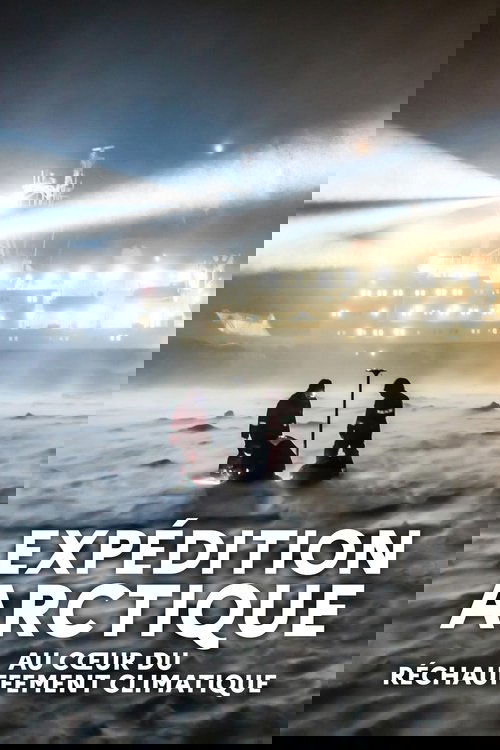
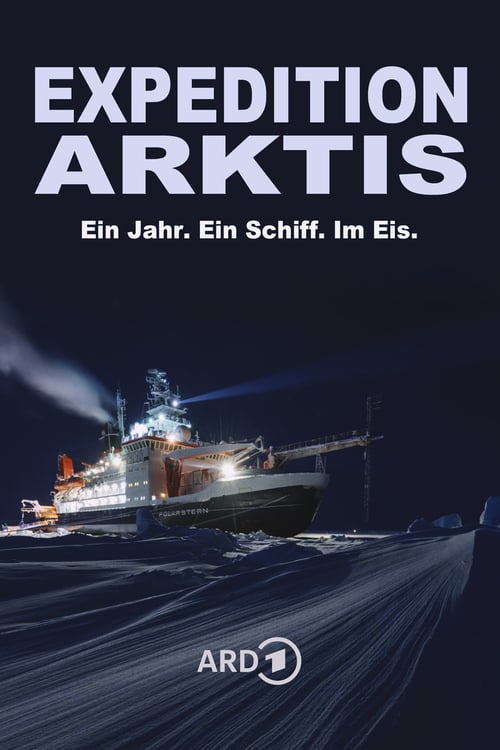
Le Polarstern, un brise-glace de recherche allemand, prend la direction du Pôle Nord dans le cadre d'une expédition scientifique internationale sans précédent. D'un budget de 140 millions d'euros, avec 20 pays engagés et 70 instituts de recherche, ce sont au total 300 personnes qui cherchent à comprendre l'impact de l'homme sur la planète.
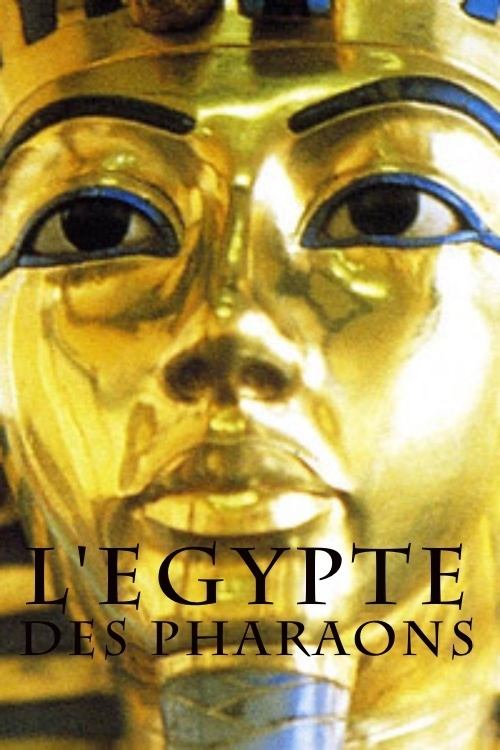
Vers 3000 avant J.-C., le roi Narmer termine l’unification de l’Égypte, et devient le premier pharaon de droit divin. Premier État de l’histoire, l'Égypte verra trente et une dynasties se succéder à sa tête. Le rôle du pharaon est de préserver l’unité du royaume et de défendre ses frontières. Ainsi, Thoutmosis III (1479-1425 avant J.-C.) mène à bien des expéditions vers les îles grecques, la Nubie, la Palestine, la Phénicie, la Mésopotamie et l’Asie Mineure. L’Égypte s’étend bientôt du Soudan aux rives de l’Euphrate. S’ensuivent quatre siècles de paix : les vaincus sont épargnés s’ils font serment de ne pas se rebeller contre le pharaon, de lui payer tribut et d’éduquer leurs enfants en Égypte, d’où ils reviennent ensuite en vassaux fidèles. Il peut ainsi, en toute sérénité, agrandir le temple d’Amon-Rê à Karnak : il y célèbre ses victoires dans des "Annales" et fait graver sur les murs des représentations d’animaux et de plantes exotiques qu’il a rapportées de ses campagnes…
Le 27 février 2015, l'opposant russe Boris Nemtsov est assassiné. Réalisé l'année suivante, ce documentaire éclaire notamment le rôle de l’armée et des services secrets russes dans ce meurtre.
Aucune description disponible.
L'invasion de l’Ukraine par la Russie a brutalement mis en évidence les dangers que représentent la dépendance des pays européens aux importations de gaz russe. Une enquête dans les coulisses de Gazprom, qui fut, jusqu'aux sanctions internationales, le premier fournisseur de gaz de l'Union européenne.
Depuis longtemps, l’Afrique est considérée comme le berceau de l’humanité. Mais depuis l'exhumation, en 1949, d'une mandibule trouvée à Athènes, cette conception est remise en cause par plusieurs découvertes. Si cet indice du commencement de notre histoire évolutive a disparu, une molaire découverte en 2009 en Bulgarie permet de dater l'espèce concernée à 7 millions d'années avant notre ère et, plus précisément, à l’époque où la lignée des chimpanzés et celle de l’homme ont divergé. Le berceau de l'humanité serait-il donc européen ?
Narrée avec ferveur à des générations d’écoliers, cette opération militaire fut l'une des plus audacieuses et grandioses de l’histoire. En 218 av. J.-C., le général carthaginois Hannibal Barca traversait les Alpes avec une gigantesque armée et trois douzaines d’éléphants, pour marcher sur la superpuissance que constituait alors Rome. Si le récit de l’exploit est resté dans les annales, le parcours suivi par le chef de guerre, depuis la péninsule ibérique jusqu’en Italie, n’avait jusqu’à présent jamais pu être précisément retracé. Or une équipe de chercheurs – géomorphologues, archéologues et microbiologistes – pensent aujourd’hui pouvoir reconstituer son itinéraire… notamment grâce à l’analyse du crottin de cheval retrouvé sur le versant français du col de la Traversette, à 3 000 mètres d’altitude. Une nouvelle expédition du côté italien, en été 2017, leur a permis d’étayer cette thèse inédite.
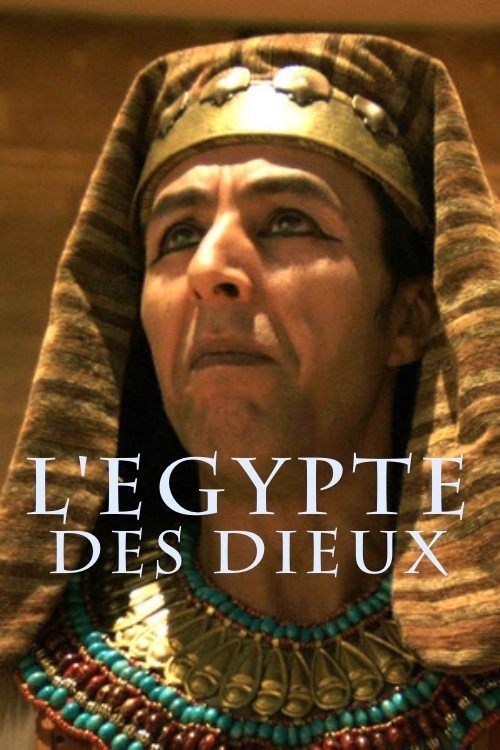
Monté sur le trône vers 1350 avant J.-C., Amenhotep IV fait édifier à Karnak un ensemble de monuments dédié non plus à Amon, mais à Aton. Cinq ans plus tard, il rompt avec Thèbes et le clergé d’Amon, installe une nouvelle capitale en Moyenne-Égypte et prend le nom d’Akhenaton. Il récuse les dieux précédents et instaure le culte d’Aton, parfois considéré comme la première expression du monothéisme. Il opère aussi une révolution culturelle en imposant un style de représentation à la fois naturaliste et baroque. Mais son successeur Toutankhamon ordonne le retour à Thèbes et à l’ordre religieux ancien. Puis, Ramsès II, mort en 1213 avant J.-C., met à profit son long règne pour mener plusieurs guerres et construire de nombreux monuments. Les plus célèbres sont les temples d’Abou-Simbel. Il se préoccupe très tôt de son futur tombeau dans la Vallée des Rois. Le" Livre des morts" constitue un document précieux pour comprendre les rapports que les Égyptiens entretenaient avec leurs dieux.
S’il a eu le mérite d’assurer la sécurité alimentaire et de faire chuter les prix des denrées, le système agro-industriel a révélé l’étendue de ses vicissitudes. Infertilité croissante des sols, pollution des eaux aux nitrates, maladies liées aux pesticides, disparition des insectes et d’innombrables espèces animales... il est urgent de changer de cap pour sortir de l’impasse, en s’engageant pour une agriculture durable et respectueuse de l’environnement.
En 2009, Gerhard Richter ouvre son atelier à la réalisatrice qui filme la naissance d'une série de toiles abstraites de grand format à dominantes jaune, rouge et bleue. Un témoignage sur le travail éminemment physique fourni par cet artiste contemporain parmi les plus cotés.
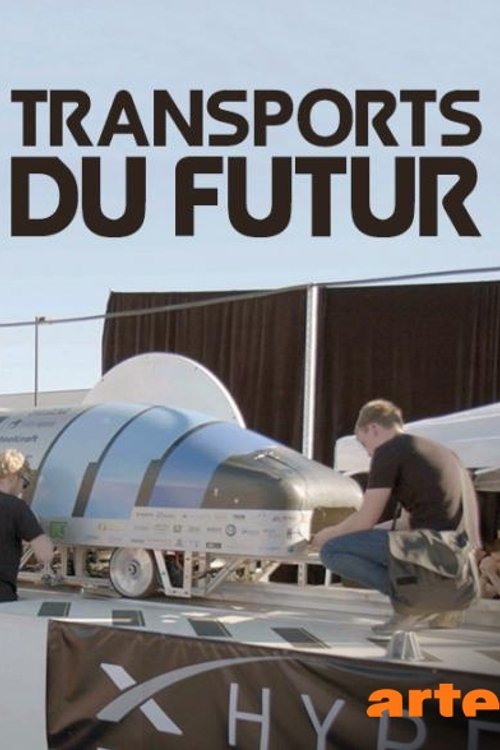
Pourra-t-on un jour relier Paris à Berlin en moins d’une heure ? À Los Angeles, un nouveau concept pourrait bien booster les voyages de longue distance : l’Hyperloop, une navette sous forme de capsule circulant dans un tube à vide, capable d’atteindre des pics à 1 200 km/h – la vitesse du son. Sortie de la tête du milliardaire Elon Musk, cette idée un peu folle fait l’objet d’un concours industriel international qui vise à la concrétiser. Une équipe composée d’étudiants de l’université technique de Munich planche déjà sur le projet, bien décidée à apporter sa pierre à la mobilité de demain. Mais certains facteurs pourraient ralentir cette course au progrès : alors que les déplacements ne vont cesser de se multiplier à moyen et long termes, les routes et les voies ferrées sont d'ores et déjà saturées. Les ressources disponibles et les infrastructures existantes ne suffisent plus pour accompagner cette évolution.