João Diogo
Sound
Known For

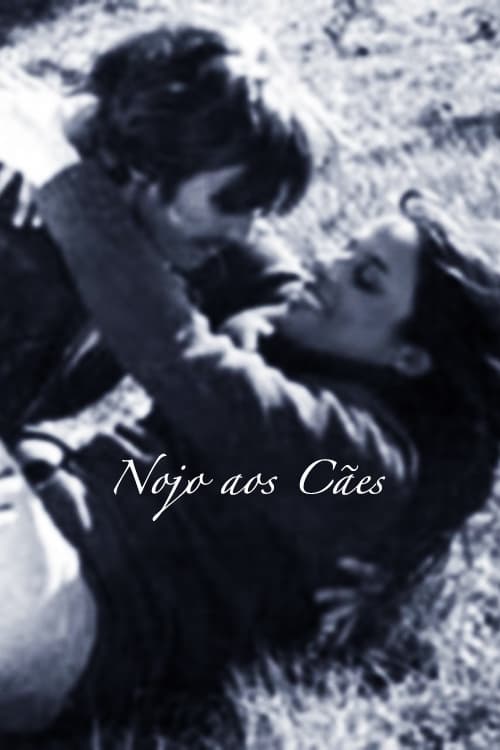
A story about doomed love between two people from different worlds and the impact in their lives. Based on the novel of the same name by Portuguese writer Camilo Castelo Branco.
Doomed Love

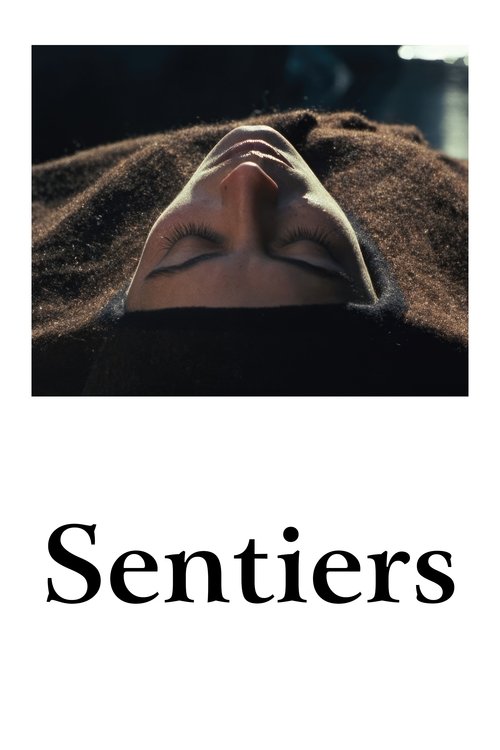
Parallel tales of young couples desperately escaping cruel false fathers, each couple on the run across different regions of the country and during increasingly contemporary time periods.
Paths

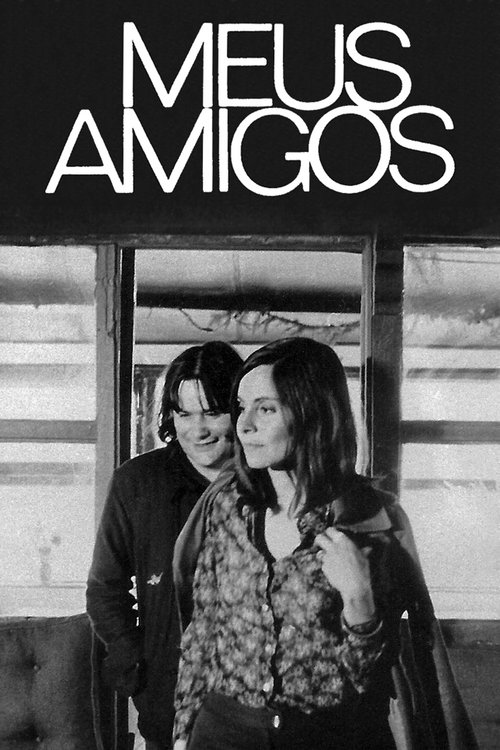
Filmed just before the Carnation Revolution of 1974. Dark portrait of a group of friends who used to be colleagues at the University in 1962. Ten years later, they have lost all their ideals. With Lisbon on the background they discuss politics, love, culture; each of them has reached a deadlock. The camera remains still while it registers the dissolution of their dreams.
Meus Amigos

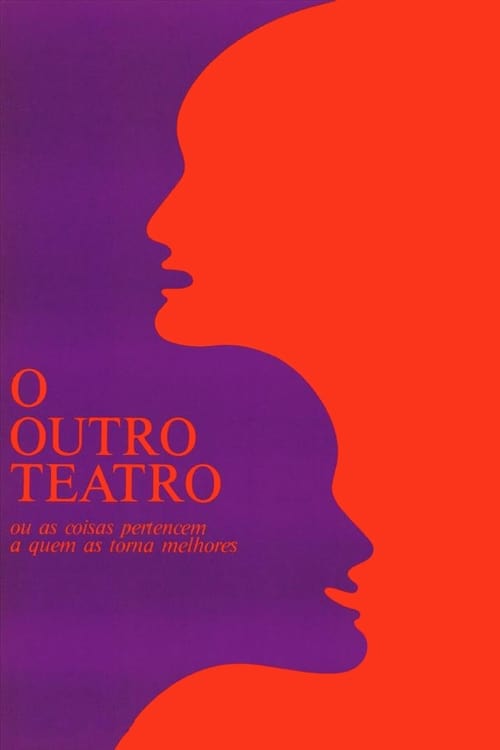
O Outro Teatro proposes a look at the independent theater manifestations that came in the wake of the pioneering gestures of Teatro Experimental do Porto.
O Outro Teatro ou As Coisas Pertencem a Quem as Torna Melhores

Maria works in a German umbrella factory as the foreman of the production sector. João Lucas has given up on living a normal life and practically lives in bed, in the midst of green plants. His father expressly desired that his son film this eccentric daily life in 8 mm format. Maria’s wages are dilapidated to the last penny by this amateur, monstrous, family movie production.
Fragments of an Alms-Film

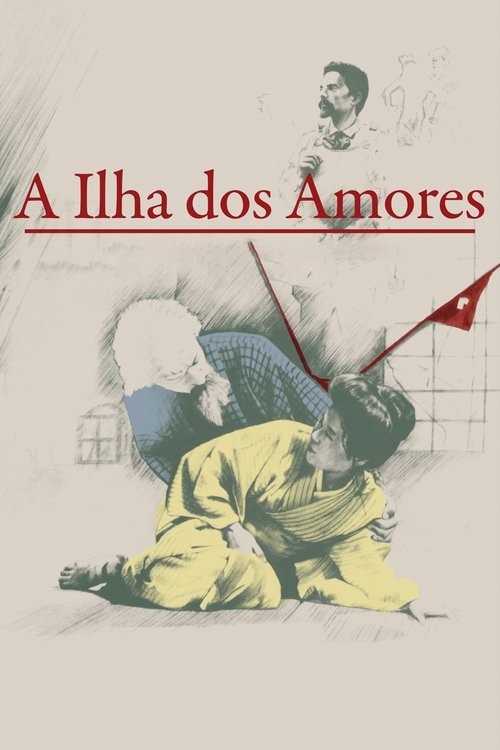
This film depicts the life of the 19th-century Portuguese writer Wenceslau De Moraes by means of nine ancient ballads from China. The writer married a Chinese woman after he left his wife and family to go live in Macao. Later, he moved to Japan where he fell in love with a Japanese woman, staying in Japan for the rest of his life. Mixed in with the career and loves of Moraes is the history of Portugal at home and in its colonies.
Island of Loves

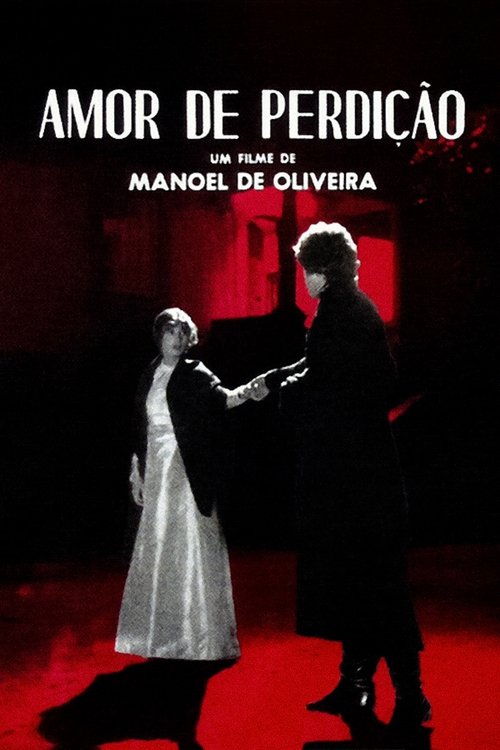
A story about doomed love between two people from different worlds and the impact in their lives.
Doomed Love

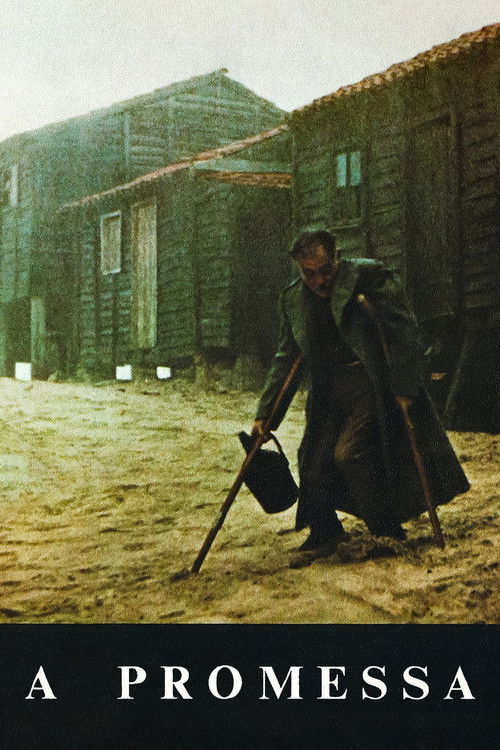
José and Maria, a young, devout couple in a remote Portuguese fishing village, take a vow of chastity on their wedding night to honor a religious pact. Their commitment is pushed to the breaking point when they rescue a mysterious, wounded stranger and bring him into their home. As the outsider’s presence ignites repressed desires and jealousy, the couple's sacred promise leads to a violent confrontation with the local community's superstitions.
The Vow

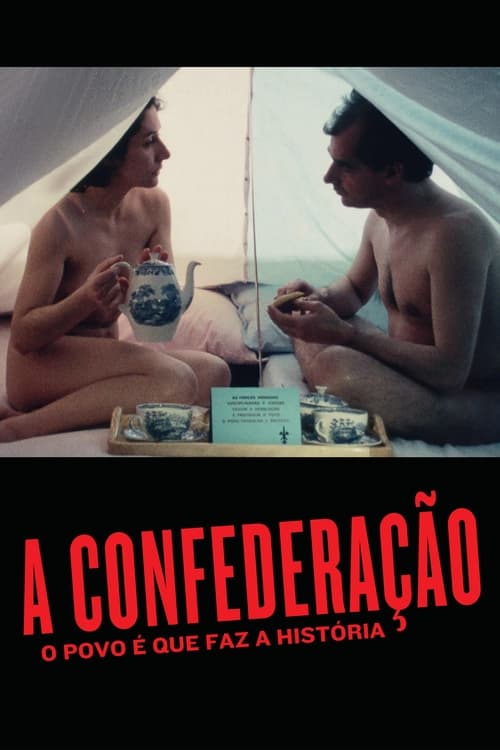
In an imaginary future, Portugal consists of an association of states - North and South - with zones of specific influence. City under vigilance, Lisbon is inhabited by a repressed and militarized population. Maria and António stand out in this city and surrender themselves to a submersive love. 1978
A Confederação: O Povo É Que Faz A História

A young girl, Benilde, so protected by her religious family that she seemingly knows nothing about procreation, insists that her mysterious pregnancy is a miracle; however, her distressed bourgeois family decides that Benilde has lost her mind.
Benilde or the Virgin Mother

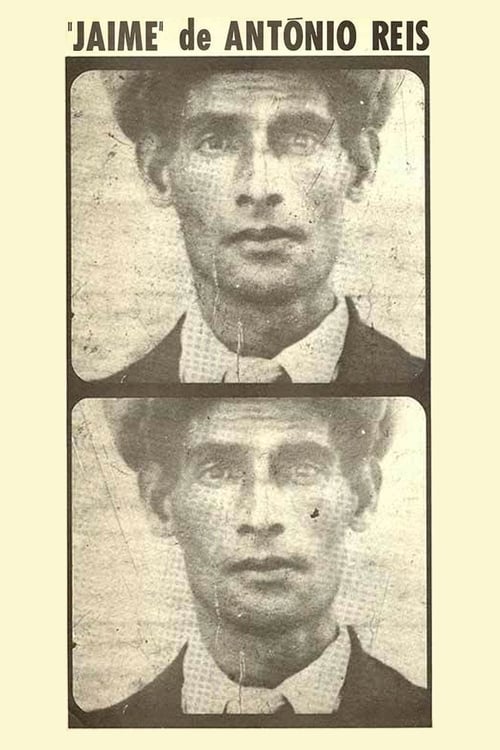
Jaime, a poem of suffering and loneliness, describes the existence and pictorial work of a man isolated in a psychiatric hospital.
Jaime

Reflections on life and death unfold through the eyes of Jorge, the head doctor of the Haematology Department, whose world is plunged into despair when he falls in love with Clarisse, a woman suffering from advanced leukemia.
Sunday Afternoon

A look at the urban society of the seventies. The story of Marta a young and pretty girl, who leaves her husband to search for her true identity. She doesn't quite know what she wants, but at least she knows what she's escaping from. Soon she encounters financial difficulties and finds herself involved with shady characters, a situation that leads to a mysterious murder. The net closes around her.
The Circle

The disastrous attempts of D. Lucas Telmo Midões to achieve in 1981 the independence of the Berlengas islands - lost eight centuries ago, during the conquests of D. Afonso Henriques.
O Rei das Berlengas ou a Independência das Ditas

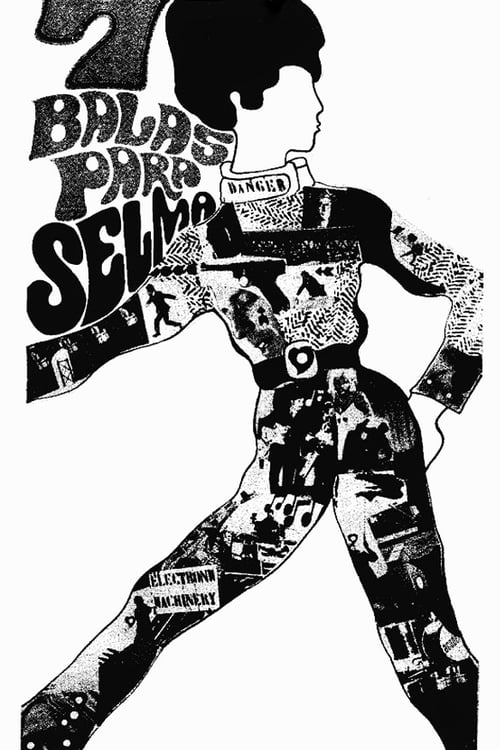
World peace is at stake if a spy-ring obtains the electronic device
Seven Bullets for Selma

By cross-editing footage of Portuguese workers protesting against NATO forces and various movies, Monteiro shows how one 'sword' can confront the army.
What Shall I Do With This Sword?

Maria, a blind girl apparently raped by her stepfather, is held in an isolated and dilapidated hospice, desperately awaiting a miracle by Our Lady of Fátima. Turned over by Angela, her aunt, into the care of Dr. Firmino, an imposing doctor, she will suffer moments of despair, grace, and fear, among beliefs, phantoms, and revelations.
Maria's Hours

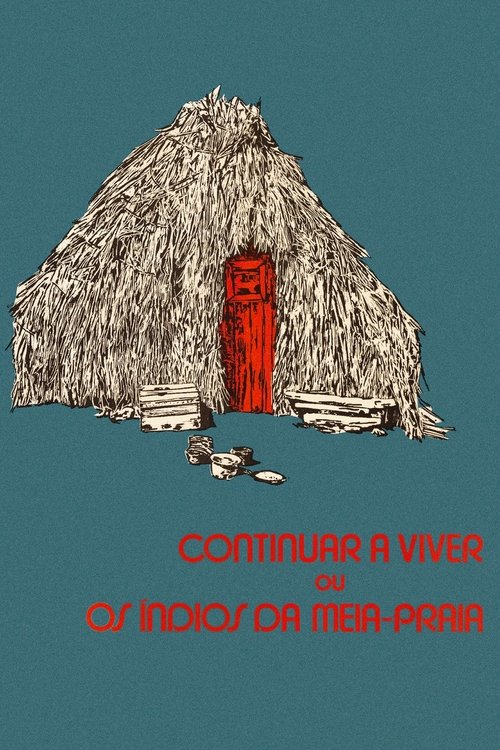
The film documents the start, and difficult progress of a house cooperative in the fishermen's village of Meia Praia, during the revolutionary process in Portugal, from April 25, 1974 until mid-1976.
Continuar a Viver ou Os Índios da Meia-Praia

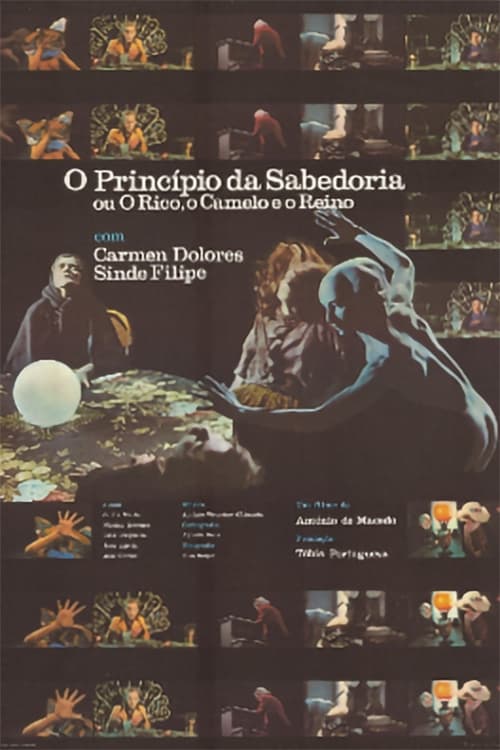
In the gardens of a large village house belonging to a reclusive architect, a hand is found. In a sign placed at the gates of the property, the architect annouces he will return it to whoever proves to be the owner.
O Princípio da Sabedoria

Black and white with color photography is used to tell the story of 12 would be demonstrators waiting for re-enforcements to show them the way. the group spends their time talking about love, religion, sex and the war. The meeting degenerates into a drunken orgy before the police mercifully break up the group and stops the film from continuing. The film was banned in Portugal. - Dan Pavlides, Rovi