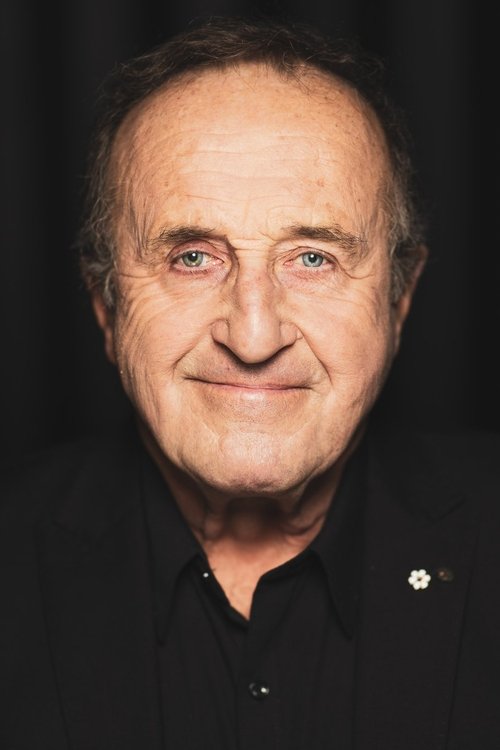
Bernard Derome
Acting
Known For

Host Guy A. Lepage brings together six to eight personalities from different milieus—sports, politics, stage productions and more—that are the subject of everyone’s conversations and/or are important figures in recent events. Participants are invited to speak freely, voicing their opinions on headline news or on a subject that is near and dear to them.
Tout le monde en parle

Each day, Jean-Philippe Wauthier welcomes guests on the show in warm, friendly setting. His interviews focus on their newsworthy achievements but also, and most importantly, on their passions, interests and opinions.
Bonsoir bonsoir!

No description available.
La semaine des 4 Julie
No description available.
Les Enfants de la télé

No description available.
C'est juste de la TV
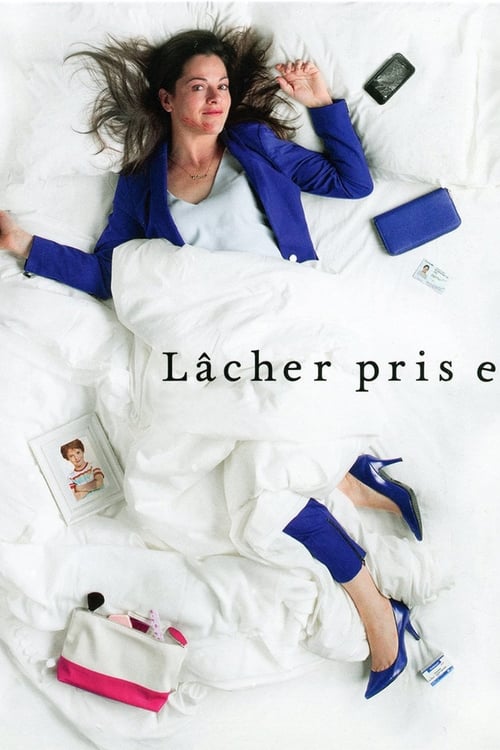
Everyone can have a bad day now and then, but we meet Valerie on a morning that divides her life neatly into before and after. It took one inconsequential setback – a silly thing, really – to cause a slight delay in Valerie’s schedule, resulting in a regrettable distraction, causing an unfortunate incident, which leads her to the police station….. making her miss the single most important event she had on her agenda: The Meeting! That’s when the dam breaks. All that control to build the fragile framework of her life collapses instantly. Valerie gets fired, is obliged to restrain her lifestyle, and now with the shared custody of her son in question, Valerie has to review her priorities and reorganize her life.
Freefall

Two writers whose critically savaged crime show is a surprise hit decide that they need real criminal experiences to spice up their second season.
Série Noire
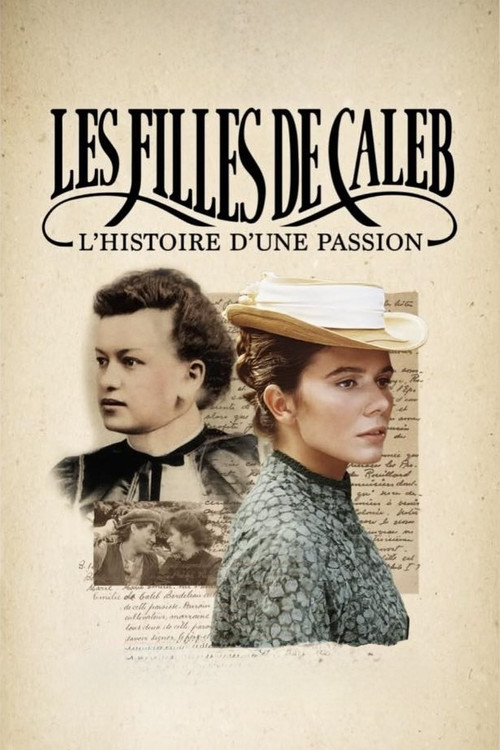
In a brand-new documentary, the actress who portrayed the unforgettable Émilie Bordeleau revisits her memories of filming and analyzes the cultural legacy of this cult saga. By exploring the timeless power of its characters, she testifies to the major impact this work has had on the collective imagination and on the history of Québec television.
Les filles de Caleb: l'histoire d'une passion
No description available.
Crise d'identité
No description available.
Rodolphe Forget, précurseur du Québec inc.
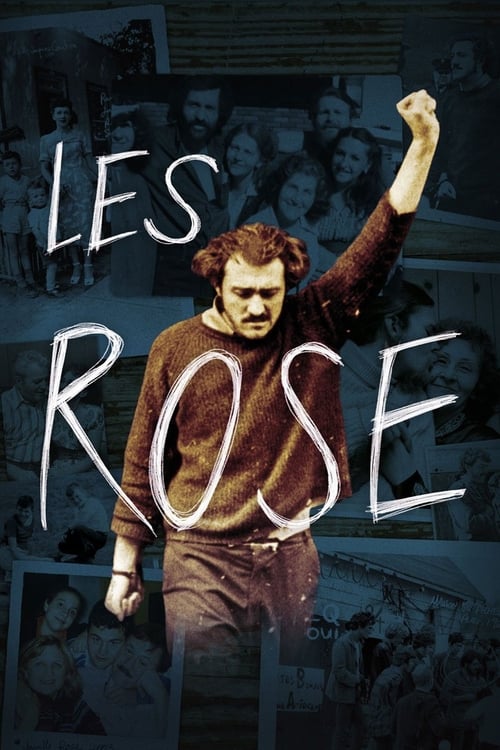
In October 1970, members of the Front de Libération du Québec (FLQ) kidnapped and murdered Minister Pierre Laporte, part of an unprecedented crisis in Quebec. Fifty years later, Félix Rose tries to understand what could have led his father and uncle to commit such crimes. Thanks to his uncle Jacques, who agrees for the first time to speak on the subject, and to the traces left by his father Paul, he revives the heritage of a Quebec working class family. The fruit of ten years of research, Les Rose allows us to revisit a time and people that we knew through clichés, and gives a glimpse of the experiences of a rebellious youth and the crimes that followed.
Les Rose

No description available.
Une identité dans la diversité
This feature-length documentary brings together six of the rare television interviews given by Gilles Groulx between 1966 and 1983. Through these interviews, the filmmaker's ethical and aesthetic concerns are revealed. A striking coherence emerges in his thinking regarding his conception of cinema and the role the filmmaker should play in his culture and society.
Entretien en six temps avec Gilles Groulx
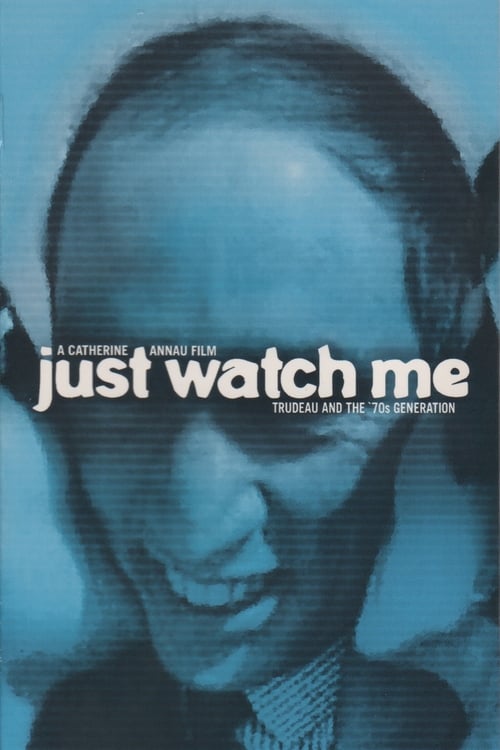
Canadian director Catherine Annau's debut work is a documentary about the legacy of Pierre Trudeau, the long-running Prime Minister of Canada, who governed during the 1970s. The film focuses particularly on Trudeau's goal of creating a thoroughly bilingual nation. Annau interviews eight people in their mid-30s on both sides of the linguistic divide. One tells of her life growing up in a community of hard-core Quebec separatists, while another, a yuppie from Toronto, recalls believing as a child that people in Montreal got drunk and had sex all day long. Annau has all of the interviewees discuss how Trudeau's policies affected their lives and their perceptions of the other side, in this issue that strikes to the heart of Canada's national identity.
Just Watch Me: Trudeau and the 70's Generation
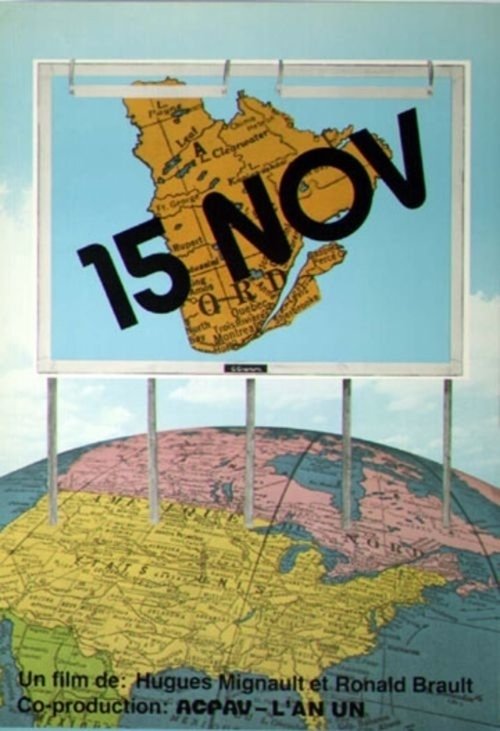
A look at November 15, 1976, the date the Parti Québécois seized power in the provincial elections, a victory that gave rise to an unprecedented outburst of joy at the Center Paul-Sauvé, a place where PQ sympathizers gathered.