Acting
No description available.
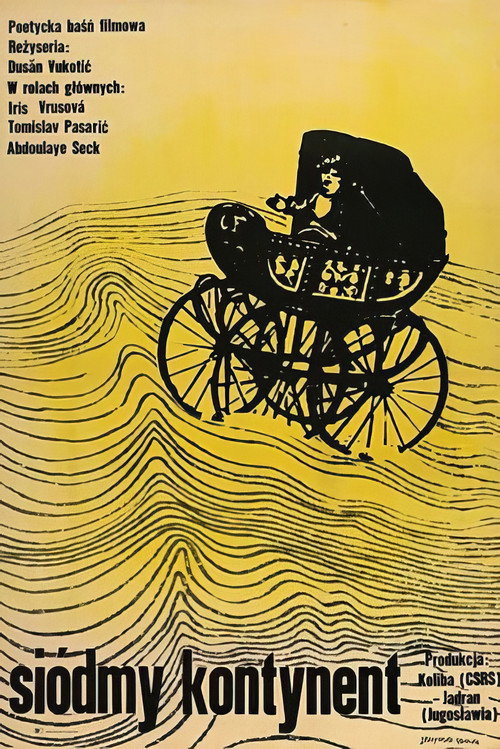
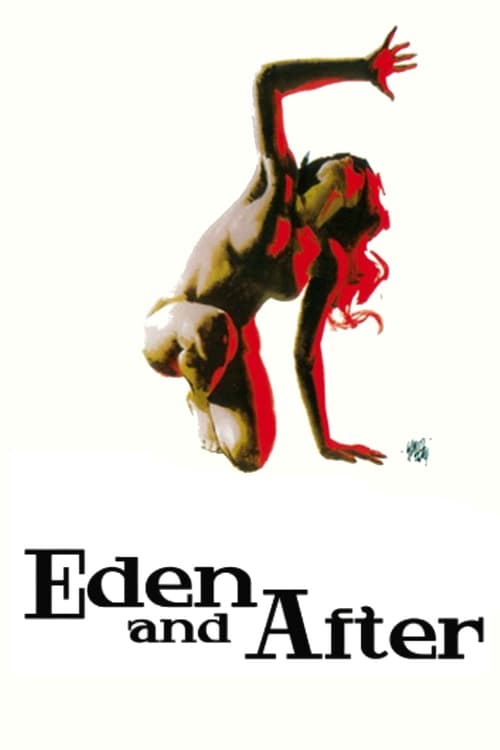
A group of children discover the new continent of the world, uninhabited by adults. Soon, many other children are joining them in that new paradise, leaving their parents and other adults baffled on all remaining continents.
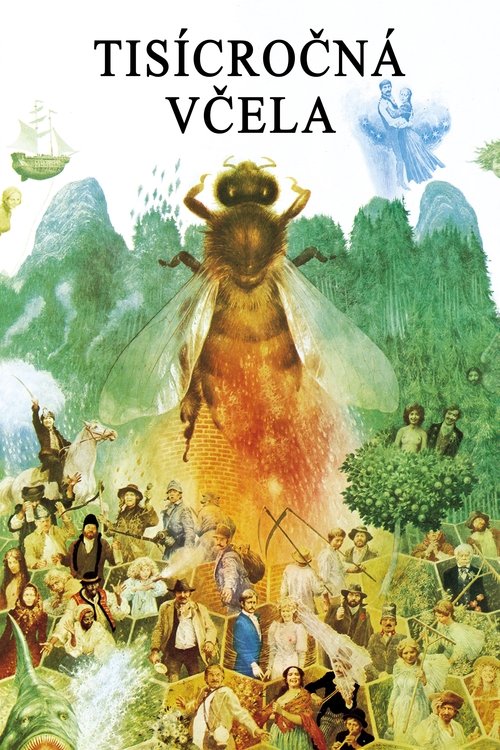
A family saga taking place mostly in a small Slovak village over a period of thirty years (1887–1917). The first part captures the life of Martin Pichandu in the development of his craft, masonry; in the second part, his son is center stage living in a period of socio-political crisis, which ultimately results in the first World War. After originally airing on Czechoslovakian television in 1983 as a four-part 226-minute mini-series, this production received a 163-minute theatrical release in 1984.
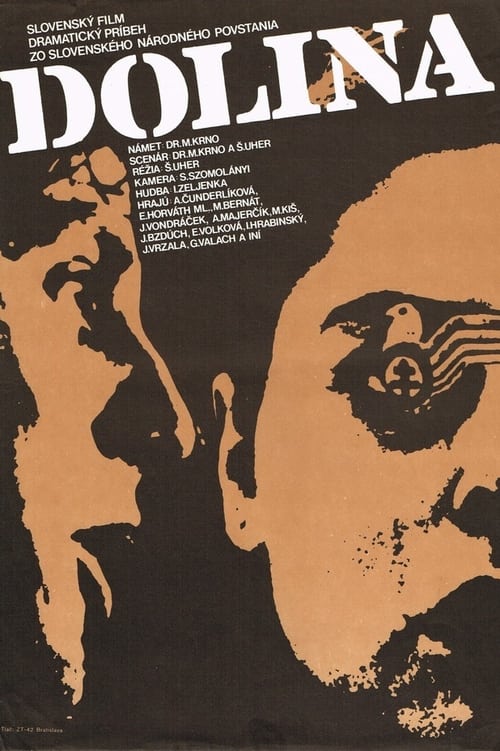
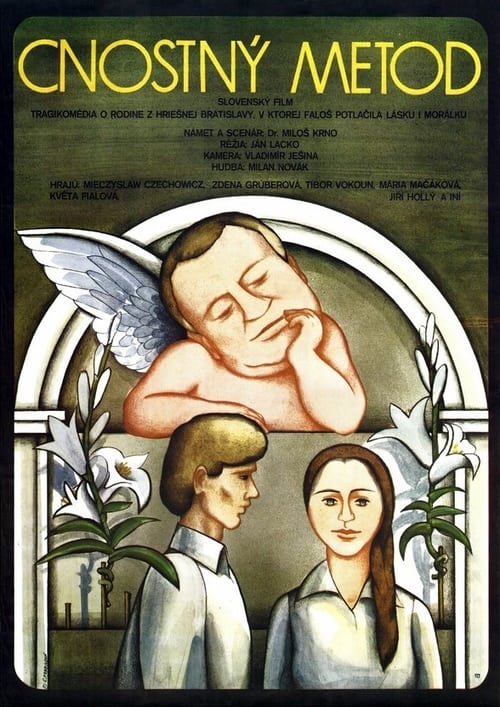
A dramatic story of the emotional, moral and political maturation of two young people during the Slovak National Uprising.
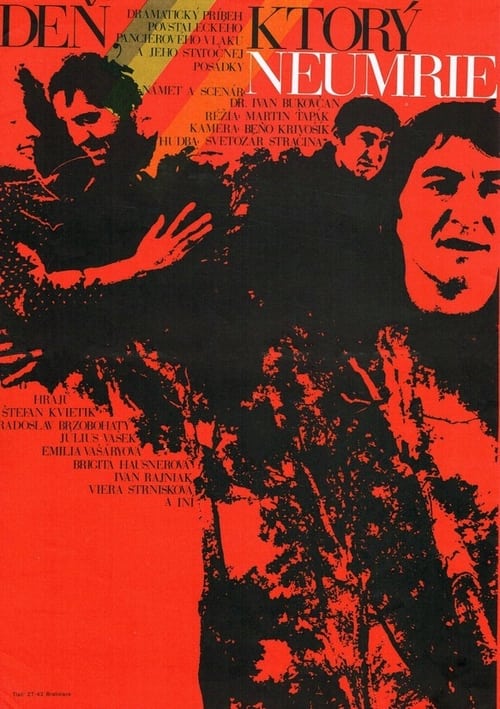
In the story of a partisan armored train crew operating in the rebel territory of Slovakia, the inner drama of Matúš Siroň, who hates war with a passion, unfolds. After managing to escape from the Eastern Front, he falls into German captivity. When he is liberated by partisans during a train transport, he initially refuses to fight. However, the circumstances of the Slovak National Uprising force him to change his mind...
A comedy about Simon, an honest, clever confectioner. In practical life, the humble bachelor becomes an easy prey to his boss, his mother, and hordes of women eager to get married. The story incorporates well-tested methods of nearly all major periods in the history of film comedy: from a lumierish etude with the garden hose to a melancholic tramp to the menace of the streets Jacques Tati. Director Juraj Herz made a major contribution to the modest tradition of Slovak film comedy.
A group of French students are drawn into the psychological and sexual games of a mysterious man called Duchemin. Once they sample his "fear powder" the students experience a series of hallucinations.
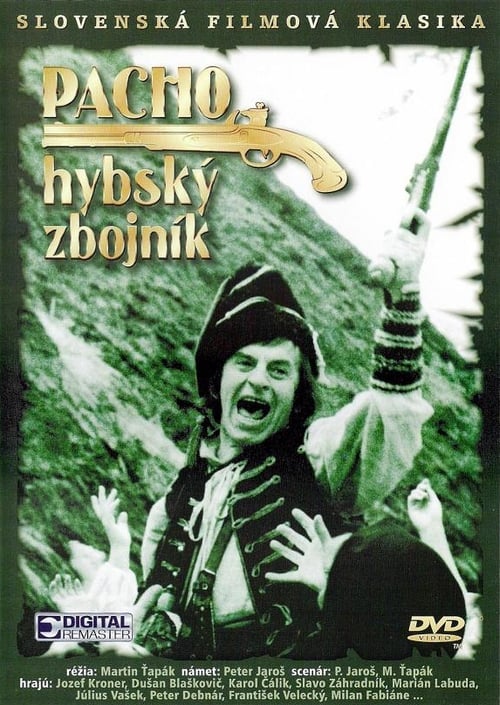
A funny outlaw tale inspired by traditional folk humour. Pacho is no ordinary outlaw. He detests injustice and feudal oppression and he copes with each troublesome situation with the help of his cleverness and wit.
The dramatic story captures the hard and dangerous life of the partisan group "Čapajev" led by Ľudovít Kukorelli during World War II. It retrospectively presents the course of the Slovak National Uprising in eastern Slovakia.
A comedy about five students who are un-justly suspected of trying to lose their virginity before their graduation. The five girls first try to defend themselves, but when they find out that nobody believes them - neither the school principal nor even their own parents - they decide to accomplish what they have been falsely accused of. And although their clumsy attempts are mostly comic, at one point they almost cause a big tragedy.
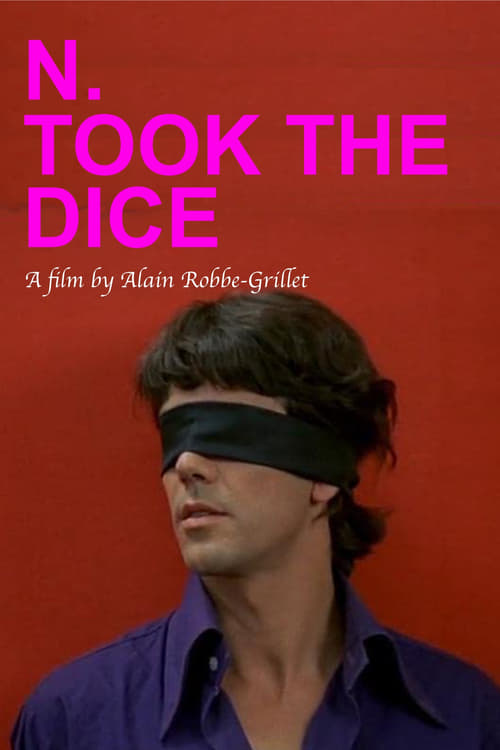
N Took the Dice is essentially a reworking of Eden and After made possible by the roll of a dice (scenes from the 1970 film were combined with outtakes and additional footage in an aleatory way). Robbe-Grillet was always interested in music and since he perceived Eden and After to be serial in nature, it only made sense that its sister film would stand in opposition to that.
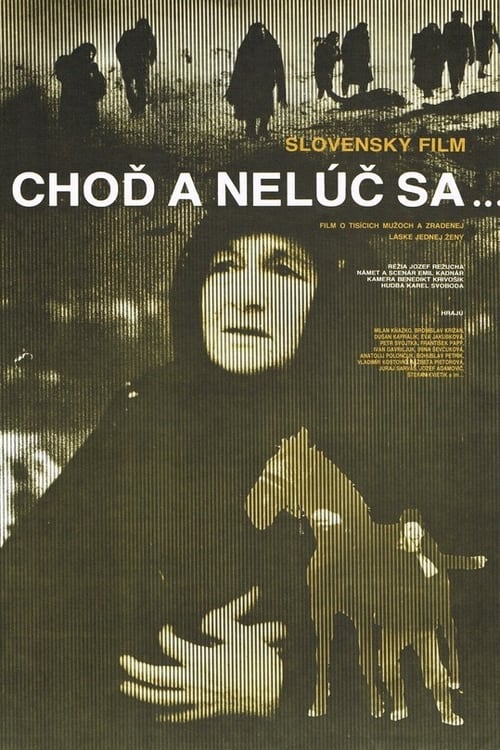
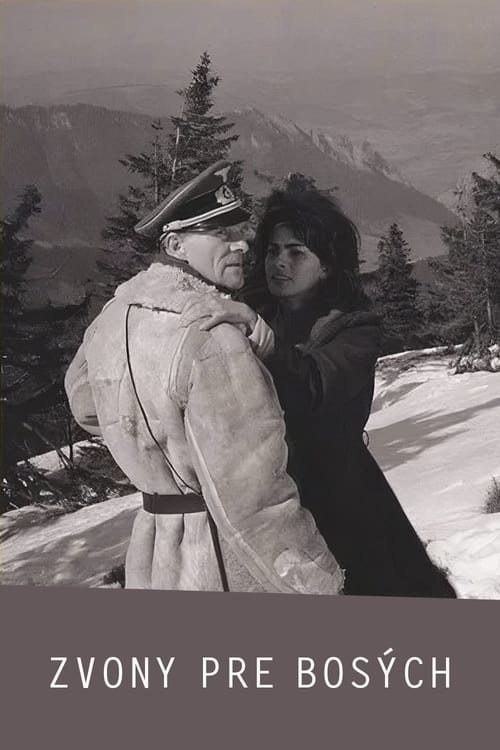
A dramatic story from the end of WW II and a remarkable contemplation of the value of true friendship, meaning and purpose oflife or the possibility to be humane even in inhuma ne conditions. In a frosty mountain setting a cruel struggle for life takes place. After a fight, two partisans return to their brigade carrying along a young German soldier as a captive. But suddenly, amidst the hopelessness of barren mountains. all protagonists find themselves in a liminal existential situation.
A man changes his behavior according to the term of the year.
"Using the same, three times repeating dialogue – dramatic conversation between man and woman – Jerzy Skolimowski from Poland, Slovak director Peter Solan and Czech director Zbynìk Brynych shot three different stories. The result was an extraordinary experiment in the world cinema, which we can call an insight in the relationships of men and women of different age groups, an analysis of love and marriage of those who are at the beginning, in the middle or going towards the end of their life."