Acting
Teresa evokes a memory. A memory as a place of resistance. A memory suspended in space and time. A place one can return to. The fragmented image of an intimate record. The impression of moments forgotten in time but ready to emerge from oblivion—moments that allow us to build a possible history: the history we want to see. – Tânia Dinis
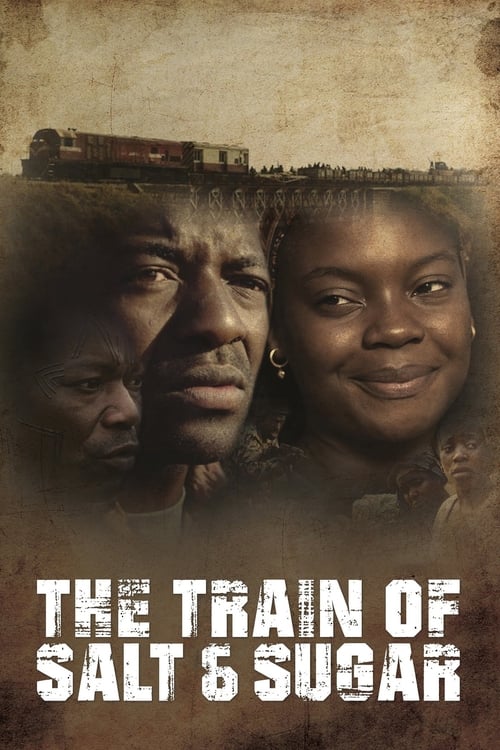
In 1989, Mozambique is a country ruined by civil war. The train that connects Nampula to Malawi is the only hope for people willing to risk their lives to exchange a few bags of salt for sugar. Running slowly over sabotaged tracks, the journey is filled with obstacles and violence. Mariamu, a frequent traveler, shares her trip with her friend Rosa, a nurse who is going to her new hospital, living the reality of war for the first time, Lieutenant Taiar, who only knows the reality of his military life, and another soldier, Salomão, with whom he doesn’t get along. Amongst bullets and laughter, stories of love and war unfold as the train advances towards the next stop.
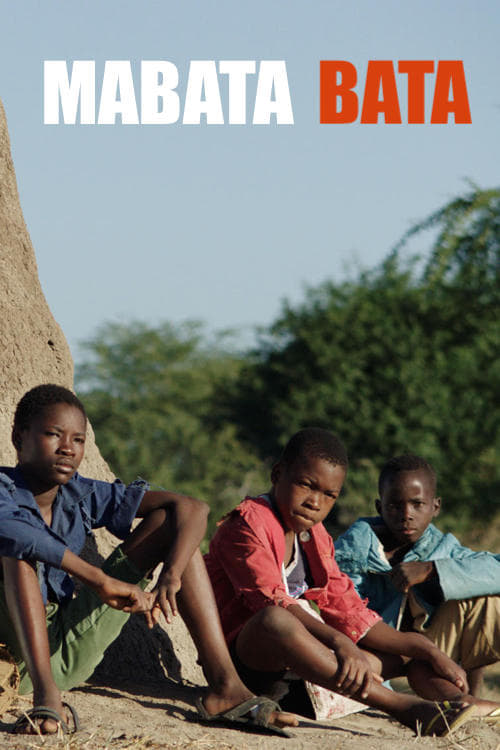
Azarias is a young orphan shepherd, keeper of a herd of oxen, where the ox Mabata Bata stands out. The oxen will be the basis of the "lobolo" payment, a traditional dowry that his uncle Raul must pay for his own marriage. Azarias’ dream is to be a normal child, to go to school, goals that are supported by his grandmother. One day, when Azariah is in the pasture, Mabata Bata steps into a mine - the result of the civil war in the country - and explodes. The young man fears his uncle's reprisals and flees to the forest, taking with him the remaining oxen. The grandmother and uncle leave in their quest to rescue him and persuade him to return.
In Mozambique, Izidine, a young police inspector, is called to investigate the murder of Vasto Excelêncio, the director of a nursing home built within the walls of an old colonial slave fortress. He is shocked when all the elderly residents, as well as the head nurse, Marta, confess to the murder. Each one has motive, given Excelêncio’s abusive behavior. With only a week to solve the case, the detective slowly unravels truths about the murder, Mozambique's colonial past, and himself.