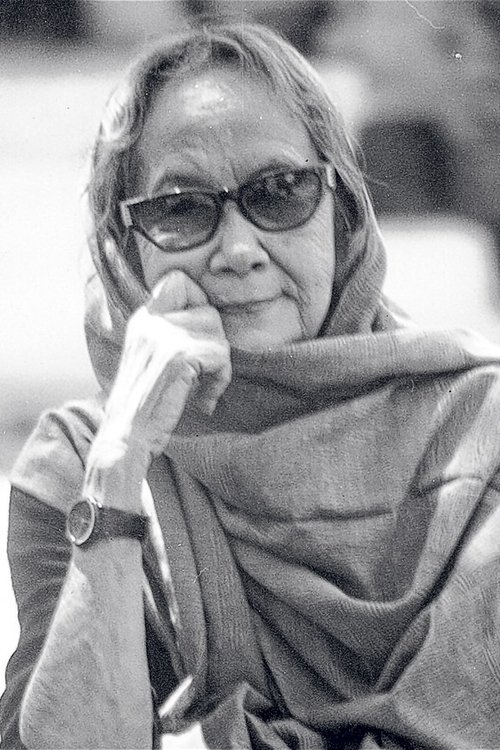
M. K. Binodini Devi
Writing
Biography
Maharaj Kumari Binodini Devi (Meitei: ꯕꯤꯅꯣꯗꯤꯅꯤ; born Sana Wangol ; 6 February 1922 – 17 January 2011), better known as Binodini, was a writer, poet, and princess from Manipur. She worked in multiple genres, including fiction, essays, drama, screenplays, lyrics, and ballet scripts often addressing themes such as patriarchy and colonialism in Manipuri society. A social activist and pioneer of post-modernism in Manipur, she is regarded as a cultural renaissance figure. She received the Padma Shri in 1976, and her historical novel Boro Saheb Ongbi Sanatombi (1976) won the Sahitya Akademi Award in 1979. The novel was subsequently translated into English as The Princess and the Political Agent and published in 2020. M. K. Binodini Devi took the first all-Manipuri dance troupe on a tour of Latin America, North America and Europe in 1976, resulting in her collection of travel essays called O Mexico! Lamkoi Wari (2004). But it is her work in film that of her nine feature films and four documentaries, her collaborations with director Aribam Syam Sharma that M.K. Binodini Devi had the most international impact. Their film Imagi Ningthem (My Son, My Precious) received the Grand Prix at the 1981 Festival des 3 Continents at Nantes; their documentary Sangai, Dancing Deer of Manipur received the British Film Institute Outstanding Film of the Year Award for 1989. Their feature film Ishanou (The Chosen One) was an Un Certain Regard selection at the Cannes Film Festival in 1991 and the restored version of the film was selected to be screened at the classics section of Cannes 2023. Their films garnered international acclaim at other international venues such as the Museum of Modern Art and Lincoln Center in New York. A program of a selection of the films they made together was screened at the Brooklyn Academy of Music in New York in 2000.
Known For
No description available.
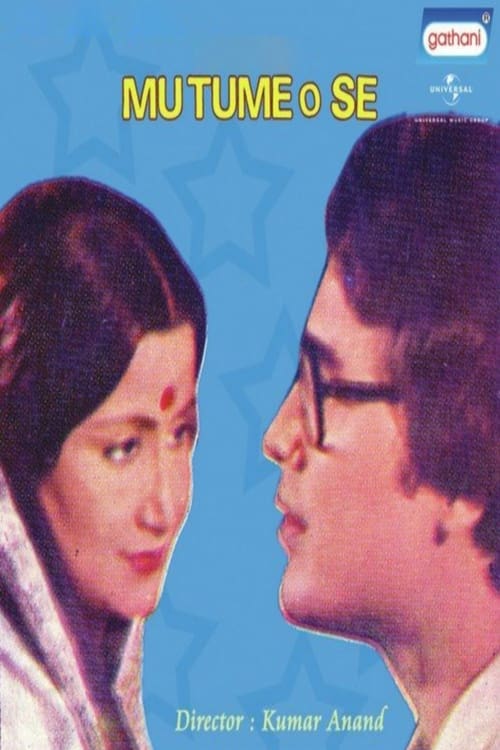
Mun Tume O Se
This Manipuri drama opens as a happy young couple are preparing for an ear-piercing ceremony for their first child, a daughter. This is an important custom in their region of India, signifying the beginning of a responsible stage in life. Things go awry when the wife begins talking to flowers, singing odd songs, and having fits. In fact, the fits get so violent that she has to be physically restrained and tied down to prevent her from hurting herself. It eventually emerges that she has been chosen by a spirit which is special to a particular religious cult, the Meibis. Things proceed swiftly with her new, unsought, allegiance as she makes contact with the cult and its leader and prepares to leave her heartsick husband and child behind.
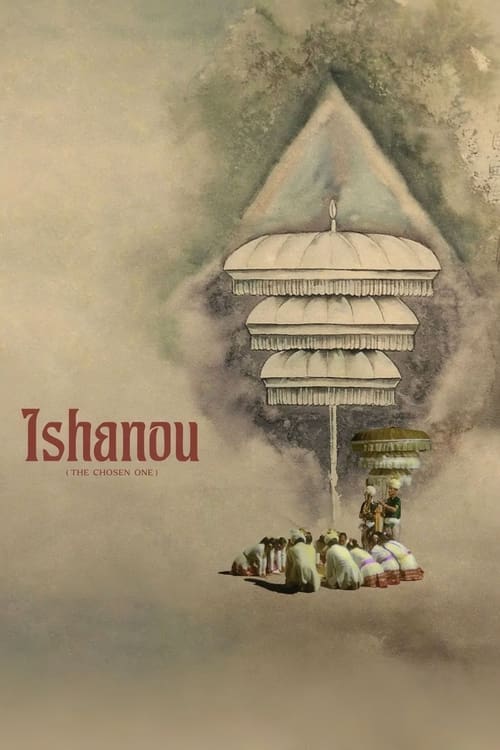
The Chosen One
Sati, who is forced into marriage by her poor parents with a rich ugly old man living with a concubine. She find the other way to overcome the mishap in her life, when a young neighbor Nath develops love interest with her. Both finally leaves the village and escape to Cuttack town. The conservative neighbors question about their relationship. Sati, unable to bear the scandal concerning her and Nath, finally commits suicide by jumping into the river.
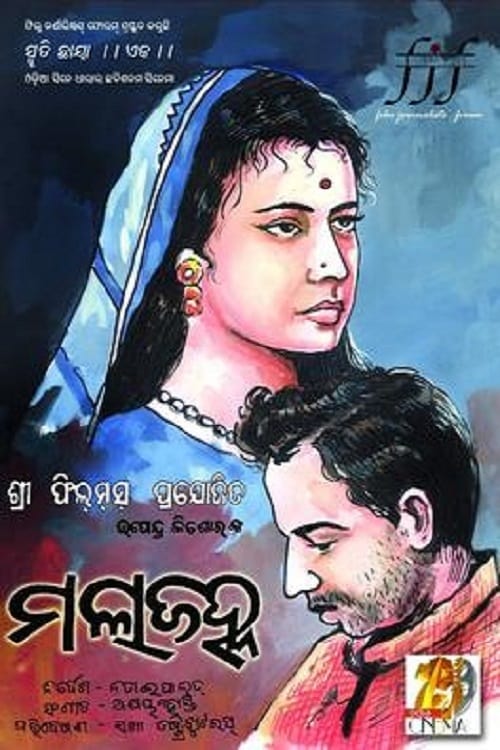
Malajahna
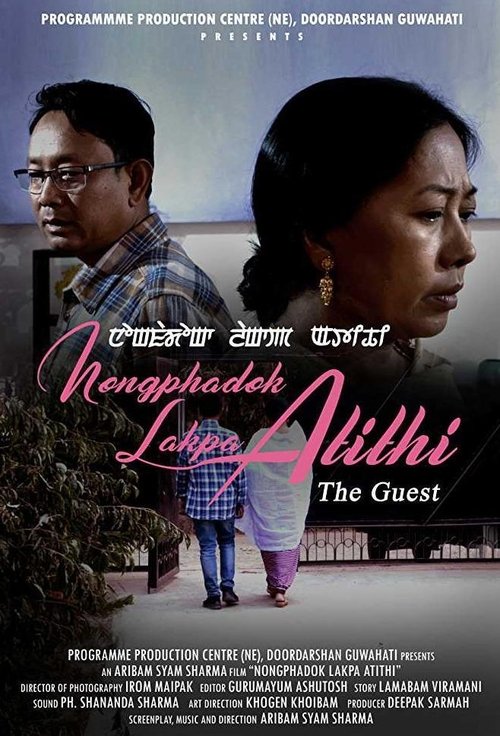
Tamubi had determined not to visit her estranged husband. Not even once in their twelve years of separation. But one day, all against herself, she visits to attend her daughter’s wedding. She yielded to her daughter’s persistence. When she arrives the estranged couple did not exchange a single word. As night falls after the ceremony, Tamubi has no choice but to hold the night at her husband’s place. Reminiscence of the years gone by keep awake the separated husband and wife the whole night. The following day her husband pleads her to come back and start life anew. But Tamubi sticks to her independent conscience.
Nongphadok Lakpa Atithi

In this award-winning blockbuster film Olangthagee Wangmadasoo (meaning " Even Beyond the Summer Horizon" in Manipuri) by Aribam Syam Sharma, a singer Bijoy and a medical student Thadoi fall in love and decide to marry each other. But differences between their respective families bring a sequence of twists to the tale including attack on Bijoy, his grandfather's death, a pilgrimage and a kidnapping. Will their love be able to defy all these?
Olangthagee Wangmadasoo

A teacher comes to a village and an old man asks her to tutor his sickly grandson. The teacher becomes curious about the old man and the boy. She finds out from a colleague that the boy's mother had been seduced by a man and died in child birth. Winner of the Golden Montgolfiere at the Three Continents Film Festival.
My Son, My Precious
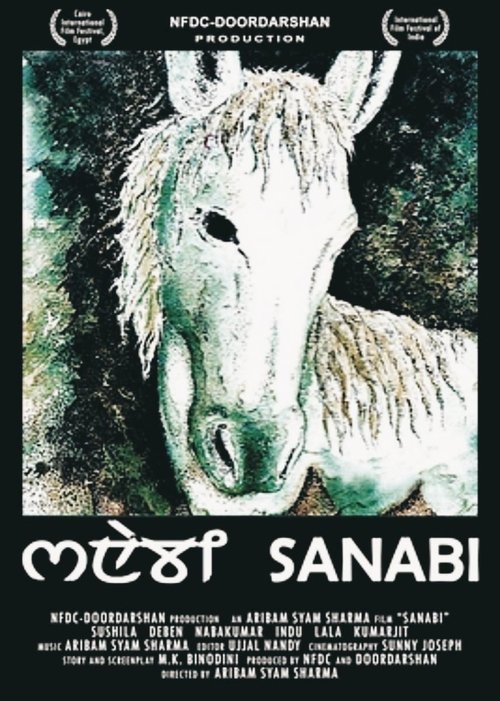
A man, irritated by his childhood friend's refusal to marry him, steals her beloved grey mare in order to force her to agree.
The Grey Mare

The film explores the different life styles of modern India. In urban society corruption is rife, careers advanced by bribes and influence. But there is an alternative: life in the hills, where the people face life silently and accept nature's gifts. In this ultimately optimistic film, a Manipuri youth lives through personal pain and disappointment to face with new hope and energy the struggle of his family for a different way of life.
Paokhum Ama
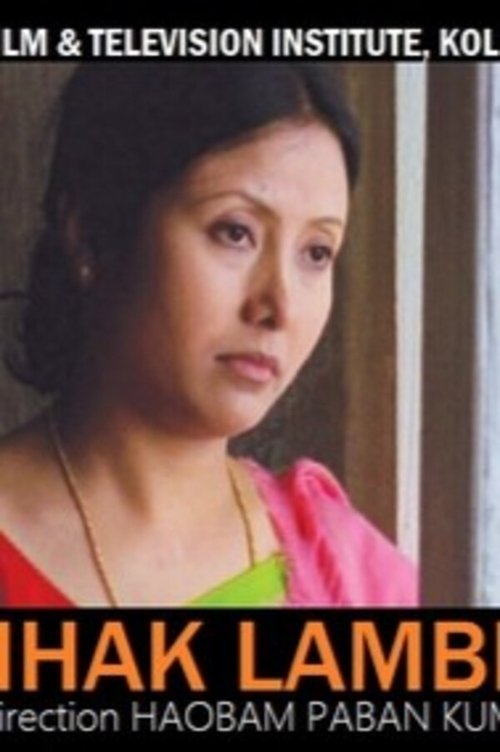
Ngaihak Lambida (English: Along The Way) is a 2006 non-feature Manipuri film directed by Haobam Paban Kumar and based on a story by MK Binodini. It is bproduced by Satyajit Ray Film and Television Institute. The film was selected in the non-feature section of the Indian Panorama at the 38th International Film Festival of India 2007. It also participated in the competition section of Short Fiction Films in the Third Eye 6th Asian Film Festival, Mumbai, 2007.
Ngaihak Lambida

A classic melodrama about three women from the Tangkhul community in the Manipuri hills, the film is told in flashback after a young girl, the daughter of Mayophy raised by her widowed grandmother, writes to the narrator having been selected to represent India in the Asian Games. The three women evoke the pristine mountainous landscape even as they encounter modernity and urbanisation.
Mayophy's Son
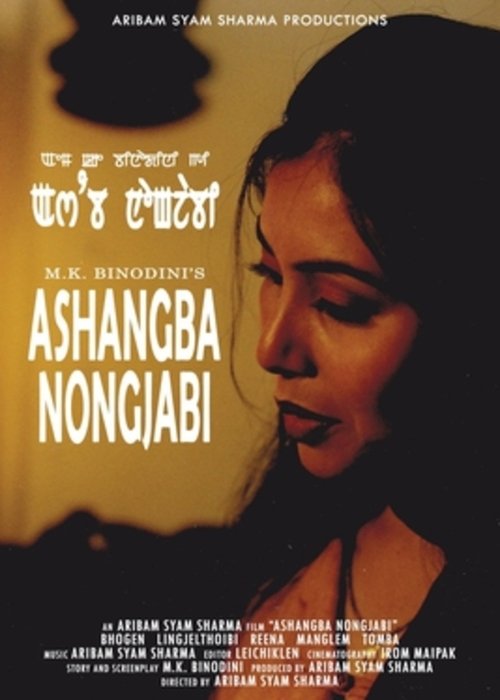
The film is based on M. K. Binodini Devi's 1966 play of the same title which draws on the playwright’s interactions with Ramkinkar Baij, the eminent sculptor and her colleague. Gautam, an artist, determined to uphold his freedom, is torn between his two loves and their outlooks towards his passion.
Asangba Nongjabi
The non-feature film by Aribam Syam Sharma explores the lush forests of Manipur, home to over 400 orchid species, many of them unique to the region. With a climate ideal for their growth, Manipur hosts 70% of South-East Asia's orchid varieties, which are highly valued worldwide. Orchids hold a special place in Manipuri culture, cherished and respected. However, deforestation now threatens their survival, prompting conservation efforts by the Manipur Forest Department.
Orchids of Manipur
A simple village girl much deprived in life Nungshithoi tells her aggrieved story to her lawyer, bit by bit about the betrayal by her lover who discards her after having an illegitimate child. The young lawyer stands up for mistreated women to give them respect and courage.
Nangna Kappa Pakchade

Aribam Syam Sharma's non-feature film on Sangai (brow-antlered deer), the state animal of Manipur, India, which is found only in the state's Keibul Lamjao National Park. It is an endemic and critically endangered subspecies of Eld's deer.