Grace Passô
Acting
Biography
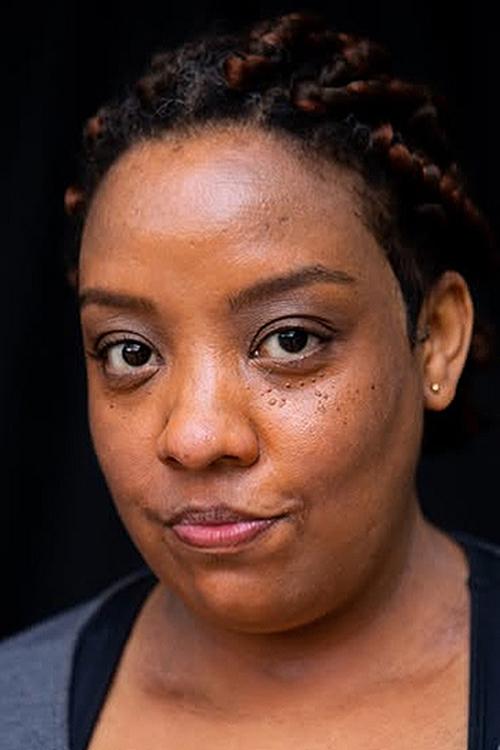
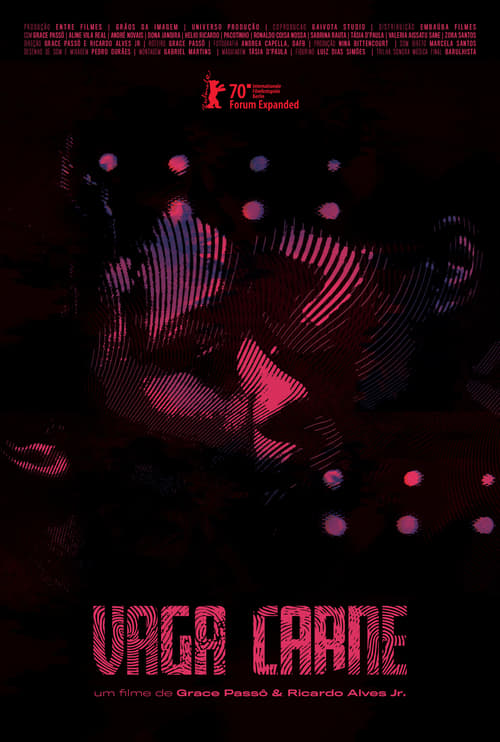
Grace Anne Paes de Souza, known as Grace Passô (Belo Horizonte, May 20, 1980), is a Brazilian actress, director, screenwriter and playwright graduated from the Clóvis Salgado Foundation Technological Artistic Training Center, in Belo Horizonte, Minas Gerais. In cinema, she acted in films such as "Elon Don't Believe in Death" (Ricardo Alves Júnior), "Praça Paris" (Lúcia Murat), "No Coração do Mundo" (Plastic Films - Gabriel Martins and Maurílio Martins), "Tempoarada" (Plastic Films - André de Novais Oliveira) and "Vaga Carne" (Grace Passô and Ricardo Alves Júnior), winning numerous awards.
Known For

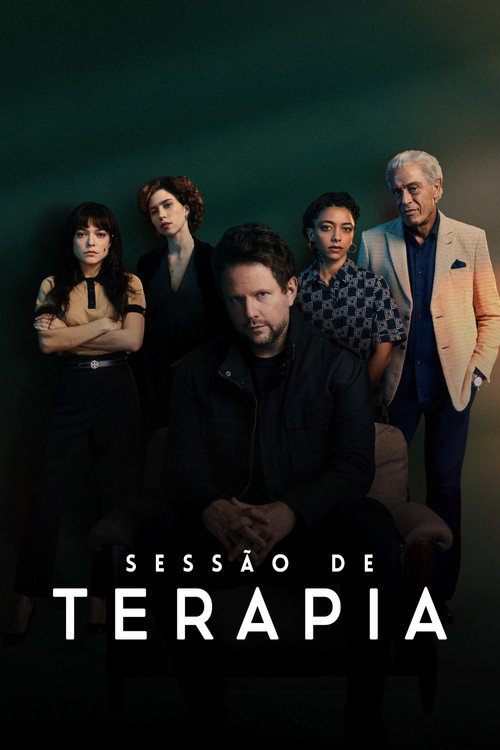
Set in an office of a psychoanalyst, the series follows the professional and personal day-to-day work of therapist Theo. Displayed daily, each episode of the plot is marked by the story of one of his patients, and the last episode of the week will always bring an assessment of Theo's by his supervisor Dora.
Sessão de Terapia

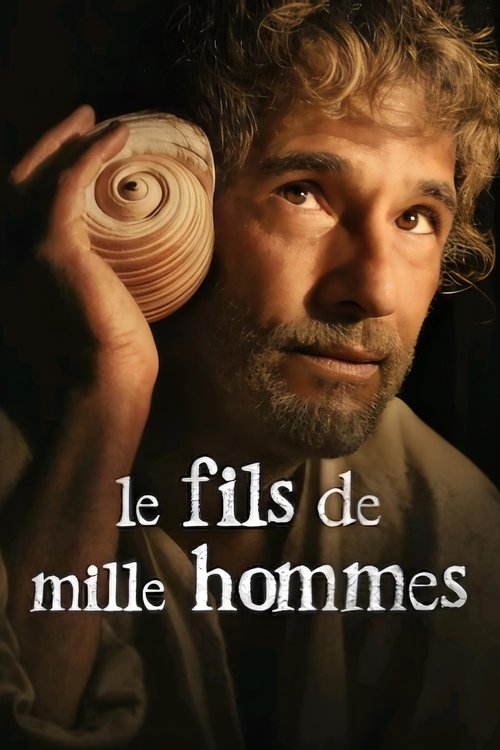
In a small village, a lonely fisherman yearning for a son is drawn to an ethereal light that links him to others and their long-buried secrets.
The Son of a Thousand Men

At a high school in a rural, isolated ranching community, families panic when teens contract a mysterious "kissing disease" that quickly spreads.
Kissing Game

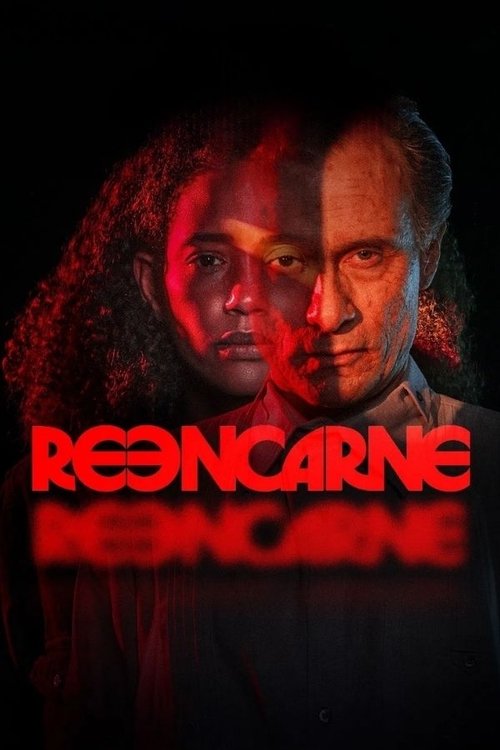
In this supernatural thriller, the dark mysteries of the quest for immortality take over the scorching rural roads of the Goiás countryside.
Reencarne

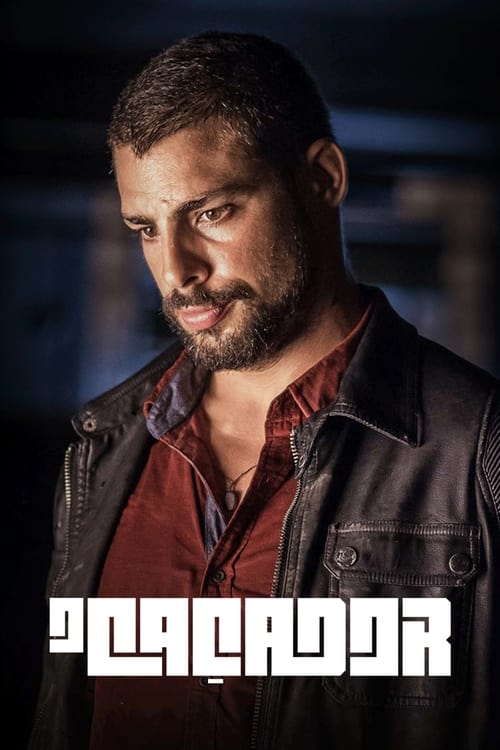
After three years locked up for a crime he didn’t commit, former police officer André Câmara is back on the streets working as a bounty hunter and determined to prove his innocence. Gripping, south American sizzler charting the action from the mean streets of Brazil to the bedrooms of the law enforcers.
Tainted

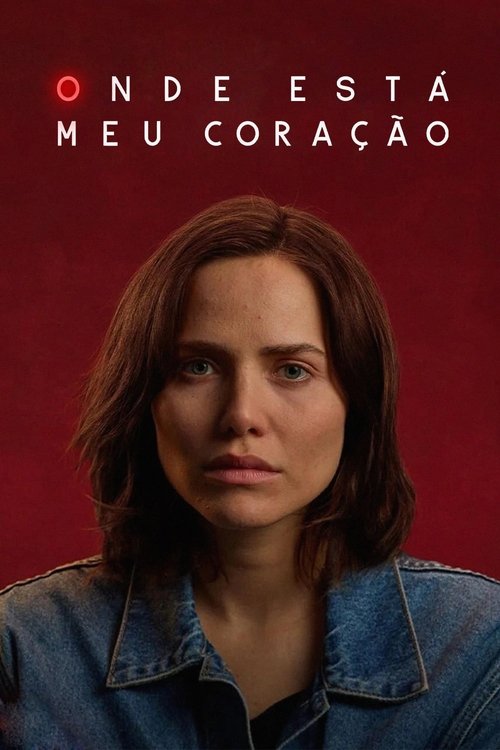
Amanda faces her own private war, faced with an intimate and destructive relationship with drugs, constant family pressure and the fragility of her marriage with Miguel.
Where My Heart Is

To escape her abusive husband, garbage collector Gal packs her two young children, Rihanna and Benin, onto the top of her cart and heads across São Paulo to her cousin’s house. As she struggles to avoid the dangers of the streets along the way, she convinces the children that they are on a big and exciting adventure. When they arrive at her cousin’s house, they are warmly welcomed and fed. However, what initially seems like a safe haven soon turns out to be a trap. Gal realises that not only her own safety is at risk, but also the future of her children.
The Best Mother in the World

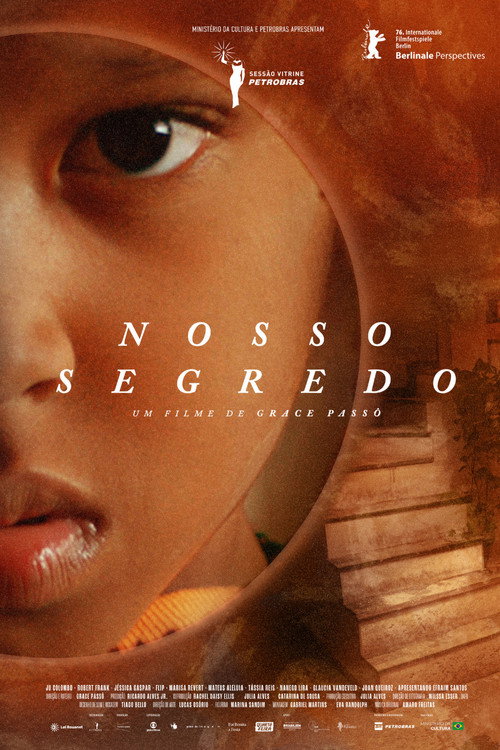
A Black Brazilian family in the city of Belo Horizonte, tries to rebuild their home after a recent loss. Caught between memories and nightmares, and unable to express what they feel to each other, a mother and her children shield themselves from the pain of grief through their individual routines. Only the youngest child understands the secret that the house holds within its four walls and tries to reveal it to the others, only to fall on deaf ears. Finally, confronted with the truth, they face the deep roots of their grief and come together to traverse this moment with love and courage.
Our Secret

The couple Laura and Israël have a five-year-old son, Lucas. They live together but seem to have lost interest in one another's thoughts and cares. Their relationship seems headed for the rocks, and the only one who seems to still be looking for something from life is Lucas.
Abandonment

On the eve of a future-defining championship, promising 17-year-old volleyball player Sofia is faced with an unwanted pregnancy. Seeking an illegal termination, she becomes the target of a fundamentalist group determined to stop her at any cost – but neither Sofia nor those who love her are willing to surrender to the blind fervor of the swarm.
Power Alley

Zeca tries to get up early to catch the bus and arrive an hour and a half later at the neighboring town’s school, where he works as a librarian. Waking up early is evermore difficult: something prevents him from maintaining his routine. One day, Zeca meets Louisa.
The Day I Met You

Through clippings, the film draws a narrative line between the construction of racism in Brazil and the United States, having as base the European invasion of the continent, police violence, the genocide of the black people, the massacre of indigenous peoples, religious violence, the criminalization of funk music, structural racism in art and education, the importance of quota policy and the need urgent historical repair as a commitment by the Brazilian state to the black people.
De Cabral a George Floyd: Onde Arde o Fogo Sagrado da Liberdade

No description available.
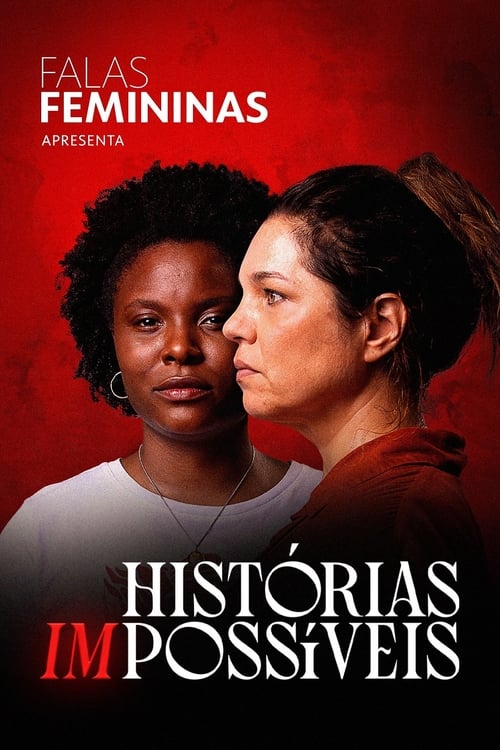
Falas de Orgulho: Histórias (Im)possíveis

In order to take a new job as an employee in the public sanitation department, Juliana moves from the inner city of Itaúna to the metropolitan town of Contagem in Brazil. While waiting for her husband to join her, she adapts to her new life, meeting people and discovering new horizons, trying to overcome her past.
Long Way Home

Elder and Daiane are a couple in the midst of an urban war: while he fights to survive, their first child is about to be born.
Victims of the Day

Janaína is a black screenwriter embarking on a new audiovisual project. She meets the rest of the team, where all of whom are white, on a farm. Pedro, the leader of the script room, disappears. Janaína investigates and makes unimaginable discoveries.
Falas Negras: Histórias (Im)possíveis

No description available.
Falas da Vida: Histórias (Im)possíveis

As he does every single day, Elon goes to meet his wife at her workplace, but she is not there. He doesn’t find her at home as well, so he starts to retrace the path Madalena makes daily. In the morning after, Elon goes to the police station and files a report, runs into hospitals, morgues. Alone, he wanders through a metropolis, searching for news about the sudden and mysterious disappearance of his wife.
Elon Doesn't Believe in Death

Mário returned to the world of the dead. He dug his escape into the earth, with no intention of taking revenge on the powerful men who pursued him. "The Fury (2024)" starts from a fantastic premise, a poetic license, to conclude the trilogy begun by "The Guns (1964)" and "The Fall (1978)."
A Fúria

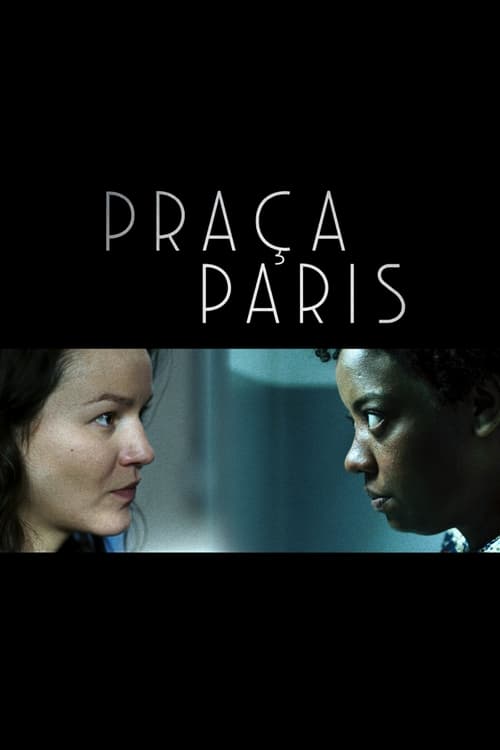
Camila is a Portuguese therapist who works at Rio de Janeiro State University, where she attends Glória, the university's elevator operator. Throughout the sessions, Camila faces a very violent reality, since Glória was raped by her own father as a child and her brother Jonas is a dangerous bandit that is in prison. Increasingly frightened by the reports she hears, she feels threatened at the same time that Glória sees her as essential in her life.