Kazi Nazrul Islam
Writing
Biography
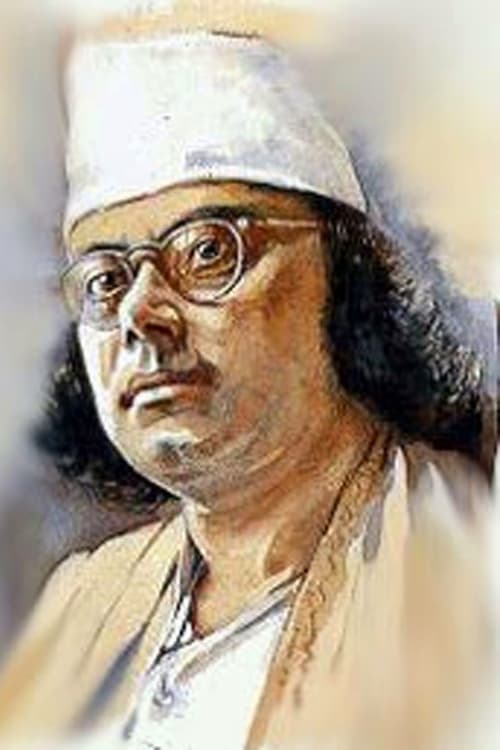
Kazi Nazrul Islam (24 May 1899 – 29 August 1976) was a Bengali poet, writer, journalist, and musician. He is the national poet of Bangladesh. Nazrul produced many poetries, music, messages, novels, and stories, including equality, justice, anti-imperialism, humanity, rebellion against oppression, and religious devotion. Nazrul Islam's activism for political and social justice as well as writing a poem titled as "Bidrohī", meaning "the rebel" in Bengali, earned him the title of "Bidrohī Kôbi" (Rebel Poet).[10] His compositions form the avant-garde music genre of Nazrul Gīti (Music of Nazrul).
Known For

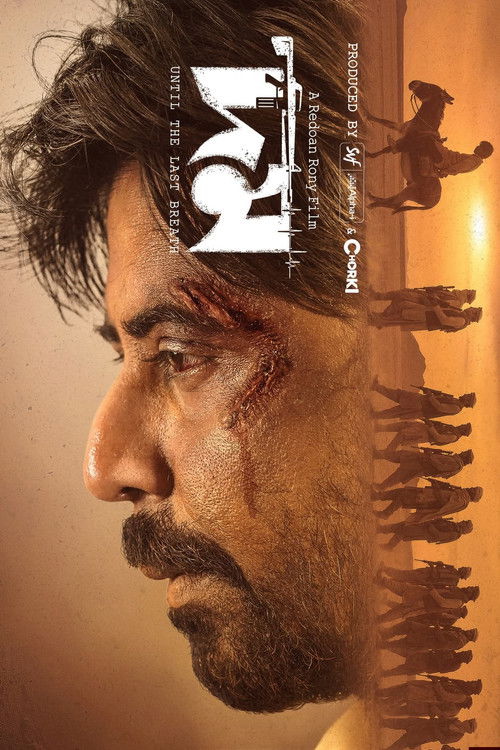
Noor, a man from a small town, gets the chance to go abroad through his job. But in an unfamiliar country, Noor faces a danger beyond his worst nightmares. The hope of returning to his wife and mother in his home country pushes him to keep moving forward.
Domm

The film features the characters from Satyajit Ray's Aranyer Din Ratri, returning to the forest over thirty years later. Ashim, Sanjoy, Harinath and Aparna have grown old in this film; Shekhar has died. They set out on a journey to break off every link with civilisation for a few days. However, the trip turns sour when Ashim and Aparna's daughter, Amrita, goes missing. It transpires that she is being held for ransom by local tribespeople. Police intervene and the kidnapped girl is returned to her parents, albeit against her own wishes.
In the Forest... Again

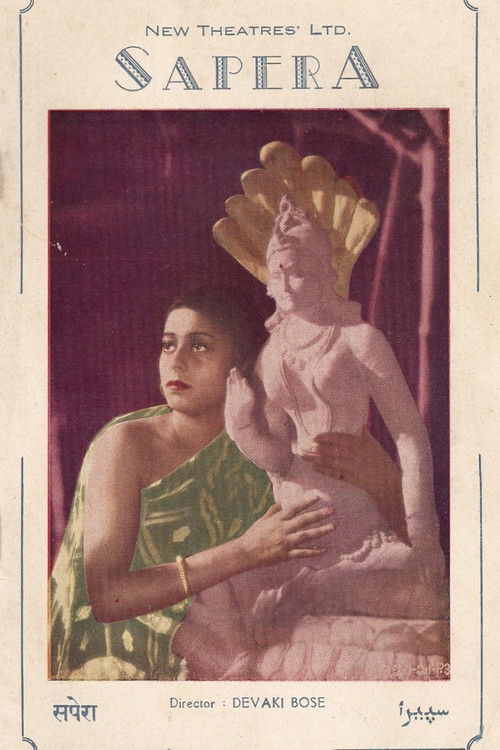
Adapted from a story by Kazi Nazrul Islam this film concerns love and revenge among a tribe of snake charmers led by Jahar (Nawab) who is searching for his 100th poisonous snake so as to show how he can magically cure its deadly bite.
Sapera

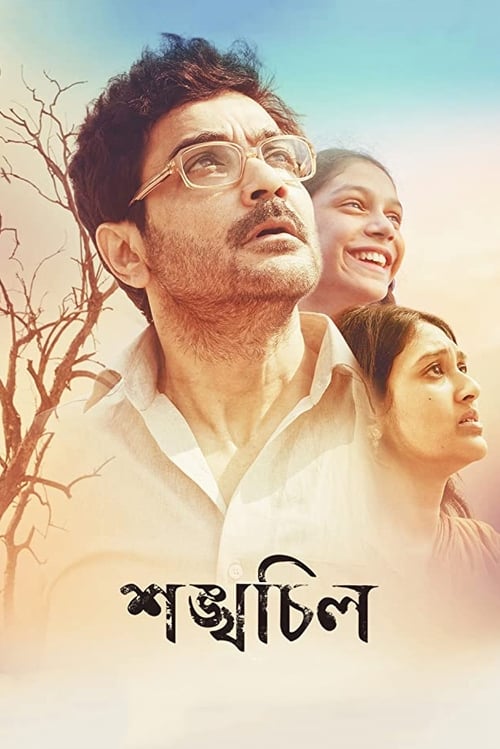
Free as a bird. To wander. To nestle. To take flight. We are not. As India gained its much awaited independence in 1947, a race faced another struggle. Bengal was divided and hundreds of thousands of Bengalis were displaced and divided on the basis of their religion. The Hindus were forced out as East Bengal was made a part of Pakistan and the same fate lay in store for the Muslims of West Bengal. Millions became refugees in their own homeland, and thousands still bear the cross and the scar. The film is a human saga of a truncated land and how people are trying to relive their destiny.
Shankhachil

Set in the crumbling environs of Calcutta, Labour of Love is a lyrical unfolding of two ordinary lives suspended in the duress of a spiralling recession.
Labour of Love

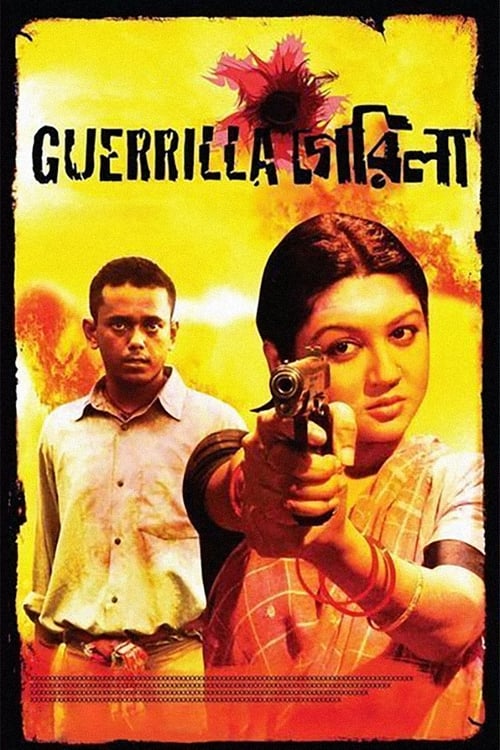
Bilkis Banu lost her husband Hasan on the night of 25th March 1971. She tries to forget him and concentrate on the urban guerrilla movements of Dhaka with Altaf Mahmud, Shahadat, Mrs Khan and many more. But when spies and the razakars inform them, most of their people get arrested and Bilkis has to run for her life, towards her village.
Guerrilla

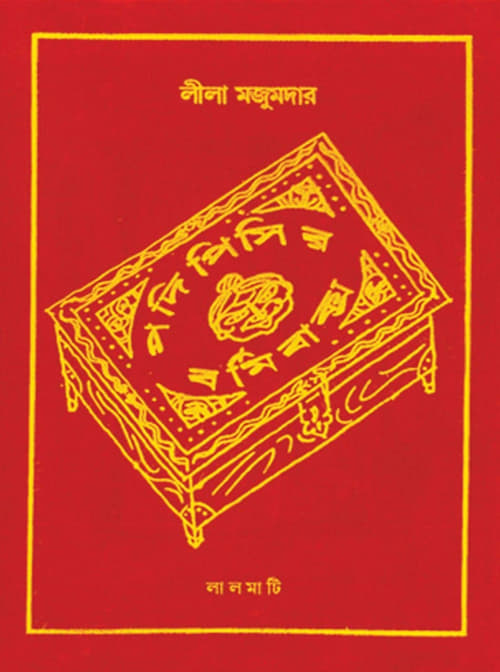
Khoka is a schoolboy who goes to his uncle's house, where he learns about the tales of Padi Pishi (Aunt Padi), a formidable widow. She had once gone to Khuro's house to meet him, but bandits attacked her. When Khuro got to know about it, he offered her bribes from his loot so that the news would not be public. Padi Pishi then took a precious Burmese box that was hidden in Khuro's house. Before Padi's Pishi's death, she did not reveal the hiding place to anyone except her son Goja. The entire family searched for the missing box but could not recover it. A private detective also searched for the box but could not find it. The story is about how it is finally discovered. Padi Pishir Barmi Baksha is an Indian Bengali adventure comedy film directed by Arundhati Devi. It is based on the children's novel of the same name by Leela Majumdar.
Padi Pishir Barmi Baksha

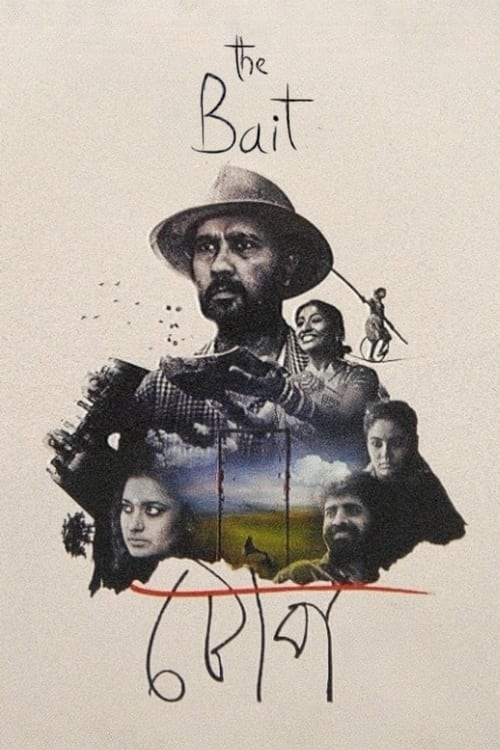
The way that people are used as bait is explored through three stories about three different characters.
The Bait

Dikshul is a 1943 Bengali film produced by New Theatres Ltd. Directed by Premankur Atorthy, the film featured music by Pankaj Mullick and cinematography by Rabi Dhar. Notably, the film's lyrics were penned by the renowned poet Kazi Nazrul Islam, and it marked the playback singing debut of actress Binota Roy.
Dikshul

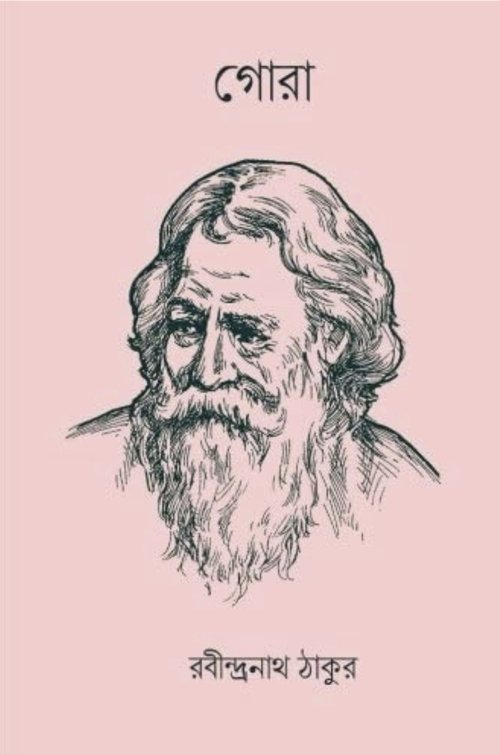
Gora and Mahim were two sons of Krishna Dayal Babu. From childhood, Bijay and Gora were friends. Through an accident, Bijay was introduced to Paresh Babu's family. Paresh was a Bramhin. So Gora did not like Bijay's visit to that house. Gora's mother was very anxious about Gora's Hindusim. Krishna Dayal was also very annoyed being an orthodox Hindu. As per his father's request, Gora went to Paresh Babu's house. Paresh babu's wife Bhadra Sundari was not happy seeing Gora there. But Gora had a real conflict with Haran Babu. The marriage of Haran Babu and Suchitra was almost fixed. The reason of the conflict was that, Haran Babu always thought of himself to be a social reformer and saviour of Brahma religion.
Gora
Classic celebration of Mithila's King Shiva Singha's (Bannerjee/Kapoor) love for his wife while chronicling the influence of the pacifist court poet Bidyapati (Sanyal). Invited to the royal court by the king, Bidyapati arrives with his faithful follower Anuradha (Kanan Devi). Queen Laxmi (Chhaya Devi) falls in love with the poet, much to the distress of the king. The king falls ill and starts neglecting his royal duties until Anuradha persuades him that true love does not need reciprocation. The queen, equally distressed by her divided loyalties, contemplates suicide, encouraged by the prime minister who is worried by the nefarious impact of Bidyapati's poetry on the king.
Vidyapati

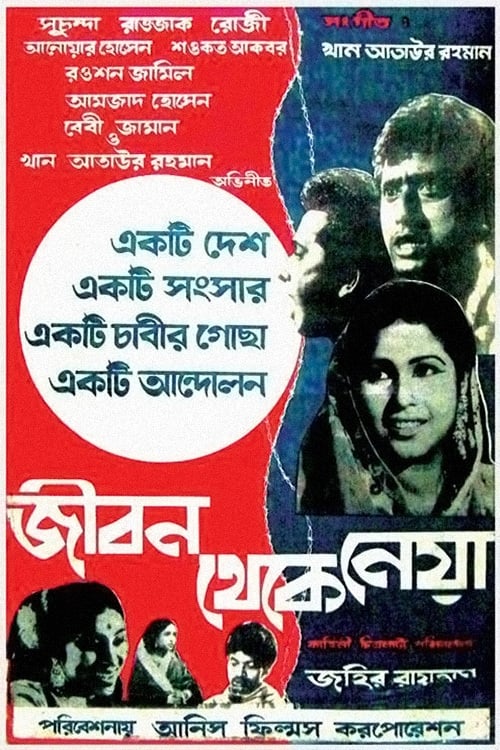
A political satire of Bangladesh under the rule of Pakistan metaphorically, where an autocratic woman in one family symbolizes the political dictatorship of Ayub Khan in East Pakistan.
Jibon Theke Neya

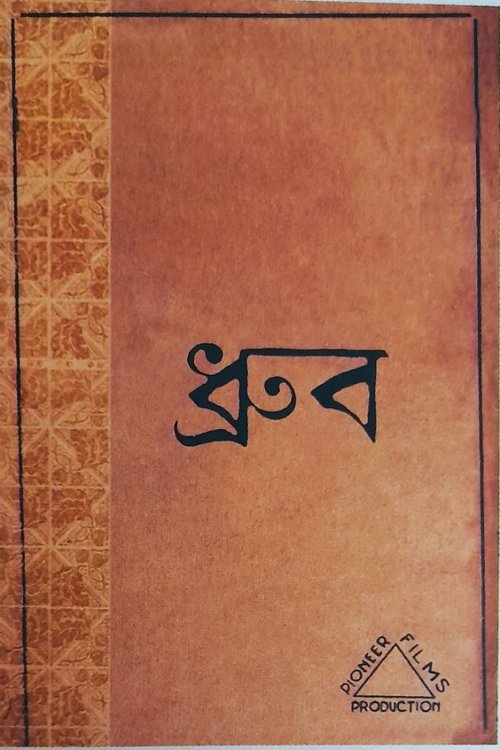
King Uttampad has shortage of nothing but he has no child. His devotee wife Suniti Devi worships Vishnu. Suniti herself arranged another marriage for her husband with a beautiful princess. But the princess could not provide any child to the king. Queen Suniti left the palace and went into the jungle. One day Uttampad in his way to the jungle takes shelter in Suniti's place. After a long time queen Suniti met her husband and she gave birth to a son, named Dhruba. Dhruba worships Lord Vishnu and the God appears to him.
Dhrubo

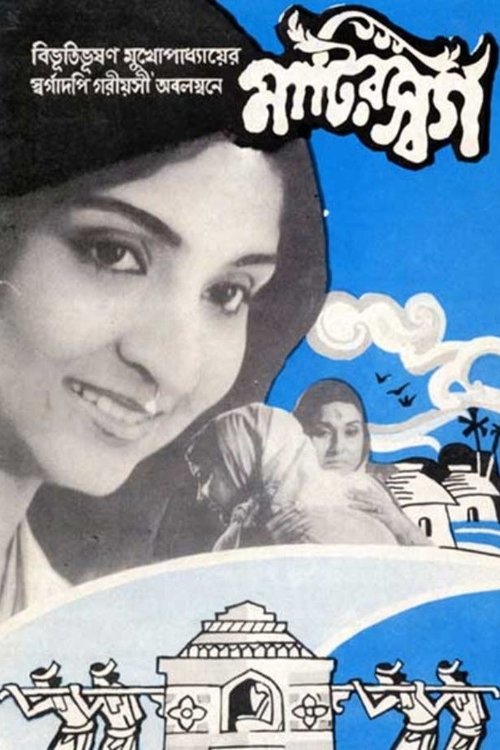
A 1982 Indian Bengali Drama Film directed by Bijoy Bose.
Matir Swarga

In this poignant tale, brothers Nilambar and Pitambar have contrasting personalities: Nilambar is kind but aimless, while Pitambar is responsible and practical. Nilambar's wife, Virajmohini, struggles as he mortgages their property to support his sister's marriage. When the village Zamindar, Rajendrakumar, becomes infatuated with Viraj, her life takes a tragic turn. Misunderstood by her husband, Viraj leaves home, faces numerous hardships, and eventually reunites with Nilambar in Tarakeswar. In her final moments, she finds peace, resting her head on her husband's lap, ending their story on a tender note.
Biraj Bou

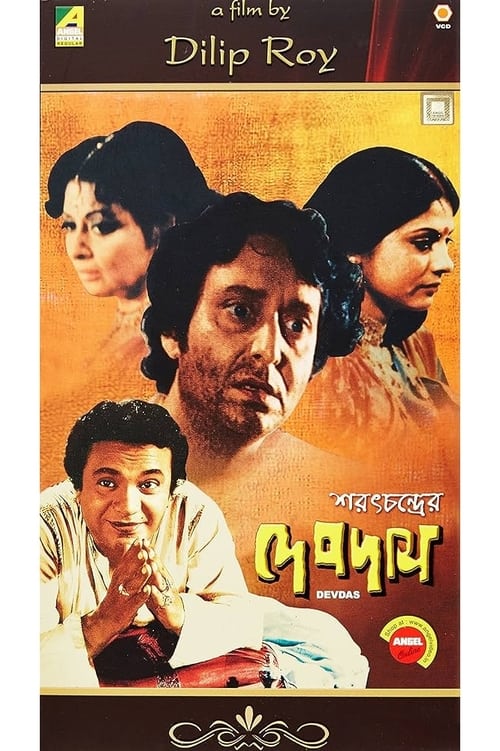
The scion of a wealthy landowner family turns to alcohol and self-pity and slowly self-destructs after class differences force him to break off his relationship with his childhood sweetheart.
Debdas

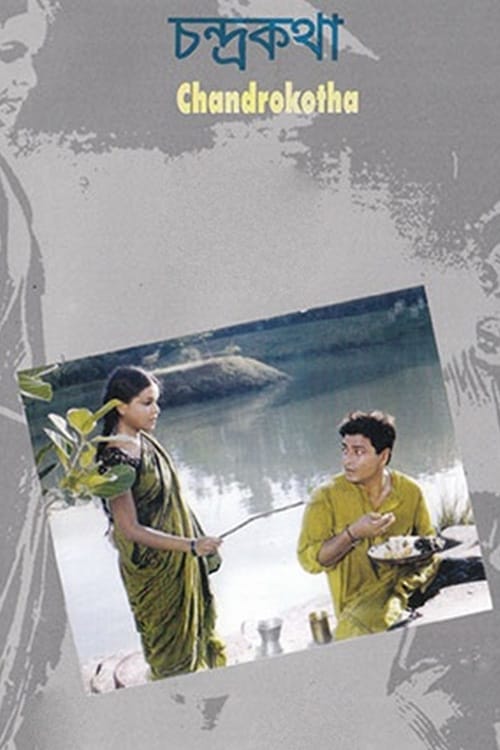
A ruthless landlord looks for meaning in his life through the help of a young girl.
Chandrokotha

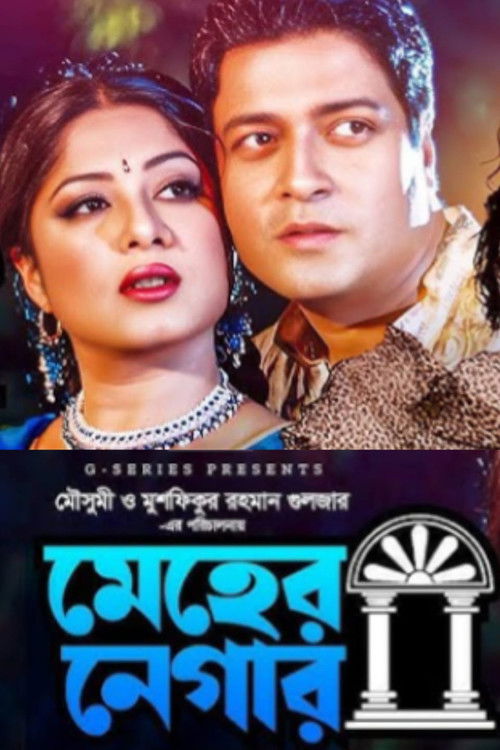
Meher Negar is an adaptation of the original work of Kazi Nazrul Islam under the same name. It’s a story about a novice singer Yusuf, who goes to a renowned master to learn more about music. In his dreams, he sees a beautiful girl named Meher Negar. While staying in his master’s house, one day while playing his flute, he encounters Meher Negar in real life, who was enchanted by his music. Both soon fall in love with each other. Reality however was harsh, as Meher is not an ordinary girl. Rather, she is the daughter of a popular Baijee Khurshid Jan. Her mother has been nurturing her so far only so she can one day be a proud Baijee just like her mother, an idea that Meher profoundly loathes. Torn between yearning for the love of the man she truly loves, to be with Yusuf forever, or upholding her mother’s wish, who raised her without any father — Meher has the chance to choose only one option. What will she do?