FEEL IT.STREAM
Pankaj Mullick

Pankaj Mullick

Sound

Biography

Pankaj Mullick, also known as Pankaj Kumar Mullick (10 May 1905 – 19 February 1978), was a Bengali Indian music director, who was a pioneer of film music in Bengali cinema and Hindi cinema at the advent of playback singing, as well as an early exponent of Rabindra Sangeet. Pankaj Mullick earned legendary fame and popularity as a singer and teacher of Rabindrasangeet. He devoted his whole life to this cause using the media of the film, the radio and the gramophone – he succeeded in endearing himself to music loving Indians all over the country.
Known For

Raikamal
9.0

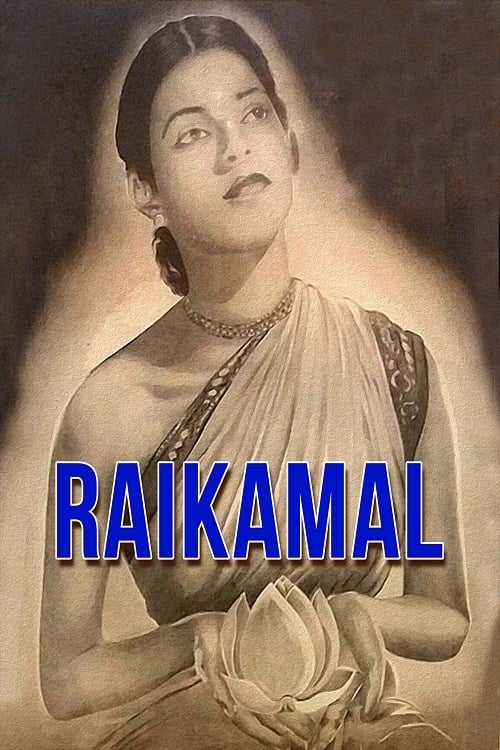
Raikamal narrates the story of Rai Kamal, a devotee of Lord Krishna. Rai Kamal and Ranjan are childhood sweethearts. When Ranjan grows up he wishes his desire to marry Rai but his parents are against this match as they are Brahmins and Rai Kamal was a low caste Vaishnav.

Raikamal

1955
Monihar
N/A

Ajay is a musician by hobby and also runs a business. His younger brother Arun wants to become a doctor. After his mother’s death, Ajay becomes the head of the family however, he falls into debt. He decides to take singing lessons to earn money. Bandana is a good singer and she starts taking classes from Ajay. Ajay starts liking Bandana because she is a charming lady and sings well. Arun and Bandana meet and they fall in love. Ajay is forced to sell his inherited property to pay Arun’s fees. His poverty is only short-lived as his popularity spreads and he becomes wealthy. In the meantime, Arun comes to know that Ajay has sold their family property but does not know the reason behind the act. This creates a misunderstanding between the two brothers. However, it is soon cleared and Ajay transfers his wealth to his brother. Arun and Bandana got married.

Monihar

1966
Mahalaya
7.3

Since its inception in 1931, Mahishasuramardini has been one of the most popular programmes in Bengali radio, and is currently the longest running radio programme in India, narrated by Birendra Krishna Bhadra. This film is a truthful account of what unfolded in 1976, after Aakashvani decided to replace Birendra Krishna with eminent actor Uttam Kumar in a revamped programme.

Mahalaya

2019
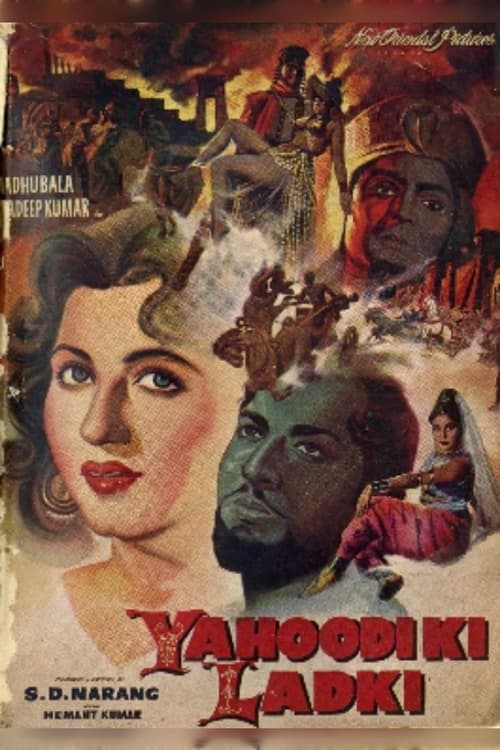
Yahoodi Ki Ladki
8.0

Yahoodi Ki Ladki (The Jew's Daughter) is a Hindi drama film directed by S.D. Narang, starring Madhubala and Pradeep Kumar as leads. The film became a silver jubilee hit on its release in January 1957.

Yahoodi Ki Ladki

1957
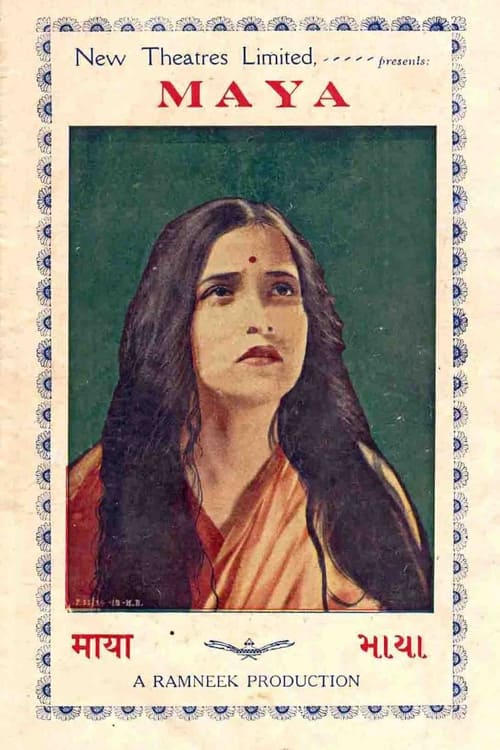
Maya
9.0

Maya (Jamuna) is the poor cousin of rich socialite Shanta (Azoorie). Shanta is supposed to marry the equally rich Pratap (P. Sanyal), but he falls in love with Maya and fathers her child before going abroad. Shanta causes a seperation by intercepting Pratap's letters to Maya. When he returns, a successful lawyer, he us unable to trace her, while her efforts to meet him are foiled.

Maya

1936
Yahudi Ki Ladki
8.0

This costume drama, adapted from Agha Hashar Kashmiri's classic Urdu play, unfolds a tale of rivalry, revenge, and love set against the backdrop of Roman persecution of Jews. The story centers on the Jewish merchant Prince Ezra, whose young son is tragically lost due to the cruel Roman Priest Brutus. In an act of vengeance, Ezra's slave kidnaps Brutus's infant daughter, Decia, bringing her to Ezra. Unable to harm her, Ezra raises Decia as his own, renaming her Hannah. Years later, Hannah falls in love with Marcus, a Roman prince (played by K. L. Saigal), leading to a complex web of mistaken identities, betrayal, and a dramatic confrontation that exposes the intertwined fates of both families and challenges notions of religion and lineage.

Yahudi Ki Ladki

1933
No image
10.0

A famous Saigal musical narrating a strange love story set against 1930s industrialization and worker-management relations. The 16-year-old Prabhavati inherits a mill and turns it into an extremely profitable enterprise. Prakash is a worker who designs a more efficient machine for the factory for which he first gets sacked and then is re-employed. He falls in love with Prabhavati's sister Sheila, who later makes way for Prabhavati who is also in love with Prakash. Her withdrawal distresses Prakash, causing him to bully the workers who then go on strike.

Didi

1937
Nartaki
10.0

Roop Kumari (Leela Desai) a famous court dancer is forbidden entry into a temple monastery run by a strict disciplinarian Priest. The cast listed here is for the Hindi version, there is also a Bengali version with a different cast, but same director and release year.

Nartaki

1940
Kashinath
10.0

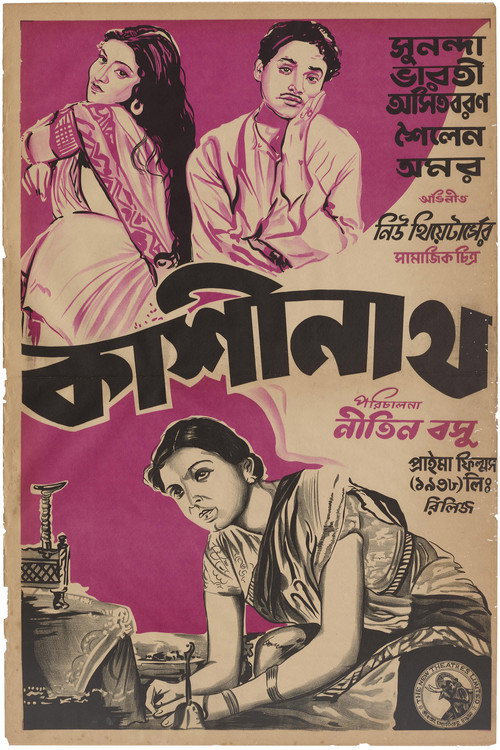
Shiromoni, a village priest sends his son on an errand to the house of Mr. Mukherjee. On his return Kashinath discovers his father is no more. With no kin to support him Mr. Mukherjee suggests that Kashinath should move over to live with Mr. Pitambar Chakraborty, the zamindar [Landlord]. Kashinath however, is in no mood to leave Mr. Mukherjee's home as he has started to grow attached to Mukherjee's daughter Bindu.

Kashinath

1943
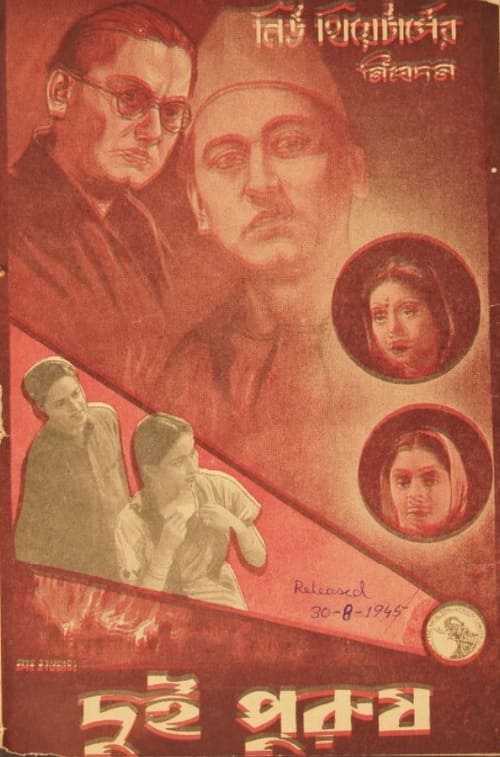
Two Generations
9.0

One of the early films of Chhabi Biswas featuring him as a leading man, before he came to be associated with the dominating patriarch roles that have become iconic in Bengali cinema, the film is a tale of the love, relationships and ideals of two generations. Nutubihari is an idealist who has given up his love for Kalyani for the sake of his beliefs. He marries Bimala and becomes a lawyer, fighting for the rights of the poor against the feudal lords. Meanwhile, Kalyani comes to ask refuge after she becomes a widow and is inexplicably accepted by Bimala with a lot of warmth. As the years pass Kalyani's daughter Mamata and Nutu's oldest son Arun fall in love and wish to get married. However, the new-found fame and fortune turns his head and Nutu begins to resemble all the ideals and vices that he had always despised. On the other hand in an ironical turn of events, Arun comes to occupy the position once held by his father, highlighting the generational conflict of ideals.

Two Generations

1945
My Sister
7.0

Set against the backdrop of WW II in Calcutta, "Meri Bahen" is the story of a schoolteacher and his young sister. The film followed his rise to fame as a singer and the changes in his relationships following a bomb-raid.

My Sister

1944
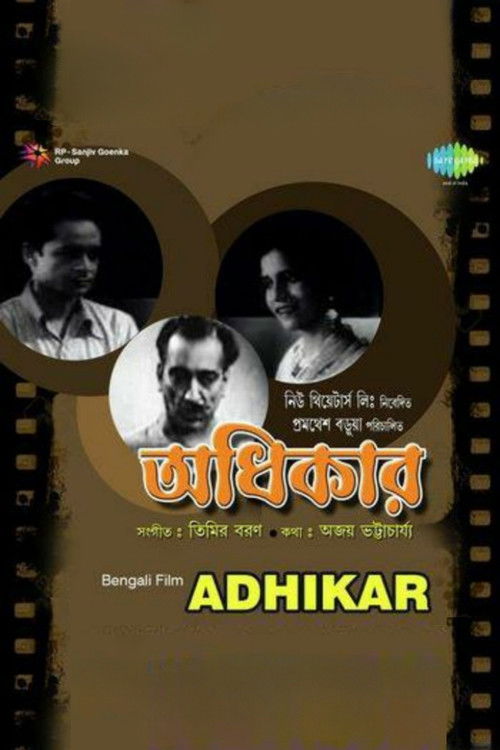
Adhikar
10.0

Melodrama about lineage and property questions. Nikhilesh (Barua) loves heiress Indira (Jamuna). A poor orphan girl, Radha (Menaka Devi), arrives claiming to be Indira's stepsister and therefore part inheritor of the family estate. Indira agrees to share her inheritance but then Radha makes a play for Nikhilesh. Ultimately, Radha turns out to be the real and sole heir. Love proves to be stronger than material possession as Indira and Nikhilesh get married and Radha finds happiness with Ratan, a man she had known and loved during her days of poverty. As each character returns to the class of his/her birth, the message hammered home is a warning to people never to transcend their social status.

Adhikar

1939
Zindagi
10.0

The story of an unemployed graduate who falls in love with a woman who ran away from her cruel husband.

Zindagi

1940
Dikshul
8.0

Dikshul is a 1943 Bengali film produced by New Theatres Ltd. Directed by Premankur Atorthy, the film featured music by Pankaj Mullick and cinematography by Rabi Dhar. Notably, the film's lyrics were penned by the renowned poet Kazi Nazrul Islam, and it marked the playback singing debut of actress Binota Roy.

Dikshul

1943
President
7.5

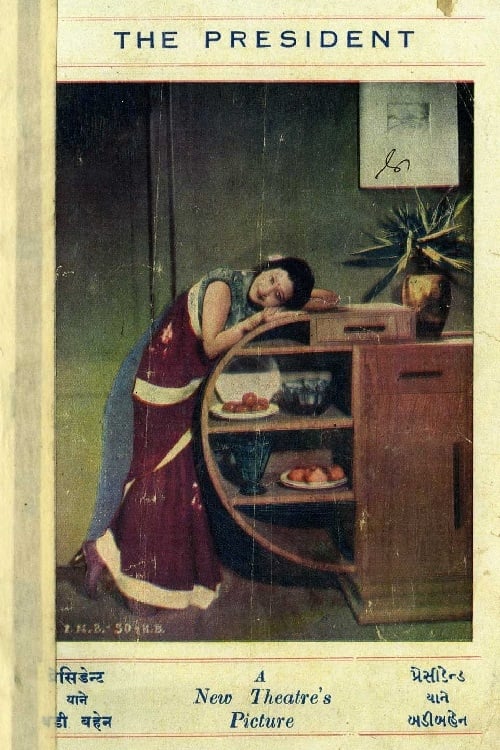
Badi Bahen aka President is a 1937 Hindi social romantic drama film (the Bengali version was called Didi and starred several different actors). The story according to the credit roll of the film is "A tale of love and greater love" developed on an idea by M. M. Begg. It was a love triangle with a social content that highlighted the conditions of the mill workers. It was also the first film to show a liberated educated woman managing her own factory

President

1937
No image
9.0

An early example of social realism that reached its height with 'Udayer Pathey' and more memorably with 'Chhinnamul', 'Doctor' was meant as a stringent critique of practices that were beginning to be deemed as persistant evils that plague society, namely superstitions, religious dogma and discrimination on the basis of caste. However, that would be a far too simplistic reading of the multiple thematic elements that tie together the narrative of 'Doctor'. The idea of caste based discrimination, violence and upper-caste hypocrisy is placed alongside the notions of generational conflict in a father-son relationship and the idea of a ever-widening generation gap especially in the historical and socio-political context of the film.

Doctor

1940
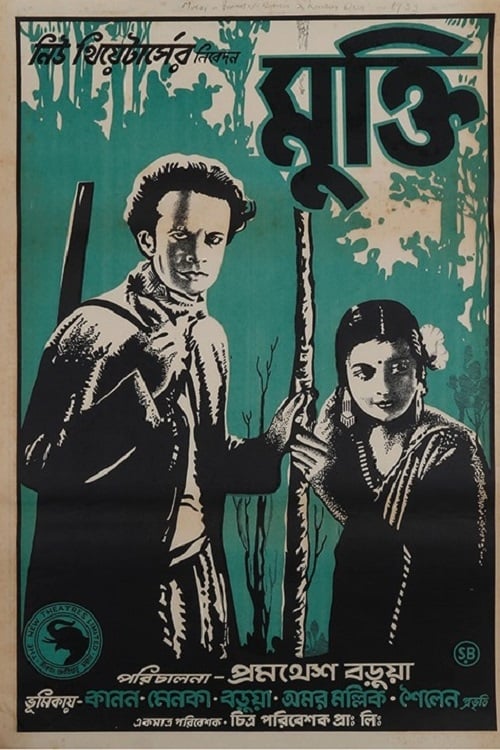
Mukti
8.0

This classic adultery story tells of an artist, Prasanta (Barua) presented in the stereotypically romantic image: dedicated to his vocation, paying no heed to his scandalous reputation (he paints nude models) and with a cavalier attitude to his conservative father-in-law's (Choudhury) demands for a good social behavior.

Mukti

1937
Baradidi
10.0

Suren, prevented by his family from pursuing a university career, leaves home and becomes a tutor to Pramila. He falls in love with her widowed elder sister Madhavi who, although returning his love, has him sacked to save the situation.

Baradidi

1939
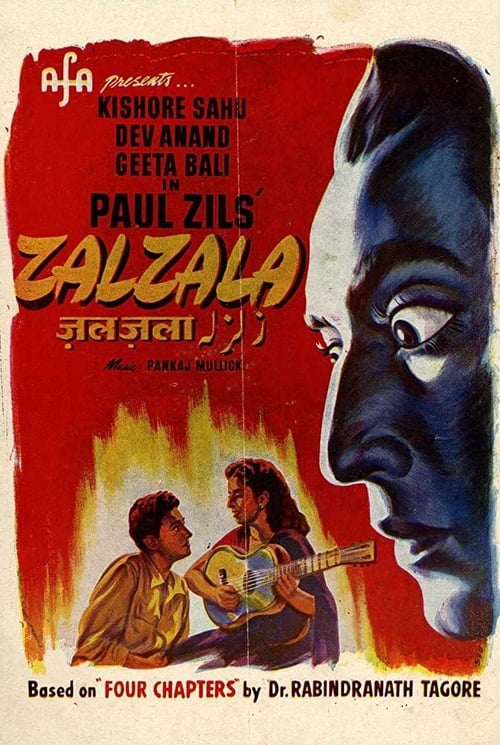
Zalzala
7.0

Bengal's struggle to get rid of British domination by terrorism and underground intrigue.

Zalzala

1952
Grihadaha
10.0

The poor but educated Mahim and his childhood friend, the rich but conservative Suresh, both fall in love with the same woman, the liberated Achala. Mahim marries her and they move to a village but she cannot forget Suresh. Her smoldering unhappiness takes the form of resentment towards the orphaned Mrinal, raised by Mahim's father, and receives a dramatic visual embodiment when their house burns down. Mahim falls ill, is rescued by Suresh, and nursed back to health by Achala. On a train (a metaphor for the irreversibly linear course of life) to a health resort where Mahim is supposed to convalesce, Suresh on a rainswept night gives in to temptation and elopes with Achala. At the end of the film, there is a dubious reconciliation as Achala is shown following Mahim's 'good' traditionalism with Sharatchandra's barely concealed hostility towards Achala's liberated Brahmo Samaj upbringing.

Grihadaha

1936