Peter Campus
Directing
Biography
Born in 1937, Peter Campus studied experimental psychology at Ohio State College and film at the City College of New York. His early tapes explore the anatomy of the video signal in relation to human psychology and perception. "The video camera makes possible an exterior point of view simultaneous with one's own. This advance over the film camera is due to the vidicon tube, similar to the retina of the eye, continually transposing light (photon) energy into electrical energy... It is easy to utilize video to clarify perceptual situations because it separates the eye-surrogate from the eye-brain experience we are all too familiar with." Campus was one of a group of artists in the mid-70s who produced work in the experimental TV labs at WGBH in Boston and WNET in New York. In addition to numerous single-channel works, he has investigated the characteristics of "live" video through closed-circuit video installations and elaborate sculptural works whose structural components included video cameras, projectors, and monitors.
Known For
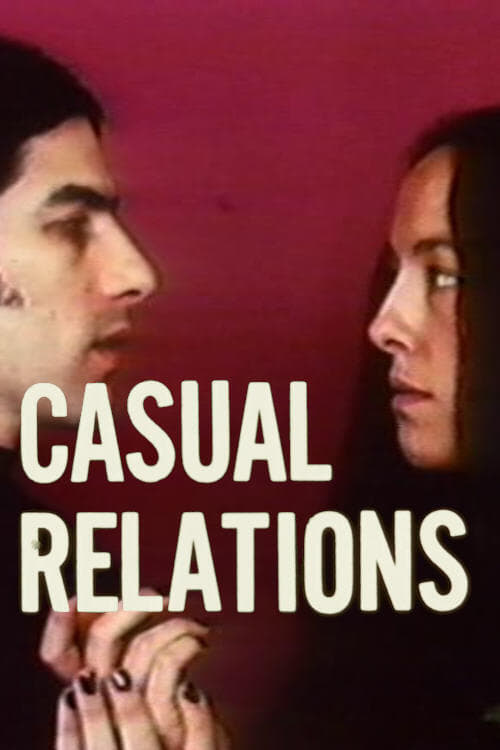
In Rappaport’s dazzling and bizarre feature-length debut, he focuses on states of imaginative possession and dispossession, demonstrating how impossible it is to separate fantasies, dreams, and realities.
Casual Relations
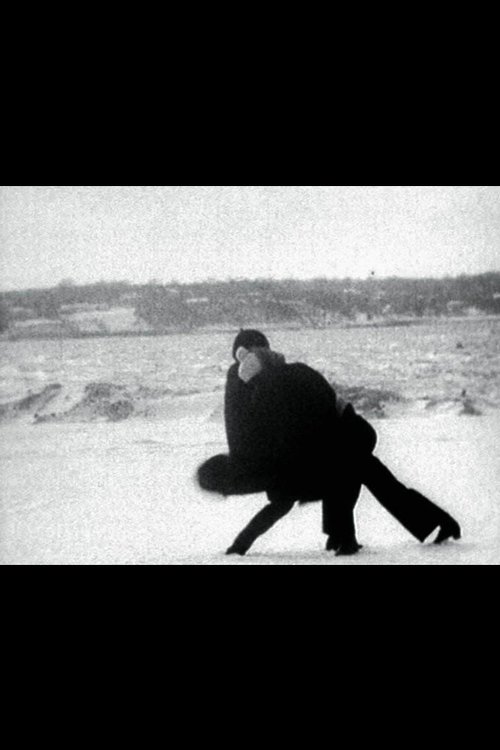
Cutting between snowy fields and a raw seashore, Jonas focuses on a group of performers moving through a stark, windswept landscape. The 16mm film — silent, black and white, jerky and sped-up — evokes early cinema, while its content locates it in the spare minimalism of the late 1960s.
Wind
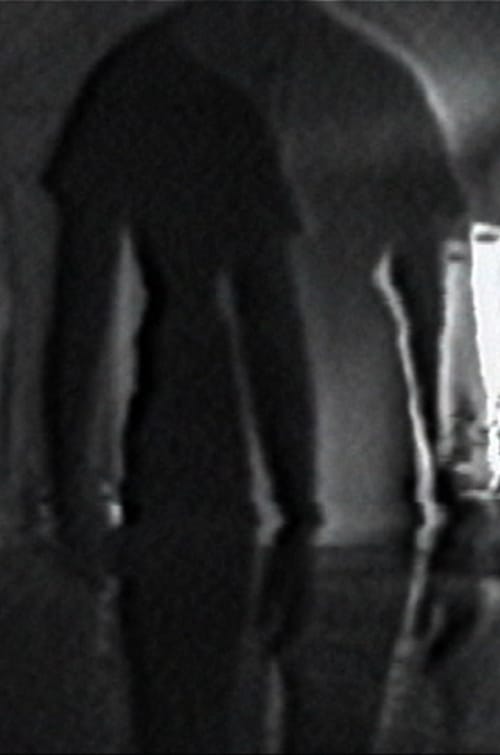
Campus investigates the metaphoric overlap between properties of the video camera and processes of human perception, an area of great interest to many early videomakers. Double Vision inventories strategies for comparing simultaneous images of a loft space produced by two video cameras whose signals are fed through a mixer, thus producing an electronic version of what in film would be called a "double exposure."
Double Vision
Writes Campus, "My most dryly stated tape, free of insinuation, [R-G-B] is simply the exploration by a performer of the color system in which he is trapped, much like a prisoner pacing off his cell." Campus the performer creates a self-portrait within the technical system, transforming video space as he manipulates color physically, mechanically and electronically. Staring directly into the camera, he first places multicolored gels on the lens, then projects slides of pure color. Exploring video's electronic color system, he points the camera at a monitor and adjusts the color switches, creating a chain reaction, a video "hall of mirrors." Finally, he totally immerses his figure in saturated fields of electronic video color, his body ultimately submerged in the technology.
R-G-B
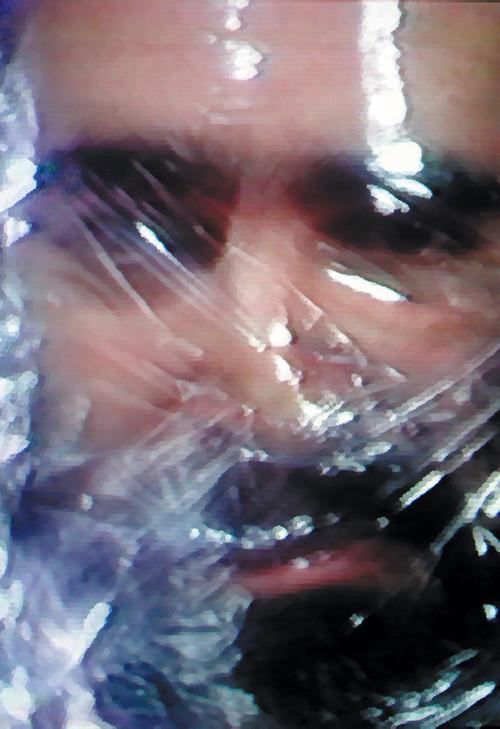
In "East Ended Tape" Peter Campus and Susan Dowling are the subjects of a series of video portraits. The shadow of Dowling's hand passes over her face slowly, obscuring her features. Campus wraps Saran Wrap around his face. Two halves of Dowling's face come together through superimposition as she turns her head around. Campus' face disappears into a cloud of smoke.
East Ended Tape
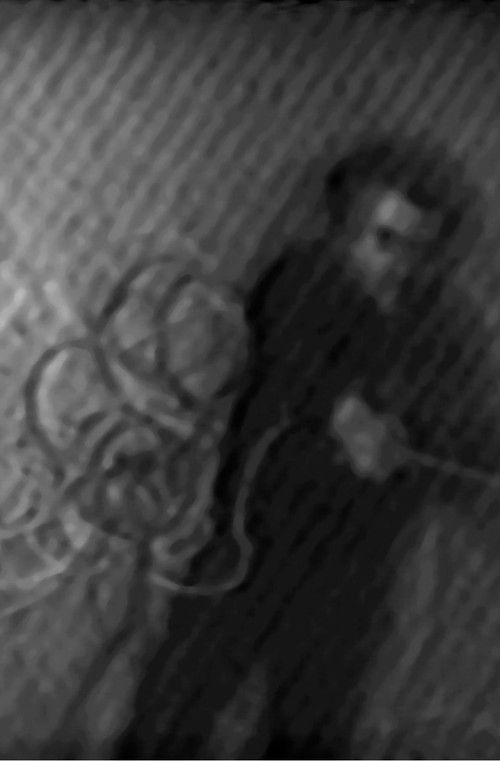
Dynamic Field Series is made up of three elements and four distinct spaces that turn within a closed loop: the artist's body, his electronic double, the ghost of this double and beyond that, the ghost of the viewer.
Dynamic Field Series

shinnecock bay presents two views of the eponymous body of water on the coast of Long Island. Shot five years apart and on opposite sides of the inlet, the two works—leeward and locks eddy —chart the artist’s continued engagement with the sea, and the increasingly sophisticated video technologies he uses to capture it. The videographs (the artist’s name for this medium) differ in style: leeward is heavily abstracted, while locks eddy has a nearly hyperrealistic degree of definition. In each, campus reveals minute shifts in light and color that would be impossible to register with the naked eye. The result is an exhibition inviting one to meditate on the sublime beauty of the natural landscape, while also noting the gap between what we perceive, what the camera records, and what the artist calls attention to in the video.
shinnecock bay: locks eddy
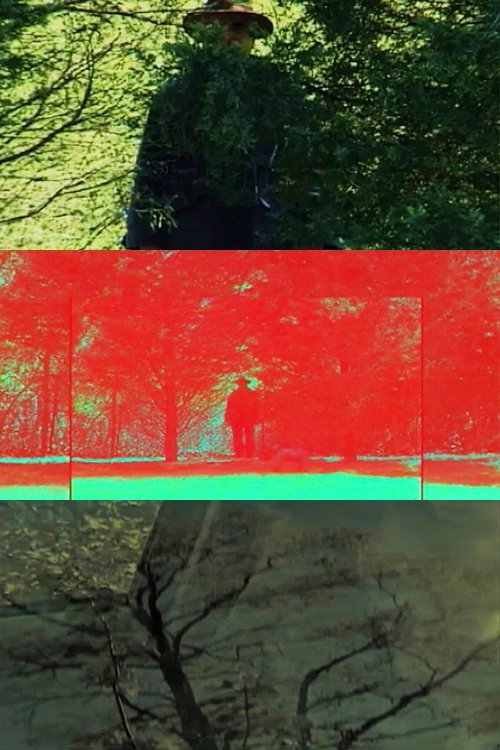
In 2000 [Campus] went through several months of radiation treatment after being diagnosed with cancer. He created a three-part video piece about this harrowing experience called Death Threat, a powerful work about the images behind the images of life. It is his visual death poem, but thankfully, without the death. -Bill Viola
Death Threat
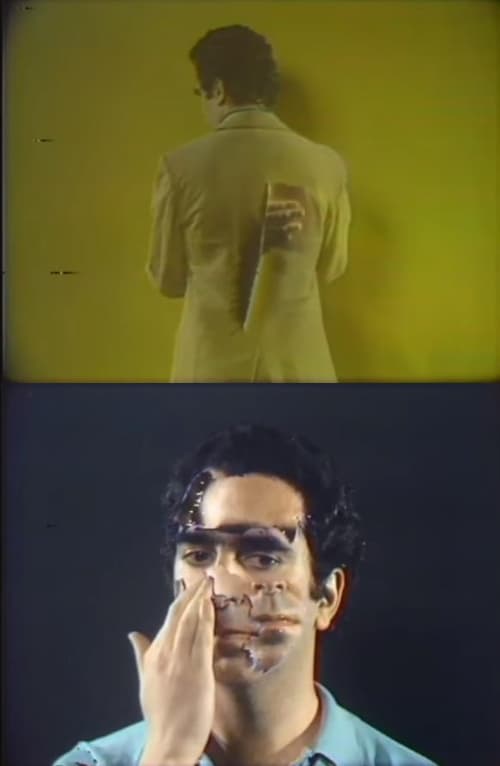
"The tape is one of the seminal works in video. In three short exercises, Campus uses basic techniques of video technology and his own image to create succinct, almost philosophical metaphors for the psychology of the self. In these concise performances, he employs video's inherent properties as a metaphorical vehicle for articulating transformations of internal and external selves, illusion and reality."
Three Transitions
Writes Campus, "I made this tape shortly after my father's death. His death permeates the tape, both in the quality of my performance and in the content. The performer makes a journey out of a seemingly real but obviously theatrical set through a moving corridor (the Holland Tunnel) and into a space of video noise. The idea of a journey from this world to another is most obviously stated, as the self divides into many parts, then finally dissolves into some energy fabric." Here Campus investigates the metaphorical significance of simultaneous and multiple video images coinciding in one time and space. Illusion and reality are conjoined as one image of himself observes another. Dislocation, displacement and transformation are manifested in the proliferation of self-images.
Set of Co-incidence
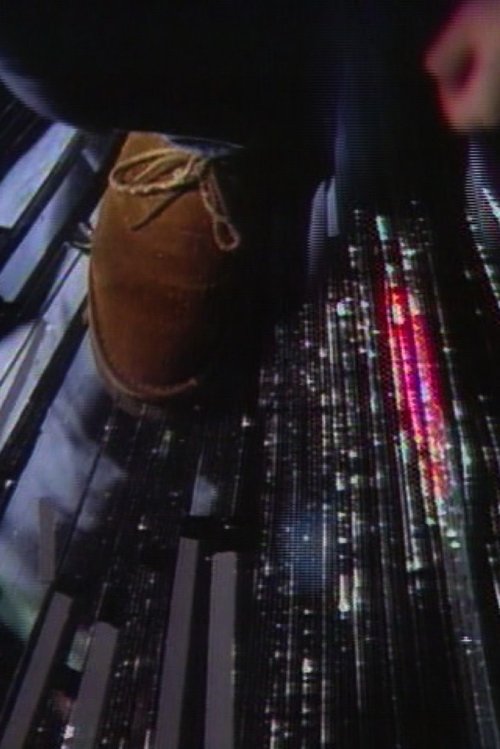
Here, Peter Campus explores video, not as a demonstration of special effects, but as a way of placing his own body in the presence of an immediate double.
Four Sided Tape
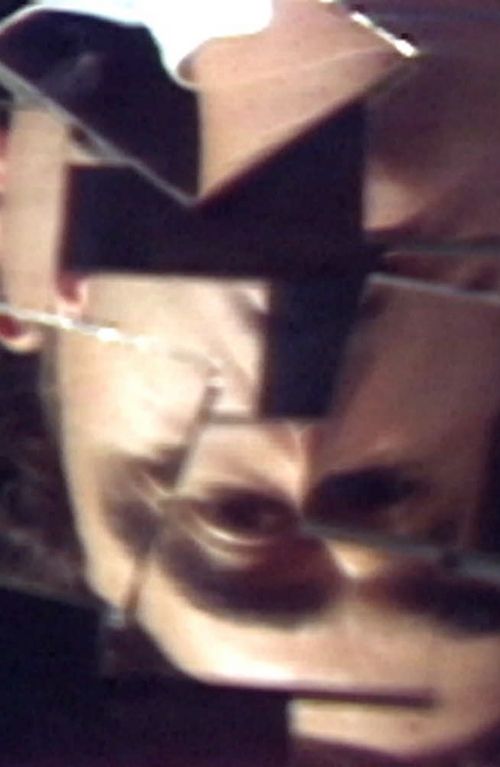
A jumble of mirrored tiles is slowly placed on a table-top, the random heap reflecting a fragmentary portrait of the face of the person performing the act, one that is continually in flux.
Third Tape
Translating to the "world below," Kiva refers to the round chamber used by the Pueblo for ceremonial and social gatherings. The ceremonial chamber was built underground as a representation of the connection between the world in which people lived their day-to-day lives and the ancestral world. Campus described the purpose of this work as a place that puts viewers in a "position of agency...You walk into the room and at first (“Kiva”) is unapparent. Then, there shortly comes the shock of your own image as you activate the camera...I want visitors to explore the room, even the areas out of the camera’s view, because the entire set-up—the space, the camera, even the camera mounts—are intrinsic to them.” [University of Michigan Museum of Art]
Kiva
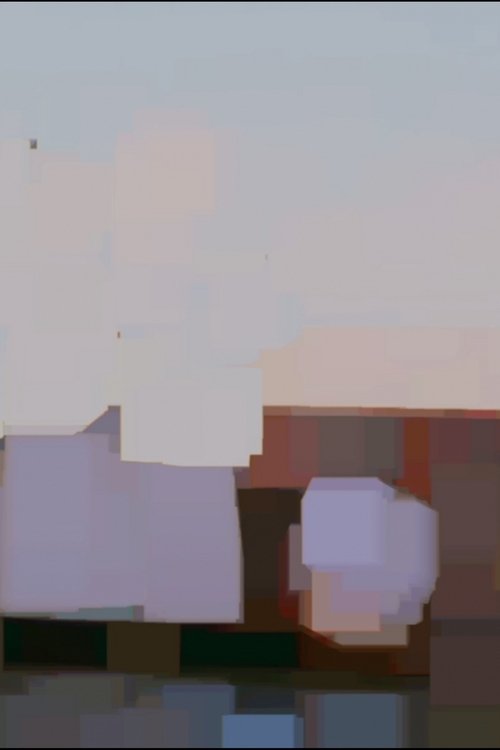
shinnecock bay presents two views of the eponymous body of water on the coast of Long Island. Shot five years apart and on opposite sides of the inlet, the two works—leeward and locks eddy —chart the artist’s continued engagement with the sea, and the increasingly sophisticated video technologies he uses to capture it. The videographs (the artist’s name for this medium) differ in style: leeward is heavily abstracted, while locks eddy has a nearly hyperrealistic degree of definition. In each, campus reveals minute shifts in light and color that would be impossible to register with the naked eye. The result is an exhibition inviting one to meditate on the sublime beauty of the natural landscape, while also noting the gap between what we perceive, what the camera records, and what the artist calls attention to in the video.
shinnecock bay: leeward
Video work by Peter Campus