Robert Pierce
Editing
Known For
The Arkansas school integration crisis and the changes wrought in subsequent years. This film profiles the lives of the nine African-American students who integrated Central High in Little Rock, Arkansas, during the fall of 1957. The film documents the perspective of Jefferson Thomas and his fellow students seven years after their historic achievement. Central to this story is their quiet but brave entrance into Little Rock High, escorted by armed troops under the intense pressure of the on looking crowd. We learn first hand their impressions of the past and present and their hopes for the future. Their selfless heroism broke the integration crisis and pioneered a new era. This film went on to win an Academy Award® for Best Documentary Short in 1964.
Nine from Little Rock
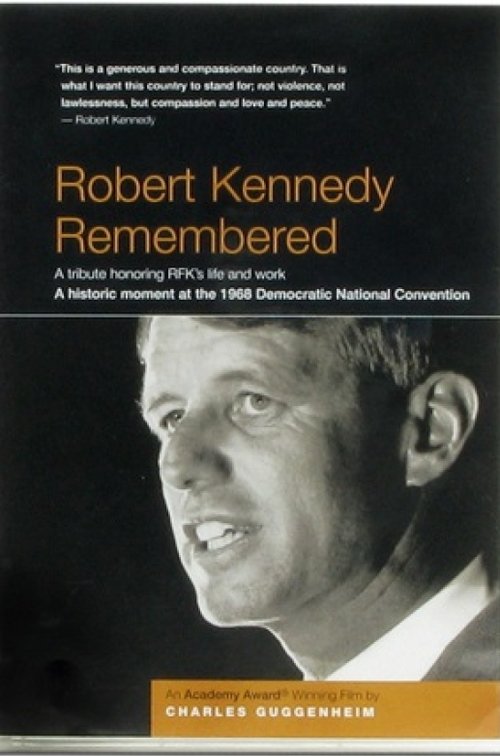
This moving film tribute to a man who had hoped to win the presidency created a historic moment when it brought the Chicago Democratic National Convention to a standstill and the crowd, in tears, to its feet. Commissioned by the Kennedy family, the film begins with the funeral train to Washington, D.C. and follows the triumphs and tragedies in the late Senator's life with extraordinary newsreel footage, archival stills, and home movies. The film was produced in only four weeks, two months after the Senator's assassination, in order to meet the Convention deadline. Guggenheim Productions, with the country's resources at its fingertips, worked around the clock to complete this film honoring RFK's life and the Democratic Party. "Robert Kennedy Remembered" is a poignant film biography that evokes the spirit, quality and commitment Robert Kennedy brought to his life and work. This film went on to win Academy Award® for Best Documentary Short in 1968.
Robert Kennedy Remembered
Documents the early, turbulent years of OEO'S experiment in police-community relations in Washington, DC R.1: Police and citizens express their attitudes toward each other. A citizens committee is appointed by the D.C. government, but dissension ensues over control of the program. Project director, Robert Shallow addresses the group; community leader Marion Barry urges citizen control, A pilot precinct is finally selected. R. 2: Police engage in training sessions, and community leaders struggle to replace the committee with elected representatives. A citizens' board is elected and the white project leader is replaced by a black official, Fred Lander. R. 3: Dissension between OEO and the community continues, but several programs including citizen riders, an emergency center, local police recruiting and an escort service, get underway. The board continues to struggle, and the program is refunded. At the films close, a small boy expresses his bitterness towards the police