Directing
Play for Today is a British television anthology drama series, produced by the BBC and transmitted on BBC1 from 1970 to 1984. During the run, more than three hundred programmes, featuring original television plays, and adaptations of stage plays and novels, were transmitted. The individual episodes were between fifty and a hundred minutes in duration.
Crown Court is an afternoon television courtroom drama produced by Granada Television for the ITV network that ran from 1972, when the Crown Court system replaced Assize courts and Quarter sessions in the legal system of England and Wales, to 1984.
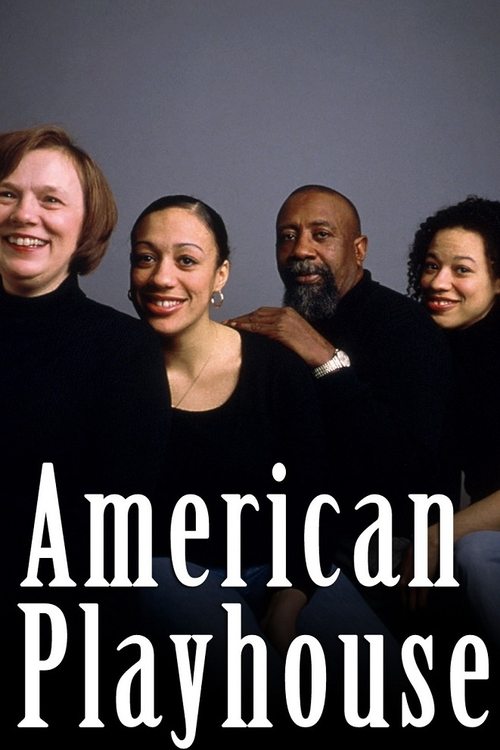
American Playhouse is an anthology television series periodically broadcast by Public Broadcasting Service in the United States.
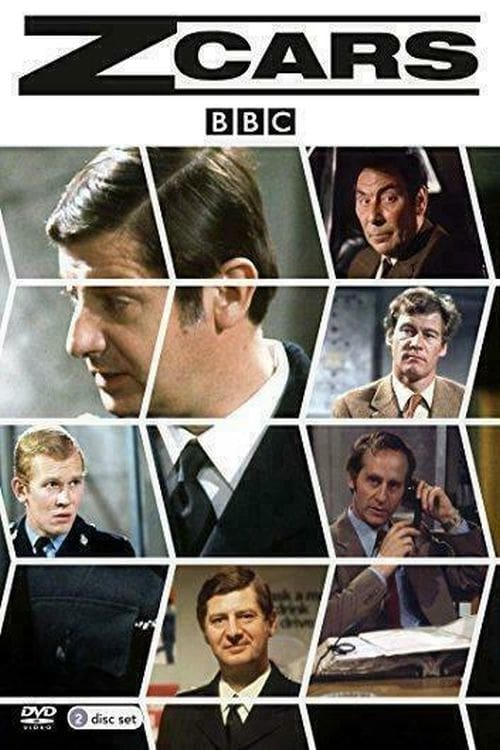
Z-Cars or Z Cars is a British television drama series centred on the work of mobile uniformed police in the fictional town of Newtown, based on Kirkby, Merseyside. Produced by the BBC, it debuted in January 1962 and ran until September 1978.
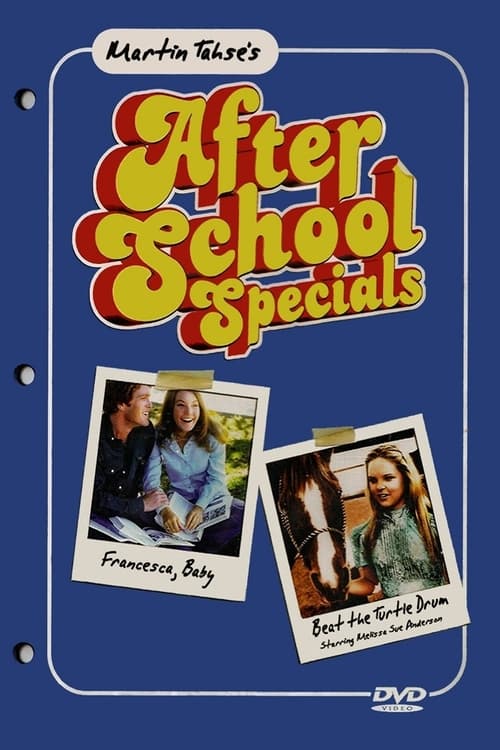
Dramatically presented situations, often controversial, of interest to children and teenagers. Several episodes were either in animated form or presented as documentaries. Topics included illiteracy, substance abuse and teenage pregnancy.
A one-hour anthology television series of one-off contemporary and classic dramas produced by the BBC.
An anthology of short plays shown on BBC Television between 1965 and 1973, used in part at least as a training ground for new writers, on account of its short length, and which therefore attracted many writers who later became well known.
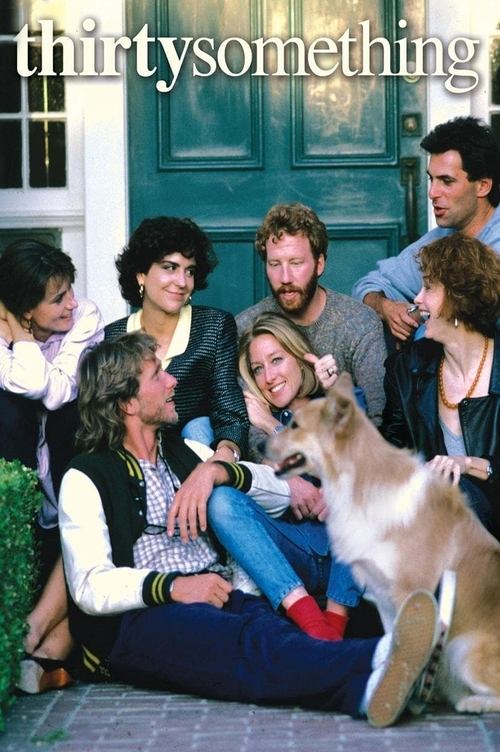
Thirtysomething is an American television drama about a group of baby boomers in their late thirties. It was created by Marshall Herskovitz and Edward Zwick for MGM/UA Television Group and The Bedford Falls Company, and aired on ABC. It premiered in the U.S. on September 29, 1987. It lasted four seasons, with the last of its 85 episodes airing on May 28, 1991. The title of the show was designed as thirtysomething by Kathie Broyles, who combined the words of the original title, Thirty Something. In 1997, "The Go Between" and "Samurai Ad Man" were ranked #22 on TV Guide′s 100 Greatest Episodes of All Time. In 2002, Thirtysomething was ranked #19 on TV Guide′s 50 Greatest TV Shows of All Time, and in 2013 TV Guide ranked it #10 in its list of The 60 Greatest Dramas of All Time.
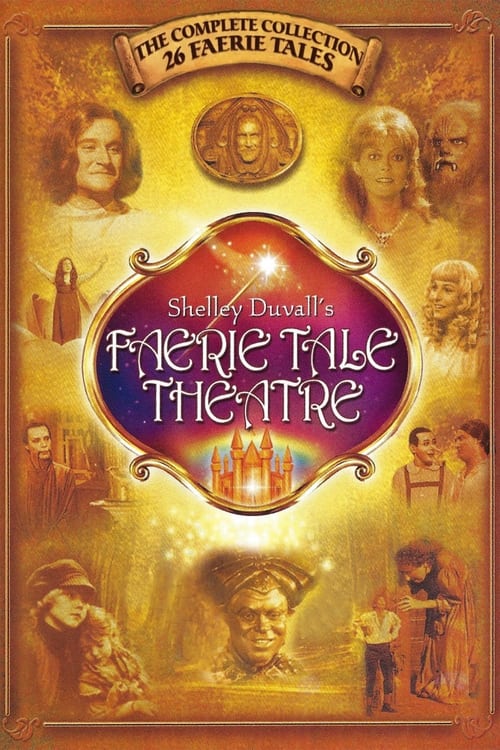
A live-action children's television anthology series retelling popular fairy tales.
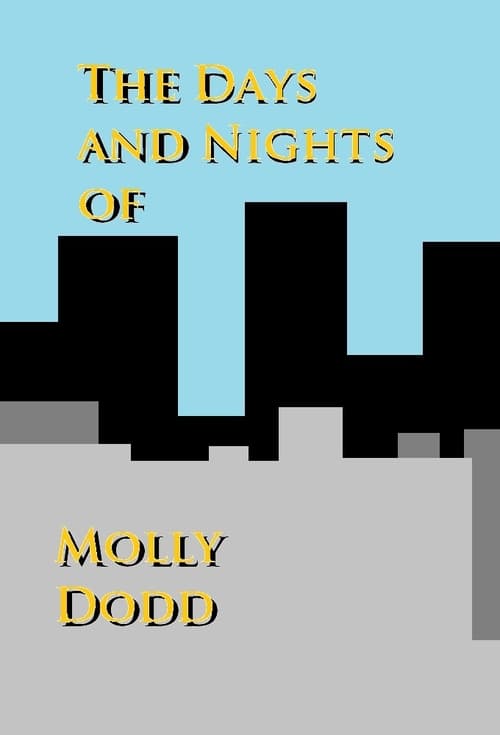
Molly Dodd, a divorced woman in her mid-thirties living in New York, navigates the ups and downs of a rapidly changing career, the challenges of apartment life, and the complexities of love and its consequences.
NET Playhouse is an American dramatic television anthology series produced by National Educational Television. NET subsequently merged with WNDT Newark, New Jersey to form WNET and was superseded by the Public Broadcasting Service. American television anthology series of wide range of genres, from history and drama, to fantasy, and science fiction. Fiction novels, stories, stage plays, fairytales, and historic events are dramatized in each episode.
Anthology series of half hour plays produced in BBC's Television Centre's studios.
The ABC Weekend Specials is a weekly 30-minute anthology TV series for children that aired Saturday mornings on ABC from 1977 to 1997. It featured a wide variety of stories that were both live-action and animated. Similar to both the ABC Afterschool Special and The ABC Saturday Superstar Movie that had started five years previous, the ABC Weekend Specials differed in that it was primarily aimed at younger viewers following ABC's Saturday Morning cartoon lineup, whereas the ABC Afterschool Special was known for its somewhat more serious, and often dramatic storylines dealing with issues concerning a slightly older teen and pre-teen audience. With the debut of the ABC Weekend Specials, some of the early ABC Afterschool Specials that had been targeted towards younger viewers were subsequently repackaged and re-run instead as ABC Weekend Specials.
CBS Schoolbreak Special is an American anthology series for teenagers that aired on CBS from April 1980 to January 1996. The series began under the title CBS Afternoon Playhouse, and was changed during the 1984 - 85 season. The concept was very similar to ABC's Afterschool Special.
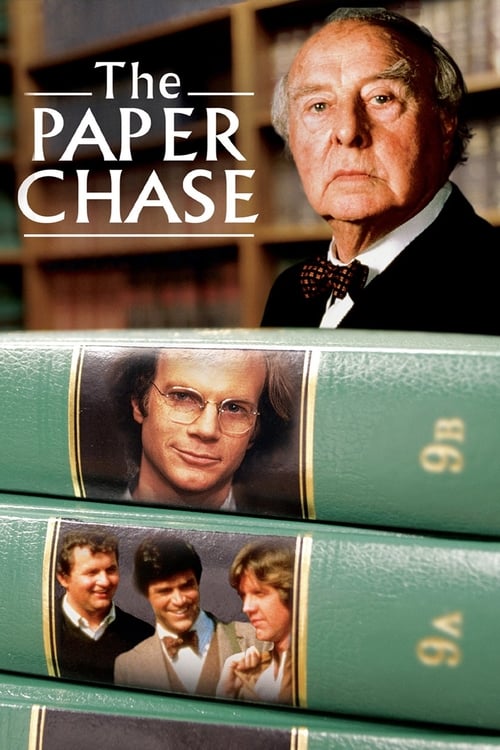
Critically lauded drama about the life and pressures of a group of students at a prestigious Eastern law school, with a strict and domineering contract-law professor named Charles Kingsfield, who alternately inspires and terrifies the students.
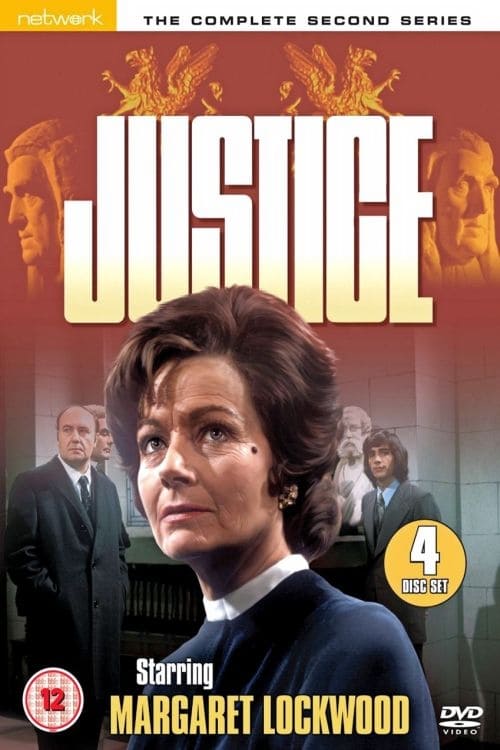
Justice is a British drama television series which originally aired on ITV in 39 hour-long episodes between 8 August 1971 and 16 October 1974. Margaret Lockwood stars as Harriet Peterson a female barrister in the North of England. It was made by Yorkshire Television and was based loosely on Justice Is a Woman, an episode of ITV Playhouse broadcast in 1969 in which Lockwood had previously also played a barrister. The theme music was Crown Imperial by William Walton.
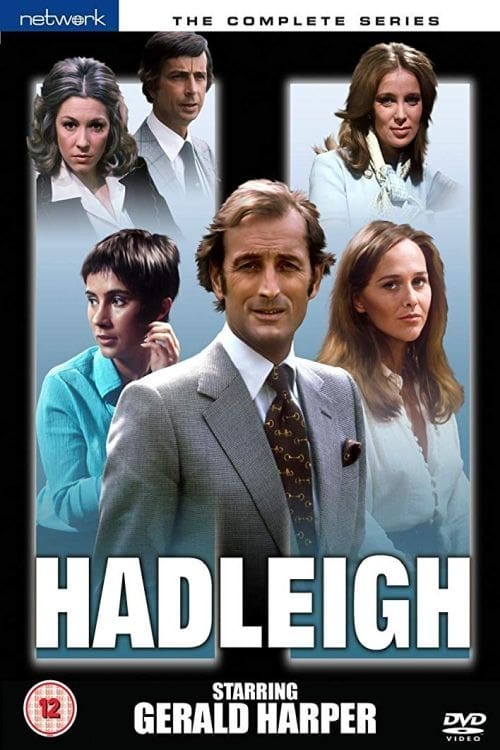
Hadleigh was a British television series made by Yorkshire Television which originally ran from 1969 to 1976. Developed by Robert Barr, it was a sequel to the writer's earlier Gazette for the same company. The theme music was composed by Alan Moorhouse and, from series 3, Tony Hatch. James Hadleigh played by Gerald Harper, was "the perfect squire, paternalistically careful of his tenantry's welfare, beloved in the village, respected in the council." A "knight in a shining white Aston Martin V8, he sets about correcting local injustices." His wife, from a lower-class background, was played by Hilary Dwyer. The series attracted around 17 million viewers at its peak.
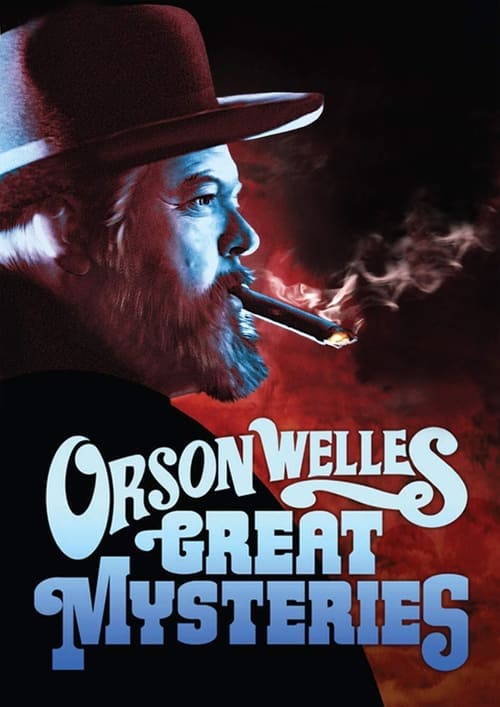
Orson Welles’ Great Mysteries is a British television anthology series produced by Anglia Television for the ITV network and broadcast between 1973 and 1974. The series presents standalone adaptations of classic mystery, crime, and supernatural stories drawn from literary sources including Dickens, Conan Doyle, Wilkie Collins, Balzac, Maugham, O. Henry, and others. Each episode is framed by original introductory and closing sequences performed by Orson Welles, who serves as the series’ host and sole recurring on-screen presence. These segments, written and directed by Welles (uncredited), function as stylized narrative framing devices rather than dramatic participation in the stories themselves. The dramatic content of each episode is performed by separate casts and directors, with no continuing characters or serialized narrative, establishing the series as a unified television anthology rather than a collection of standalone films.
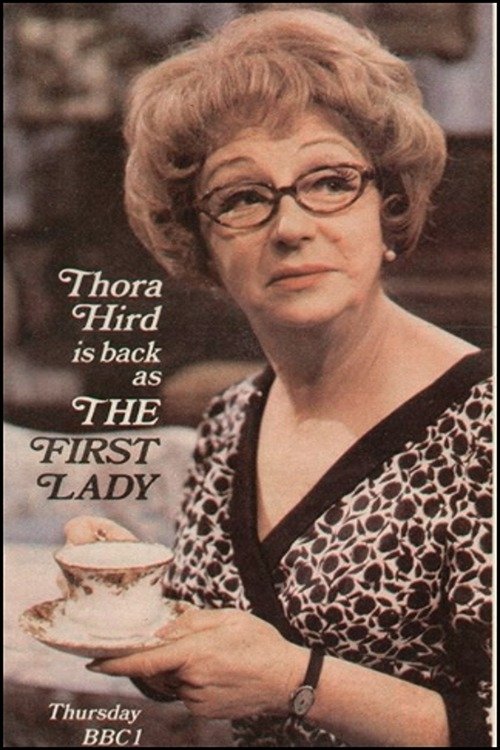
The First Lady is a British television drama produced for BBC One, starring Thora Hird as crusading local councillor Sarah Danby, set around the fictional Lancashire borough of Furness. Capitalising on the popularity of its lead actress, The First Lady was a down-to-earth series exploring the inner workings of local government.
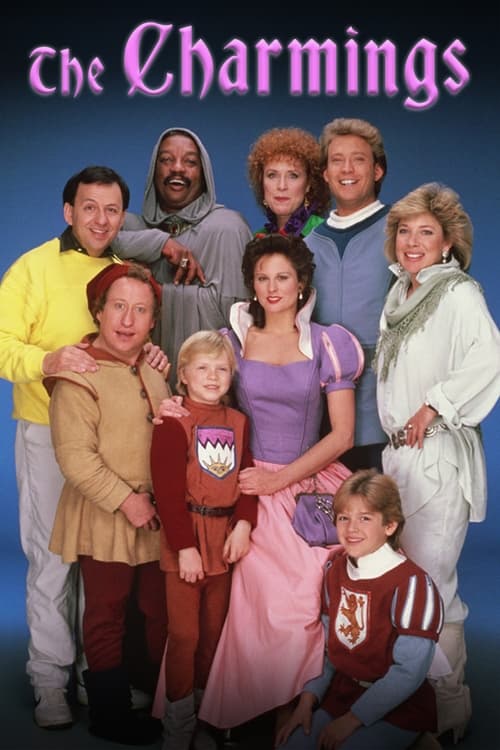
The Charmings is an American fantasy sitcom that aired from March 1987 to February 1988 on ABC. Based on the fairy tale Snow White, it chronicles Snow White and Prince Charming after they are transported in time from the Enchanted Forest to the 20th Century Los Angeles suburbs.