Michael Kustow
Production
Known For
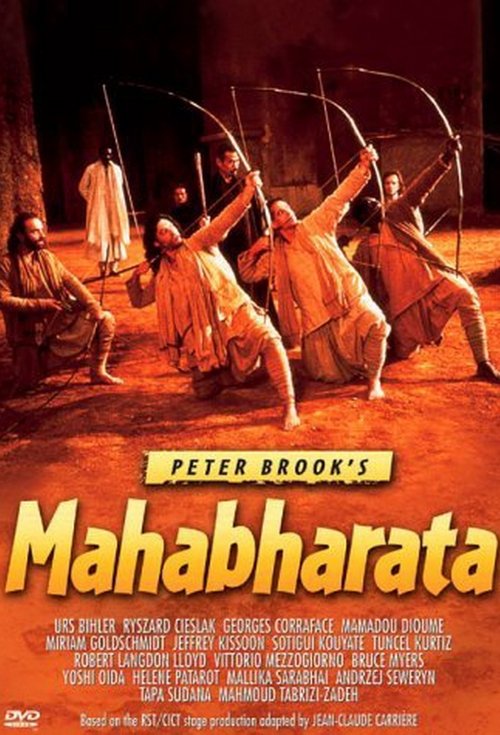
The Mahabharata is a 1989 film version of the Indian epic based on the history of India, Mahabharata directed by Peter Brook. Brook's original 1985 stage play was 9 hours long, and toured around the world for four years. In 1989, it was reduced to under 6 hours for television. Later it was also reduced to about 3 hours for theatrical and DVD release. The screenplay was the result of eight years' work by Peter Brook, Jean-Claude Carrière and Marie-Hélène Estienne. For the casting an international selection of actors was intentionally chosen, to show that the nature of the Indian epic is the story of all humanity.
The Mahabharata
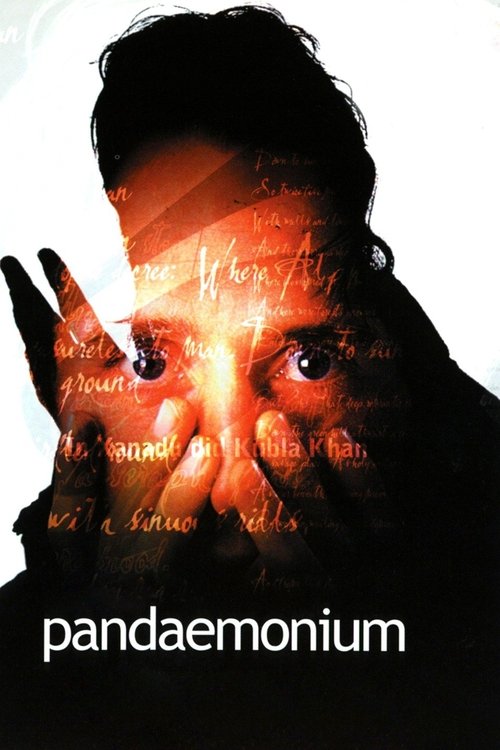
Samuel Taylor Coleridge, an unstable but brilliant poet, becomes friends with the unknown William Wordsworth, and together they set out to recreate English poetry in the spirt of liberty and democracy. As time goes by, cracks begin to appear in the relationship. Sam becomes addicted to opium, while William's ego and ambition distance him further from his friend.
Pandaemonium
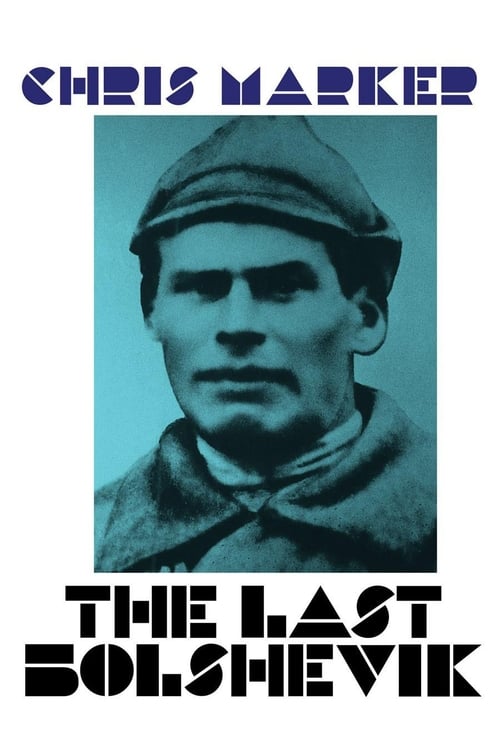
A documentary on Soviet filmmaker Aleksandr Medvedkin, examining his tumultuous career, the rediscovery of his masterpiece Happiness, and Russia's struggles over the course of the 20th Century.
The Last Bolshevik
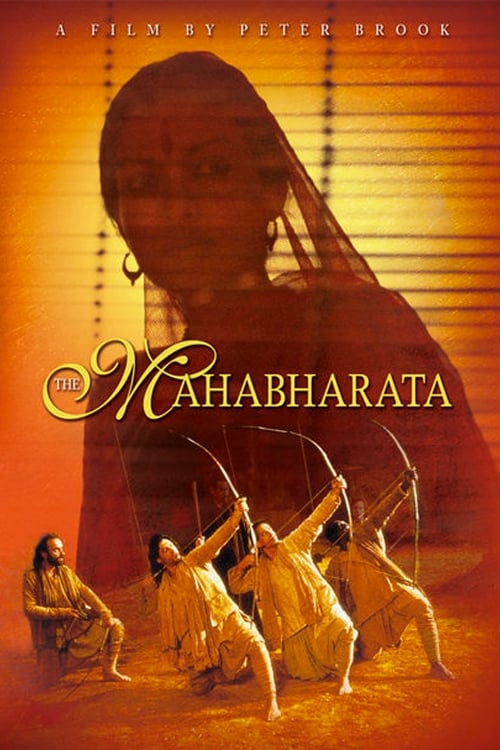
One of the great masterpieces of world literature comes to vivid life in an elaborate production from acclaimed theater and film innovator Peter Brook. This collection of ancient Sanskrit stories (composed into the longest book ever written) comprises a series of enlightened fables at the heart of countless beliefs, legends, and teachings; indeed, its very title means "the great story of mankind." Brook and writer Jean-Claude Carriere worked for eight years to develop this epic concerning two sides of a royal family, the Pandavas and the Kauravas, whose struggle leads to a fascinating voyage of emotions, passion and vision of glory. Briefly, the Mahabharata is a tale of two rival sets of brothers, cousins to eachother, each born into royalty and with divinely guided paths in life. The result, however, is a great war, death, destruction - a vast epic.
The Mahabharata
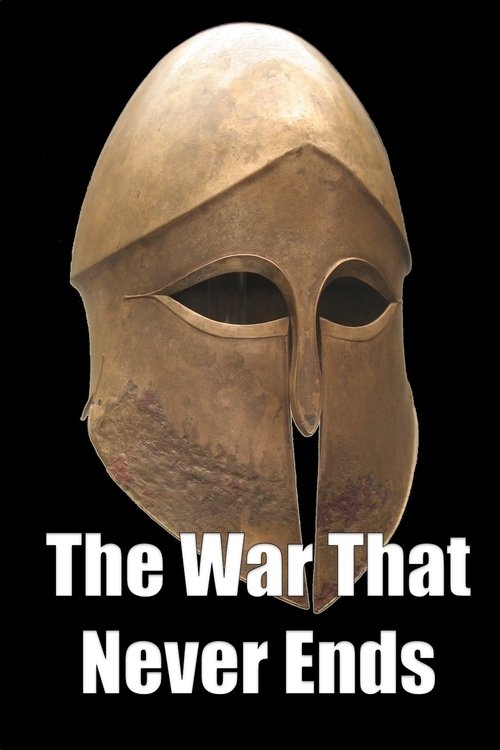
The Peloponnesian Wars (Athens versus Sparta for twenty-seven years) told in the format of news broadcast-like monologues by Theucydides, Plato, and others.
The War That Never Ends
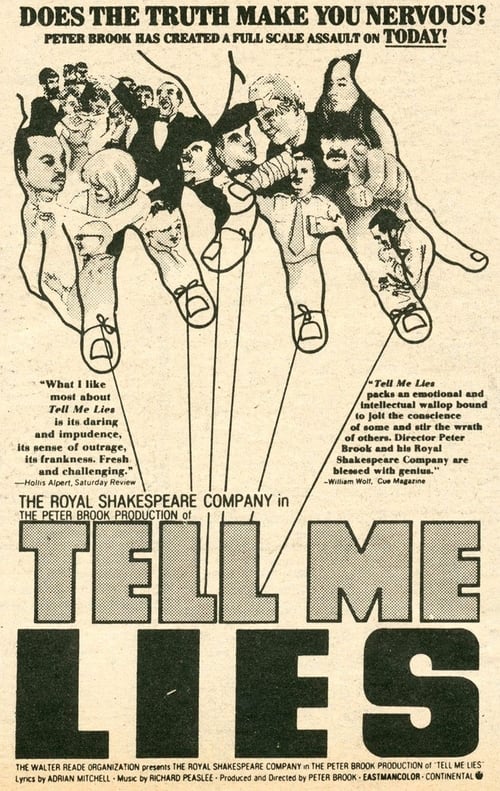
Adapted and directed by Peter Brook from the Royal Shakespeare Company’s ‘production-in-progress US’, this long-unseen agitprop drama-doc – shot in London in 1967 and released only briefly in the UK and New York at the height of the Vietnam War – remains both thought-provoking and disturbing. A theatrical and cinematic social comment on US intervention in Vietnam, Brook’s film also reveals a 1960s London where art, theatre and political protest actively collude and where a young Glenda Jackson and RSC icons such as Peggy Ashcroft and Paul Scofield feature prominently on the front line. Multi-layered scenarios staged by Brook combine with newsreel footage, demonstrations, satirical songs and skits to illustrate the intensity of anti-war opinion within London’s artistic and intellectual community.
Tell Me Lies
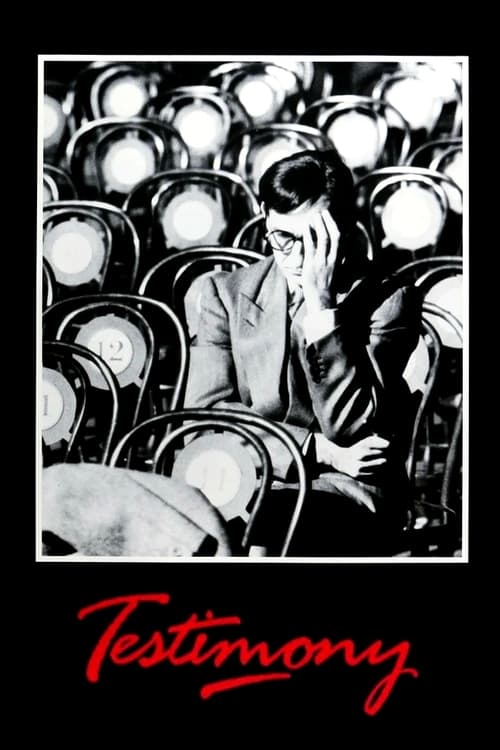
The story of the great Soviet composer Dmitri Shostakovich (1906-1975) and his life and career during the rule of Stalin.
Testimony
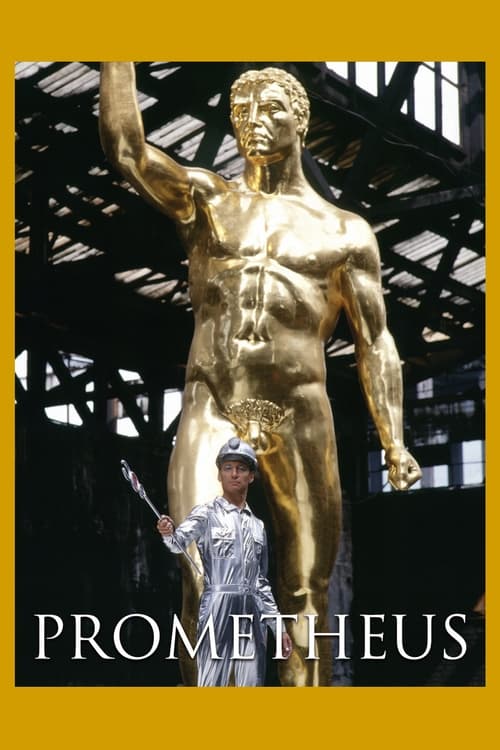
Tony Harrison's poetic essay on the working class - in particular the British miners -, its struggles, its dreams and its icononography - at the very end of the 20th century, as interpreted through the myth of Prometheus.
Prometheus
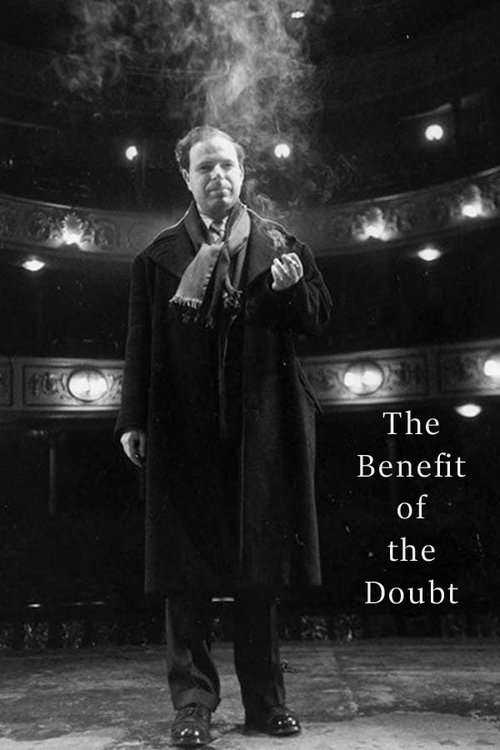
A documentary following US, Peter Brook's experimental play about the moral issues surrounding the Vietnam War, Benefit of the Doubt is the only known film record of the Royal Shakespeare Company production. It was filmed by Peter Whitehead concurrently with his Tonite Let's All Make Love in London (1967), on the surface a very different film, yet both share a central concern with the war, protest and Britain's political and cultural relationship with America.
The Benefit of the Doubt
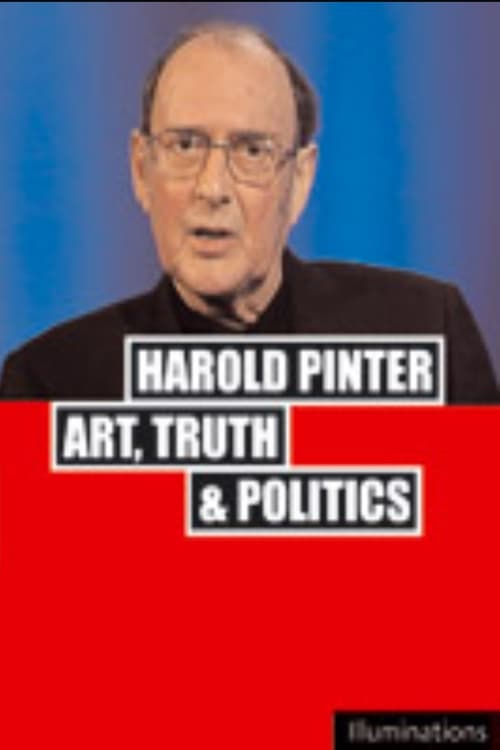
Nobel Lecture delivered on video by the 2005 Nobel Laureate in Literature Harold Pinter (1930–2008), who was at the time hospitalised and unable to travel to Stockholm to deliver it in person.