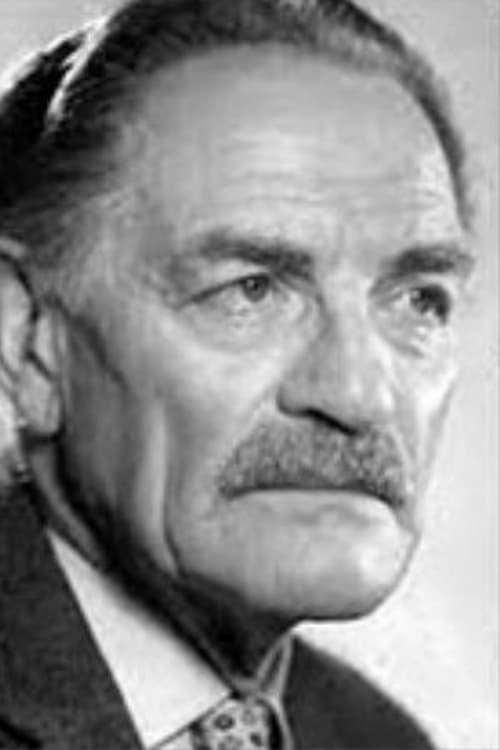
Hans Pössenbacher
Acting
Known For

Derrick was a German TV series produced by Telenova Film und Fernsehproduktion in association with ZDF, ORF and SRG between 1974 and 1998 about Detective Chief Inspector Stephan Derrick and his loyal assistant Inspector Harry Klein, who solve murder cases in Munich and surroundings.
Derrick
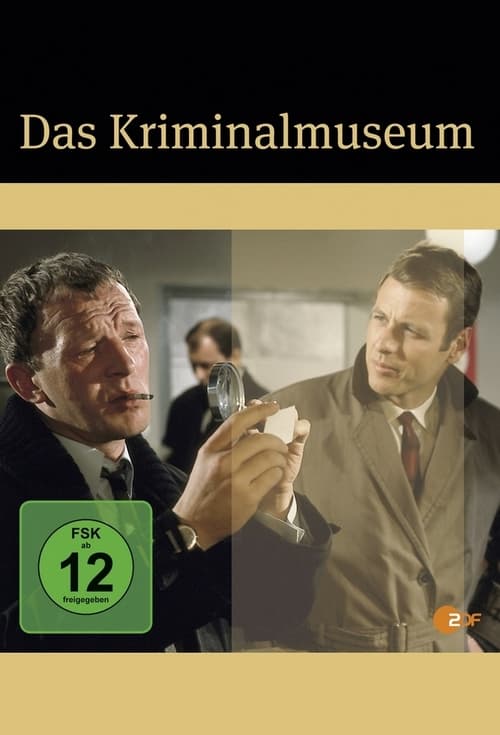
Das Kriminalmuseum was a German television series. It ran from 1963 to 1970 on ZDF and was one of its first programs. Each episode began with a tracking shot through an unspecified crime museum, stopping at one of the displays, whose story was then told. Each episode was between 60 and 75 minutes long and featured different actors as the criminal commissioner. The best known was Erik Ode, who in 1969 moved to Der Kommissar, appearing in 97 episodes. The theme music of the series was written by German composer Martin Böttcher, who also composed the complete scores for five episodes.
Das Kriminalmuseum
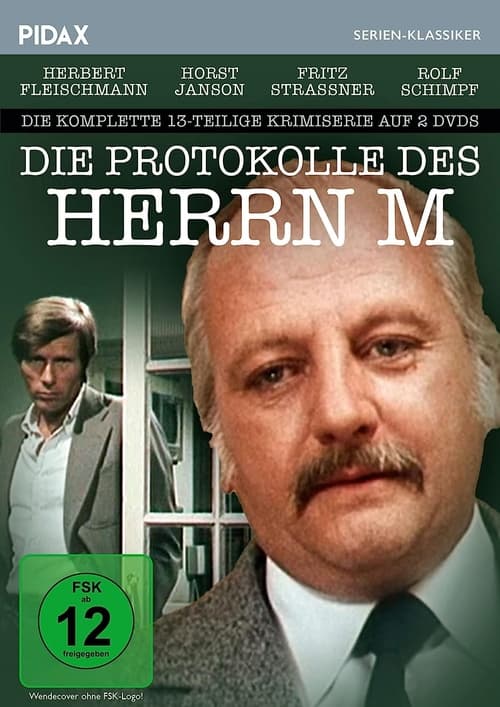
No description available.
Die Protokolle des Herrn M
No description available.
Kleider machen Leute
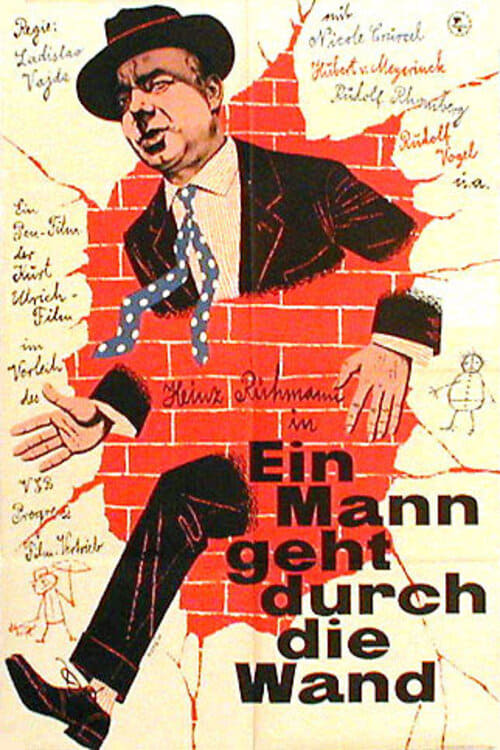
Mr. Buchsbaum, third class taxes employee, lives a peaceful life until the new chief immediately criticizes his work. His only confort is his stamps collection. Sadly, even this consolation and his peace are threatened by a new, charming, neighbour who teaches piano. Increasingly infuriated, he discovers accidentally one evening that he has the ability to go through walls. With this power, he decides to settle the scores, firstly with his boss who downgraded him.
The Man Who Walked Through the Wall
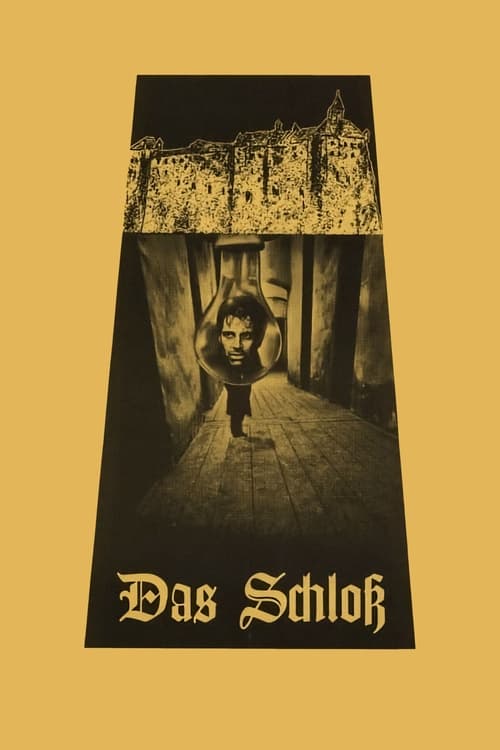
A man comes to a small village to begin his new job as an attendant at the nearby castle. But everybody in the village claims that he surely must be mistaken, there is no need for an attendant at the castle.
The Castle
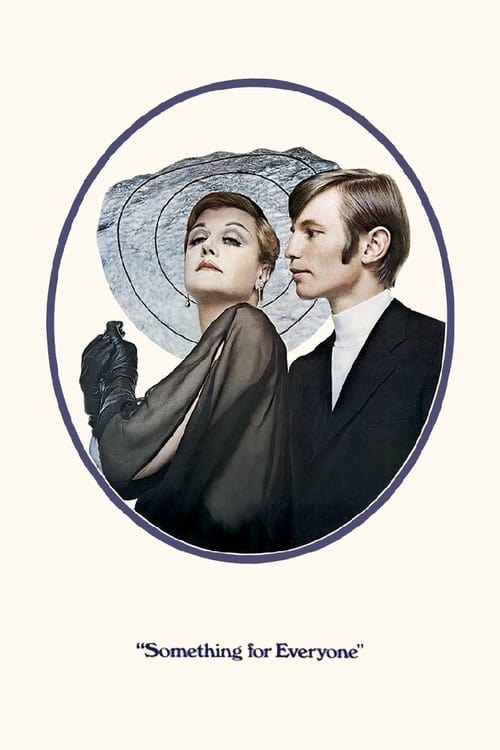
In post-war Austria, an opportunistic young man begins working as a footman to a widowed countess and uses his sexual talents to better his station in life.
Something for Everyone
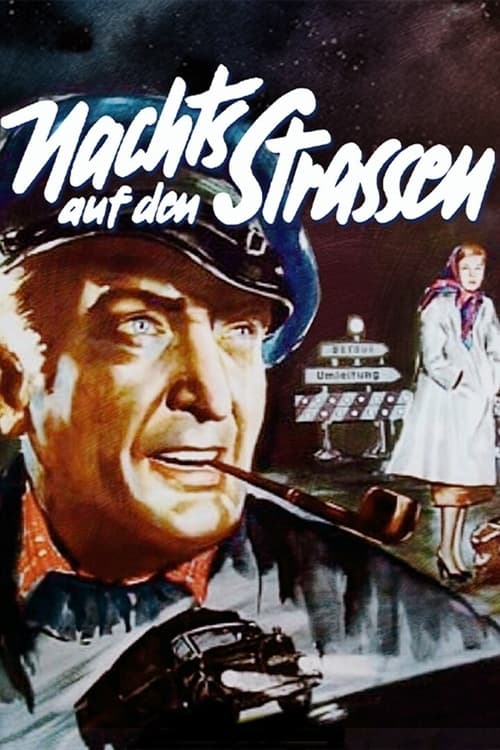
An aging truck driver finds smuggled money and becomes involved with a hijacking crowd.
Nights on the Road
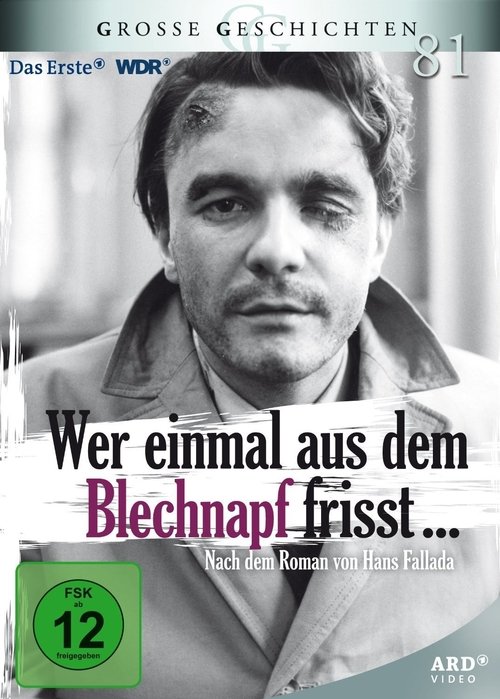
After serving five years Willi soon learns that his new life is another kind of prison since no one trusts an ex-convict. His uphill struggle for a job and shattered hopes of a normal existence grind him down to utter despair.
Wer einmal aus dem Blechnapf frisst
No description available.
Die Bekehrung des Ferdys Pistora
No description available.
Vor Nachbarn wird gewarnt
No description available.
Die eigenen vier Wände
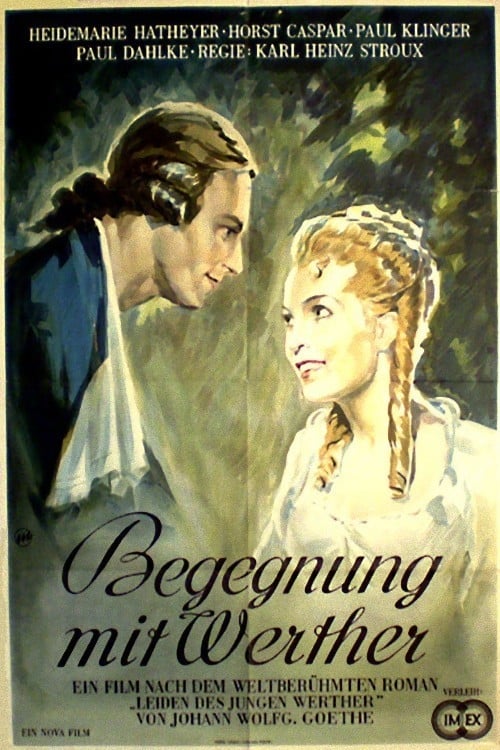
No description available.
Begegnung mit Werther
No description available.
Die Bernauerin
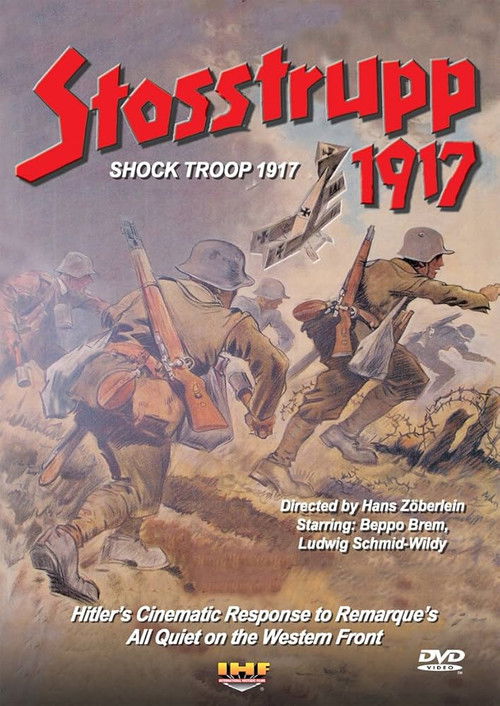
This powerful anti-war film statement focuses on the plight of a German unit in World War I that finds itself surrounded by British and French forces.
Shock Troop

The third part of Paul May′s "08/15" trilogy based on the novel by Hans Hellmut Kirst takes place shortly before the end of World War II: In the spring of 1945, the German troops are practically defeated, and the battalion of Kowalski, major general von Plönnies and Asch who had risen to the rank of lieutenant in the meantime is left to its own devices to a large extent. They hope to be able to wait for the end of the war without having to encounter any combat operations. At the same time, Asch tries to prevent high-level Nazi officers from disappearing unnoticed and from cashing in on the chaotic circumstances.
08/15 at Home
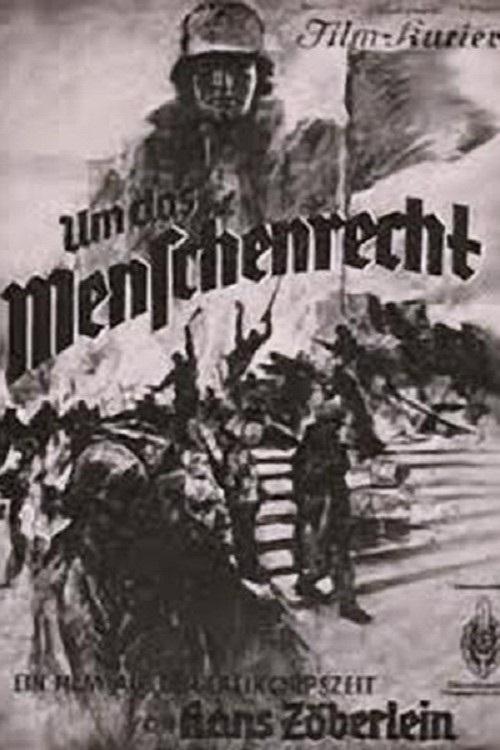
This Nazi propaganda film tells about the "freikorps" movement in post-World War I Germany. Freikorps were armed extreme-right-wing paramilitary groups, often composed of street thugs, ex-convicts and unemployed veterans, who engaged in street battles and assassinations of political opponents, usually leftist or Communist groups. Many of these "freikorps" were absorbed into the S.A. (Storm Troopers) and, later, the SS after Adolf Hitler came to power
Um das Menschenrecht
No description available.
Der Komödienstadel - Der Hunderter im Westentaschl
No description available.
Der Unbestechliche
No description available.