
Christopher Harris
Directing
Biography
Christopher Harris is an associate professor of film and video production in the Department of Cinematic Arts at the University of Iowa. He makes films and video installations that read African American historiography through the poetics and aesthetics of experimental cinema.
Known For
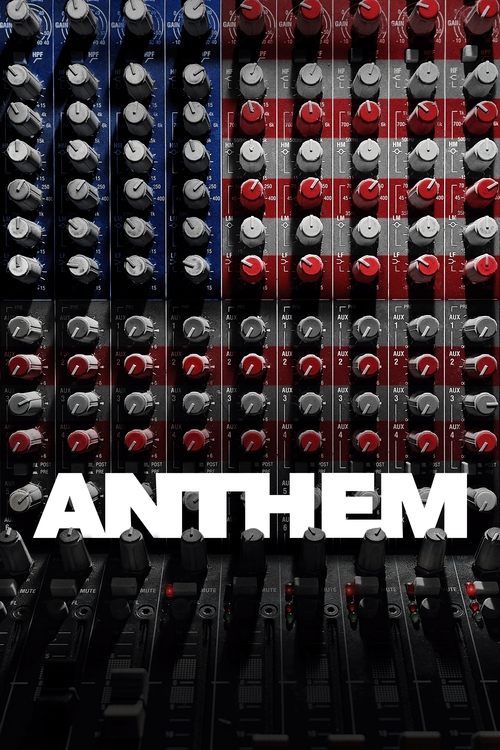
What would it sound like if the national anthem was written today? Anthem follows composer Kris Bowers and producer Dahi on a musical road trip across the country to reflect on “The Star-Spangled Banner” to find out.
Anthem
A 16mm experimental film that analogizes the discourse of racialized criminality and the carceral apparatus, which surveils and delimits the movements of Black people’s bodies, with the conventions and mechanics of the cinematic apparatus which regulates and standardizes the movement of the filmstrip through the motion picture camera and projector. Equal parts essay and visual art, Speaking in Tongues embodies the cinematic Black ecstatic that simultaneously re-envisions resistance defiance in the face of anti-Black state violence and subverts the conventions of cinematic realism through a manually and optically altered collage of original documentary and archival film sourced from Hollywood movies, television commercials, educational films, cartoons, European art cinema and miscellaneous ephemera.
Speaking in Tongues: Take One
A global portrait documenting the year's events, Cinetracts '20 features the work of an international lineup of 20 filmmakers. Capturing the zeitgeist in their own backyard, the artists' short films are the culmination of a year-long residency project.
Cinetracts '20
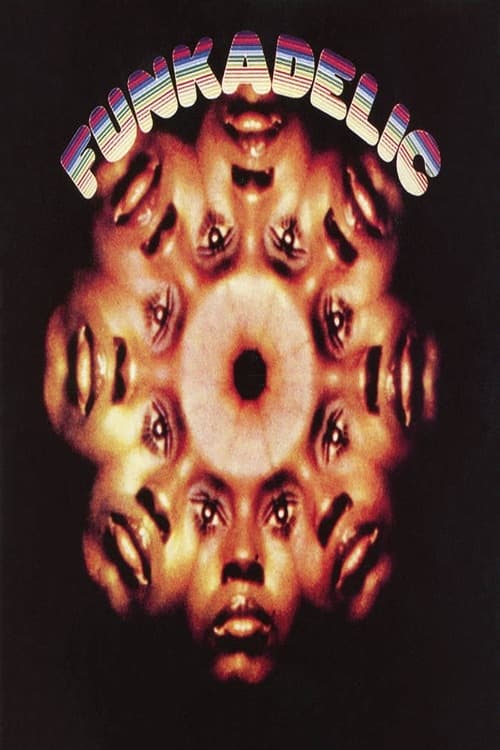
George Clinton's somewhat absurdist take on Parliament-Funkadelic history. Features never-before-granted access to his archive and spotlights his alter egos and friends
Mommy, What's a Funkadelic?
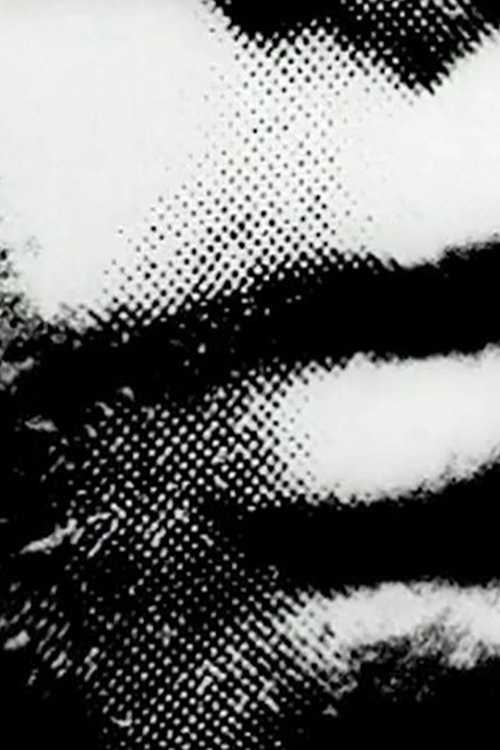
Taking its name from the Jim Crow-era prohibition against black men looking at white women, this hand processed, optically printed amalgam is a hypnotic inspection of sexual desire, racial identity, and film history.
Reckless Eyeballing
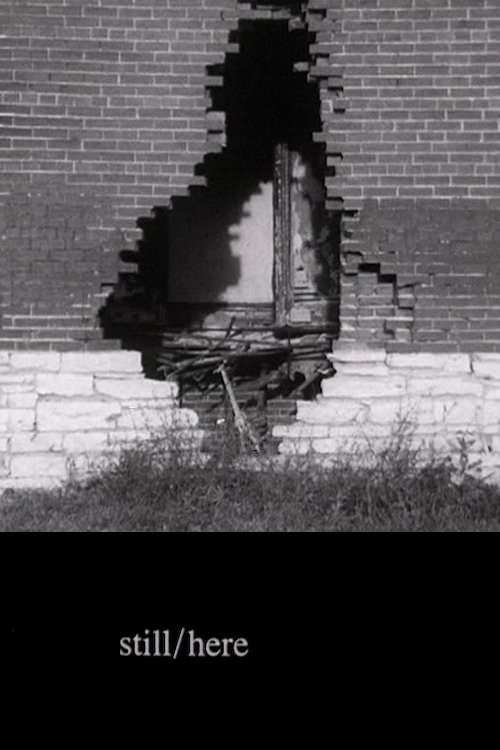
In this austere and sorrowful portrait of his hometown, St. Louis, Harris sets his black-and-white 16mm camera loose to wander through the city’s decaying northside neighborhoods, an area populated almost exclusively by working class and working poor African Americans. Gliding down empty streets, across the facades of once-elegant homes, entering condemned buildings, the camera makes a detached but ultimately damning portrait of civic neglect and apathy. Poignantly, human beings are rarely encountered; their presence haunts the soundtrack of eerie footsteps, an unanswered telephone, and sparse voiceover commentary from found sources.
still/here
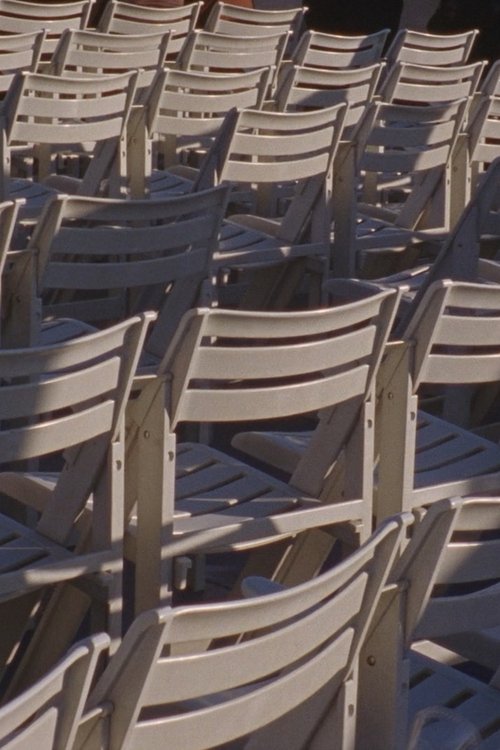
A sunny afternoon on an architecture tour boat in Chicago is haunted by the specter of the European refugee crises as a disembodied narrator recounts a much more dangerous voyage across altogether different waters. The hazardous journey is the unseen other of the carefree trip down the Chicago River and across Lake Michigan.
Distant Shores

Frenzied voices on the Chicago Police Department’s scanner call for squad cars and reprisals during the 2020 uprising in response to the murders of George Floyd, Breonna Taylor, and Ahmaud Arbery, as Google Earth tracks the action through simulated aerial views of urban spaces and the vast Cook County Department of Corrections, the country’s third-largest jail system. In Christopher Harris’s Dreams Under Confinement, the prison and the street merge into a shared carceral landscape.
Dreams Under Confinement

This film uses close focus cinematography of text from commercial house paint samples to suggest a mythology of light and shadow. The audience is asked to participate during the screening by reading the paint names aloud. — Anthology Film Archives
b/w
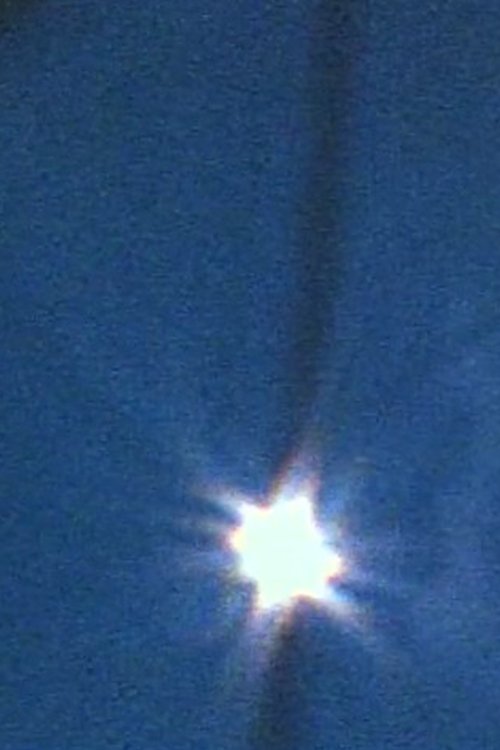
"Florida, 2007. In a quiet outer suburb of the Milky Way galaxy, we live our lives in the pleasant warmth of our middle-of-the-road star, the Sun. Slowly, but surely...there will be one last perfect sunny day" -- International Film Festival, Rotterdam.
Sunshine State (Extended Forecast)

"Approximates a small child's fantasy world in the dark. In a series of close-ups, the nightlight is transformed into a meditative star-spangled sky. An improvisation, edited inside the camera and shot on a single reel. The stars swirl in silence." -IFFR
28.IV.81 (Bedouin Spark)
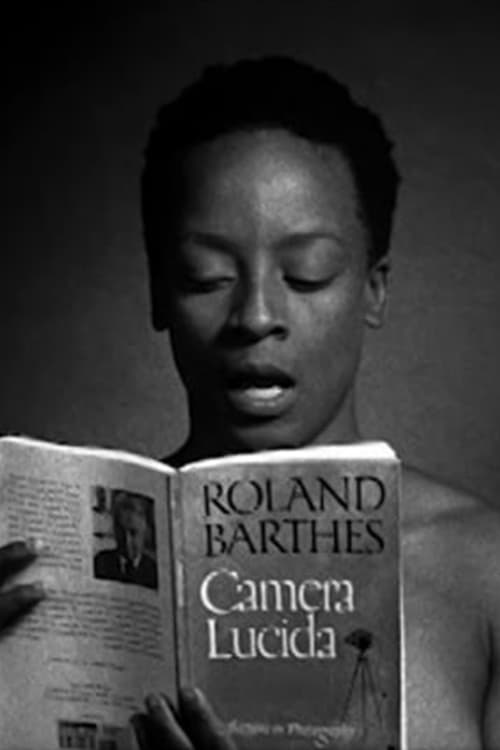
A three-channel video installation and a split-screen video installation in response to an 1850 daguerrotype of a young American-born enslaved woman named Delia, who was photographed stripped bare as visual evidence in support of an ethnographic study by the Swiss-born naturalist professor Louis Agassiz, who held that racial characteristics are a result of differing human origins.
A Willing Suspension of Disbelief + Photography and Fetish
Harris draws directly from his infancy and experience as a foster child. Combining photos, records, and other materials from his personal archives with 16mm film footage he recently shot in Senegal, Harris situates “the carcerality of the social welfare state and child services in relation to Black childhood in the US within the broader context of the transatlantic slave trade and the French Catholic Church’s colonization of West Africa and the Americas.
God Bless the Child
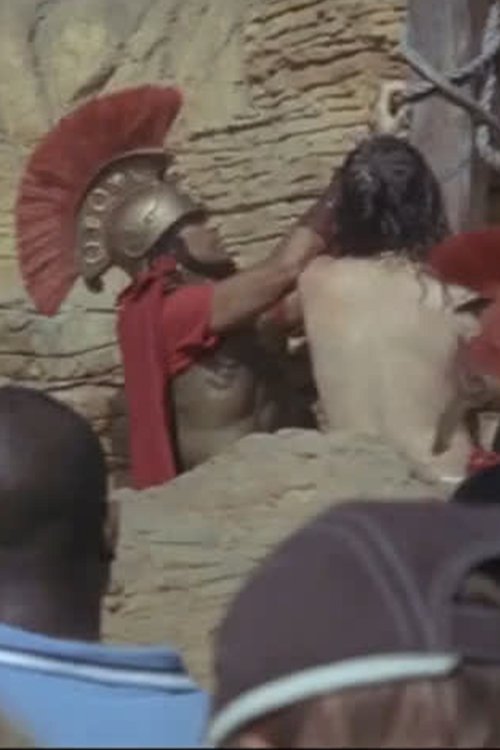
2011, 3 minutes, 16mm double projection, color, silent
28.IV.81 (Descending Figures)
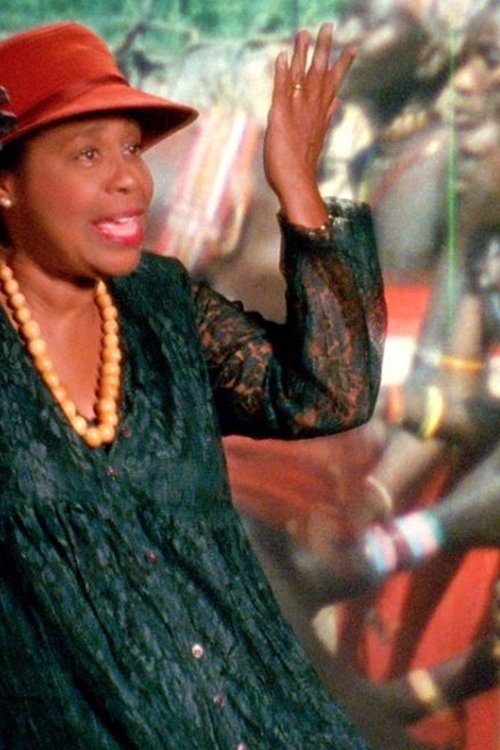
A performer lip-synchs to archival audio featuring the voice of author and anthropologist Zora Neale Hurston as she describes her method of documenting African American folk songs in Florida. By design, nothing in this film is authentic except the source audio. The flickering images were produced with a hand-cranked Bolex so that the lip-synch is deliberately erratic and the rear projected, grainy, looped images of Masai tribesmen and women recycled from an educational film become increasingly abstract as the audio transforms into an incantation.