Sound
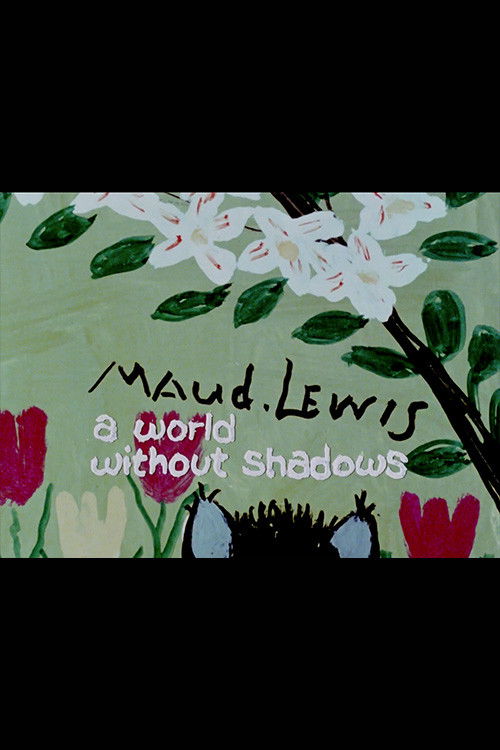
Set against a background of her paintings and the Yarmouth, Nova Scotia, landscapes they depict, this short documentary is a portrait of the life and work of one of Canada's foremost primitive painters, Maud Lewis. Emerging from her youth crippled with arthritis, Lewis escaped into her painting at the age of 30. She had never seen a work of art and had never attended an art class but her paintings captured the simple strength, beauty and happiness of the world she saw - a world without shadows.
In a farmhouse on Cape Breton Island where Shawn Peter Dwyer, age 10, lives with his mother and nine brothers and sisters, children's pockets are usually empty and their lives well filled.
Depiction of Newfoundland's "old times" as seen by Julie O'Brien, an 11-year-old living in Tors Cove. Told in the first person with cutaway shots to the girl's many activities, the film illustrates the way traditions are maintained, remembered and evolved. This film is part of the Children of Canada series.
For 200 years, coal mining had been a way of life in Cape Breton. By 1920 things were looking up: miners were unionized and paid decent wages. Then the British Empire Steel Corporation arrived and bought every single steel and coal company in Nova Scotia. BESCO cut wages by a third, setting off a bitter labour dispute. The miners settled in for a long strike. Finally, in 1925, the military ended the unrest with brute force. But the miners, in one sense, had won. They broke up the monopoly and provided an example to workers across the country.