Fielder Cook
Directing
Biography
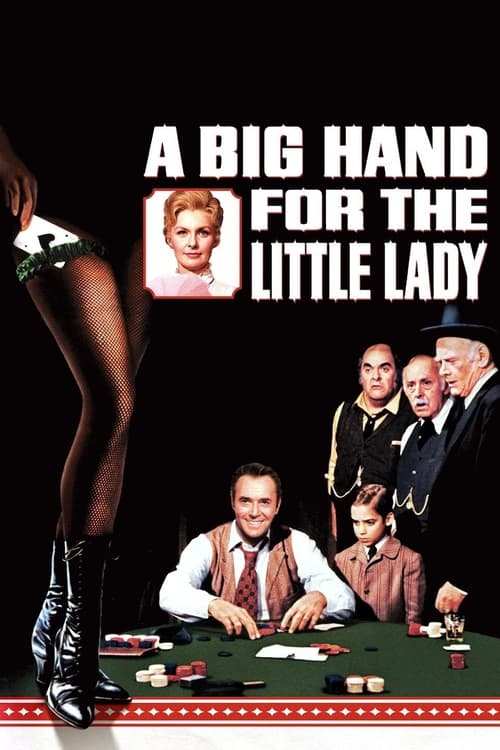
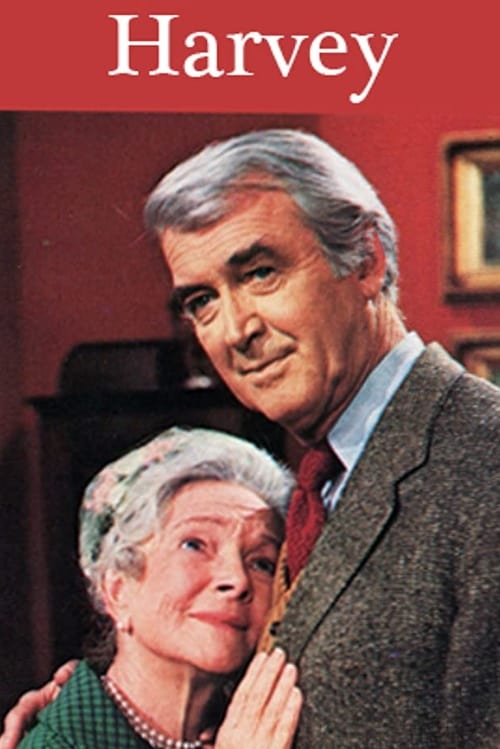
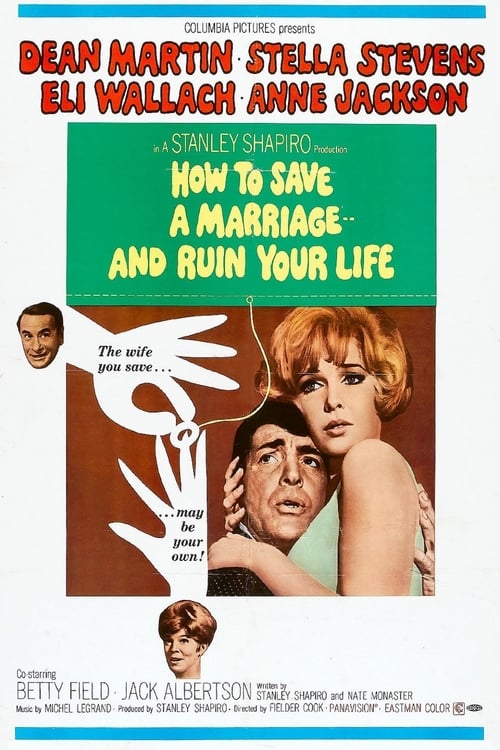
Fielder Cook (March 9, 1923 – June 20, 2003) was an American television and film director, producer, and writer whose 1971 television film The Homecoming: A Christmas Story spawned the series The Waltons. Born in Atlanta, Georgia, Cook graduated with honor with a Bachelor of Arts degree in Literature from Washington and Lee University, then studied Elizabethan Drama at the University of Birmingham in England. He returned to the United States and began his career in the early days of television, directing many episodes of such anthology series as Lux Video Theater, The Kaiser Aluminum Hour, Playhouse 90, Omnibus, and Kraft Television Theatre. In later years, he directed the television movies Judge Horton and the Scottsboro Boys, A Love Affair: The Eleanor and Lou Gehrig Story, Gauguin the Savage, Family Reunion, I Know Why the Caged Bird Sings, Will There Really Be a Morning?, and others; adaptations of The Philadelphia Story, Harvey, Brigadoon, Beauty and the Beast, The Price, Miracle on 34th Street, and The Member of the Wedding; and episodes of Ben Casey, The Defenders, and Beacon Hill. Cook's credits for feature films include A Big Hand for the Little Lady, How to Save a Marriage and Ruin Your Life (1968), Prudence and the Pill (1968, co-director), From the Mixed-Up Files of Mrs. Basil E. Frankweiler (1973), Eagle in a Cage, and Seize the Day.
Known For

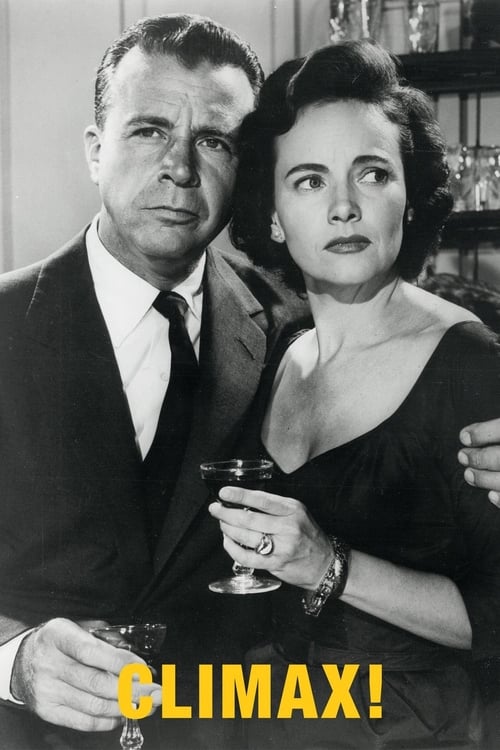
Climax! is an American anthology series that aired on CBS from 1954 to 1958. The series was hosted by William Lundigan and later co-hosted by Mary Costa. It was one of the few CBS programs of that era to be broadcast in color. Many of the episodes were performed and broadcast live.
Climax!
No description available.
Bob Hope Presents the Chrysler Theatre

No description available.
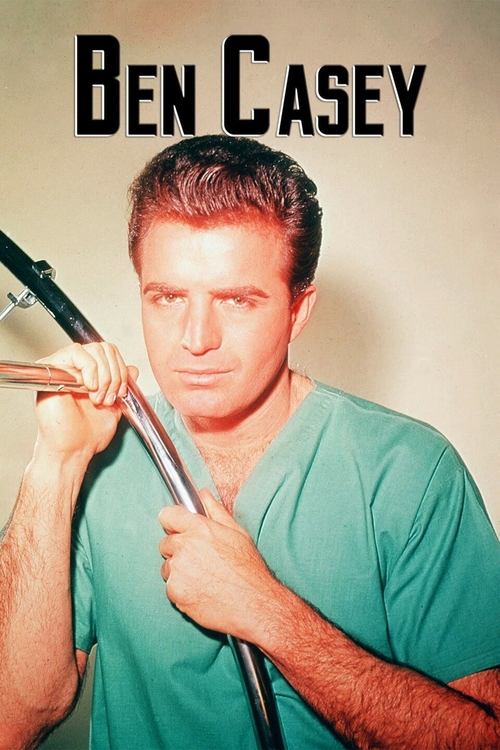
Ben Casey

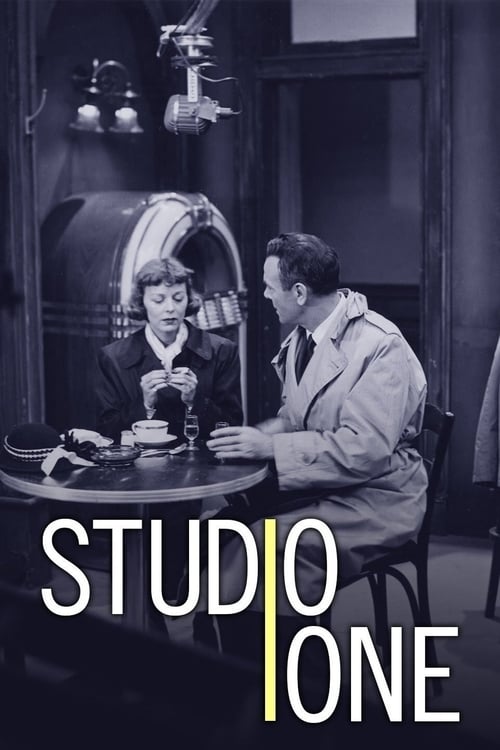
An American radio–television anthology series, created in 1947 by Canadian director Fletcher Markle, who came to CBS from the CBC. Studio One, presented by Westinghouse, was one of the first of the anthology TV programs. The episodes were often abridged remakes of movies from years gone by and many future well-known television and movie actors appeared in the productions.
Studio One

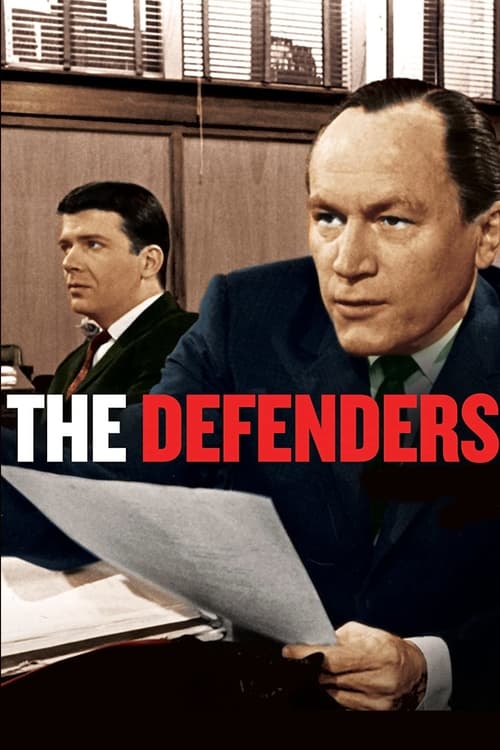
The Defenders is an American courtroom drama series . It starred E. G. Marshall and Robert Reed as father-and-son defense attorneys who specialized in legally complex cases, with defendants such as neo-Nazis, conscientious objectors, civil rights demonstrators, a schoolteacher fired for being an atheist, an author accused of pornography, and a physician charged in a mercy killing.
The Defenders

Anthology series of dramatic works.
ITV Saturday Night Theatre
Lux Video Theatre is an American anthology series that was produced from 1950 until 1959. The series presented both comedy and drama in original teleplays, as well as abridged adaptations of films and plays.
Lux Video Theatre

Pulled from actual case histories and utilizing newsreel and documented narratives, the activities of spies from various countries are depicted as far back as the American Revolution and as recent as the Cold War.
Espionage

The Eleventh Hour is an American medical drama about psychiatry starring Wendell Corey, Jack Ging, and Ralph Bellamy, which aired sixty-two new episodes plus selected rebroadcasts on NBC from October 3, 1962, to September 9, 1964.
The Eleventh Hour

Going My Way is an American comedy-drama series
Going My Way

Mister Roberts is an American sitcom that aired on NBC from September 17, 1965 to April 8, 1966. Based on the best selling novel, 1948 play, and the 1955 film of the same name, the series stars Roger Smith in the title role and Richard X. Slattery as the ship's captain.
Mister Roberts

Long-running anthology program sponsored by Hallmark Cards. Beginning in 1951 and continuing into 2019, the series received 80 Emmy Awards, 24 Christopher Awards, 11 Peabody Awards, 9 Golden Globes, and 4 Humanitas Prizes. Early seasons were a weekly live drama, eventually transitioning to videotaped and then filmed productions broadcast as occasional specials.
Hallmark Hall of Fame

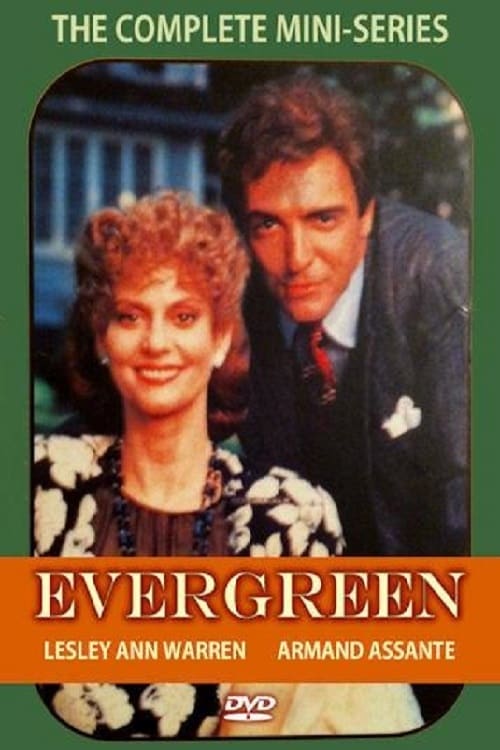
Based on the novel by Belva Plain, covering a time span from 1909 to 1959. The story begins in New York's Lower East Side with the arrival of Polish-Jewish immigrant Anna (Lesley Ann Warren). At first employed as a humble seamstress, Anna is whisked into a whole new world when she becomes the wife of the enterprising Joseph Friedman (Armand Assante), who eventually becomes a wealthy Westchester contractor. Even so, Anna's heart belongs to Paul Lerner (Ian Shane), the son of the prosperous Fifth Avenue family which employs her relatives. In 1918, Anna gives birth to Paul's daughter, allowing Joseph to believe that he is the father. The secret surrounding Anna's child will lead to a daunting and frequently heartbreaking chain of events, culminating decades later in the newly formed state of Israel, where Anna's grandson Eric hopes to "find himself" -- and ends up finding more than he bargained for.
Evergreen

A naive traveler in Laredo gets involved in a poker game between the richest men in the area, jeopardizing all the money he has saved for the purpose of settling with his wife and child in San Antonio.
A Big Hand for the Little Lady

One of the most moving stories in the annals of sports is presented in this true drama documenting the love affair of baseball immortal Lou Gehrig and his wife Eleanor. Their romance spans the time period from his days of glory with Babe Ruth and the New York Yankees to his unsuccessful battle with an incurable disease. As the story begins, the talented but shy Gehrig is already a popular Yankee slugger when he meets the outgoing Eleanor. Their romance begins hesitantly, but blossoms as they exchange letters while Gehrig is on the road with the team. However, Gehrig's possessive mother becomes a formidable obstacle, first to their marriage and later to their happiness. But their love for one another proves triumphant. In the midst of their happiness, when Gehrig is at the peak of his career, he learns that he is suffering from amyotrophic lateral sclerosis. The courage and dignity exhibited by the Gehrigs during this crisis make this a powerful, memorable film.
A Love Affair: The Eleanor and Lou Gehrig Story

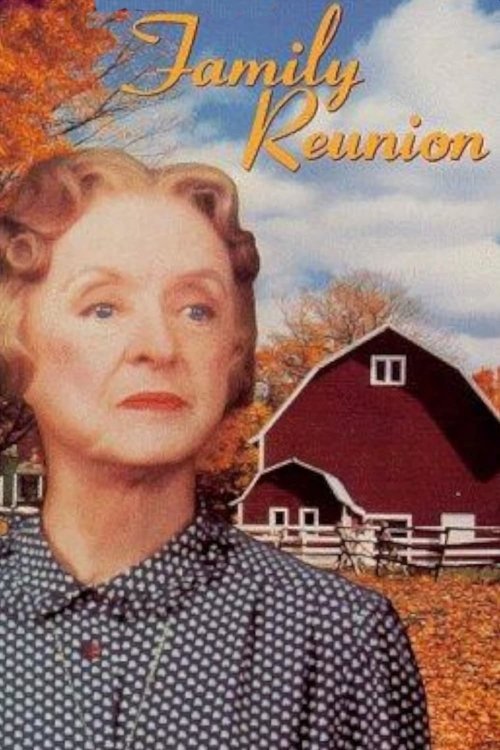
Elizabeth Winfield is a retired teacher, who desperately tries to keep her family together. While she's traveling through the country and meeting her relatives, back in her hometown, a group of shopping mall developers are planning to take over her family land in order to begin their ambitious project. Now she needs to find ways to stop this construction in time before the town's annual festivities.
Family Reunion

An alcoholic drifter decides to run for sheriff in a small town. However, in order to get elected, he must find out who killed a visiting preacher.
Who Killed the Mysterious Mr. Foster?
The Kaiser Aluminum Hour is a dramatic anthology television series which was broadcast in prime time in the United States during the 1956-57 season by NBC. The Kaiser Aluminum Hour was shown on alternate Tuesday nights at 9:30 pm Eastern time in rotation with the longer-running Armstrong Circle Theatre, with the first broadcast airing on July 3, 1956 and the final one on June 18, 1957. As can be surmised from the title, the program was sponsored by the Kaiser Aluminum Company. Unlike low-budget anthology series such as Fireside Theater, The Kaiser Aluminum Hour featured many well-known Hollywood actors of the era, including Paul Newman, Ralph Bellamy, MacDonald Carey, Hume Cronyn, Robert Culp, Kim Hunter, William Shatner, Forrest Tucker, Jack Warden and Natalie Wood.
The Kaiser Aluminum Hour

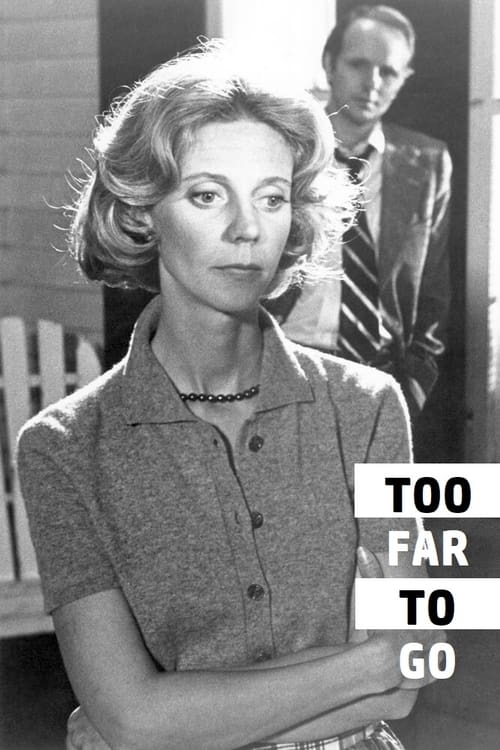
Love and passion, anger and heartbreak, laughter and happiness, all complex textures woven into the fabric so many have come to know as marriage. For behind the seemingly comfortable well-trimmed hedges of suburban Americana, live and often love, Richard and Joan Maple. Adapted from a series of stories appearing in the New Yorker Magazine over a period of twenty three years by Pulitzer Prize winning author John Updike ("The Witches of Eastwick", "Rabbit Run"), "Too Far To Go" garnered overwhelming critical praise in its theatrical debut. With its exceptional cast, this film envelops us in a poignant, sometimes funny, sometimes exasperating journey through this most important relationship.
Too Far to Go

It's Christmas Eve, early 1930s on Walton's Mountain. As the family prepares for the holiday, they anxiously await Pa's return home from his job in the city some 50 miles away. He is late, and Ma and the grandparents hear on the radio a report of a bus accident that worries them. Oldest son John-Boy must step up to help grandfather cut down a Christmas tree, and upon learning the concern about Daddy sets out to find him.