Acting
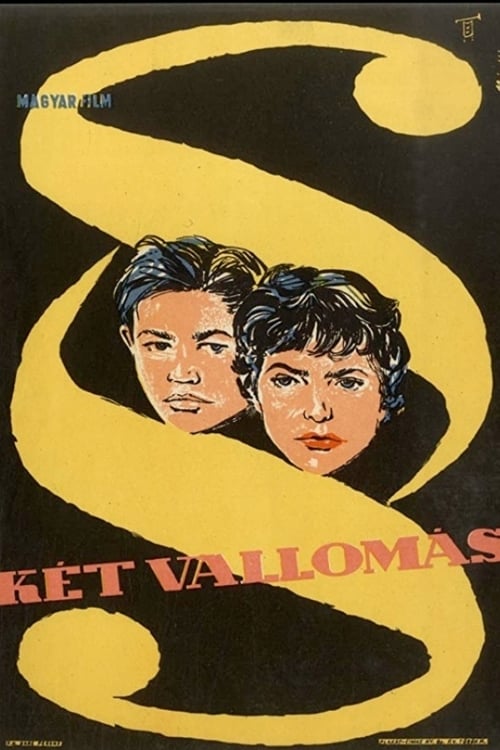
This easy-to-take Hungarian drama is also known as Two Wishes. The prinicipal characters are a pair of juvenile delinquents, who may still be redeemable. The sullen duo is befriended by a kindly police inspector, who takes it upon himself to straighten out the boys. What follows cannot be termed surprsingly or innovative, though it is immensely satisfying. Of interest is the fact that a Communist-bloc film would admit to a delinquency problem in the so-called Worker's Paradise. Ket Vallomas was the Hungarian entry in the 1957 Cannes Film Festival.
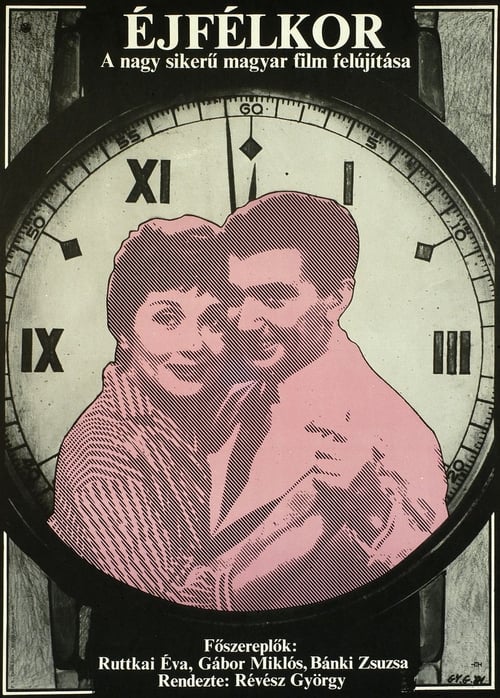
On New Year's Eve in 1956 the artist couple, the actor János and the dancer Viki are hastily packing. While they are waiting for the car, which is to take them across the border, their entire life is replayed in front of their eyes.
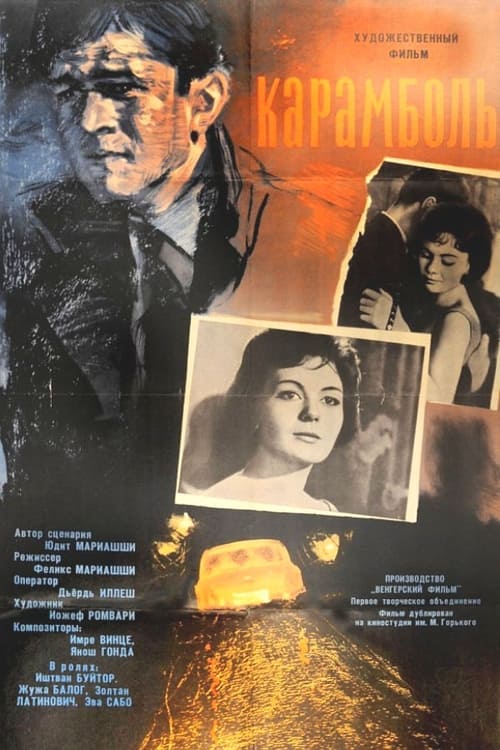
Marci is drafted from a typical block building in the 6th district in Pest. He says good-bye to Juli living in the same house, with whom they are both very much fond of each other, but neither of them makes a confession. Juli works in a factory, and with her friend Gizus she goes out in the evening for dancing and drinking. After a year, Marci comes back for holiday, he is full of love.
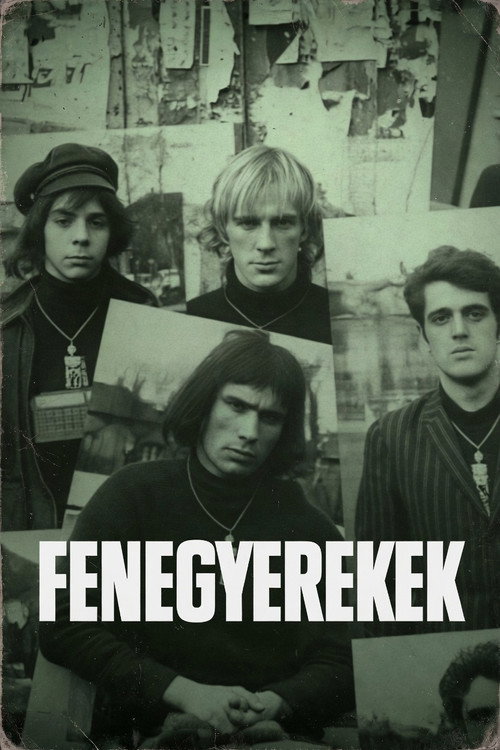
No description available.
Ulveczky, unbridled bull of the village, is incapable of living in the small community like others. He runs his farm and lives life as a tyrant. His licentious temperament leads him to take whatever he wants, women included, who are swept off their feet. His victims include a beautiful young girl who nearly dies when he tires of and ejects her. With great difficulty, she restarts her life, hoping that she has finally freed herself of the brute who, however, doesn't let go quite so easily.
A few days from a daily life of a regular school in Hungary during fifties.
This concert film stages a never-realized gala at Budapest’s Opera House, stringing together eleven diverse numbers - from operetta and folk dance to popular songs - introduced by Vera Sennyei’s tongue-in-cheek on-stage announcements. Though framed as a live opening night, most performances were in fact shot in television studios, creating a playful pastiche of televised spectacle rather than a traditional concert film.
Terpinkó, the bragging man of muscle likes womanising linked with betting: conquering is a great fun for him. He bet one to a hundred on his new boss, Éva. But the wife of the engineer handles all his tricks with annoying benevolence. Terpinkó falls in love with her and therefore he cannot stand her not returning his feelings.
At Christmas Eve in 1944 the runaway Pintér and Gozsó get through the Soviet blockade around Budapest. Pintér intends to hide in a flat abandoned by his own relatives, but he finds his relatives called the Turnovszkys, who are hiding the Jewish Jutka as well. Love unfolds between Zoltán and Jutka.
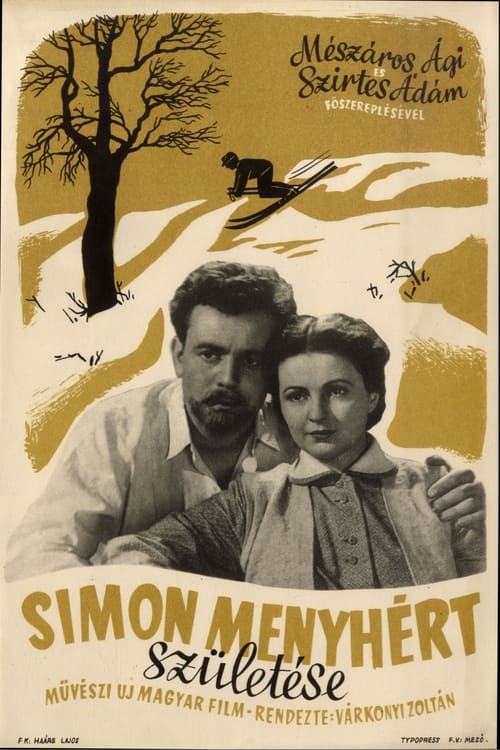
Every member of a small community in the snow-capped Bükk Mountains is trying to help the doctor get to István Simon forester's house where his wife is about to give birth to their first child.
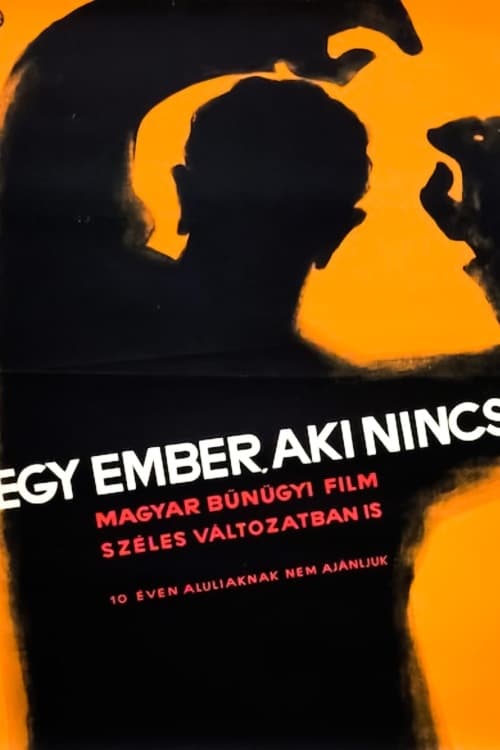
During a mining accident, the police arrest the sole survivor on suspicion of murder, whose pickaxe is stained with the blood of one of the victims. The investigation reveals that the identity card found on the victim belongs to another person, that the collapse was deliberate and that the miner believed to be the victim has escaped.
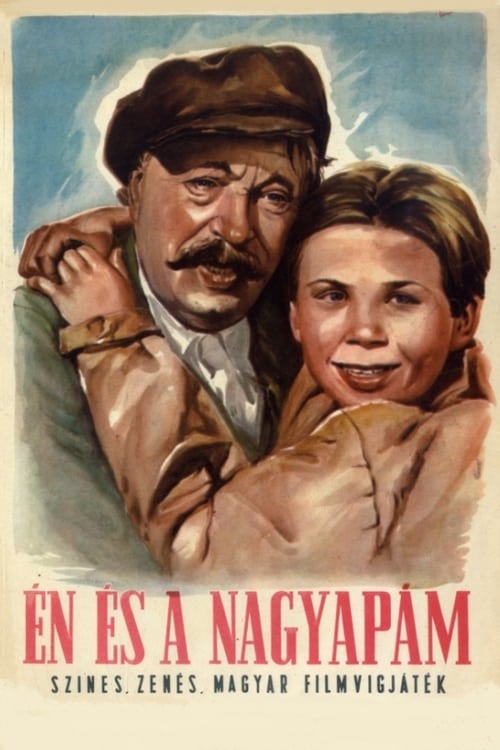
The movie is based on a novel by I. Astalos. It tells about the hard life of poor people in bourgeois Hungary.
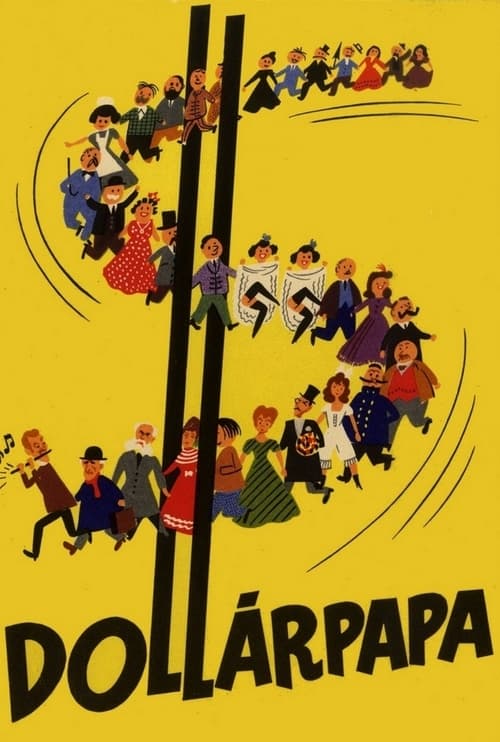
A heavily indebted schoolteacher raising two marriageable daughters is buoyed by rumors that his long-lost uncle in America is a millionaire, until the uncle’s unexpected arrival in poverty sparks a rush of creditors, patrons and fortune-seekers. Ambitious lawyer Jenő Szekeres orchestrates the deception so that the family, the town and himself profit from the false fortune, and even when the truth comes out, everyone, including Szekeres, now eyeing a political career, chooses to uphold the lie.
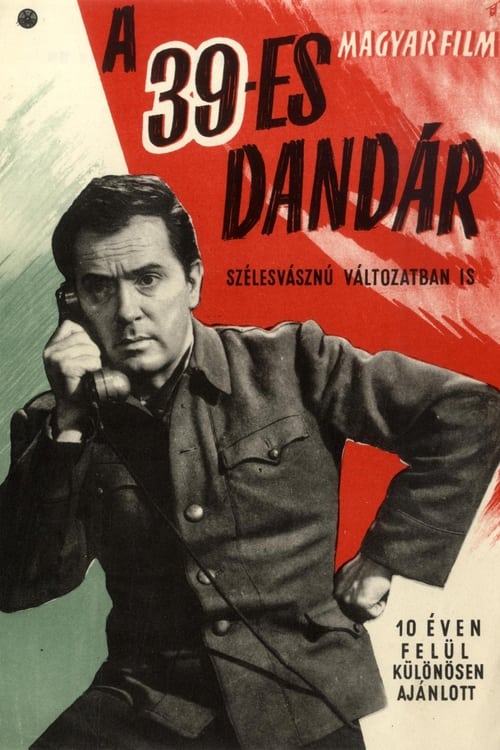
The spring of 1919. Karikás Frigyes reorganises brigade 39 at the Tisza. His most devoted soldiers are Korbély János and his followers, who remain faithful to the political commissioner under all circumstances.