Michäel Sztanke
Directing
Known For
Discover Europe in all its diversity of viewpoints
RE: European Stories
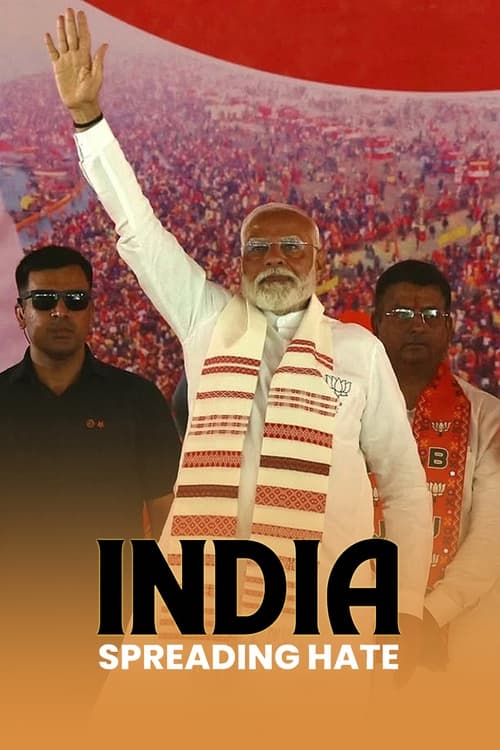
Since the rise to power of Hindu nationalists in 2014, India has been gradually moving away from democracy towards a regime where ethnic identity prevails. This transition is driven by Hindutva, a Hindu supremacist ideology embodied by Narendra Modi. For the past 10 years, Prime Minister Modi has relentlessly pursued his fascist policy based on Hindu supremacy. This ideology of hatred towards other religions in the country, particularly Islam, has also spread globally. Those who follow this belief want India to be only for Hindus, treating people of other religions, like Muslims or Sikhs as second-class citizens. Attacks against Christians have surged by 400% since Modi's election, accompanied by discriminatory laws targeting Muslims and widespread lynching incidents. Hindutva's influence permeates all levels of Indian society. This documentary thus unveils a darker side of India, far from its portrayal as the world's largest democracy and Gandhi's dream of peace among communities.
India: Spreading Hate
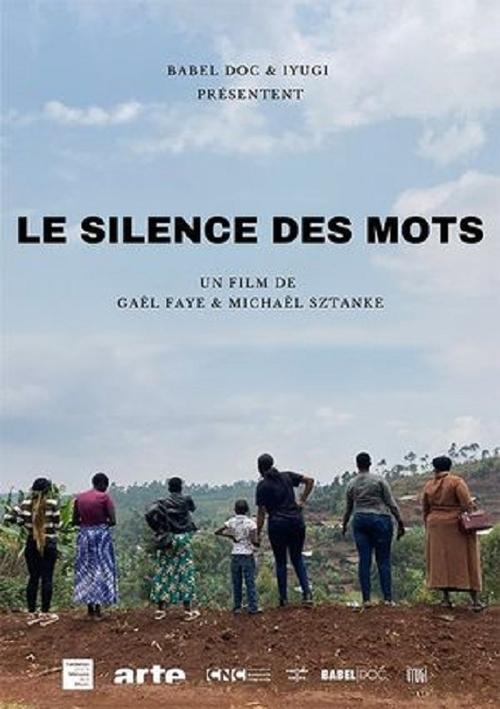
Their words had never been heard before. Co-directed by French-Rwandan musician and author Gaël Faye and director Michael Sztanke, this movie records with sensitivity and for the first time the testimonies of Prisca, Marie-Jeanne and Concessa about their lives during the genocide and after. The three Tutsi women tell the camera about their daily lives during the genocide and in the refugee camps of Murambi and Nyarushishi, where they lived a nightmare under the guard of the French soldiers of the Opération Turquoise who, under a UN mandate, where supposed to protect them. While the French army denies any rape accusation, the three women filed complaints with the French justice system in 2004 and 2012. The investigation is now at a standstill.
Rwanda : the silence of words
No description available.
Rwanda, vers l'apocalypse
When the pandemic hit it highlighted how much Western countries rely on the chip industry. Today Europe, America and China are involved in an intense commercial struggle to dominate this sector that is so strategic for the future. From Taiwan to Shanghai, via Brussels and San Francisco, investigative journalist Nicolas Vescovacci went to meet the most influential players in this microchip war, which is redefining world geopolitics.
Microchip Wars
This is a journey like no other, after several months of wrangling with North Korean authorities in Paris reporters Michaël Sztanke and Julien Alri obtained a visa for Pyongyang but as soon as they arrived the scene was set by a compulsory photo shoot. Journalists are kept under close surveillance and to go to North Korea is to accept the presence of guides who provide supervision 24 hours a day, their primary role is to protect the countries image. In North Korea’s eyes every foreigner is a potential enemy who must be closely watched, this being said Sztanke and Alri attempt to delve deeper into the inner workings of the hermit kingdom, discovering the real nature of this political regime and how life is for your everyday North Korean.
North Korea: The Great Illusion

No description available.
Corée du Nord, la grande illusion
China, Cambodia and Bangladesh have known for two years violent movements of workers' protests. Outsourcing of the subcontractors for a poor country to another are not without consequences. With the awareness of workers and soaring prices, social stability of these countries is no longer guaranteed. The protests and walkouts multiply. Facing the dull anger but rising of these workers, the authorities can not remain inert. This documentary describes the increasing power of a new protest generation of workers, younger, and less docile. To discuss this problem, this film survey examines the question of social relationships in Chinese companies, including Foxconn, the Taiwanese electronics giant, which is the largest employer in China.