FEEL IT.STREAM
Vladimir Ashkenazy

Vladimir Ashkenazy

Acting

Biography

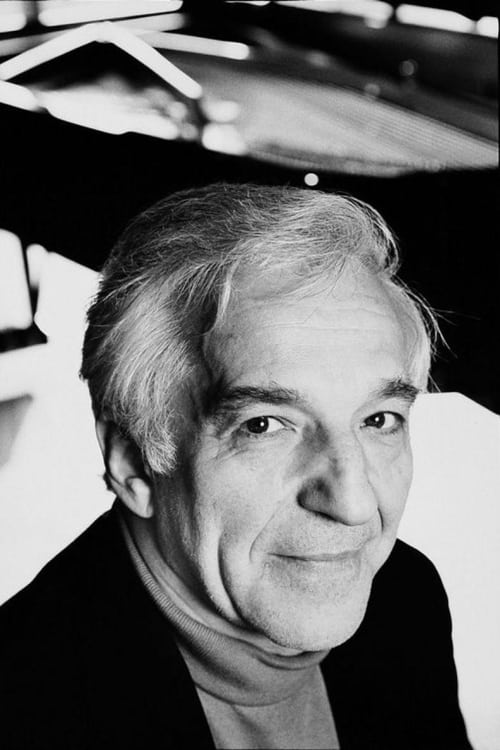
Vladimir Davidovich Ashkenazy (b.1937) is an internationally recognized solo pianist, chamber music performer, and conductor. He is originally from Russia and has held Icelandic citizenship since 1972. He has lived in Switzerland since 1978. Ashkenazy has collaborated with well-known orchestras and soloists. In addition, he has recorded a large storehouse of classical and romantic works. His recordings have earned him five Grammy awards plus Iceland's Order of the Falcon. [Wikipedia]
Known For

Le Grand Échiquier
8.0

Le Grand Échiquier is a French variety television program created and presented by Jacques Chancel. It aired at 8:30 pm on the first channel of the ORTF from January 12, 1972 to July 12, 1972, then on the second color channel of the ORTF from September 1972 to December 1974, and finally on Antenne 2 from January 1975 to December 21, 1989. The program returned to France 2 on December 20, 2018 and is hosted by Anne-Sophie Lapix.

Le Grand Échiquier

1972
Van de Schoonheid en de Troost
N/A

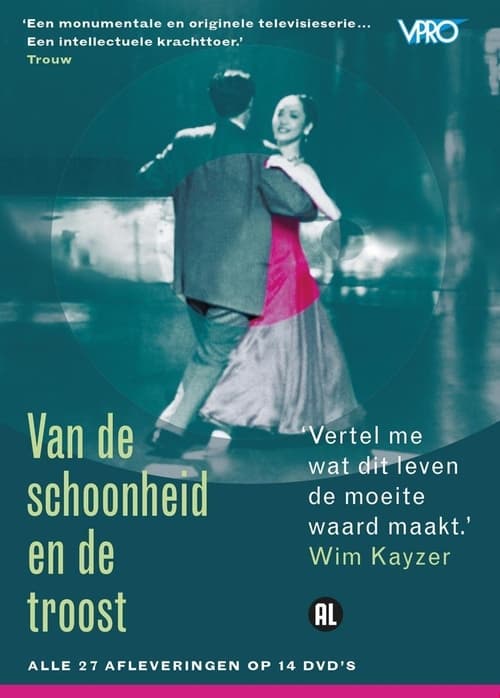
To his guests – artists, scientists, writers, philosophers and musicians – Wim Kayzer in Of Beauty and Consolation asks the philosophical question: What makes this life worth living?

Van de Schoonheid en de Troost

2000
Genius Within: The Inner Life of Glenn Gould
6.8

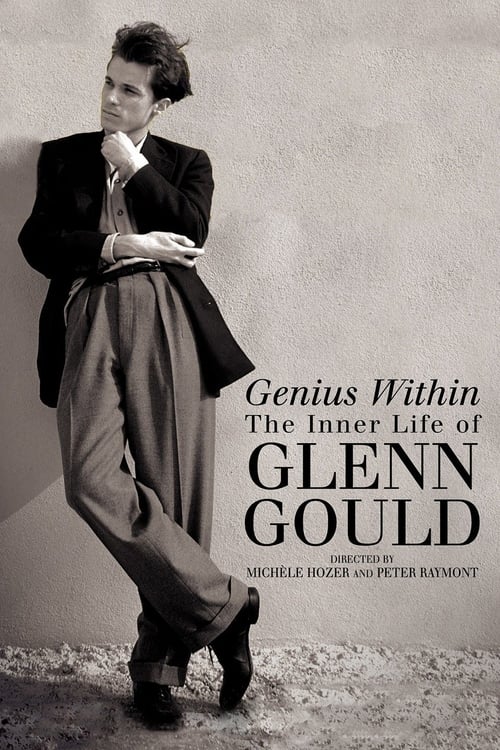
A documentary on the mysterious and influential pianist.

Genius Within: The Inner Life of Glenn Gould

2009
Beethoven Piano Concertos 1-5
N/A

These recordings, filmed in March and April 1974 for the BBC, occurred at the tail end of the old performance era and the very start of the new. Vladimir Ashkenazy was a graduate of the same Soviet school of piano playing that produced Sviatoslav Richter, Emil Gilels, Lazar Berman and a host of others of that era. There are simularities that unite them, including a broad romanticism, a degree of Lisztian showmanship coupled with periods of introspection, powerful technique that occasionally borders on pounding and an intellectual streak that produces some deeply insightful playing. Ashkenazy was younger than the others, more modern in his playing.

Beethoven Piano Concertos 1-5

1974
Alexander Scriabin – Towards the Light / Calculation and Ecstasy
N/A

Alexander Scriabin (1872–1915) born in Moscow, was an innovative, mystical, avant-garde Russian pianist and composer. This film explores Scriabin’s profound vision of art's unity — where music, movement, light and colour merge to create transcendent experiences. Some claim Scriabin pioneered atonality before Schoenberg. Key works: Poème, Op. 32 No. 1 (1903) and Vers la flamme, Op. 72 (1914). Featuring commentary from esteemed musicians like Eduard Artemyev, Vladimir Ashkenazy and Vladimir Horowitz, Artist: Hermann Nitsch, conductor Mikhail Pletnev and insights from Scriabin’s daughter: Marina Scriabine, this documentary offers a unique glimpse into the life and works of one of music’s most enigmatic figures. Shot across stunning locales in Switzerland, Italy and Russia, enriched with Scriabin’s own writings and rare archival materials. The highlight includes a historic recording of Scriabin himself, playing his Poem Op. 32 No. 1 on a Welte Mignon player-piano, recorded in 1908.

Alexander Scriabin – Towards the Light / Calculation and Ecstasy

1996
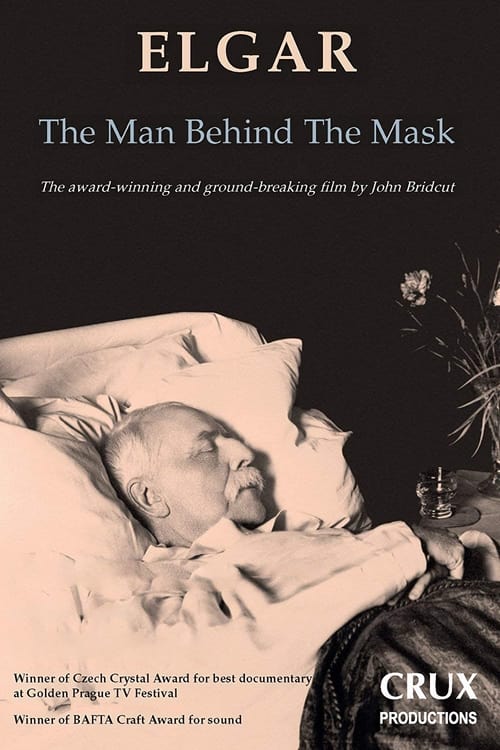
Elgar: The Man Behind the Mask
N/A

The composer of Land of Hope and Glory is often regarded as the quintessential English gentleman. But Elgar's image of hearty nobility was deliberately contrived. In this revelatory portrait of a musical genius, John Bridcut explores the secret conflicts in Elgar's nature which produced some of Britain's greatest music. Featuring specially filmed performances by the BBC Symphony Orchestra.

Elgar: The Man Behind the Mask

2010
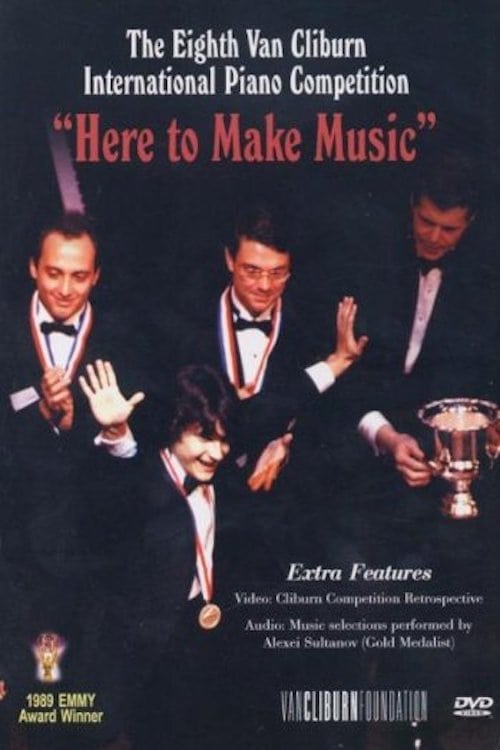
Eighth Van Cliburn International Piano Competition: Here to Make Music
7.7

Emmy Award winning documentary, directed by Peter Rosen, about the Eighth Van Cliburn International Piano Competition in 1989, featuring interviews with the contestants and jurists, and footage from rehearsals and performances, including by competition winner Alexei Sultanov.

Eighth Van Cliburn International Piano Competition: Here to Make Music

1989
The Greatest Love and the Greatest Sorrow
N/A

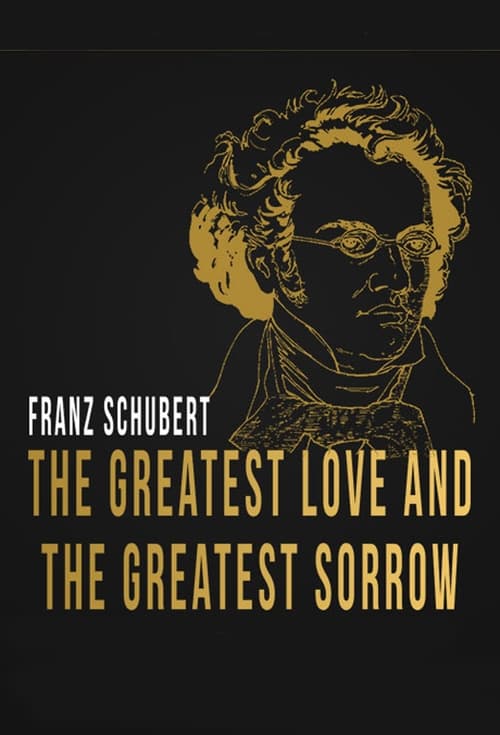
The Greatest Love and the Greatest Sorrow is a film which sets out to bring the viewer closer, not to the details of Schubert's life, but to the spirit of what he was trying to express with what he called his creative gift and with which he tried "to brighten the world". The film begins with the funeral of Beethoven, at which Schubert was a torch-bearer, His story is told almost entirely in music written in the twenty months that remained to him after that date, together with quotations from Schubert's letters, diaries and the words that he chose to set in some of his songs. Includes personal introductions by Christopher Nupen and Jacqueline du Pré and features the legendary 1969 performance of The Trout with Daniel Barenboim, Itzhak Perlman, Jacqueline du Pré, Pinchas Zukerman and Zubin Mehta.

The Greatest Love and the Greatest Sorrow

1994
Ashkenazy Observed
N/A

Documentary about Soviet-born pianist Vladimir Ashkenazy.

Ashkenazy Observed

1987
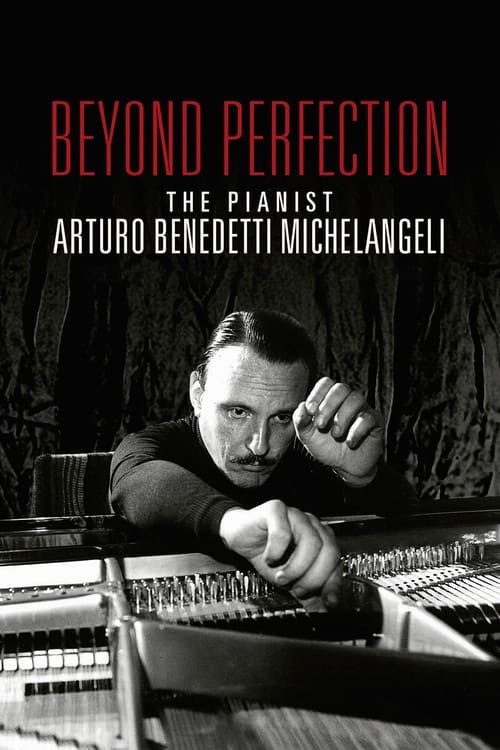
Beyond Perfection: The Pianist Arturo Benedetti Michelangeli
8.5

Arturo Benedetti Michelangeli – a name that provokes almost a sense of awe and intimidation, even among his pianoplaying peers. It is a name that represents the highest degree of perfection, a quest for beauty that surpasses that of any other piano virtuoso. However Michelangeli also had a reputation for cancelling concerts at short notice and was consequently portrayed in the media as a somewhat neurotic artist. This documentary is the result of a 30-year search that has resulted in unusual interviews with those who knew him, and has also uncovered a wealth of new archive material: We get to experience Arturo Benedetti Michelangeli as he has never been seen before – and more importantly, as he has never been heard before. We also witness the maestro’s struggle back to his former perfection after suffering a devastating heart attack.

Beyond Perfection: The Pianist Arturo Benedetti Michelangeli

2020
We Want the Light
N/A

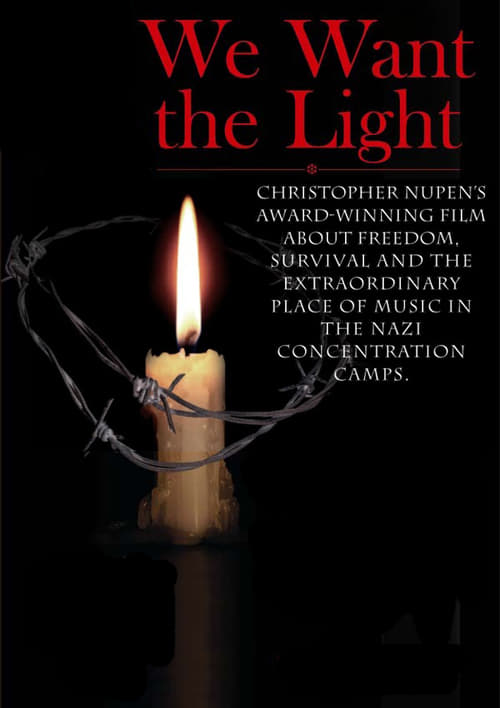
The struggles of the world’s Jewish people over the course of several centuries are expressed and explored through the music they inspired in this documentary from the BBC and Opus Arte. We Want the Light brings together harrowing tales from Holocaust survivors with performances of music by such legendary composers as Mahler, Bach, Mendelssohn, and Brahms. Interviews with: Alice Sommer Herz, Jacques Stroumsa, Evgeny Kissin, Vladimir Ashkenazy, Zubin Mehta, Itzhak Perlman, Pinchas Zukerman, Toby Perlman, Michael Haas, Elyakim Ha’etzni, Norman Lebrecht, Margaret Brearley, Paul Lawrence Rose, Daniel Barenboim, Yirmiyahu Yovel, Uri Toeplitz & Anita Lasker-Wallfisch. Featuring: Gürzenich-Orchester Köln, Cologne Cathedral Children’s Choir & Cologne Opera Chorus.

We Want the Light

2004
The Trout
N/A

Christopher Nupen's record of the concert given by five young musicians in the new Queen Elizabeth Hall at London's South Bank, in 1969. The Trout is an exuberant explosion of youthful enjoyment in music: first from Schubert himself, who wrote his famous Trout quintet when he was 22 years old, and then from five young artists of the highest rank. They pick up the spirit of Schubert's music magnificently, both in preparation and rehearsal, and in their 1969 performance of the work, which has become one of the most remembered ever given. Includes personal introductions by Christopher Nupen and Jacqueline du Pré and features the legendary 1969 performance of The Trout with Daniel Barenboim, Itzhak Perlman, Jacqueline du Pré, Pinchas Zukerman and Zubin Mehta.

The Trout

1970
No image
N/A

Go behind the scenes with one of London's most important musical institutions.

Royal Philharmonic Orchestra: The First 50 Years

1997
Itzhak Perlman: Virtuoso Violinist
N/A

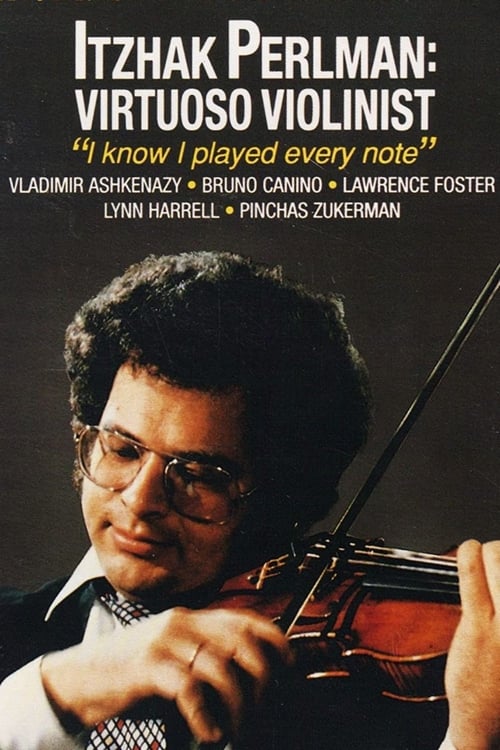
Documentary on the life and career of violinist Itzhak Perlman, including interviews, archival footage, and concert performances.

Itzhak Perlman: Virtuoso Violinist

1978
Double Concerto
N/A

Documentary film about Vladimir Ashkenazy's and Daniel Barenboim's 1966 performance of Mozart's Concerto for 2 Pianos in E-flat major with the English Chamber Orchestra, featuring the full performance as well as biographical information and a look at the rehearsal process.

Double Concerto

1966
Larghetto
9.0

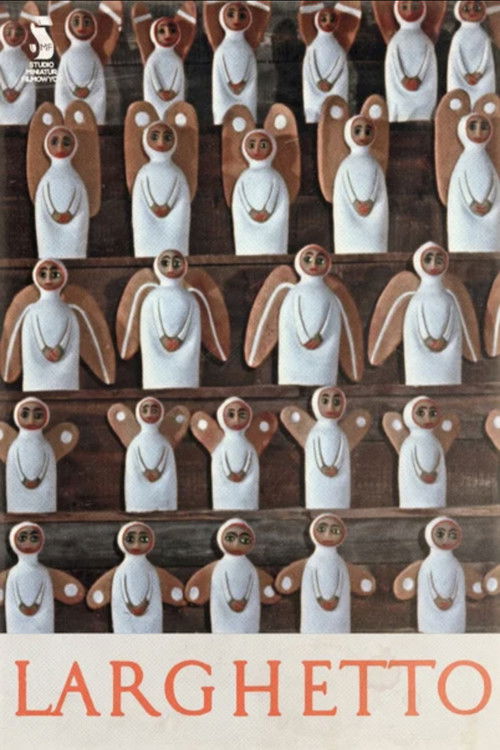
Animated elements blend with traditional wooden carvings, paying tribute to folk religious sculpture and Nativity-making. The title refers to the slow musical tempo larghetto, inspired by the second movement of Frédéric Chopin’s Concerto in F minor, Op. 21.

Larghetto

1967
No image
N/A

This film is a portrait film of Vladimir Ashkenazy directed by Christopher Nupen. It includes sequences with Itzhak Perlman, Daniel Barenboim, Edo de Waart and the Rotterdam Philharmonic Orchestra. There is music by Beethoven, Chopin, César Franck and Stravinsky. It is also a closely observed account of one of the most demanding and rewarding of all professions. In 1972, after seeing it, Ingmar Bergman said it was the best documentary he had seen about a living musician.

Vladimir Ashkenazy: The Vital Juices Are Russian

1970
Mozart: Great Piano Concertos Vol. I
N/A

Mitsuko Uchida piano | Homero Francesch piano Mozarteum Orchestra, Salzburg; Royal Philharmonic Orchestra; German Chamber Philharmonic Jeffrey Tate, Vladimir Ashkenazy, Gerd Albrecht

Mozart: Great Piano Concertos Vol. I

2005
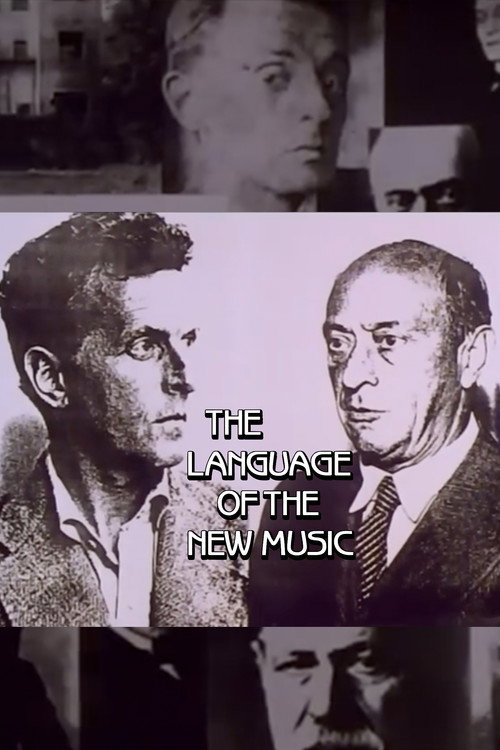
The Language Of The New Music
N/A

This is a film about Ludwig Wittgenstein and Arnold Schoenberg; two men whose lives and ideas run parallel in the development of Viennese radicalism. Both men emerged from the turmoil of the Habsburg Empire in its closing days with the idea of analyzing language and purging it with critical intent, believing that in the analysis and purification of language lies the greatest hope that we have. They never met and might never have fully understood one another, because while the nature of their genius they found themselves alone breaking new ground of the very frontiers of their respective disciplines. But their work springs from the same soil and shares a common ethical purpose, so that their ideas and methods echo and illuminate those of each other to a remarkable degree.

The Language Of The New Music

1985