Acting
The Shiloh Ranch in Wyoming Territory of the 1890s is owned in sequence by Judge Henry Garth, the Grainger brothers, and Colonel Alan MacKenzie. It is the setting for a variety of stories, many more based on character and relationships than the usual western.
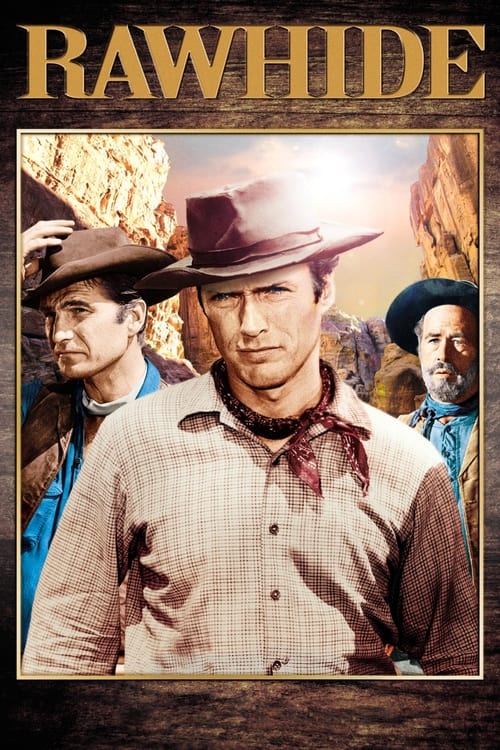
The tale of trail boss Gil Favor and his trusty foreman Rowdy Yates as they drives cattle across the old west. Along the way they meet up with adventure and drama.
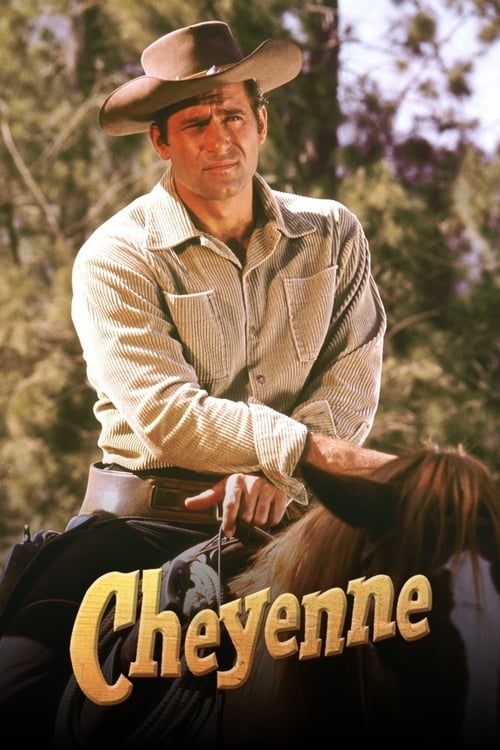
Cheyenne Bodie was a big man, a former army scout who went west after the American Civil War and drifted from job to job, here a cowboy, there a lawman, and always a larger-than-life hero. CHEYENNE is an American western television series of 108 black-and-white episodes broadcast on ABC from 1955 to 1963. The show was the first hour-long western, and in fact the first hour-long dramatic series of any kind, with continuing characters, to last more than one season. It was also the first series to be made by a major Hollywood film studio which did not derive from its established film properties, and the first of a long chain of Warner Brothers original series produced by William T. Orr.
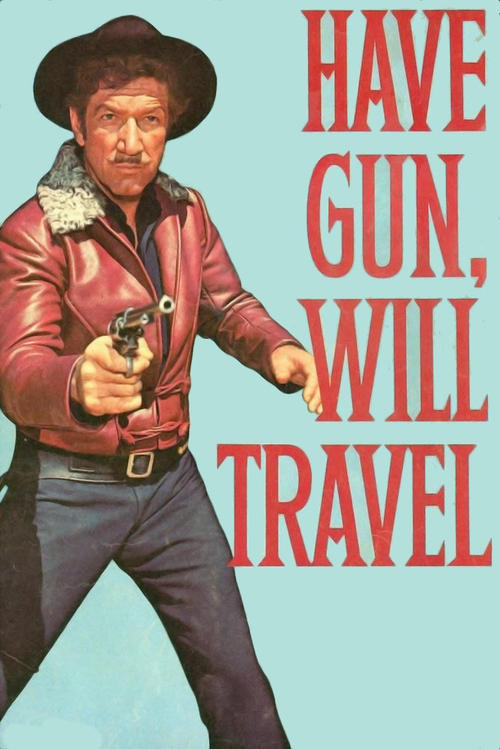
Have Gun – Will Travel is an American Western television series that aired on CBS from 1957 through 1963. It was rated number three or number four in the Nielsen ratings every year of its first four seasons. It was one of the few television shows to spawn a successful radio version. The radio series debuted November 23, 1958. The television show is presently shown on the Encore-Western channel. Have Gun – Will Travel was created by Sam Rolfe and Herb Meadow and produced by Frank Pierson, Don Ingalls, Robert Sparks, and Julian Claman. There were 225 episodes of the TV series, 24 written by Gene Roddenberry. Other contributors included Bruce Geller, Harry Julian Fink, Don Brinkley and Irving Wallace. Andrew McLaglen directed 101 episodes and 19 were directed by series star Richard Boone.
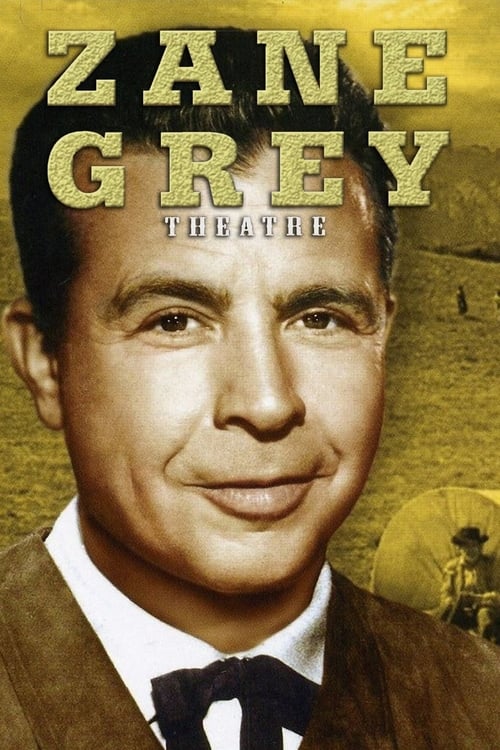
Dick Powell's Zane Grey Theatre, sometimes simply called Zane Grey Theatre, is an American Western anthology series which ran on CBS from 1956 to 1961.
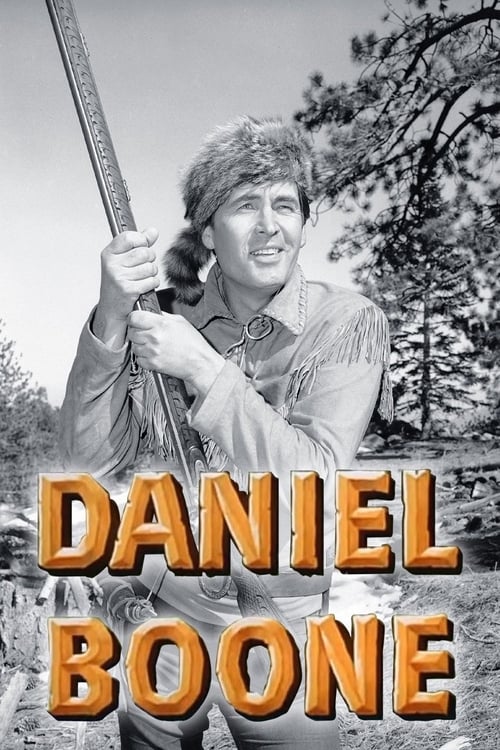
Daniel Boone is an American action-adventure television series starring Fess Parker as Daniel Boone that aired from September 24, 1964 to September 10, 1970 on NBC for 165 episodes, and was made by 20th Century Fox Television. Ed Ames co-starred as Mingo, Boone's Cherokee friend, for the first four seasons of the series. Albert Salmi portrayed Boone's companion Yadkin in season one only. Dallas McKennon portrayed innkeeper Cincinnatus. Country Western singer-actor Jimmy Dean was a featured actor as Josh Clements during the 1968–1970 seasons. Actor and former NFL football player Rosey Grier made regular appearances as Gabe Cooper in the 1969 to 1970 season. The show was broadcast "in living color" beginning in fall 1965, the second season, and was shot entirely in California and Kanab, Utah.
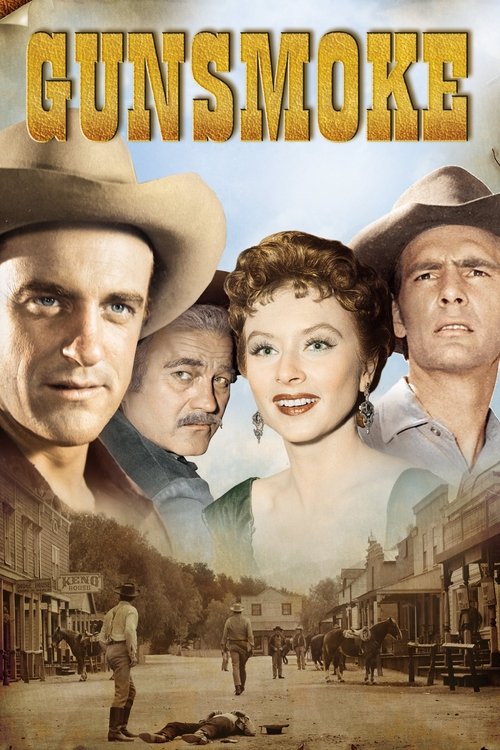
Gunsmoke is an American radio and television Western drama series created by director Norman MacDonnell and writer John Meston. The stories take place in and around Dodge City, Kansas, during the settlement of the American West. The central character is lawman Marshal Matt Dillon, played by William Conrad on radio and James Arness on television.
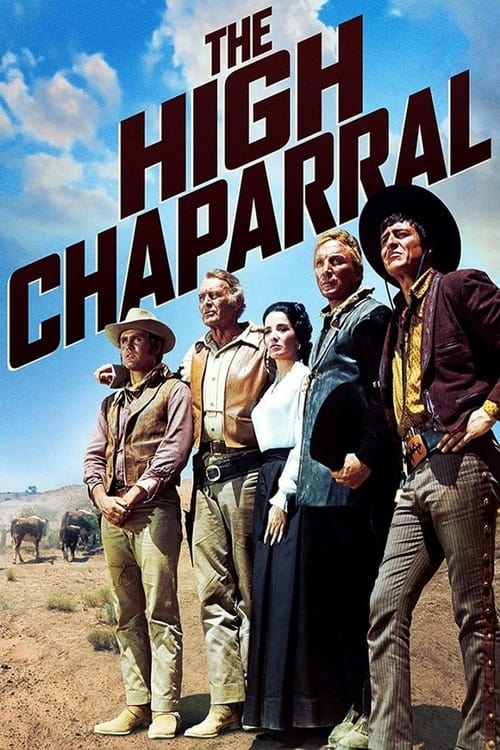
The High Chaparral is an American Western-themed television series starring Leif Erickson and Cameron Mitchell which aired on NBC from 1967 to 1971. The series, made by Xanadu Productions in association with NBC Productions, was created by David Dortort, who had previously created the hit Bonanza for the network. The theme song was also written and conducted by Bonanza scorer David Rose, who also scored the two-hour pilot.
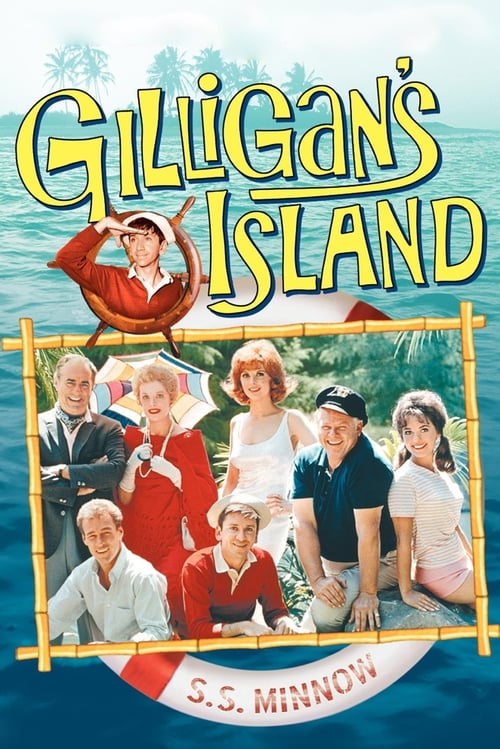
The slapstick adventures of hapless Gilligan, long-suffering Skipper and their gang of mismatched castaways, all stranded on an uncharted desert isle after their tiny ship hit stormy weather.
Wilbur Post and his wife Carol move into a beautiful new home. When Wilbur takes a look in his new barn, he finds that the former owner left his horse behind. This horse is no ordinary horse . . . he can talk, but only to Wilbur, which leads to all sorts of misadventures for Wilbur and his trouble-making sidekick Mister Ed.
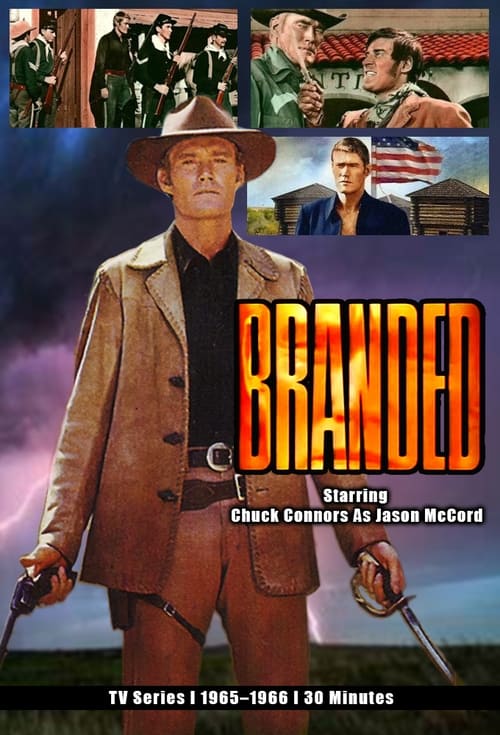
Branded is an American Western series which aired on NBC from 1965 through 1966, sponsored by Procter & Gamble in its Sunday night 8:30 p.m. Eastern Time period, and starred Chuck Connors as Jason McCord, a United States Army Cavalry captain who had been drummed out of the service following an unjust accusation of cowardice.
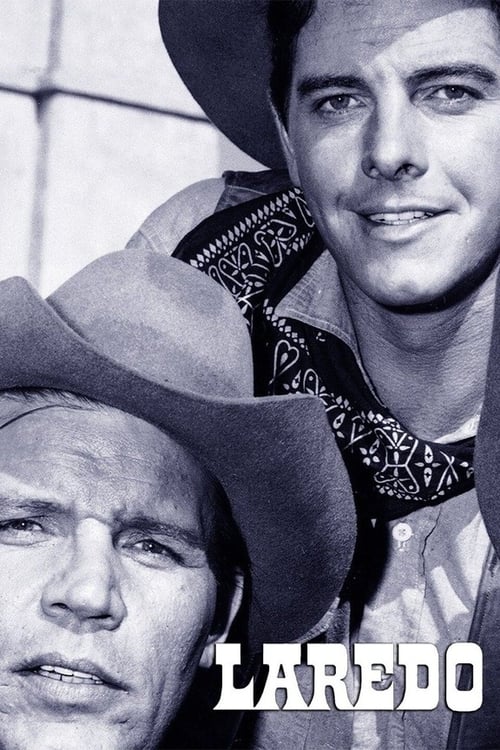
Laredo is an American Western television series that aired on NBC from September 16, 1965, to April 7, 1967. Laredo stars Neville Brand, William Smith, Peter Brown, and Philip Carey as Texas Rangers. It is set on the Mexican border about Laredo, Texas. The program was produced by Universal Television. The pilot episode of Laredo aired on NBC's The Virginian under the title, "We've Lost a Train". It was released theatrically in 1969 under the title Backtrack. Three episodes from the first season of the series were edited into the 1968 feature film Three Guns for Texas.
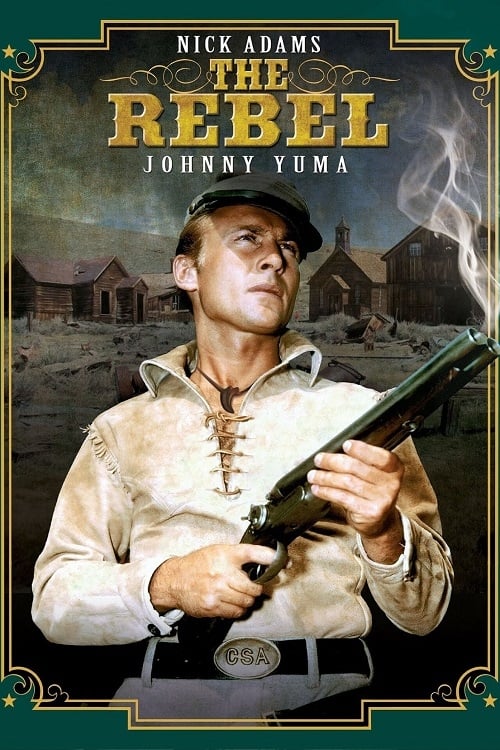
After the end of the Civil War, a former Confederate Army private roams the Wild West, and, as a rogue drifter, gets involved in helping out various settlers threatened by various bad guys... THE REBEL is a 76-episode American western television series starring Nick Adams that debuted on the ABC network from 1959 to 1961. The Rebel was one of the few Goodson-Todman Productions outside of their game show ventures. Beginning in December 2011, The Rebel reruns began to air Saturday mornings on Me-TV.
Broken Arrow is a Western series which ran on ABC-TV in prime time from 1956 through 1958 on Tuesdays at 9 p.m. Eastern time. Repeat episodes were shown by ABC on Sunday afternoons during the 1959–60 season. Selected repeats were then shown once again in prime time during the summer of 1960.
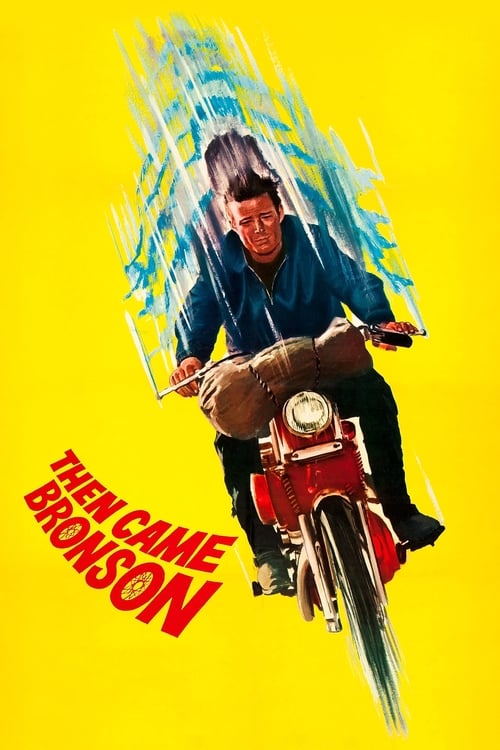
Then Came Bronson is an American adventure/drama television series produced by MGM Television and broadcast on NBC from 1969 to 1970. Created by Denne Bart Petitclerc, the series began with a feature-length pilot on March 24, 1969. It was greenlit for one year and began first run on September 17, 1969. Disillusioned reporter Jim Bronson quits his job and starts wandering the road on his Harley-Davidson motorcycle as a form of soul-searching. He meets various characters; some he helps, others he educates.
The Great Adventure is a historical anthology series that appeared on CBS for the 1963-1964 television season. The series, narrated each week by Van Heflin, and featuring theme music by Richard Rodgers, presented a weekly one-hour dramatization of the lives of famous Americans and important historical events in American History.
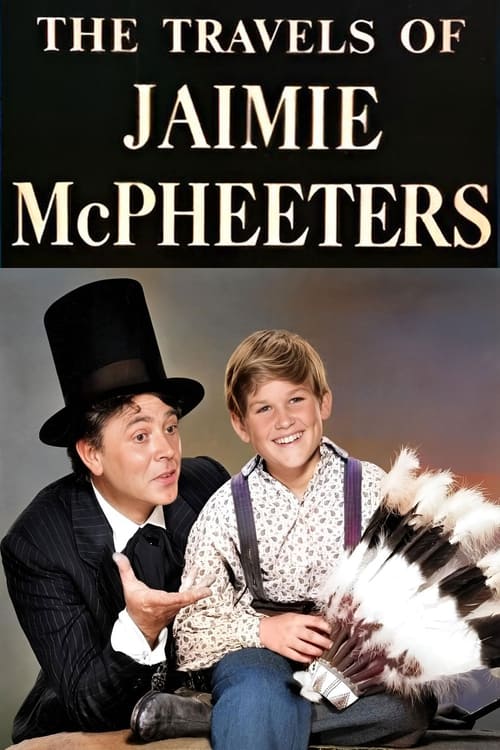
The Travels of Jaimie McPheeters is an American western television series based on the Pulitzer Prize-winning novel of the same name by Robert Lewis Taylor. The show aired on ABC in the 1963-1964 television season and was produced by MGM Television. The series introduces Dan O'Herlihy as a charming Scotsman of the frontier, Dr. Sardius McPheeters. As with many such charmers, Doc is missing something commonsense-wise. Fortunately his 12-year-old son, Jaimie (Kurt Russell), makes up for it by being as sharp as Daddy is gullible. The production is slick, authentic and brisk.
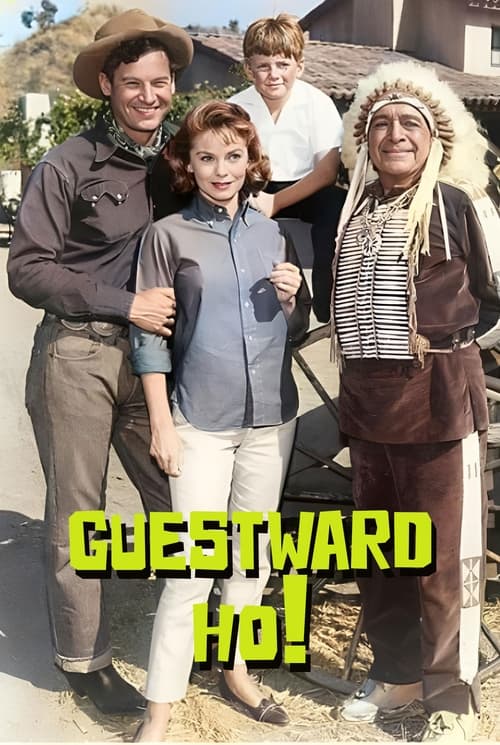
Guestward, Ho! is an American situation comedy which aired on the ABC network in the 1960-1961 television season, based on the 1956 book of the same title by Patrick Dennis, author of Auntie Mame.
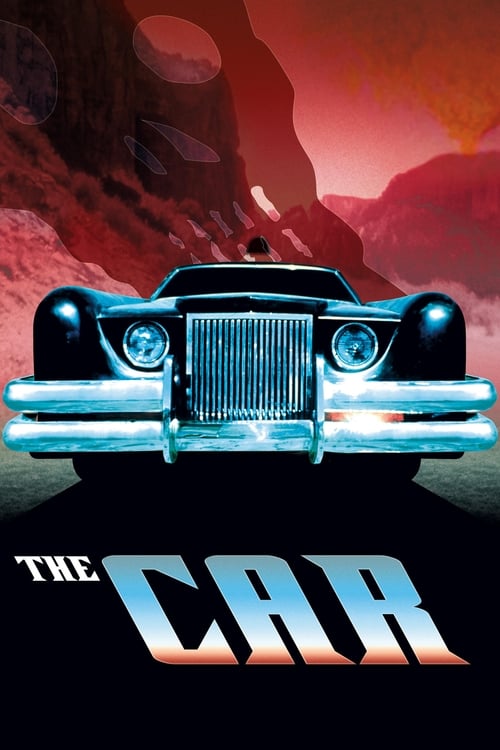
The Utah community of Santa Ynez is being terrorized by a mysterious black coupe that appears out of nowhere and begins running people down. After the car kills off the town sheriff, Captain Wade Parent is determined to stop the murderous driver.
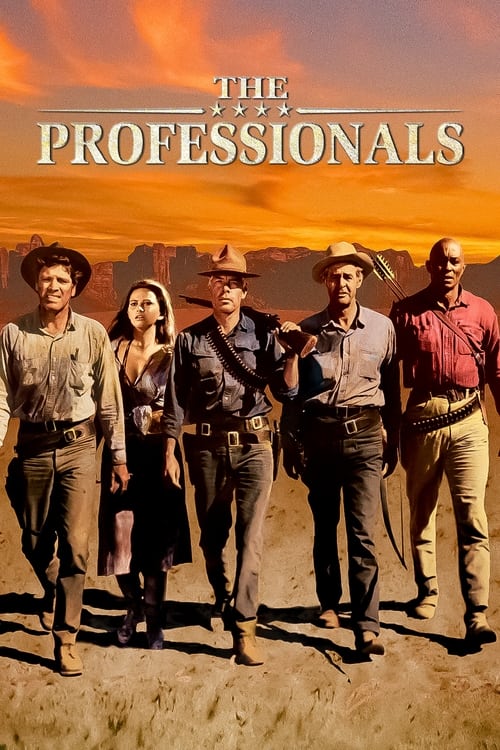
An arrogant Texas millionaire hires four adventurers to rescue his kidnapped wife from a notorious Mexican bandit.