Acting
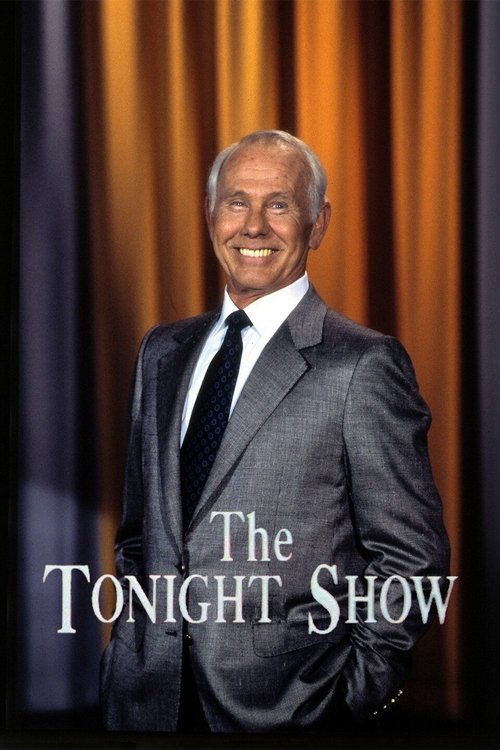
The Tonight Show Starring Johnny Carson is a talk show hosted by Johnny Carson under The Tonight Show franchise from 1962 to 1992. It originally aired during late-night. For its first ten years, Carson's Tonight Show was based in New York City with occasional trips to Burbank, California; in May 1972, the show moved permanently to Burbank, California. In 2002, The Tonight Show Starring Johnny Carson was ranked #12 on TV Guide's 50 Greatest TV Shows of All Time.
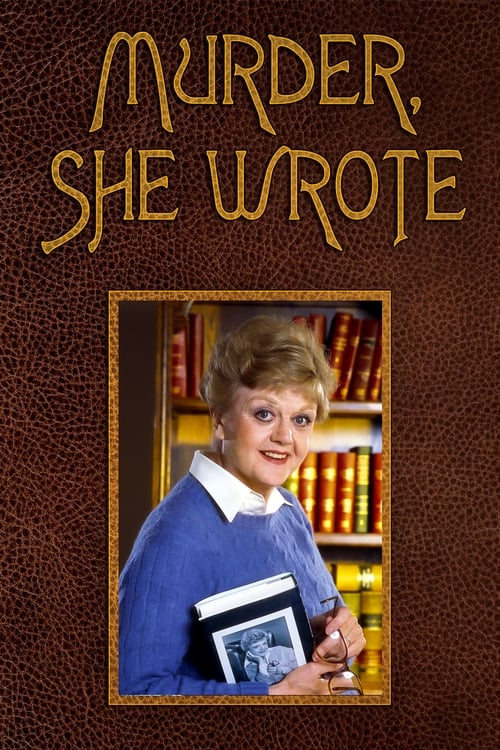
An unassuming mystery writer turned sleuth uses her professional insight to help solve real-life homicide cases.
The Mike Douglas Show is an American daytime television talk show hosted by Mike Douglas that originally aired only in the Cleveland area during much of its first two years on the air. It then went into syndication in 1963 and remained on television until 1982. It was distributed by Westinghouse Broadcasting and for much of its run, originated from studios of two of the company's TV stations in Cleveland and Philadelphia.
The Antoinette Perry Award for Excellence in Theatre, more commonly known as a Tony Award, recognizes achievement in live Broadway theatre. The awards are presented by the American Theatre Wing and The Broadway League at an annual ceremony in New York City. The awards are given for Broadway productions and performances, and an award is given for regional theatre.
No description available.
The best in the performing arts from across America and around the world including a diverse programming portfolio of classical music, opera, popular song, musical theater, dance, drama, and performance documentaries.
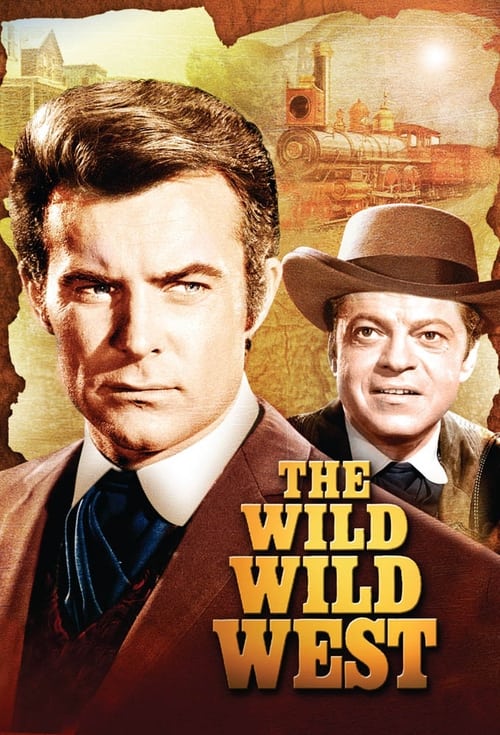
During the administration of President Ulysses Grant, Secret Service agents James West and Artemus Gordon solve crimes, protect the President, and foil the plans of megalomaniacal villains to take over all or part of the United States.
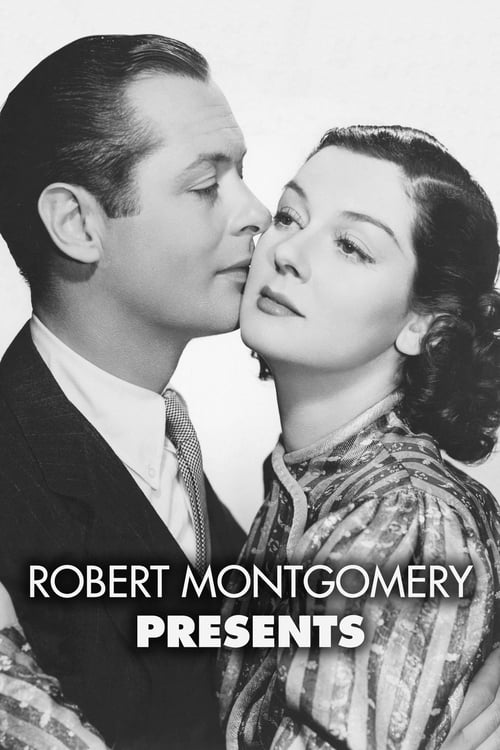
Robert Montgomery Presents is an American dramatic television series which was produced by NBC from January 30, 1950 until June 24, 1957. The live show had several sponsors during its seven-year run, and the title was altered to feature the sponsor, usually Lucky Strike cigarettes, for example, Robert Montgomery Presents Your Lucky Strike Theater, ....The Johnson's Wax Program, and so on.
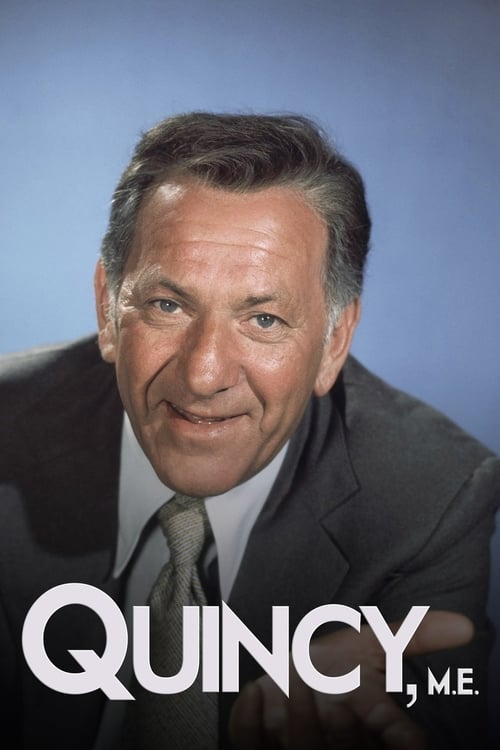
Los Angeles County medical examiner Quincy routinely engages in police investigations.
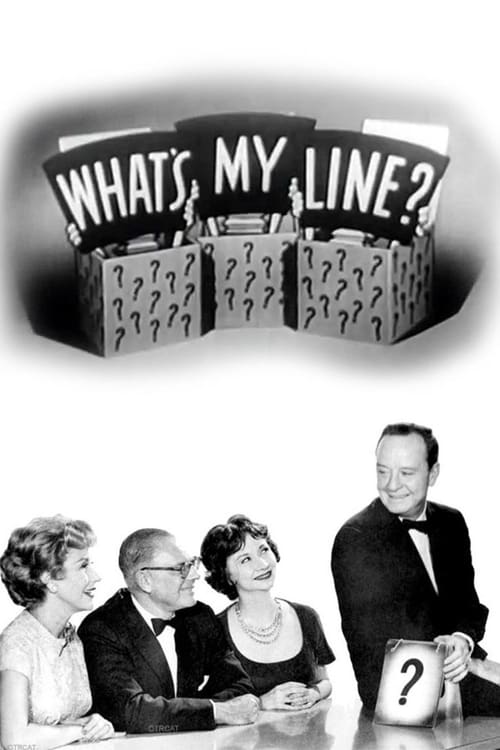
Four panelists must determine guests' occupations - and, in the case of famous guests, while blindfolded, their identity - by asking only "yes" or "no" questions.
The Dick Cavett Show has been the title of several talk shows hosted by Dick Cavett on various television networks.
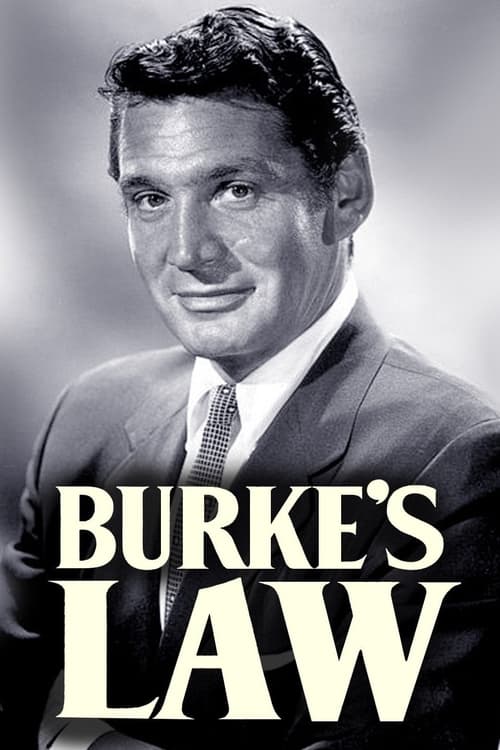
Burke's Law is an American detective series that ran on ABC from 1963 to 1965 and was revived on CBS in the 1990s. The show starred Gene Barry as Amos Burke, millionaire captain of Los Angeles police homicide division, who was chauffeured around to solve crimes in his Rolls-Royce Silver Cloud II.
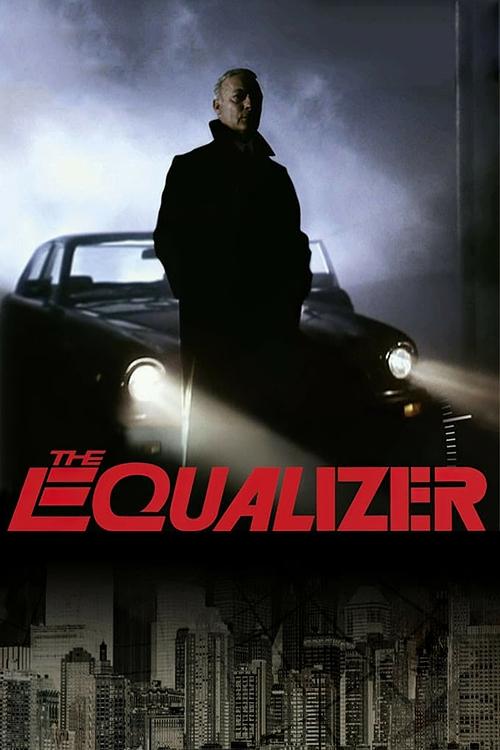
Robert McCall is a former agent of a secret government agency who is now running his own private crime fighting operation where he fashions himself as "The Equalizer." It is a service for victims of the system who have exhausted all possible means of seeking justice and have nowhere to go. McCall promises to even out the odds for them.
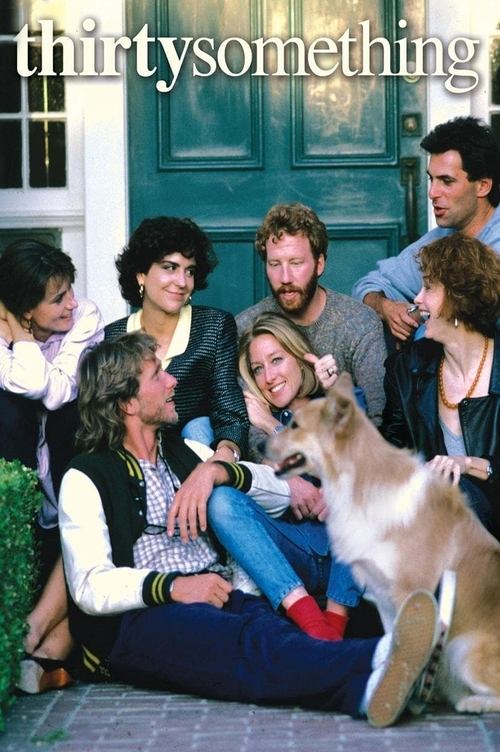
Thirtysomething is an American television drama about a group of baby boomers in their late thirties. It was created by Marshall Herskovitz and Edward Zwick for MGM/UA Television Group and The Bedford Falls Company, and aired on ABC. It premiered in the U.S. on September 29, 1987. It lasted four seasons, with the last of its 85 episodes airing on May 28, 1991. The title of the show was designed as thirtysomething by Kathie Broyles, who combined the words of the original title, Thirty Something. In 1997, "The Go Between" and "Samurai Ad Man" were ranked #22 on TV Guide′s 100 Greatest Episodes of All Time. In 2002, Thirtysomething was ranked #19 on TV Guide′s 50 Greatest TV Shows of All Time, and in 2013 TV Guide ranked it #10 in its list of The 60 Greatest Dramas of All Time.
The Bob Hope Show hosted by Bob Hope, debuted on April 9, 1950. During the 1952-1953 season, NBC rotated with other variety shows in a Sunday night block known as "The Colgate Comedy Hour" (Sept. 1950 to Dec. 1955). Also known as, "The Chevy Show with Bob Hope." When the first special debuted in October of 1950 it was the most expensive television program made up to that point - costing an astronomical $1,500 a minute to produce. Bob Hope had his own television show and radio show at the same time. For the next three seasons, The Bob Hope Show was broadcast once a month on Tuesday nights, giving Milton Berle a week off. Bob ended his radio show in April, 1956. Bob Hope also had another show by a similar name, "The Bob Hope Show (All Star Revue)". In addition, he performed in "Specials" for many years. It is the longest running variety program in television's history with a record of 45 years of televised entertainment.
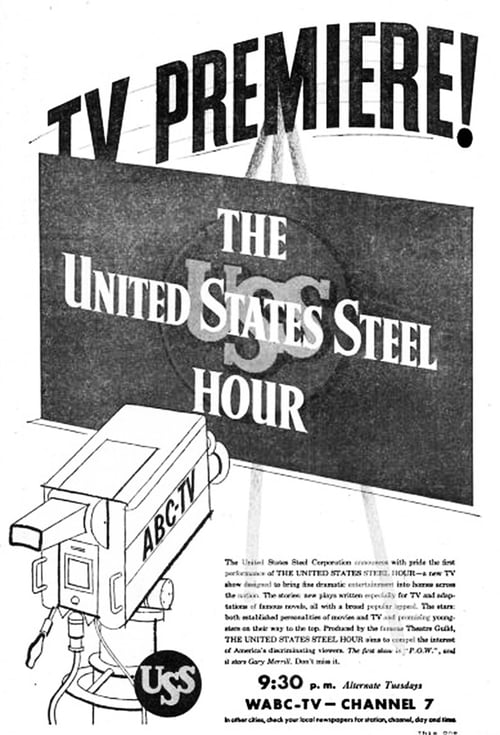
The United States Steel Hour is an anthology series which brought hour-long dramas to television from 1953 to 1963. The television series and the radio program that preceded it were both sponsored by the United States Steel Corporation.
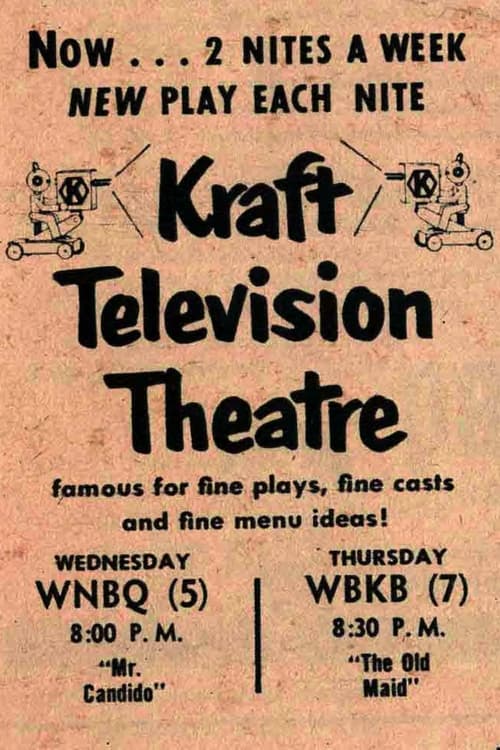
Kraft Television Theater is an American, well-received anthology series presenting live television dramas.
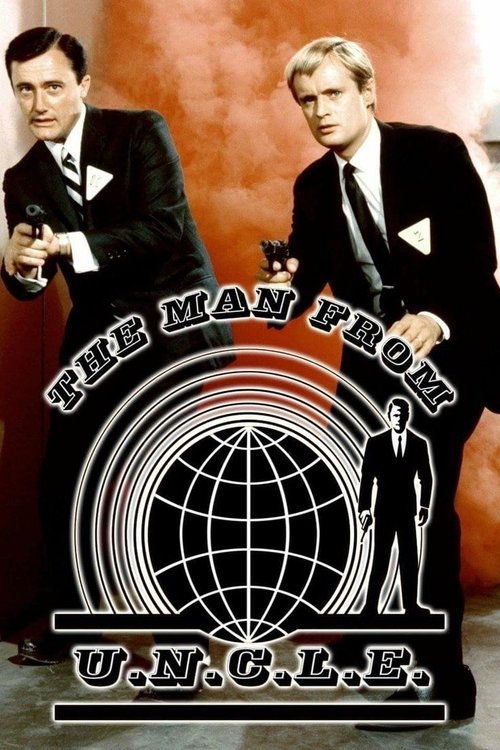
Agents Napoleon Solo and Illya Kuryakin work for a secret intelligence service working under the auspices of the U.N. Their immediate superior is Mr. Waverly. Together they operate out of a secret base beneath the streets of New York City, and accesses through several cover business such as Del Floria's Tailor Shop and the Masque Club. This secret intelligence service is called U.N.C.L.E. United Network Command for Law and Enforcement.
ABC Stage 67 is the umbrella title for a series of 26 weekly shows that included dramas, variety shows, documentaries, and original musicals. It premiered on American Broadcasting Company on September 14, 1966 with Murray Schisgal's The Love Song of Barney Kempinksi, directed by Stanley Prager and starring Alan Arkin as a man enjoying the sights and sounds of New York City in his last remaining hours of bachelorhood. Arkin was nominated for an Emmy Award for Outstanding Single Performance By An Actor in a Leading Role in a Drama and the program was nominated as Outstanding Dramatic Program. Future programs included appearances by Petula Clark, Bobby Darin, Sir Laurence Olivier, Albert Finney, Peter Sellers, David Frost, and Jack Paar. ABC's effort to bring culture to the masses was a noble but unsuccessful experiment. Scheduled first against I Spy on Wednesdays and then The Dean Martin Show on Thursdays, the show consistently received low ratings. Its last production, an adaptation of Jean Cocteau's one-woman play The Human Voice starring Ingrid Bergman, aired on May 4, 1967. "Stage 67" was not actually a part of the primary ABC facilities in Los Angeles. It was produced at the old Monogram Studios backlot that was later sold to KCET.
Password is an American television game show which was created by Bob Stewart for Goodson-Todman Productions. The host was Allen Ludden, who had previously been well known as the host of the G.E. College Bowl. Password originally aired for 1,555 daytime telecasts each weekday from October 2, 1961 to September 15, 1967 on CBS, along with weekly prime time airings from January 2, 1962 to September 9, 1965 and December 25, 1966 to May 22, 1967. An additional 1,099 daytime shows aired from April 5, 1971 to June 27, 1975 on ABC. The show's announcers were Jack Clark and Lee Vines on CBS and John Harlan on ABC. Two revivals later aired on NBC from 1979–1982 and 1984–1989, followed by a prime time version on CBS from 2008–2009. In 2013, TV Guide ranked it #8 in its list of the 60 greatest game shows ever.