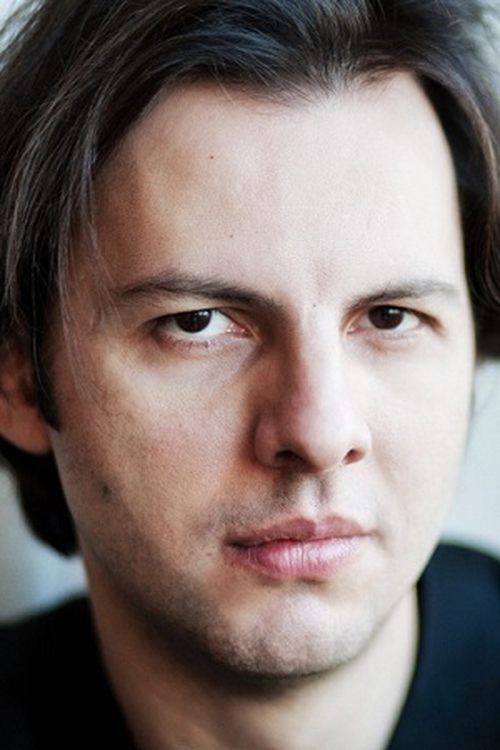
Teodor Currentzis
Sound
Biography
Teodor Currentzis is a Greek-Russian conductor and musician. He was Chief Conductor of the SWR Symphony Orchestra from 2018 to 2024 and is Artistic Director of the ensemble musicAeterna and the Utopia orchestra and choir. Outside of music, in 2009, Currentzis acted in Ilya Khrzhanovsky’s film Dau based on the biography of the physicist Lev Landau.
Known For
A 30-minute weekly cultural magazine program. The head of aspekte, Wolgang Herles, describes the program as follows: "For 40 years, "aspekte" has repeatedly set out to enrich television with cultural contrasts. "aspekte" understands culture not as the sum of facts and events, but as the taste, the sound, the rhythms of the times. It has proven itself as a journal of true luxury and fashions as well as an instrument of public education and information."
aspekte
A reality dance competition for kids.
Kunscht!

Katya, a young librarian, believes in love, but her ideals are crushed by reality. After a string of disappointing affairs, Katya finally finds tenderness and understanding in the arms of her colleague, a journalist called Tanya. But then the First Department interferes: the state security services see this relationship as unacceptable for a Soviet woman.
DAU. Katya Tanya
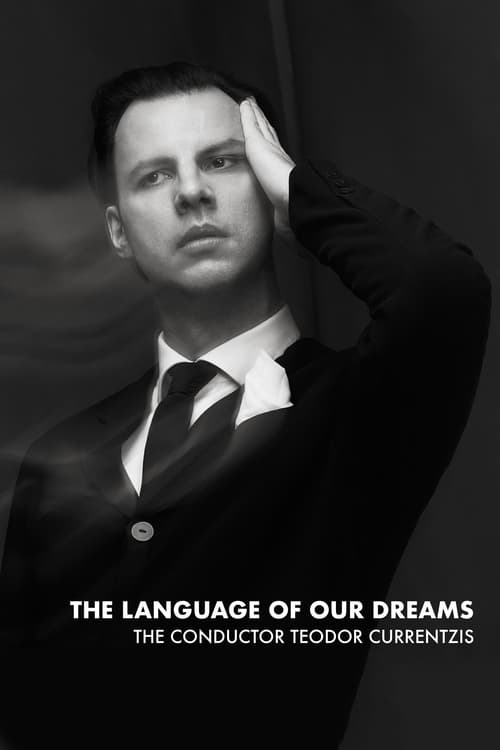
“The most important work doesn’t take place on stage, but everywhere else,” Teodor Currentzis is convinced. And that is precisely where this film portrait follows him. For eight months, German director Andreas Ammer accompanied the charismatic conductor. He observed him in rehearsals with the SWR Symphony Orchestra, which Currentzis leads as chief conductor since 2018. He has visited him at his former place of activity in Perm, where he led the opera house from 2011 to 2019 and launched his career through meticulous work with his ensemble musicAeterna. He accompanied Currentzis on guest performances and had numerous conversations with him. The result is a many-faceted portrait of the impressive musician, who sees his profession also as a spiritual mission.
The Language of Our Dreams – The Conductor Teodor Currentzis
No description available.
Mendelssohns Violinkonzert – Schönheit ist ein Verbrechen
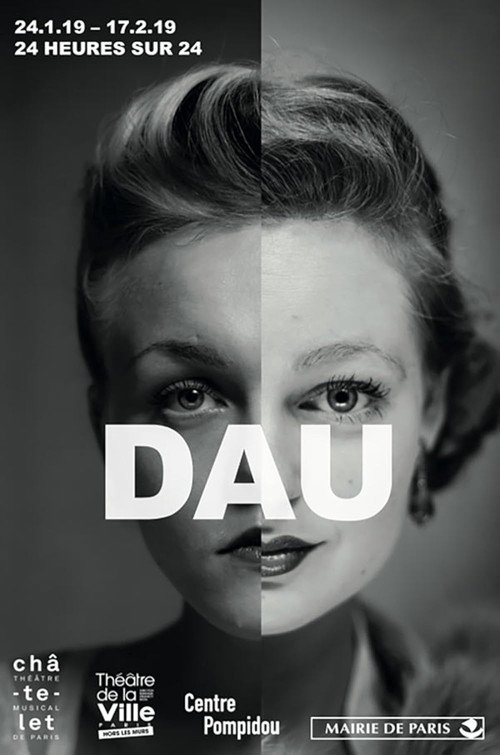
An ongoing experiment, evolving from a biopic about Soviet physicist Lev Landau into a large scale project – part cinematic cycle, part behavioral experiment – involving hundreds of participants from around the world. Combining elements of film, theatre, science, psychology, architecture, visual arts and performance, it has created a complex and absorbing world that has to be lived as much as seen.
DAU. Cinema
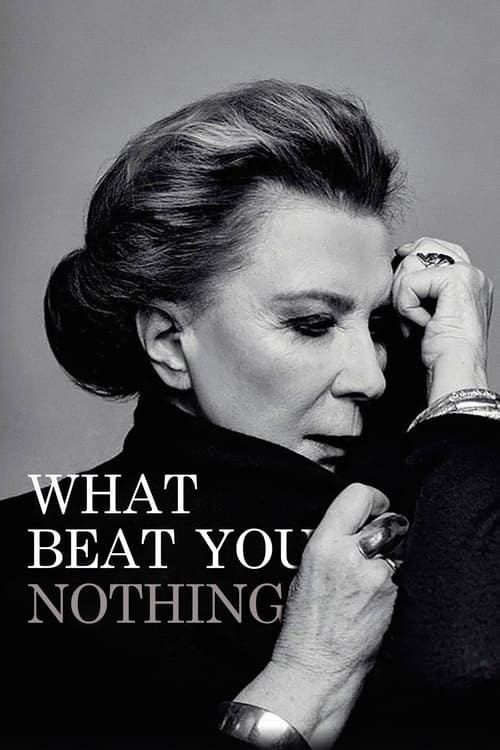
Alla Demidova ranks among the greatest actresses to have graced the Russian-language stage over the past six decades, as well as screens big and small. She's famous for her tragic characters. Perhaps because she, above all, understands the world as a realm of worries and sorrow?
What Beat You Nothing

No description available.
Jedermann auf der Weltbühne – 100 Jahre Salzburger Festspiele
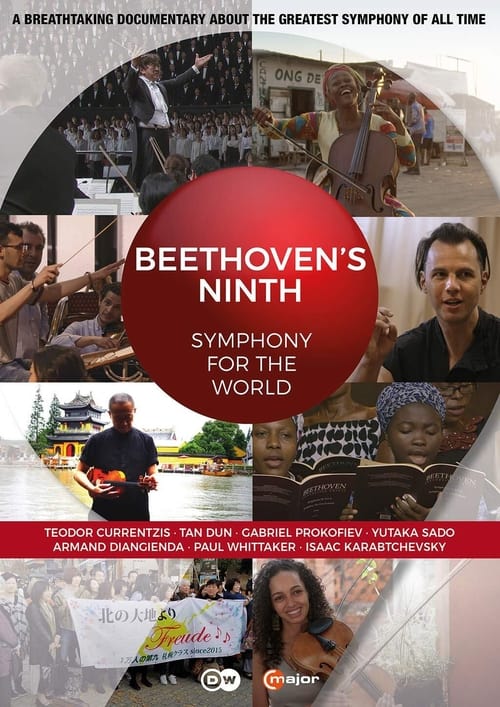
The 9th Symphony of Ludwig van Beethoven is one of the most popular pieces of classical music in the world. Even those who are not passionate about the classical music recognize the famous Ode to Joy. Despite the grim context in which it was created, the 9th Symphony leaves us fascinated, moved and uplifted by its creativity, its power and its culmination in the Ode to Joy. More than 160 years after it was written, Beethoven’s hymn to brotherhood was adopted by the European Union as its official anthem. But Beethoven’s Ninth is also met with enthusiasm far beyond the borders of Europe. What’s the explanation for its never ending success? What is it about this work of art that fascinates people all over the world?
Beethoven’s Ninth: Symphony for the World

«The Return of the Prodigal Son» is the first volume from the film (novel) of Anatoli Vassiliev’s «Empire» inside the Dau cycle. The story is about inner kinship, which is much closer than blood, about inevitable betrayal, about almost fatherly love and forgiveness. Cigarettes (papirossa), images from «Faust» and «Don Juan», walks in the Soviet Park of culture... And a terrible, narrow gap inside the brutal regime where you have to be skilled enough to survive... Yes! and they also play gorodki (skittles) with childish passion!
DAU. The Empire. Novel One: Return Of The Prodigal Son

Leonid Desyatnikov is the most played Russian composer of today. Unparalleled, his music is performed all over the world from the Bolshoi Theatre and Paris’s Opéra Garnier to Milan’s La Scala and New York’s Carnegie Hall. While he usually shuns publicity, this time, he will open up to share some of his innermost thoughts. From the genius’s weekday routine and musings to the bold premiere involving the iconic conductor Teodor Currentzis, this movie is an attempt at unraveling the enigma that is the paradox of the composer’s music and persona.
Lenechka
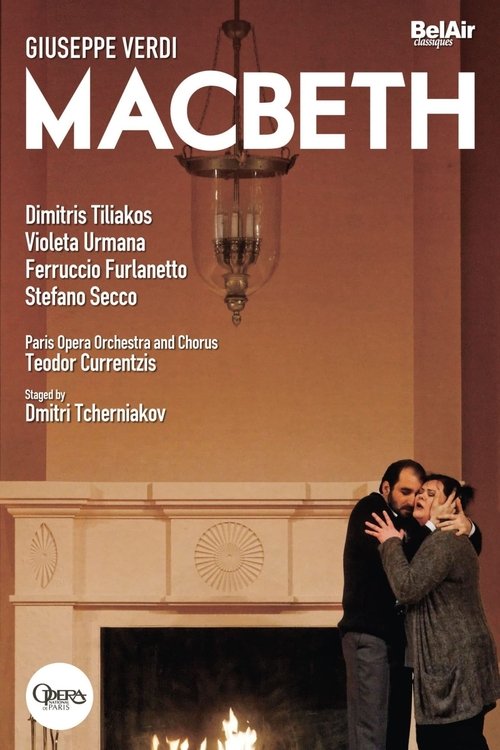
Coproduced with Siberia’s Novosibirsk Opera, this new Macbeth uses cutting-edge multimedia technology to give the viewer a fresh perspective on the work. Google Earth satellite images plunge us into the heart of the action: a gloomy square surrounded by soulless buildings, and the interior of an aristocratic residence. Witches are no more a part of Tcherniakov’s Macbeth that the duel was of Onegin, but once again the atmosphere is one of brooding claustrophobia. Tcherniakov has chosen a great cast, beginning with the marvellous Lithuanian soprano Violeta Urmana as Lady Macbeth. Greek baritone Dimitris Tiliakos is a powerful presence as Macbeth, while the Italians Ferruccio Furlanetto (bass) and Stefano Secco (tenor) are sumptuous as, respectively, Banquo and Macduff. In this, his second production at the Paris Opera, Teodor Currentzis, music director of the Novosibirsk Opera and Ballet Theatre conducts with verve and a splendid theatrical sense.
Macbeth: Opéra National de Paris
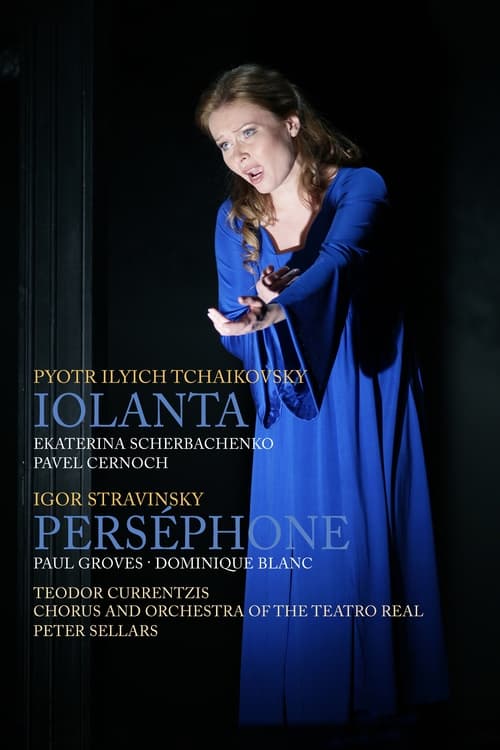
Iolanta is a one act lyric opera, sung in Russian, by Tchaikovsky. Performed in the style of a nineteenth-century Italian melodrama, the scenes have a recitative introduction followed by a single arioso, aria, duet or chorus. Persephone is a three act melodrama, sung in French, by Stravinsky. It is a story of regeneration, symbolised in Sellars use of dancers from the Cambodian dance company, Amrita Performing Arts. Peter Sellars, one of the most innovative creators on today's stage, has linked these two productions by using the same stage setting, instantly archaic yet modern, and lit by rich colours to define the journey from darkness to light.
Iolanta / Perséphone – Teatro Real
Giuseppe Verdi based his famous opera on the novel “The Lady of the Camellias” by Alexandre Dumas. Robert Wilson’s production of Violetta Valéry’s tragic fate is his first work at the State Theater of Linz, Austria, one of the most modern operatic stages in Europe by architect Terry Pawson. After the run in Linz, the production was transferred to the Opera House in Perm, Russia, where the production was conducted by Teodor Currentzis. In 2017, the work received a “Golden Mask”, the most prestigious Russian theater award, in three categories (Teodor Currentzis, Best Conductor; Nadezhda Pavlova, Best Female Singer; Robert Wilson, Best Lighting Design).
Verdi: La Traviata
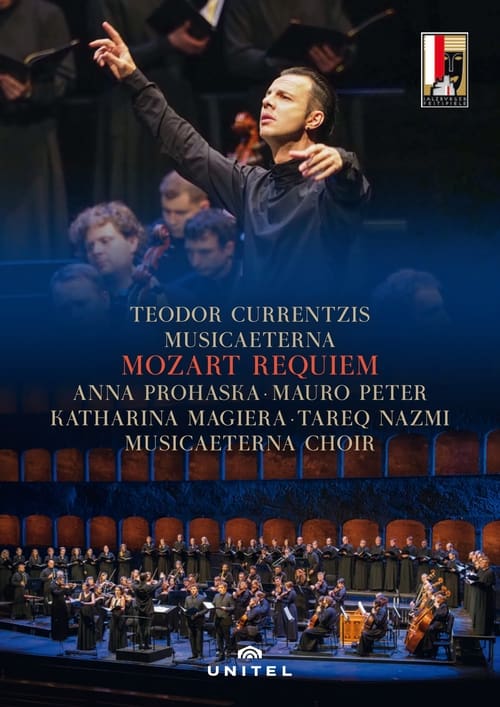
Mozart’s Requiem – his final and unfinished masterpiece – is an extraordinary work. Discover the piece at the Salzburg Festival in the hands of conductor Teodor Currentzis, the ensemble musicAeterna, Anna Prohaska (soprano), Katharina Magiera (contralto), Mauro Peter (tenor), and Tareq Nazmi (bass). Few musical works are as steeped in legend as Mozart’s Requiem in D minor, K. 626. Commissioned anonymously by the eccentric count Franz von Walsegg, the funereal oeuvre would become Mozart’s last: when he died on December 5, 1791, only the Requiem aeternam and Kyrie movements were fully composed and orchestrated. Completed by other composers (Mozart’s student Franz Xaver Süssmayer in particular) using Mozart’s sketches and notes, the resulting work weaves the emotions we associate with death into a timeless musical exploration of every human being’s destiny, and constitutes a powerful final testament to its creator’s genius.
Salzburg Festival 2017: Mozart, Requiem in D minor, K. 626
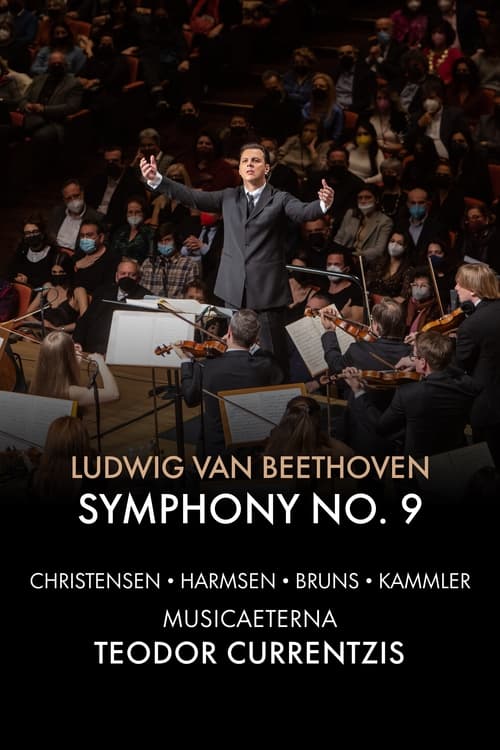
Ludwig van Beethoven headed for Symphony No. 9 literally his entire life. As early as the 1790s, he had an eye on Ode to Joy, perhaps the most well-known poem by Friedrich Schiller, written on the threshold of the French Revolution (1786). In his mature and, in particular, later years, the deaf composer with an acute ‘hearing vision’ increasingly distanced himself from conventional forms and genres and wrote parts beyond the possibilities of instruments of his day. He nurtured the idea of a symphony with a choir for at least several years. The history of the Ninth’s interpretations includes 200 years of staggering revelations and lingering stagnation. Performed by the musicAeterna orchestra, choir, and guest soloists under the baton of Teodor Currentzis, Beethoven’s opus magnum acquires the original poignancy and energy of a recent discovery.
Currentzis conducts Beethoven Symphony No. 9
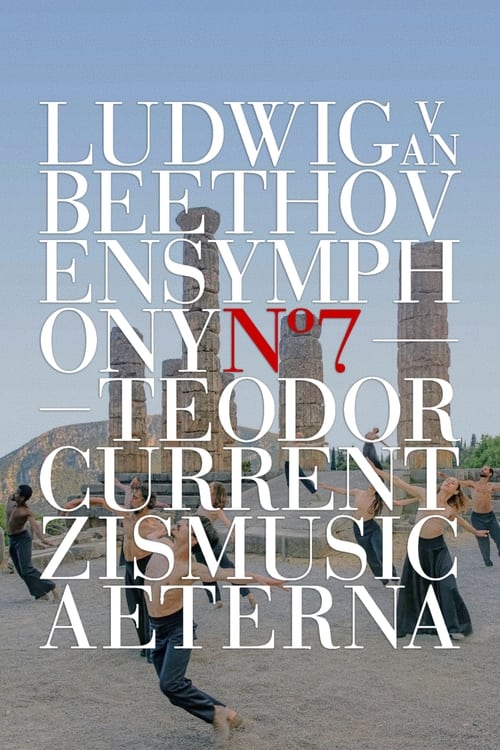
In the ancient theater of Delphi, against the backdrop of the ruins of the Temple of Apollo, musicAeterna, conducted by Teodor Currentzis, performs Ludwig van Beethoven’s 7th Symphony, in conjunction with a new choreography by Sasha Waltz and her company.
Beethoven: Symphony No. 7
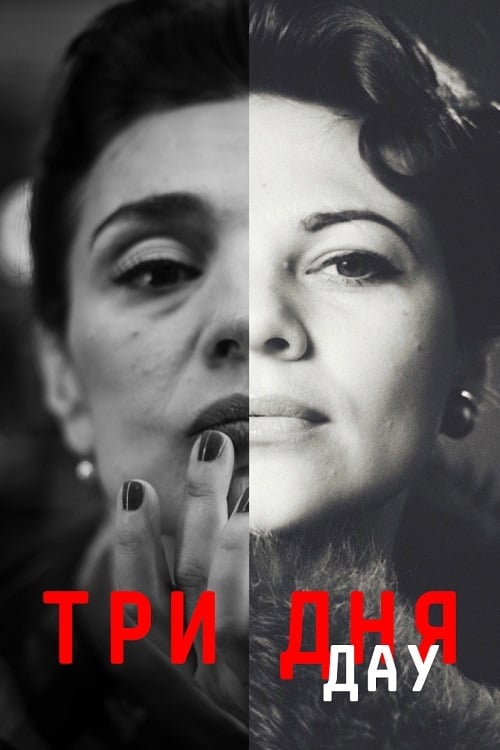
It is 1956. Dau is a distinguished Soviet scientist who meets up with the love of his youth – Maria, a Greek actress – during her three day visit to Moscow. They haven’t seen each other for 25 years. Dau is a successful and prosperous scientist, but feels excruciatingly dissatisfied with his family life. Through Maria he hopes to regain lost harmony and beauty, but reality intrudes when Nora, Dau’s wife, returns home.
DAU. Three Days
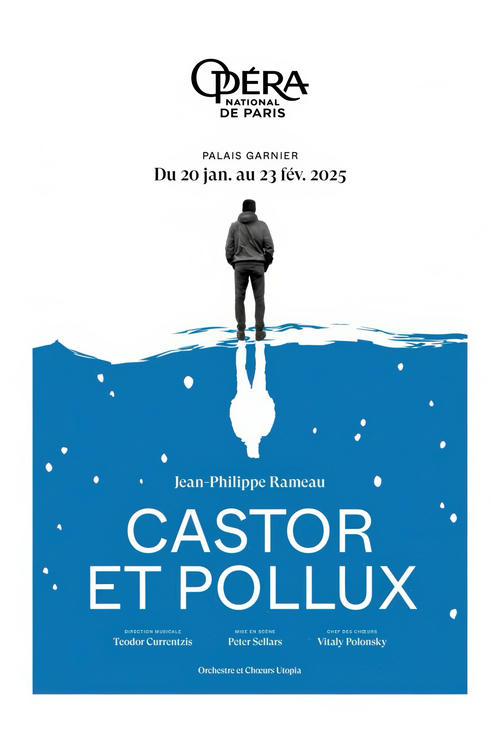
A return to its roots for Castor et Pollux, Jean-Philippe Rameau’s lyric tragedy first performed in 1737 at the Académie royale and inspired by the mythological episode of the Gemini. Rarely performed in its original version – the score was reworked by Rameau himself in 1754 –, this daring work plays on contrasts and expressiveness, as in the famous “Tristes apprêts”. The aria is sung by Télaïre mourning the death of her fiancé Castor, killed in battle, before his twin brother Pollux descends into the Underworld to ask his father, Jupiter, to bring him back to life. While this opera celebrates brotherly love, its prologue poses an essential question for director Peter Sellars: how do you stop a war and its attendant hatred and resentment?
Opéra National de Paris: Castor et Pollux by Jean-Philippe Rameau
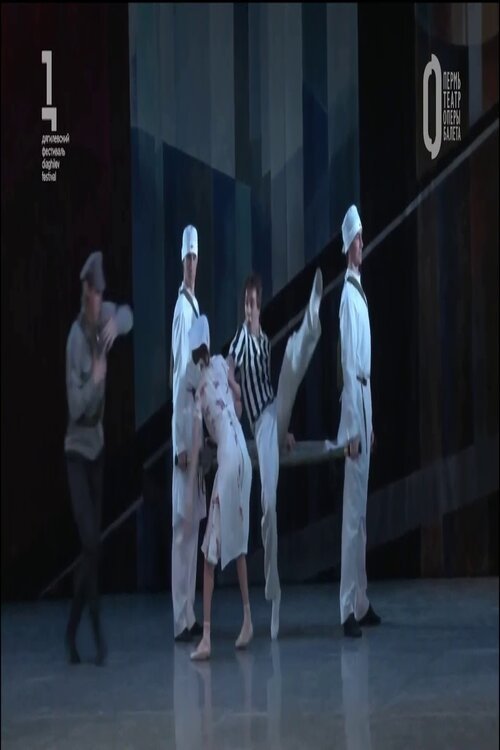
In 1931 Shostakovich wrote a full-length score for the Leningrad Music Hall, for a show that involved many of the leading entertainers of the day, as well as dancing girls, a jazz band, a dancing dog, sequences of silent film, simulated air-raids and gas attacks, a lorry, a storm, waiters and waitresses in a luxury restaurant, river nymphs and even a scene in Heaven with the Devil, the Twelve Apostles, the Archangel Gabriel and all the other angels doing a blasphemous knees-up. The show was naturally a momentary scandal and the score soon disappeared. In 1991 Gerard McBurney reconstructed from the surviving sketches a sequence of 21 of the orchestral numbers to make a hilarious sequence of gallops, saucy polkas, marches and schmoozy waltzes.