Deborah Polaski
Acting
Known For
This film was prepared as a introduction to a series of opera broadcasts on German television. It depicts the behind-the-scenes manoeuvrings in preparation for the annual opera festival in Bayreuth.
The Transformation of the World Into Music
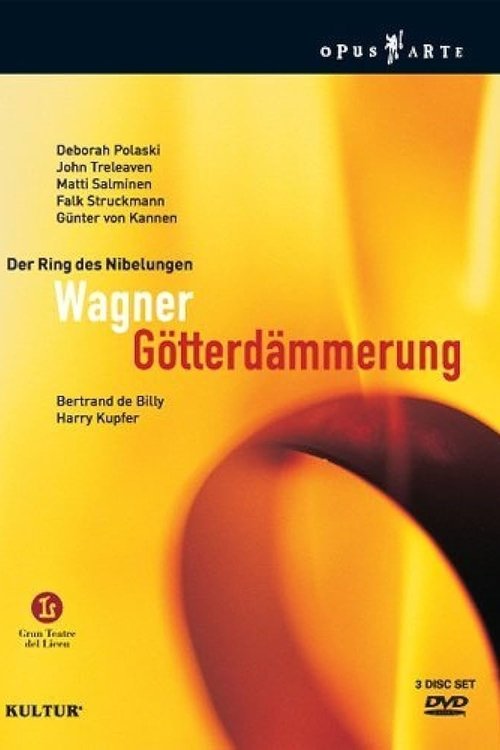
Musically, Götterdämmerung, like its predecessors in this Barcelona production, has strengths and flaws. Fortunately, Kupfer's interpretation places Brünnhilde and Hagen at its center and the singers are well up to the task. Deborah Polaski's final scene, so critical to any performance of the cycle, is excellent, the voice warm, the emotions palpable. Her moving performance here is ample compensation for the touch of vocal hardness she displays in the opening scenes. As Hagen, the veteran bass Matti Salminen offers a great portrayal: firm of voice, creating a complex character, not a stage villain. Also notable are soprano Elisabete Matos, who makes Gutrune a sympathetic character, and Julia Juon, whose Waltraute is more involving than usual.
Wagner - Götterdämmerung
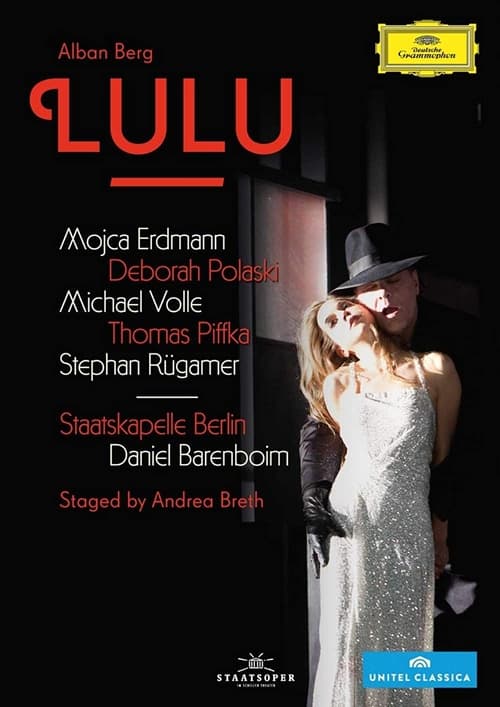
A performance of Alban Berg's opera recorded at the Schiller Theater in Berlin. The opera, dark and satirical in tone, charts the story of the rise and fall of a femme fatale, from life as a society hostess to prostitution and, eventually, a bloody death at the hands of Jack the Ripper.
Berg: Lulu
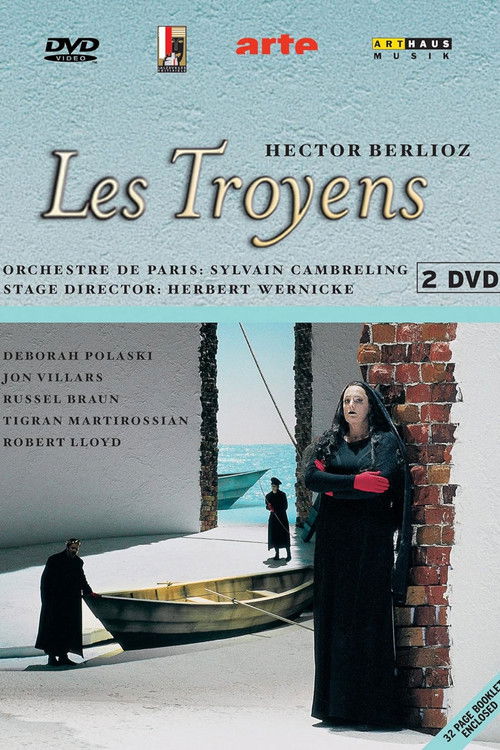
Alexandre Tarta's production of Berlioz's opera, recorded live at the Salzburg Festival in 2000. Sylvain Cambreling conducts, with performances by Jon Villars, Russell Braun and Tigran Martirossian.
Les Troyens
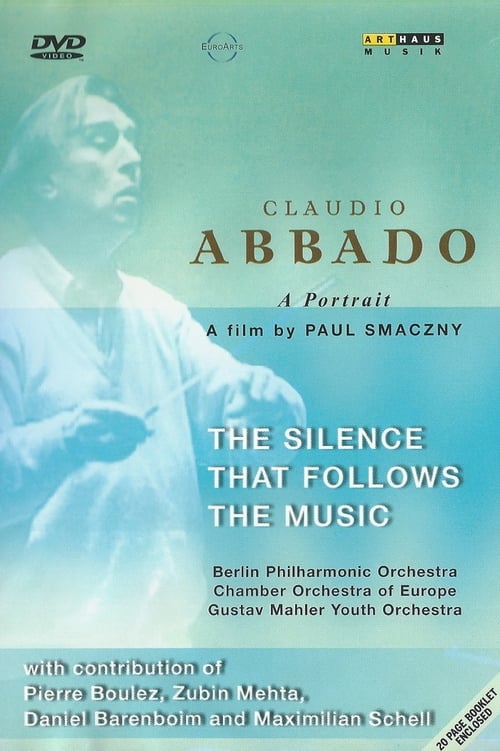
Shot over a two-year period observing Abbado: a) Rossini, Overture to 'll Barbiere di Siviglia' b) Schubert, Symphony no. 2 B-Major, D. 125 c) Arnold Schonberg, Kammersinfonie no. 1 E-Major op. 9 (Filmed in Venice, Gran Teatro La Fenice, in February 1995, Chamber Orchestra of Europe). a) Richard Strauss, Elektra (Deborah Polaski, Karita Mattila, Marjana Lipovsek, Ferrucio Furlanetto) b) Beethoven, Symphony no 6 F-Major, op. 68, 'Pastorale' (Filmed in the Festspielhaus Salzburg on the occasion of the Easter Festival, April 1995, Berlin Philharmonic). a) Beethoven, Concerto for piano and orchestra no. 3 C-MINOR, OP. 37 (Maria Joao Pires) b) Bruckner, Symphony no. 9 D-Minor (Filmed in Paris, Cite de la Musique, in August 1995, Gustav Mahler Youth Orchestra).
Abbado: The Silence that Follows the Music
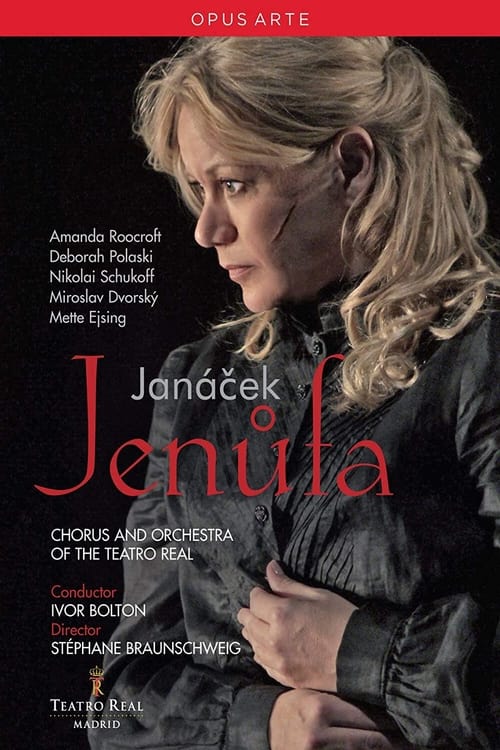
"Yenufa" is an outstanding phenomenon in the music of the 20th century. Drawing on Moravian folklore, Janáček faithfully and deeply conveyed the drama of a peasant girl. The composer followed the path of Mussorgsky, revealing the spiritual life of people through the recreation of intonations of living speech. The libretto is based on a drama written in a naturalistic manner. Free from naturalism, Janáček's music has powerful emotional strength and psychological truth. It was written during a difficult period in the composer's life (illness and death of his daughter).
Janacek: Jenufa
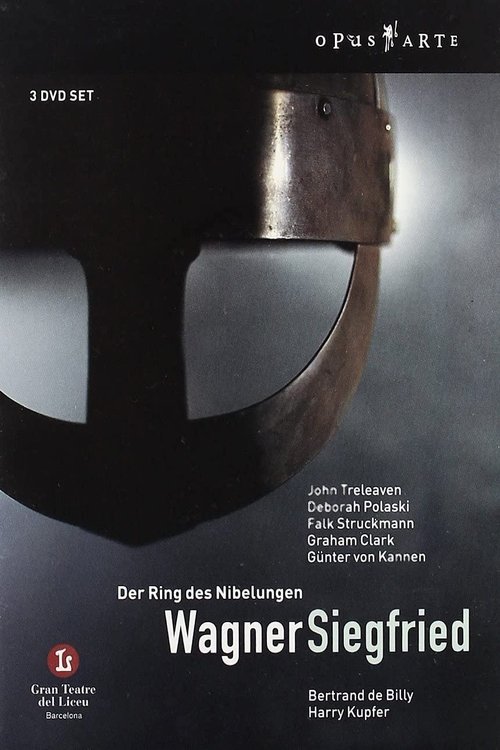
In the third work of Wagner's epic cycle, Der Ring des Nibelungen, Siegmund's shattered sword is forged once again and kills the dragon that guards the ring. When Siegfried seizes the ring, he also receives its curse as he continues his fiery adventure of discovery and love. Filmed at Barcelona's Gran Teatre del Liceu in 2004, Harry Kupfer's stunning production, first staged in Berlin, numbers among the greatest productions of modern times and is recorded in sumptuous surround sound.
Wagner - Siegfried
No description available.
Im Olymp der Kunst
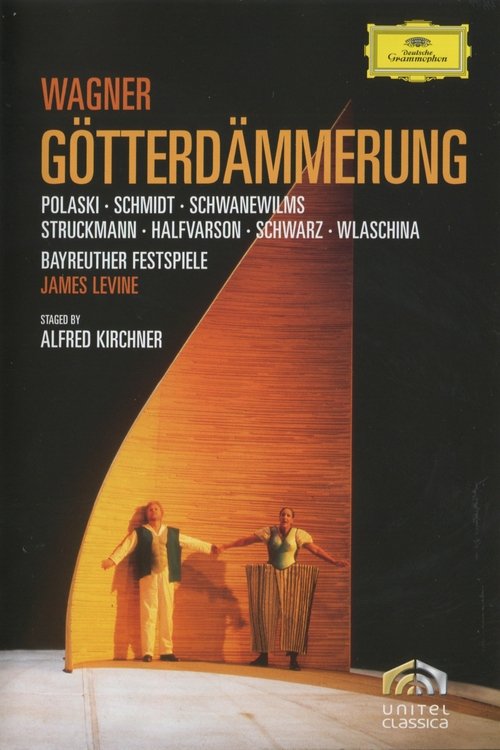
This Götterdämmerung is the only installment of the Kirchner/Rosalie/Levine 1994-8 Bayreuth Ring taped for subsequent DVD release. Kirchner and Rosalie publicly stated a desire to depart from the political Ring productions of previous Bayreuth Ring directors such as Kupfer and Chéreau and free Wagner´s work from all the "ideological and philosophical" ballast.
Götterdämmerung: Bayreuther Festspiele

Where Das Rheingold introduces us to the gods, underworld denizens, and giants who inhabit the world of Wagner's Ring cycle, the second of the four operas, Die Walküre, focuses on the interaction of men and gods. The turbulent orchestra brings Siegmund, Wotan's earthly son, into the home of his vicious enemy, Hunding, whose wife Sieglinde turns out to be Siegmund's newfound lover and twin sister. The gods meddle in their showdown battle, with Wotan bowing to his wife Fricka's demand that he uphold the sanctity of marriage by allowing Hunding to win. Wotan's favorite daughter, Brunnhilde, sides with Siegmund, earning Wotan's unbridled anger. She manages to shelter the now-pregnant Sieglinde, though, before being banished forever from Valhalla to a mountaintop ringed by fire. Like its predecessor, producer Harry Kupfer's Barcelona production of Die Walküre is spare and symbolic.