Miguel Mirra
Directing
Known For
No description available.
Después del último tren

The film tells two parallel stories. One, set in the present, tells of a pagent about the conquest of America, while the other, set in the 15th century, tells of a group of conquistadors coming ashore searching for gold. The film takes place in an unnamed country.
La máscara de la conquista
No description available.
Dos palabras
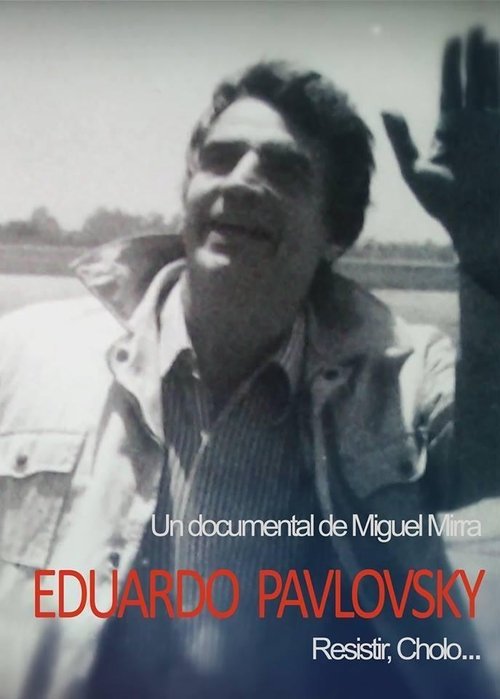
This documentary explores the theatrical work of Eduardo Pavlovsky, while also examining its connection to his era and his social and political commitment. It also includes footage of rehearsals for a stage production featuring excerpts from his plays, with Tato himself performing on stage.
Eduardo Pavlovsky, resistir Cholo
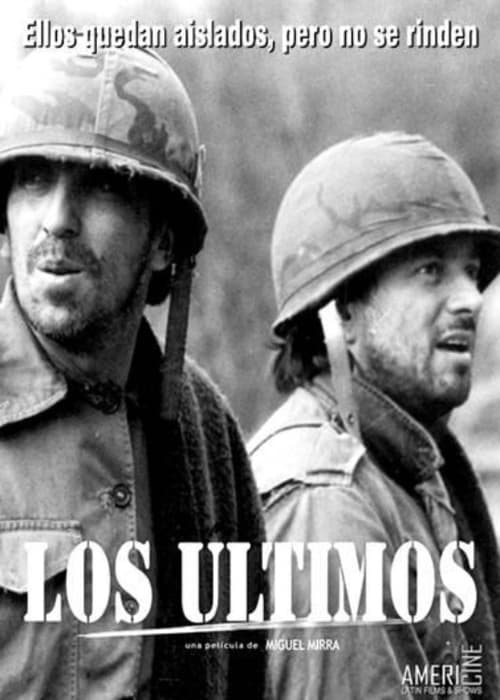
Los Últimos is the remake of the frustrated Pozo de Zorro, by Miguel Mirra himself. A group of soldiers is isolated after a bloody battle, but they refuse to surrender. The Malvinas war is approached by Miguel Mirra from a different perspective than that known until now. The Last Ones is a war drama where there is no room for guilt and commiseration.
The last ones
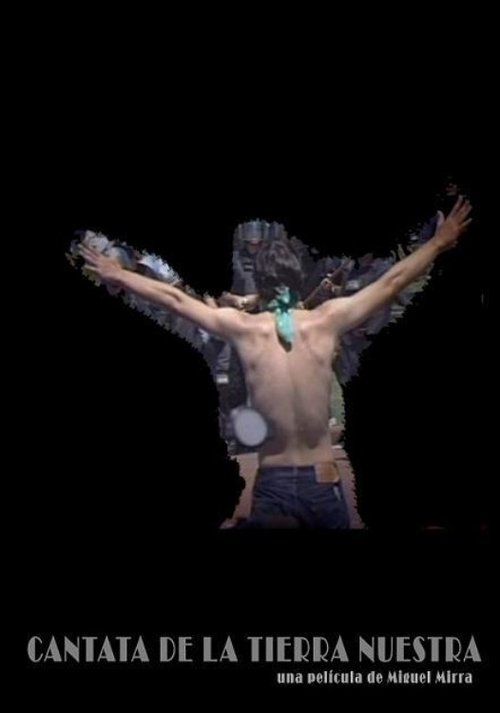
Through five episodes, this documentary delves into the history, landscapes and dreams of Argentina. Conceived as a journey into the interior of anger and hope, the film is inspired by a text by the director himself that expresses in each sentence the meaning of each of his films and summarizes the entire spirit of his work
Cantata of our land
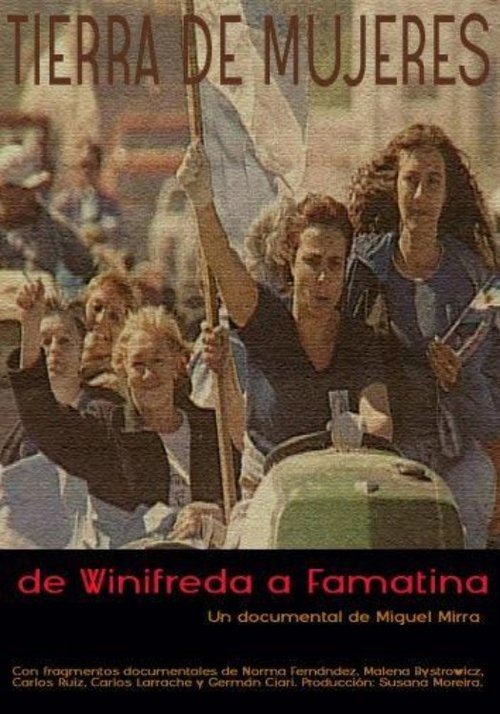
This documentary addresses the struggle that, since 1995, Argentine women have undertaken in certain areas of the Pampa to preserve their lands and communities in the face of devastating open pit mining.
Land of women: From Winifreda to Famatina
A small group of soldiers is isolated during the Falklands War in a ditch surrounded by enemies.
Pozo de zorro
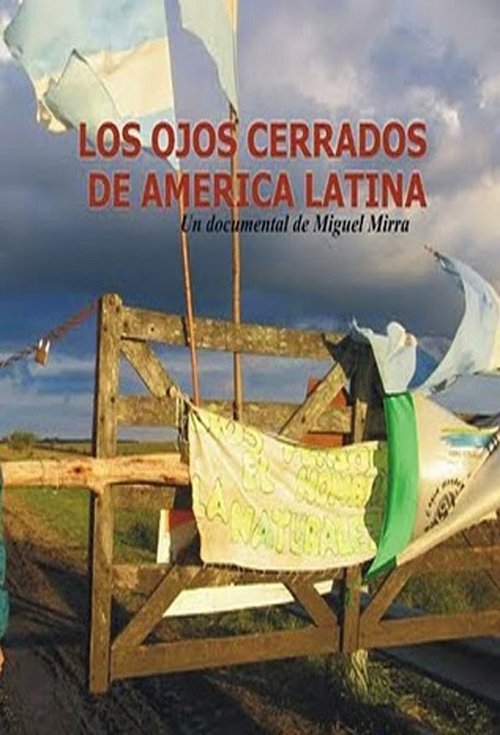
The closed eyes is a tour of Latin America subject to looting and contamination by multinationals. From Mexico to Colombia and from Guatemala to Uruguay and Argentina, the documentary begins by quoting Eduardo Galeano: “…the conquistadors appear in their caravels and, nearby, the technocrats in their jets, Hernán Cortés and the marines, the corregidors of the kingdom and the missions of the international monetary fund, the dividends of the slave traders and the profits of General Motors.¨ Made by Miguel Mirra with the collaboration of filmmakers from across the continent, THE CLOSED EYES OF LATIN AMERICA addresses the issue of open pit mining, soy, monocultures and the depredation of soils and forests, dams, devastation fish farming and the production of cellulose pulp, highlighting the close relationship between the plundering of natural resources, environmental pollution and the exploitation model that multinationals apply in Latin America.
The closed eyes of Latin America
No description available.
No es no
A young colla leaves his Salta community to travel to Buenos Aires and Become a boxer, with the dream of becoming like this. of poverty. His father makes a journey from the humility of the interior to the big city to find the boy and demand the return of his lands usurped many years ago.
Crónica de un extraño

The Sahara has been and is populated by peoples who have passed through and occupied it since time immemorial. The Sahrawis are one of these peoples. When Spain withdrew from its colony in 1976, Morocco invaded. Thousands have had to leave their lands to seek refuge in camps in the Sahara, in neighboring Algeria, and thousands have had to migrate to Spain and other destinations outside the Sahara. And it is the women who built the camps while the men fought, and it is they who have increasingly gained social, cultural, and political influence in the territory and in the diaspora. This is their history and their reality.
Women of the free Sahara

Documentary about the career of the Argentine documentary filmmaker Miguel Mirra.
Miguel Mirra, un artesano
Documentary film about three lives of Salvadoras Medina Onrubia. The Savior of her youth, the Savior of her later years and the Savior who returns from the past to conclude her final work Mil claveles colorados. At the same time, Salvadora as a fighter, anarchist and feminist activist, as a playwright, writer and journalist, as supportive and committed to the workers and as a companion of her companions, in all her complexity and nuances.
A Thousand Red Carnations
Continuation of the documentary, The Closed Eyes of Latin America, this documentary addresses the issue of soil and contamination of the continent and the social and popular resistance in defense of the land and territory.
The open eyes of Latin America

A documentary about Adolfo Pérez Esquivel. Peace and justice service. The prison. The mothers of Plaza de Mayo. The Nobel Prize. His commitment to Nicaragua. The external debt. The fight against the Auk. The summit of the peoples. Haiti, long before hypocrisy. Argentina. Youth for peace. Looting and pollution. Latin America. And another world is possible. A documentary about Adolfo Pérez Esquivel. Peace and justice service. The prison. The mothers of Plaza de Mayo. The Nobel Prize. His commitment from him to Nicaragua. The external debt. The fight against the Auk. The summit of the peoples. Haiti, long before hypocrisy. Argentina. Youth for peace. Looting and pollution. Latin America. And another world is possible.
Adolfo Pérez Esquivel. Another world is possible
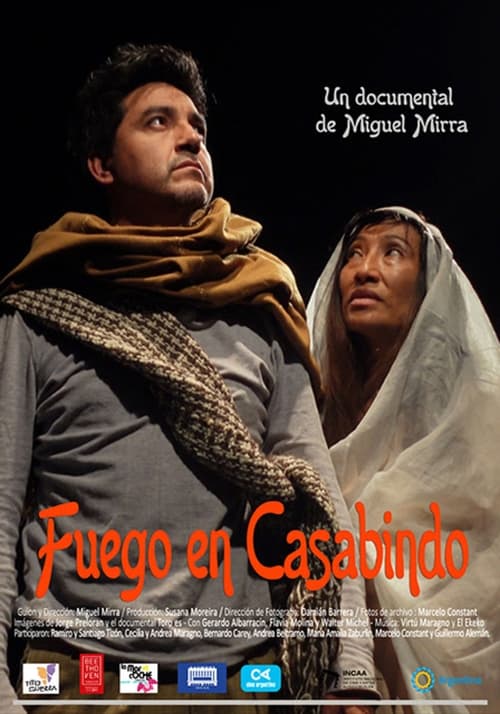
A search for the meaning of Héctor Tizón's novel, relating it to the life of its author. And the same, with the eponymous opera written as an adaptation of the novel by the composer Virtú Maragno. Also included is the documentary record of the Day of the Virgin and the Bullfighting with the Headband in Casabindo. Alongside this, a theatrical production incorporates fragments from both works to renew their meaning regarding the resistance of the Puna people to the usurpation of their lands, a central theme that runs through both the novel and the opera.
Fuego en Casabindo
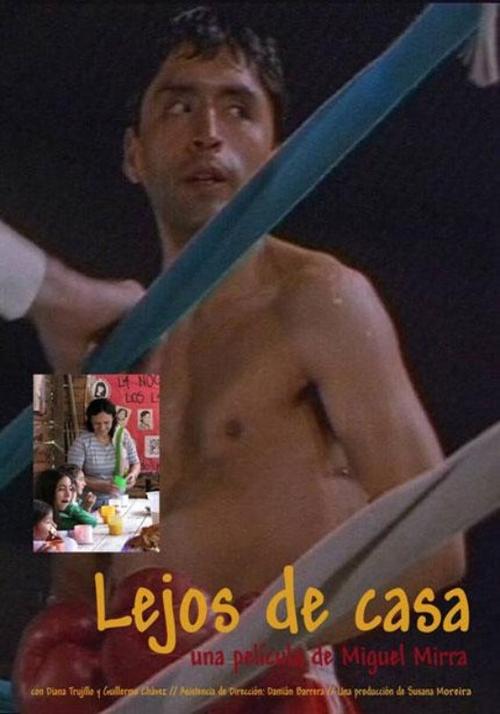
It tells the reality of a woman from the town who, to give another ending to that story, is determined to search for the man who was part of her life twenty years ago. That man, a boy by then, had escaped from his family's house in the Salta community to seek life as a boxer in Buenos Aires where he eventually fell out of the ring and out of life. At the same time, this woman tries to build a world more worth living in her poor neighborhood together with others.
Far frome home
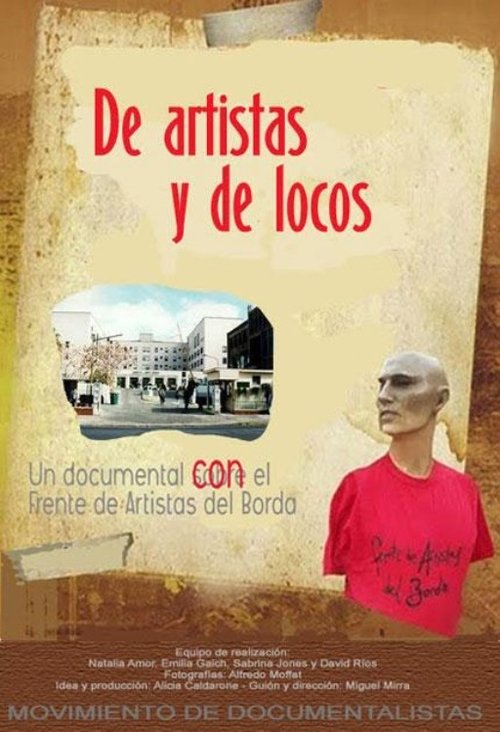
Breaking down the walls of the asylum, the Borda Artists' Front creates and produces works that leave the hospice to integrate into the world. This documentary shows the path of artists admitted to the psychiatric hospital to open a door to freedom through art and against prejudice, discrimination and confinement.
Of artists and madmen
Darío was murdered ten years ago at the Avellaneda Station. But with his death the story does not end, but rather it begins: the story of a rebellious dignity that refuses to surrender and decides to fight. That is why Darío did not leave, he lives in the clean looks and clenched fists of thousands of young people who see in him an example of solidarity and commitment.