Acting
The adventures of The Doctor, a time-traveling humanoid alien known as a Time Lord. He explores the universe in his TARDIS, a sentient time-traveling spaceship. Its exterior appears as a blue British police box, which was a common sight in Britain in 1963 when the series first aired. Along with a succession of companions, The Doctor faces a variety of foes while working to save civilizations, help ordinary people, and right many wrongs.
Crown Court is an afternoon television courtroom drama produced by Granada Television for the ITV network that ran from 1972, when the Crown Court system replaced Assize courts and Quarter sessions in the legal system of England and Wales, to 1984.
World in Action was Granada Television’s flagship ITV current affairs series, running from 7 Jan 1963 to 7 Dec 1998, and built a reputation for film-led investigative reporting and a forceful editorial stance. Its journalism produced major public and political repercussions—including investigations associated with miscarriages of justice such as the Birmingham Six—and it also served as a platform for landmark documentary projects, including the first broadcast of “Seven Up!” as part of the strand in 1964.
A snobbish housewife is determined to climb the social ladder, in spite of her family's working class connections and the constant chagrin of her long suffering husband.
A one-hour anthology television series of one-off contemporary and classic dramas produced by the BBC.
Theatre 625 is a British television drama anthology series, produced by the BBC and transmitted on BBC2 from 1964 to 1968. It was one of the first regular programmes in the line-up of the channel, and the title referred to its production and transmission being in the higher-definition 625-line format, which only BBC2 used at the time.
Two sisters who set up a London fashion house for society of the early 1920s.
The BBC's answer to Dynasty, Howards' Way was launched in 1985 with an enormous 1 million pound budget. The main characters in the show were 'best boat designer in the world' Tom Howard, his boutique running wife Jan Howard, 'I'll have a drink' Jack Rolfe and a nasty man called Ken Masters. It starred Maurice Colbourne.
The adventures of the eponymous Lovejoy, a likeable but roguish antiques dealer based in East Anglia. Within the trade, he has a reputation as a “divvie”, a person with an almost supernatural powers for recognising exceptional items as well as distinguishing genuine antique from clever fakes or forgeries.
Notable as the first British series to feature a female police officer (predating Juliet Bravo by four months), Detective Inspector Maggie Forbes raises her teenage son while navigating a male-dominated police force following the murder of her police commissioner husband.
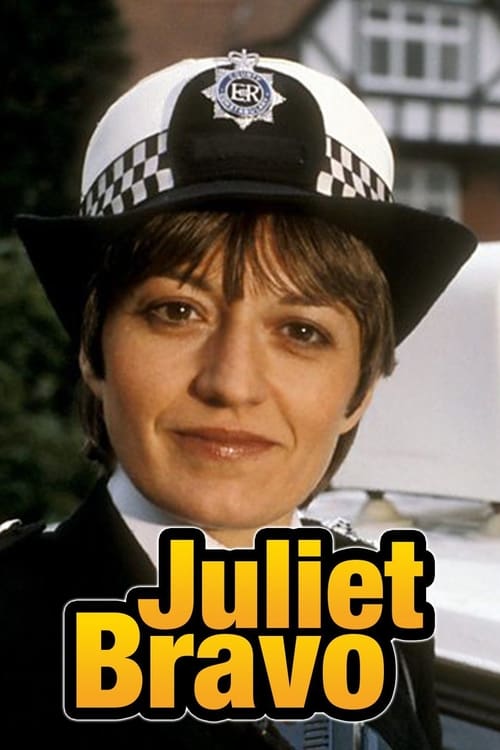
Juliet Bravo was a drama that focused on two female police inspectors, neither of whom were called Juliet Bravo! These two inspectors worked in the small fictional town of Hartley, Lancashire. Jean Darblay was on the scene first and had trouble with her sexist colleagues. However she soon managed to gain their trust and prove a woman could be a successful police officer and housewife. Jean's call sign was Juliet Bravo. When she was promoted and moved on she was replaced by Kate Longton who not only took over the patch but also the headaches that went with it.
A 13-episode miniseries from Yorkshire Television, about Charles Dickens, by now an internationally renowned novelist, during an 1869 tour of America, looking back over his life.
Adam Strange, a retired Home Office criminologist, solves bizarre cases – which have been marked "Open File" by various government departments – with the help of Hamlyn Gynt, Evelyn and Professor Marks. He employs the latest techniques in forensic investigation, which he undertakes in his own laboratory in his flat in Warwick Crescent in the Maida Vale/Little Venice area of Paddington.
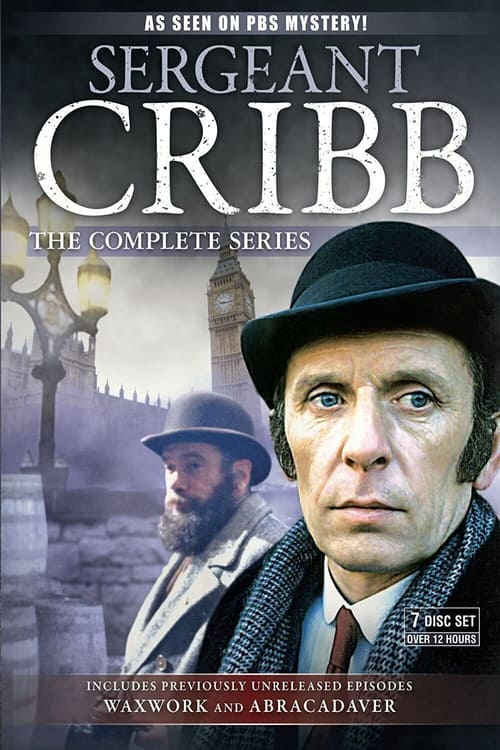
Victorian England, the late 1800s: Detective Sergeant Daniel Cribb of the newly formed Criminal Investigation Department (CID) is determined to remove crime from the streets of London using the latest detection methods.
Down to Earth was a BBC One television series first broadcast in 2000 about a couple who start a new life on a Devon farm. The early episodes of the series were based on a series of books written by Faith Addis about their real-life move from London to Devon. The music in the series was composed by Sheridan Tongue, and had the song "After All this Time" as its opening and closing credits in series 2 and 3.
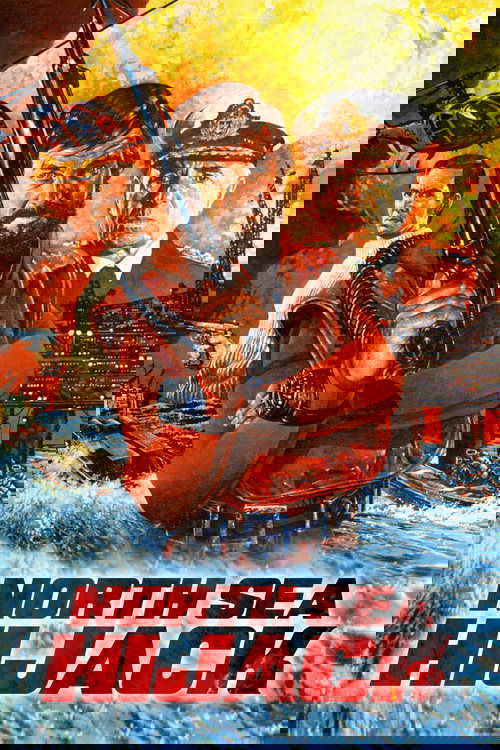
When terrorists take over two oil rigs, and threaten to blow them up if their demands are not met, an eccentric anti-terrorism expert volunteers his unique commando unit to stop them.
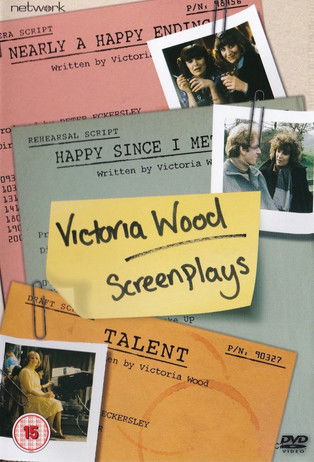
This was a series of summer plays, one of which ("Waxwork") led to the popular series Cribb (1980).
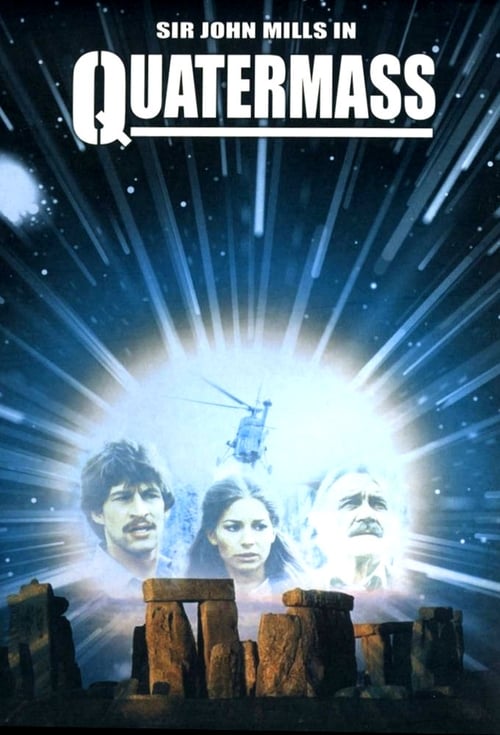
In the near future, a now-elderly Bernard Quatermass investigates the disappearance of his granddaughter and a mysterious cult.
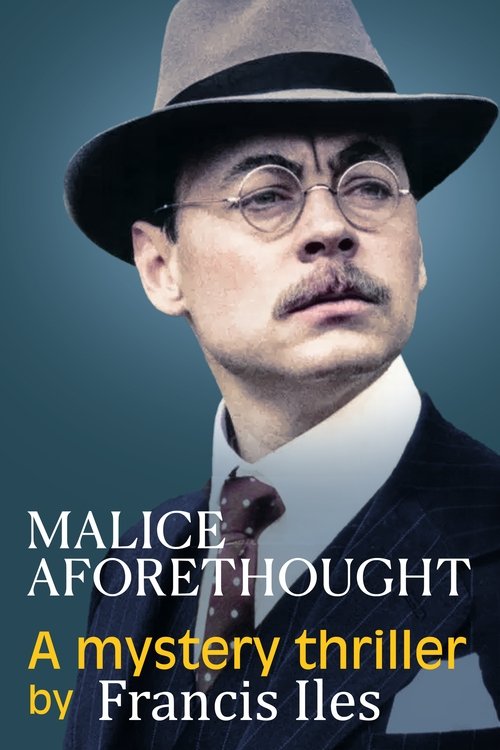
Malice Aforethought is a four-part 1979 BBC Two miniseries by Philip Mackie, adapted from Anthony Berkeley Cox's (pen name Francis Iles) 1931 noir novel of the same name. For ten years, Julia Bickleigh has despised and bullied her husband. For ten years Dr Bickleigh has dreamed of romance ... and escape.
Fresh off the Harwich Ferry from the continent, unemployed medieval historian Jim Dixon goes to Swinging London in search of a life and a job.