Arata Oshima
Directing
Known For
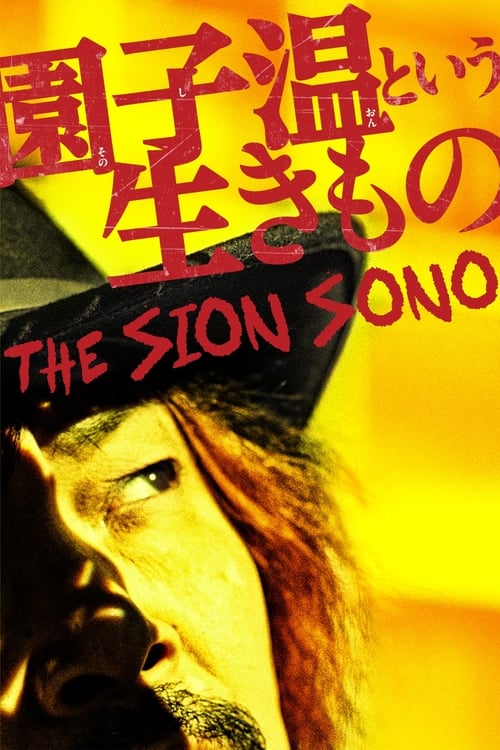
Directed by Arata Oshima, son of rebel filmmaker Nagisa Oshima, who had praised Sono's early work before his passing, this documentary gives insight into the man, the poet, the painter, the scriptwriter, the husband and the boy who will eventually grow up to be the Sion Sono. Lineage, history and the past meeting the present are themes in this film in which Oshima connects the dots in Sono's creative life by taking the camera to the site of his upbringing and following the production of his most recent film The Whispering Star.
The Sion Sono
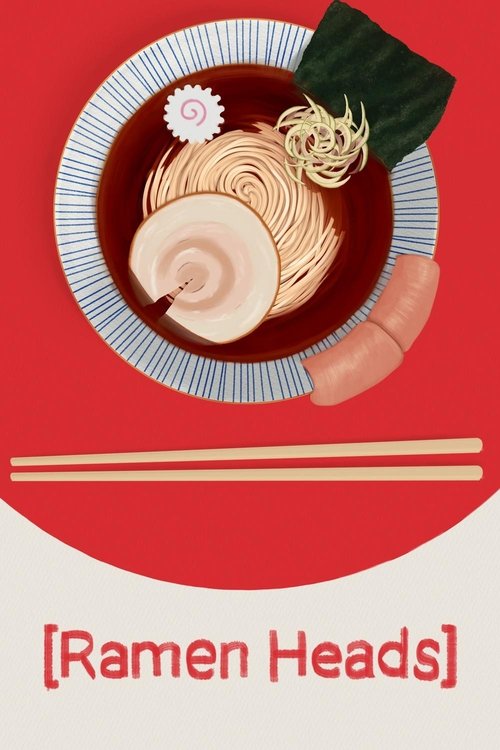
In Ramen Heads, Osamu Tomita, Japan's reigning king of ramen, takes us deep into his world, revealing every single step of his obsessive approach to creating the perfect soup and noodles, and his relentless search for the highest-quality ingredients.
Ramen Heads
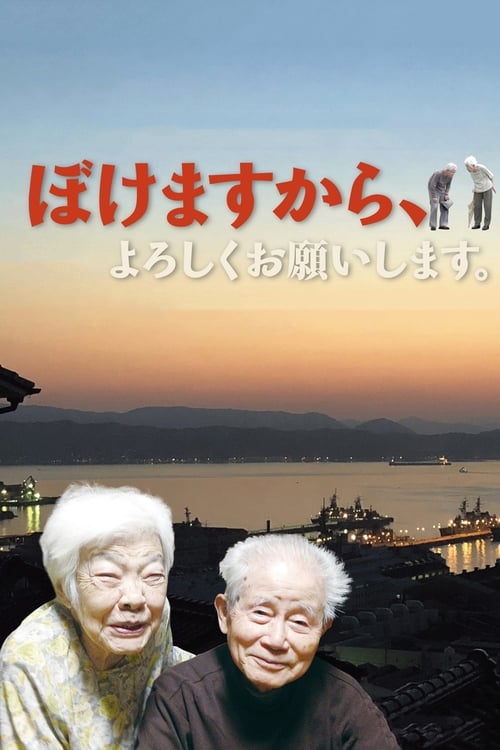
Feature-film directorial debut by Nobutomo Naoko, who has made numerous TV documentaries based on her personal experiences, including her own struggles with breast cancer. The film patiently captures her 95-year-old father caring for her senile mother as seen from her perspective as their daughter.
I Go Gaga, My Dear
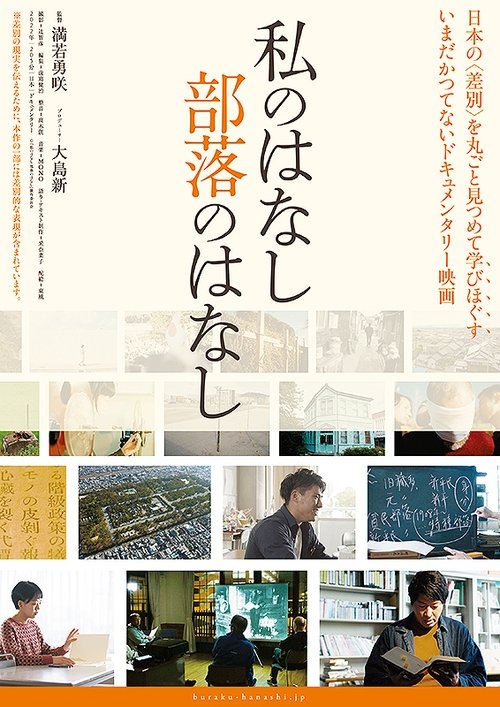
"Buraku" or "Buraku-min" are the terms used for ethnic Japanese people who are believed to descend from the pre-Meiji castes. Today, neither "Buraku" nor "Burakumin" exist anymore in terms of laws and social systems. However, many Japanese people still have a deep-rooted sense of discrimination towards people who descend from those families. Why does something that should not exist continue to exist? How did this discrimination begin in the first place? This film takes a variety of approaches to unravel the history of accumulated discrimination and its intricately intertwined context, from its origins and evolution, vividly depicting the structure of discrimination that often remains hidden from the public eye.
Watashi no hanashi buraku no hanashi
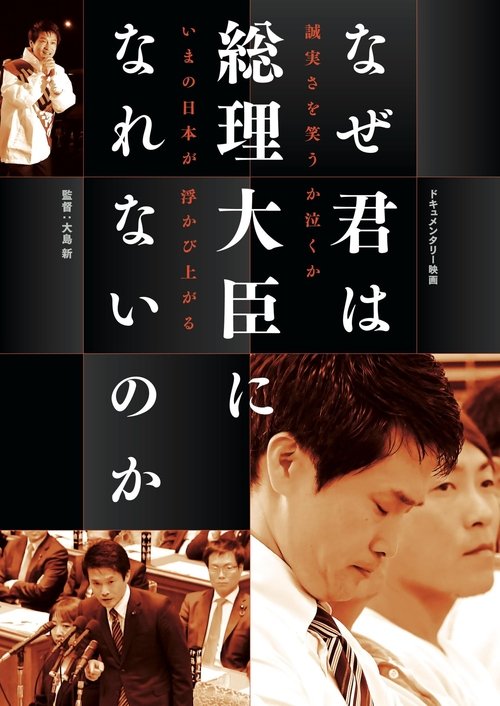
What keeps popular policies of social welfare from the seat of power? Over nearly two decades, Arata Oshima follows a politician navigating splintered opposition parties in a landscape dominated by the right-wing.
Why You Can't Be Prime Minister
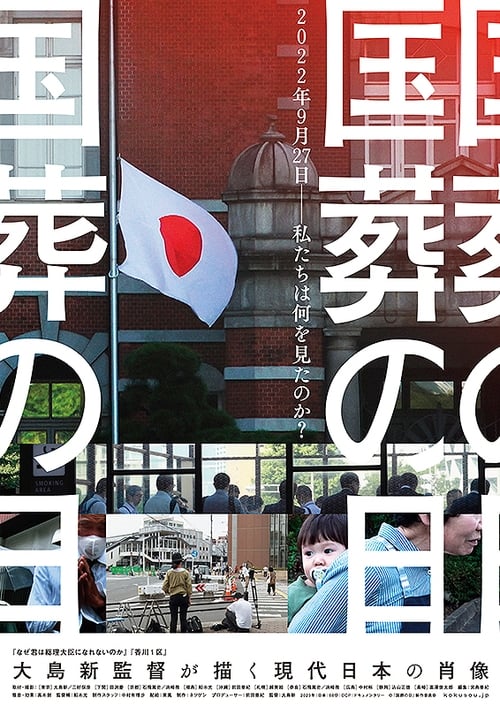
Interviews in 10 cities (Tokyo, Shimonoseki, Kyoto, Fukushima, Okinawa, Sapporo, Nara, Hiroshima, Shizuoka, and Nagasaki) on the day of Shinzo Abe's state funeral
State Funeral Day
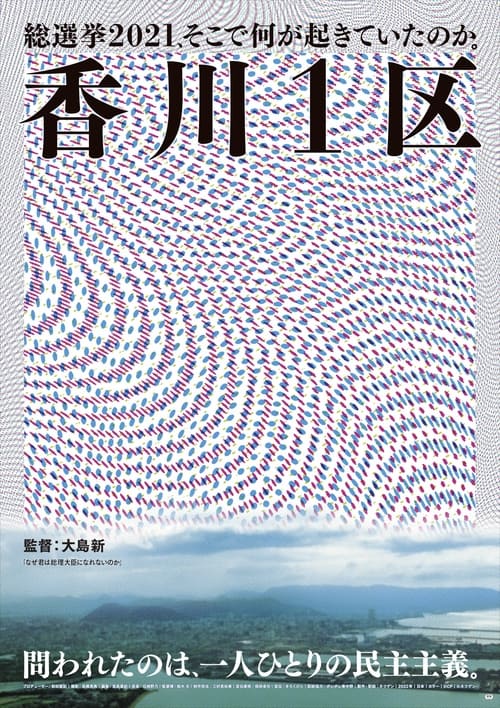
Follow-up to "Why You Can't Be Prime Minister"
Kagawa District 1
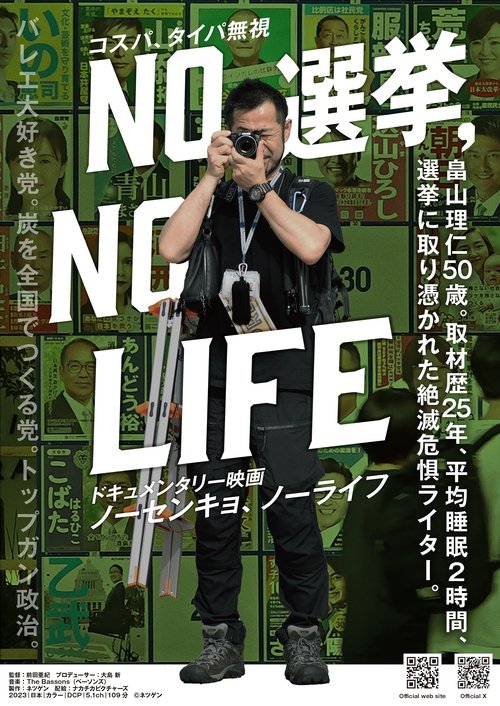
No description available.
NO ELECTION, NO LIFE
No description available.