César Díaz
Directing
Biography
César Díaz (born 20 September 1978) is a Belgian-Guatemalan film director, screenwriter and editor. Born and raised in Guatemala City, Díaz moved to Belgium in 1998 as a student at the Free University of Brussels. After developing an interest in filmmaking, he enrolled at the La Fémis film school in Paris and studied screenwriting. Since the mid-2000s, Díaz has worked on a number of documentary films, before making his feature-length debut in 2019 with Our Mothers. The film premiered at the 2019 Cannes Film Festival, where Díaz won the Caméra d'Or. Our Mothers received the André Cavens Award for Best Film given by the Belgian Film Critics Association (UCC) and was selected as the Belgian entry for the Best International Feature Film at the 92nd Academy Awards. It received six nominations at the 10th Magritte Awards, including Best Film and Best Director for Díaz, winning Best First Feature Film.
Known For

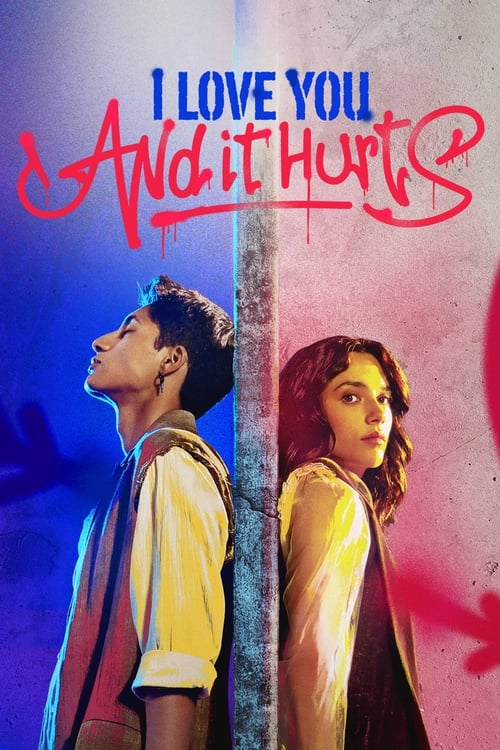
The story of Juan Gris and Lola Robles, two young people from parallel universes who will find themselves on the way to give rise to a world and a new version of themselves, and who, together with their friends, will pursue their dreams while seeking to discover who they are.
I Love You, and It Hurts

A Guatemalan activist battles a corrupt dictatorship in 1976 and flees to Mexico, leaving her son. Ten years later he joins her, forcing a choice between motherhood and her cause
Mexico 86

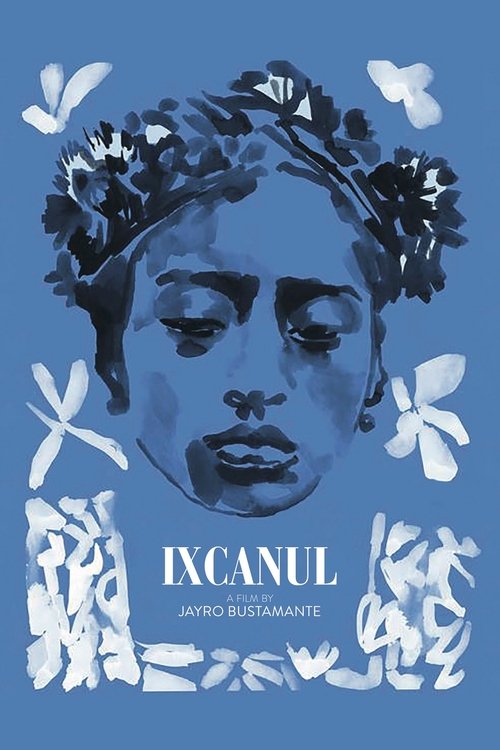
María, a 17-year-old Kaqchikel Maya, lives with her parents on a coffee plantation at the foot of an active volcano. She is set to be married to the farm's foreman. But María longs to discover the world on the other side of the mountain, a place she cannot even imagine. And so she seduces a coffee-harvester who wants to escape to the USA. When this man leaves her behind, María discovers her own world and culture anew.
Ixcanul

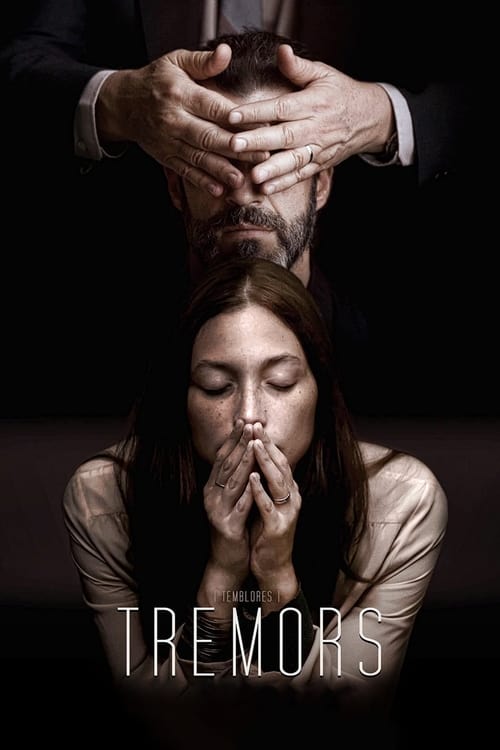
A family man torn between the love for his family, the boundaries of religion and the freedom to choose whom to love.
Tremors

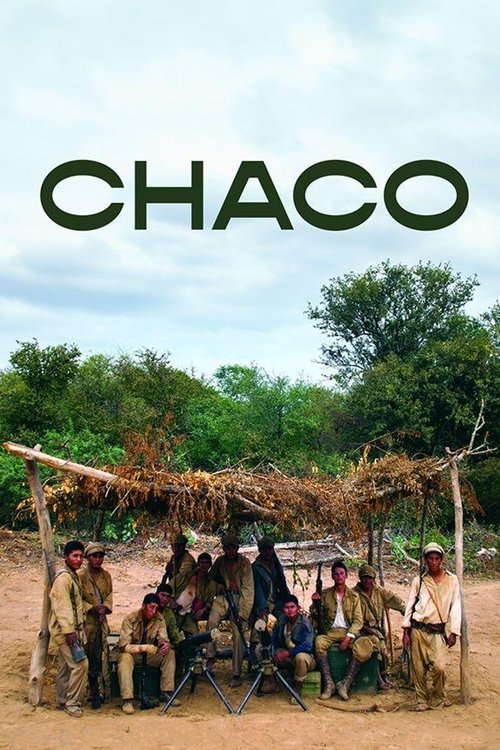
In 1934, Bolivia is at war with Paraguay. Liborio and Ticona and other Bolivian indigenous soldiers are lost in the hell of the Chaco, under the commandment of German Captain Kundt. They're looking for the Paraguayan enemy that they haven't seen for months, and that they will never find. They leave together in a search that will make them realize, progressively, the destiny they have been pushed into and the inevitable condition of a defeated troop. They're walking like shadows, wandering forever in the middle of dust and silence.
Chaco

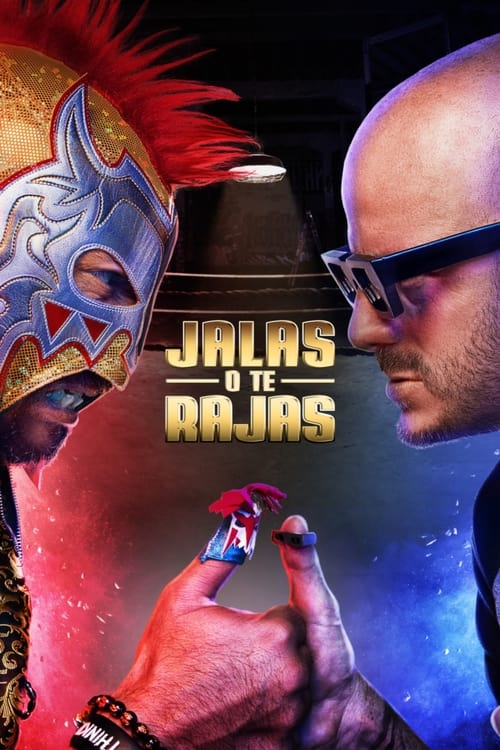
Escorpión Dorado and Facundo end their rivalry and sign a contract committing to compete in ten extreme challenges designed by their celebrity friends, who want to see them suffer. Road tripping, competing, earning money, and being punished is the only way to prove who's the real god and who's the mere mortal.
Prank or Tank

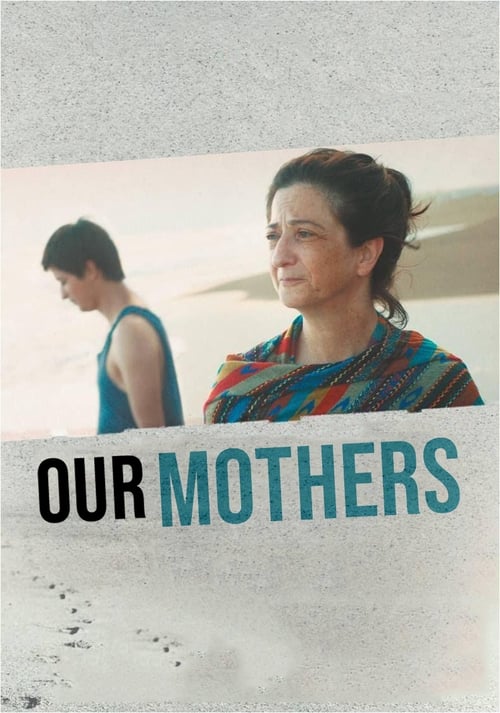
Guatemala, 2018. The country is riveted on the trial of the military officers who started the civil war. The victims’ testimonials keep pouring in. Ernesto, a young anthropologist at the Forensic Foundation, identifies people who have gone missing. One day, through an old lady’s story, Ernesto thinks he has found a lead that will allow him to find his father, a guerillero who disappeared during the war.
Our Mothers
An old woman, 92 years old, leaves her big house to visit her daughter, 73, who is settling in a retirement home.
At Home
No description available.
Fidelidad

On January 31, 1980, in Guatemala, while the civil war between the military dictatorship and the Marxist guerrillas dragged on, 32 representatives of Indian peasant associations came from the four corners of the country and peacefully occupied the Spanish embassy, to claim their rights. None come out alive. All are burned alive by the ruling military junta. Only the ambassador survives.
Pourquoi les hommes brûlent-ils?

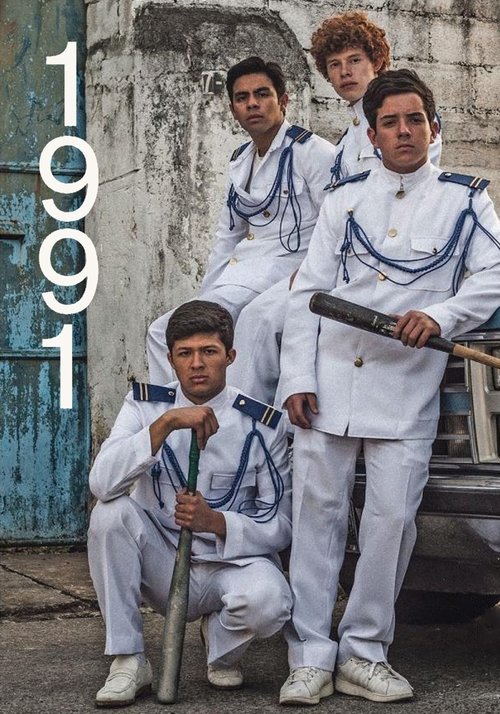
In 1991, during Guatemala's Civil War, Daniel and his friends just want to have fun. They travel with baseball bats but their goal is not a game, it is a hunt. They tour through the city looking for low-class indigenous people known as breaks. They don't know why they do it, they just know that they are anti-breaks.
1991

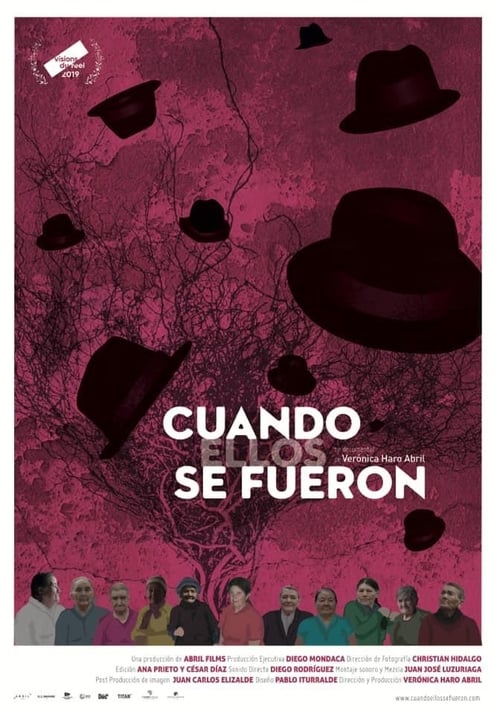
When the colourful ice-cream van rides through the deserted streets of the village, there are no children trailing behind it. In Plazuela, a peaceful hamlet lost in a mountainous region of Ecuador, only a handful of old ladies remain, who are all widows. In the gloom of their houses, photos of those who are gone hang on walls: husbands who have passed away a few years earlier, children gone to work in the big cities or abroad, and grandchildren who have grown up far away from them.