Lawrence Durrell
Writing
Biography
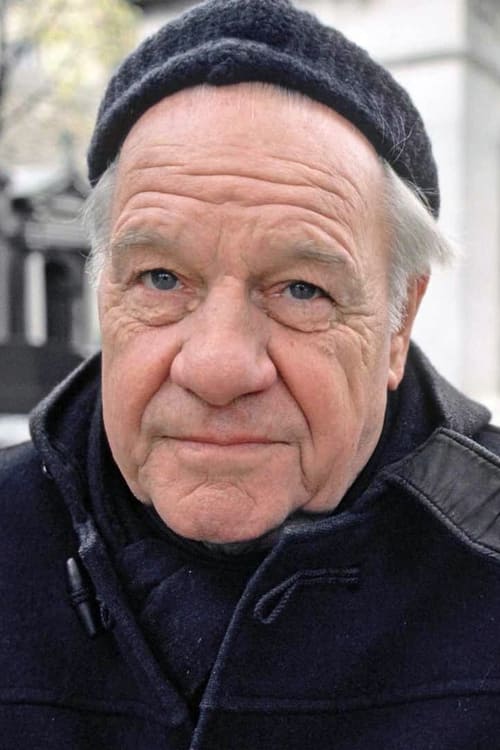
From Wikipedia, the free encyclopedia Lawrence George Durrell (27 February 1912 – 7 November 1990) was an expatriate British novelist, poet, dramatist, and travel writer. He was the oldest brother of naturalist Gerald Durrell. Born in India to British colonial parents, he was sent to England at the age of eleven for his education. He did not like formal education, but started writing poetry at age 15. His first book was published in 1935, when he was 23. In March 1935 he and his wife, and his mother and younger siblings, moved to the island of Corfu. Durrell spent many years thereafter living around the world. His most famous work is The Alexandria Quartet, a tetralogy published between 1957 and 1960. The best-known novel in the series is the first, Justine. Beginning in 1974, Durrell published The Avignon Quintet, using many of the same techniques. The first of these novels, Monsieur, or the Prince of Darkness, won the James Tait Black Memorial Prize in 1974. The middle novel, Constance, or Solitary Practices, was nominated for the 1982 Booker Prize. By the end of the century, Durrell was a bestselling author and one of the most celebrated writers in England. Durrell supported his writing by working for many years in the Foreign Service of the British government. His sojourns in various places during and after World War II (such as his time in Alexandria, Egypt) inspired much of his work. He married four times, and had a daughter with each of his first two wives.
Known For

Omnibus was an arts-based BBC television documentary series, broadcast mainly on BBC1 in the United Kingdom. The programme was the successor to the long-running arts-based series 'Monitor'. It ran from 1967 until 2003, usually being transmitted on Sunday evenings. During its 35-year history, the programme won 12 Bafta awards. Among the series' best remembered documentaries are Cracked Actor, a profile of David Bowie, and Rene Magritte, a graduate film by David Wheatley, 'Madonna: Behind the American dream', a film produced by Nadia Hagger, and a profile of the British film director Ridley Scott. For a season in 1982, the series was in a magazine format presented by Barry Norman. The series was replaced by 'Imagine' hosted by Alan Yentob.
Omnibus

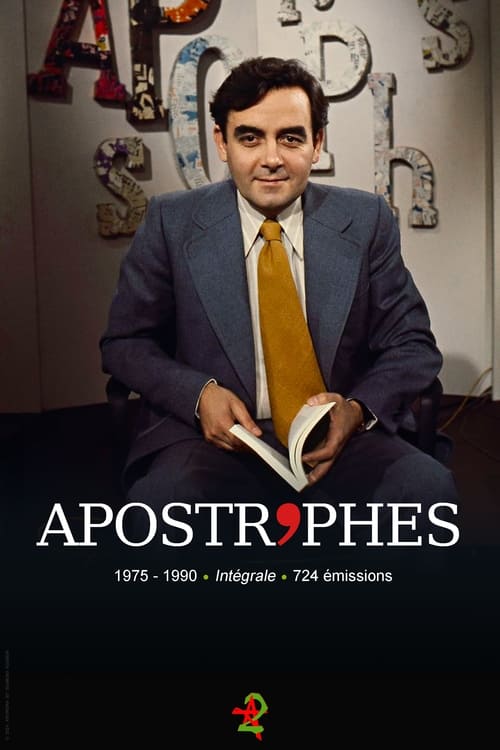
Apostrophes was a live, weekly, literary, prime-time, talk show on French television created and hosted by Bernard Pivot. It ran for fifteen years (724 episodes) from January 10, 1975, to June 22, 1990, and was one of the most watched shows on French television (around 6 million regular viewers). It was broadcast on Friday nights on the channel France 2 (which was called "Antenne 2" from 1975 to 1992). The hourlong show was devoted to books, authors and literature. The format varied between one-on-one interviews with a single author and open discussions between four or five authors.
Apostrophes

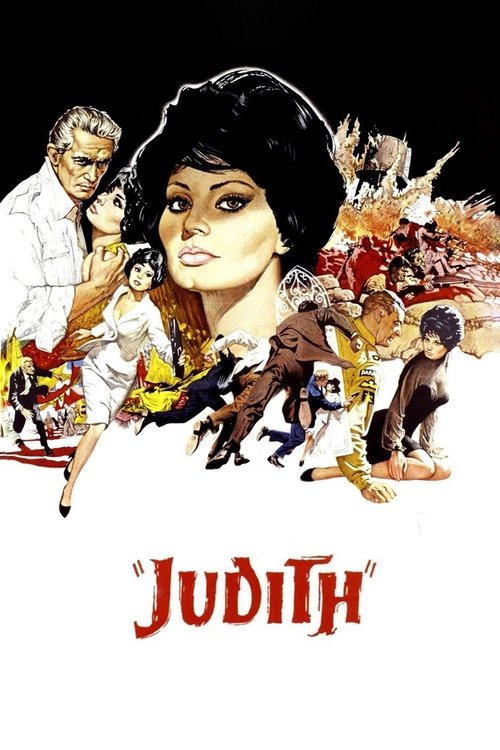
A Jewish woman is recruited to help track down a German commander who was her former husband.
Judith

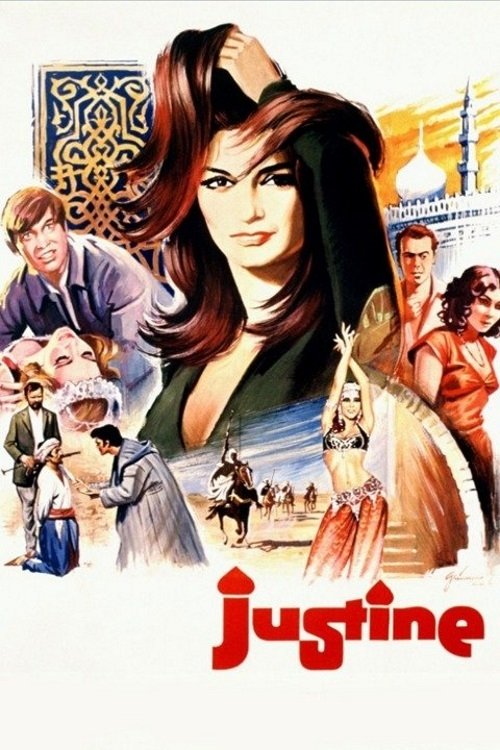
In Alexandria, in 1938, Darley, a young British schoolmaster and poet, makes friends through Pursewarden, the British consular officer, with Justine, the beautiful and mysterious wife of a Coptic banker. He observes the affairs of her heart and incidentally discovers that she is involved in a plot against the British, meant to arm the Jewish underground in Palestine. The plot finally fails, Justine is sent to jail and Darley decides to return to England.
Justine

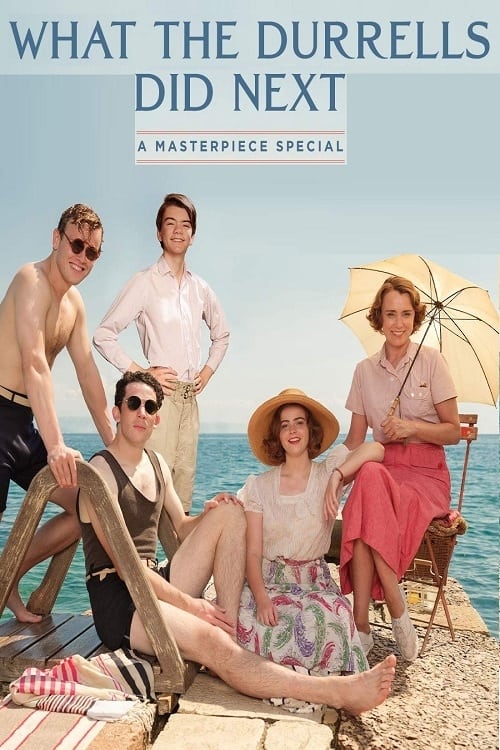
Hosted by Keeley Hawes, star of the popular television series The Durrells, this documentary reveals the adventures of the eccentric Durrell family once they left Corfu, Greece.
What The Durrells Did Next
In 1976 Peter Adam took Lawrence Durrell author of several Greek Island books, back to Greece. Their journey took them to Corfu, Rhodes, Crete and Hydra. Durrell has often said that words alone cannot express the true nature of Greek landscape and village life. In this film he pushes aside the debris of the present and guides us through the Greece of his youth. In a sequel to the Greek Spirit of Place, Peter Adam takes Lawrence Durrell back to the setting of his four famous novels. The journey starts in Alexandria and follows the Nile to Upper Egypt, to Aswan and Abu Simbel. Durrell revisits the Coptic monasteries of Wadi Natrun, the oasis of Fayum, Luxor and the Valley of the Kings. He talks about his beliefs, his craft and his experiences as a writer, and evokes Egypt's two landscapes - the desert and the great river.