Krystyna Kołodziejczyk
Acting
Known For
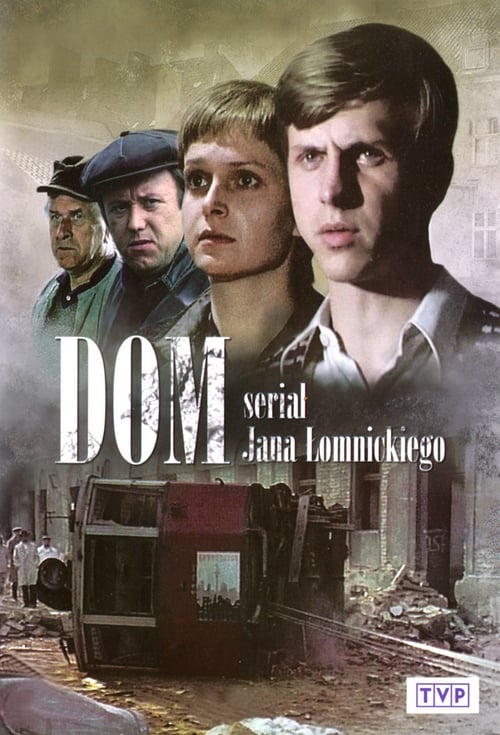
The story of the residents of a tenement house on Złota Street in Warsaw from 1945 to 1980.
Dom
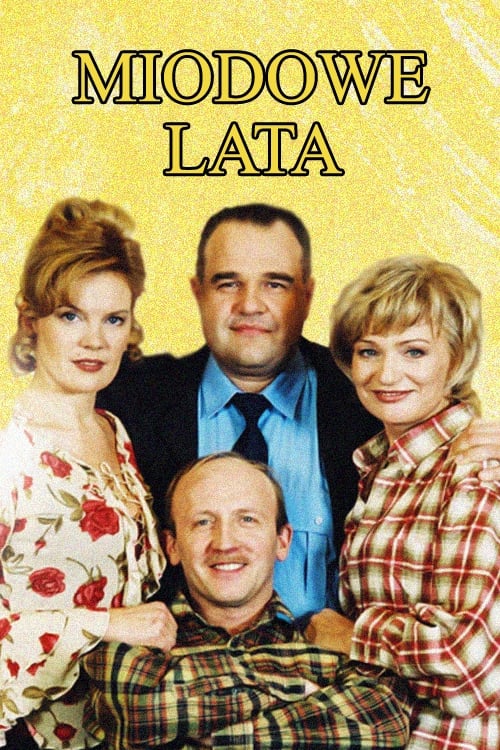
No description available.
Miodowe lata
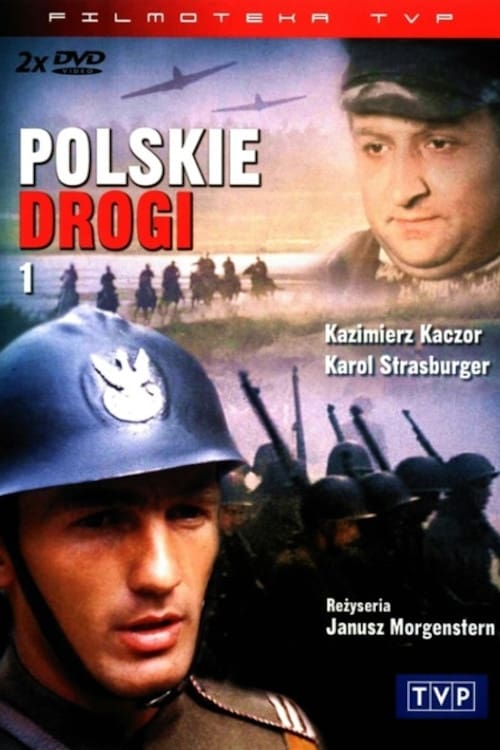
An epic, multi-threaded story about the fate of Poles during World War II. "Czas pogardy" was shown primarily from the perspective of two main characters - Lieutenant Władysław Niwiński and Leon Kuraś - a petty crook, but not without heroic traits. The authors of the series sought to show, in particular, everyday life under Nazi occupation in Poland.
Polskie drogi
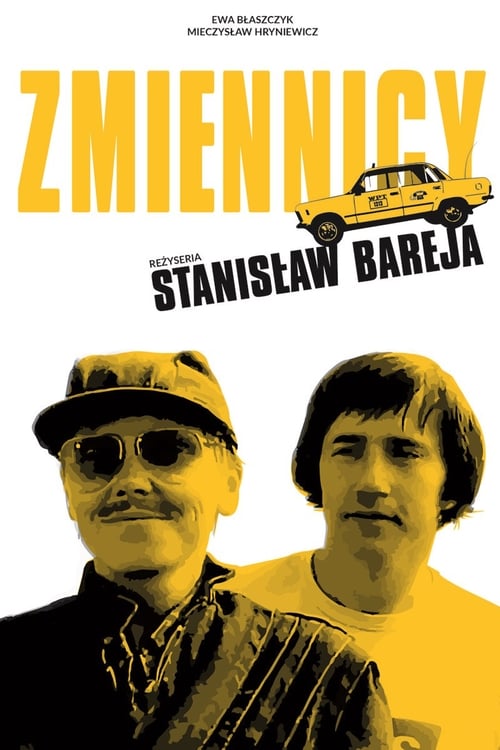
"Zmiennicy" is a grotesque comedy of absurdity and reality that masterfully blends slapstick, satire, and surrealism to expose the absurdities of life under communist rule in the People's Republic of Poland (PRL). The story follows Jacek Żytkiewicz, a taxi driver in Warsaw, and his mysterious new shift partner, Katarzyna Piórecka, who disguises herself as a man to get the job. The series is a comedy of the grotesque, filled with exaggerated characters, nonsensical bureaucracy, and surreal plot twists. It mocks the inefficiencies and contradictions of PRL institutions—from corrupt officials and inept police to bizarre workplace dynamics and social hypocrisy. Underneath the absurdity lies a thriller-like subplot: a drug trafficking operation smuggling heroin from Thailand to West Germany. This storyline, featuring shady sports officials, a Thai student, and a crooked firefighter, adds a layer of intrigue reminiscent of American crime dramas.
Subs
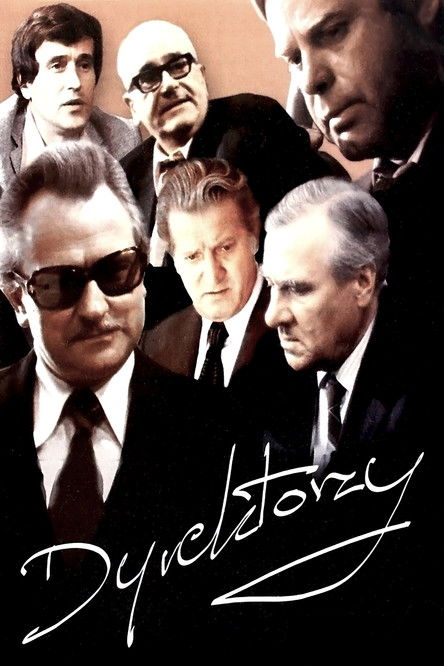
1957. Excessively high production standards imposed by the authorities result in the plan not being fulfilled, and the workers cannot imagine living normally without rewards and bonuses. A rebellion breaks out. Worker democracy wins – the working class elects a director from among its own ranks. He is an old locksmith with no managerial experience. Although he believes in the socialist spirit and has a communist past, he does not hold the position for long, as he makes promises too easily that he is unable to keep.
Dyrektorzy
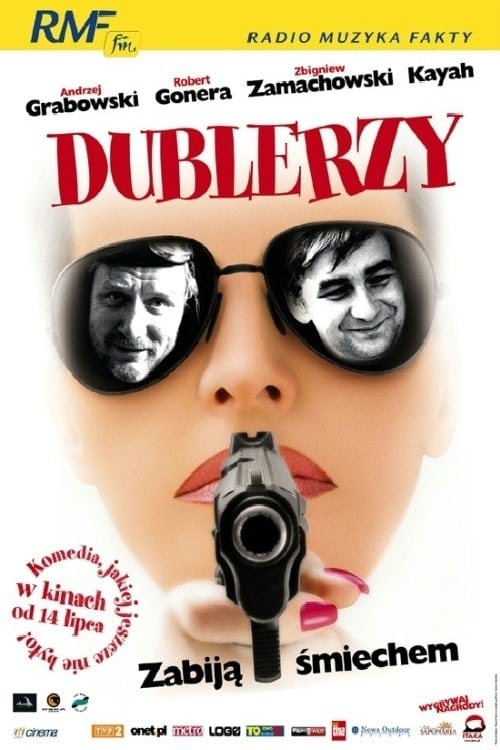
A couple of friends, Max and Leo spend some time in Sicily, the island that is associated with mafia. Strange events on one wedding of a mafioso's daughter near the city of Trapani, bring them back to Warsaw. Yet, the criminal leaders, particularly Don Antonio Gambini, are also in Poland where they have a job to do. Unintentionally, Max and Leo are brought into a plot.
Dublerzy

No description available.
Tulipan

There is a writer who in the late 1970s managed to publish a poem in the monthly "Nowy Wyraz". It was enough to become a self-confessed writer whose name began to appear in the state media. The writer takes full advantage of his privileges - he flirts with power, sympathizes with the opposition, and collapses his studies at the same time. He is saved from going to the army by an exalted essayist whose sister is the head of the psychiatric hospital in Tworki. In a psychiatric institution, a writer meets a schizophrenic who writes a novel. After his suicide, the protagonist takes over the draft, which he publishes outside of censorship under his name, thanks to which he gains fame, fame and money. August '80 breaks out....
Lesser Evil
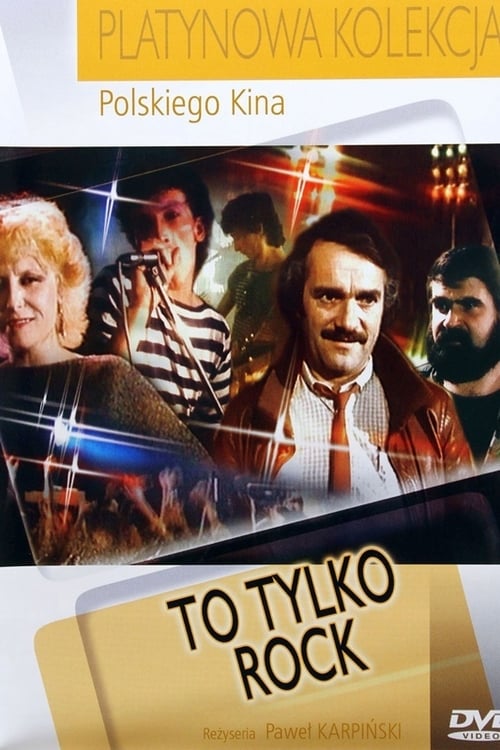
After watching a concert by a fledgling rock band, renowned songwriter Marczak decides to promote only its vocalist, Sylwia. The girl decides to leave her bandmates, including her boyfriend, Janek. She is to perform at a festival in Gradów. Marczak's ex-wife, singer Majka Lenczewska, whom he drove to a nervous breakdown, wants to return to the stage. Marczak asks Majka's current husband to compose a song for Sylwia. He agrees on the condition that the songwriter will not help Majka make her comeback.
It's Only Rock
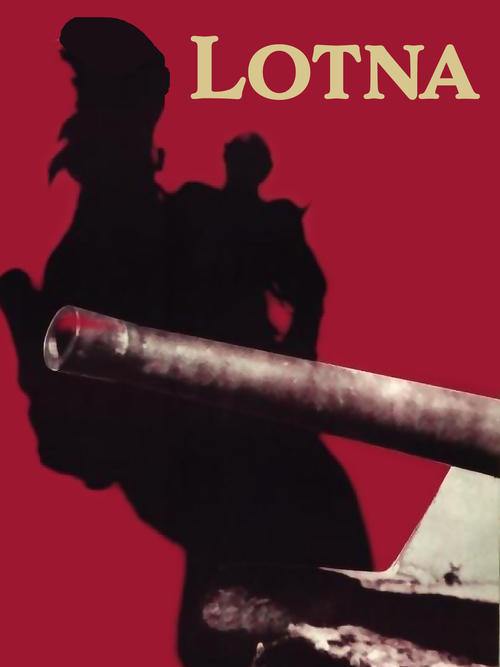
Set in the beginning of Wold War II, when the Polish cavalry still fought with lances against German troops. LOTNA is about a white thoroughbred horse that passed through various hands in a military outfit.
Lotna

Based on real events story of stealing methyl alcohol causing mass poisoning in town.
It Started Yesterday
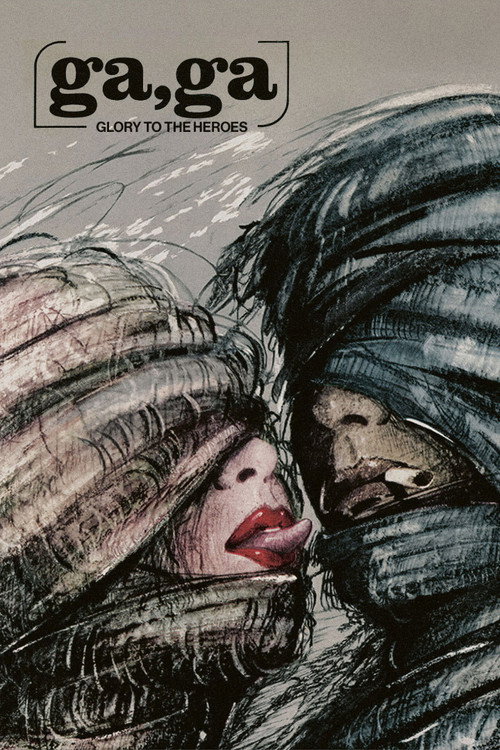
Scope is a prisoner on a behemoth space station and is chosen, like all his fellow prisoners, to 'volunteer' for the exploration of far-away planets. Landing on planet Australia 458, he is given a hero's welcome with all the sex, booze, and violence that any one man can stomach. But as his new caretakers push him towards even more heinous and deplorable acts, Scope finds that his freedom comes with a high price; his own violent demise, broadcast live for the viewing pleasure of Australia 458's inhabitants.
Ga-ga: Glory to the Heroes
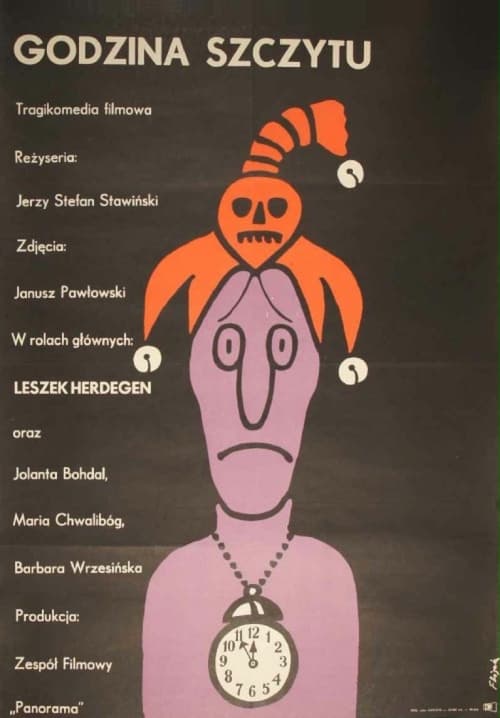
The life of engineer Maksymowicz changes dramatically when he accidentally learns that he is terminally ill.
Rush Hour
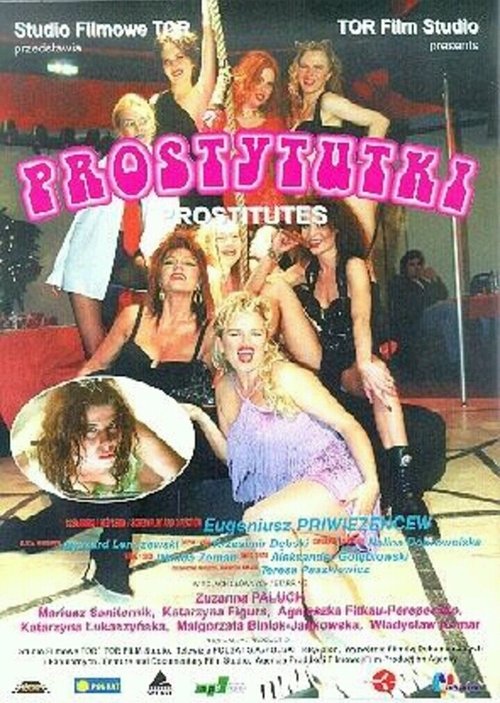
In the life of Ula, a twenty-year-old very pretty girl, nothing good has happened so far. Poverty, her father an alcoholic abuser to his family, finally an illegitimate child, raised alone ...
Prostitutes
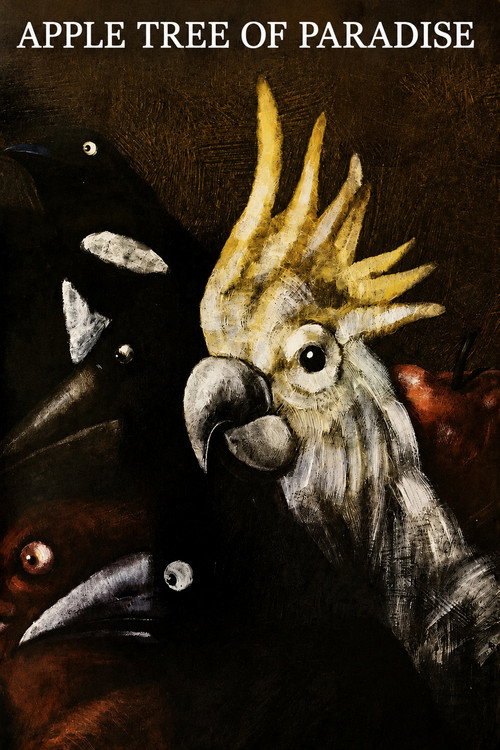
Girls no more, four heroines emerge into womanhood with a more clear-eyed outlook on life.
Apple Tree of Paradise

A man, after having abandoned his family to live in a monastery, goes back into the world after 17 years.
Tomorrow's Weather
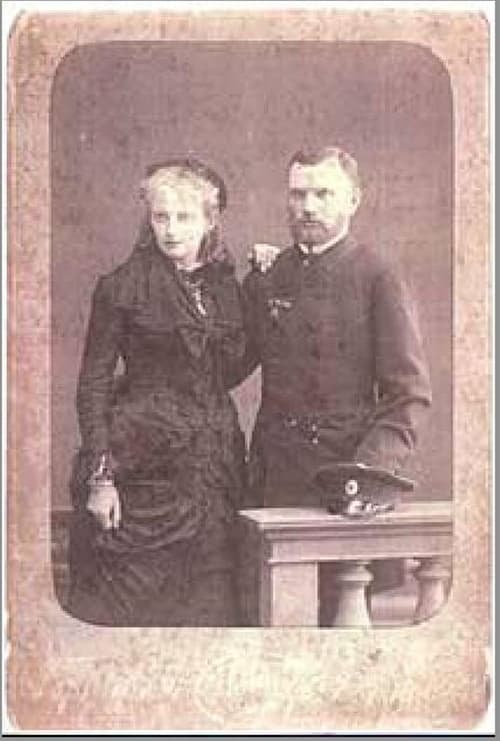
Ewelina Janiszewska Smolianka Stolnikowna Smolenska & Willhelm 2ed The Hunter, Malga Kubiak great grandmother 1862-1886.
Bloody Shadows

No description available.
Love in an Underground Passage

Ja gorę! tells the story of a Pogorzelski nobleman who settles in a ruined castle in Samsonów, determined to restore it, only to be haunted by the ghost of its former owner. A parody of gothic horror literature and cinema, the short is based on a tale by Henryk Rzewuski and was produced as part of the Polish television series Opowieści niezwykłe (1967–1968).
I Am Burning!
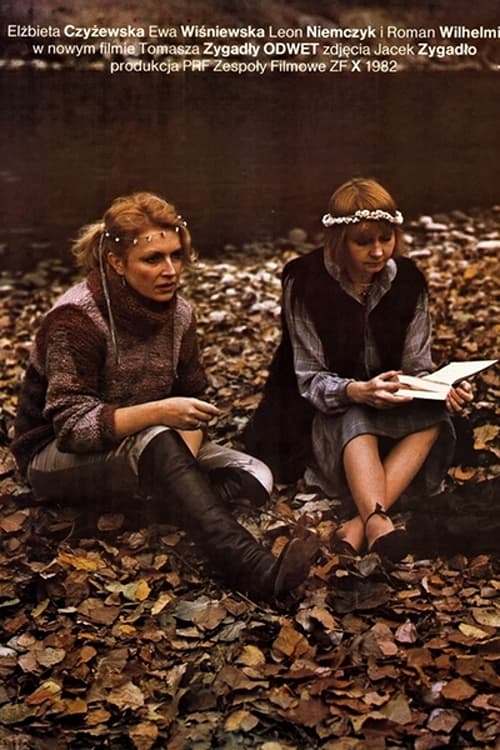
Two old friends meet at a mountain shelter and recall their university years. Midroń and Świdrycki are mature, intelligent men, experiencing a crisis of faith in the meaning of life, in their abilities, as well as fear of death. The next day, their wives join them. Although they have not had the opportunity to get to know each other so far, they become friends very quickly.