FEEL IT.STREAM
Alvin Toffler

Alvin Toffler

Writing

Biography

Alvin Toffler was an American writer, futurist, and businessman known for his works discussing modern technologies, including the digital revolution and the communication revolution, with emphasis on their effects on cultures worldwide. He is regarded as one of the world's outstanding futurists.

Known For

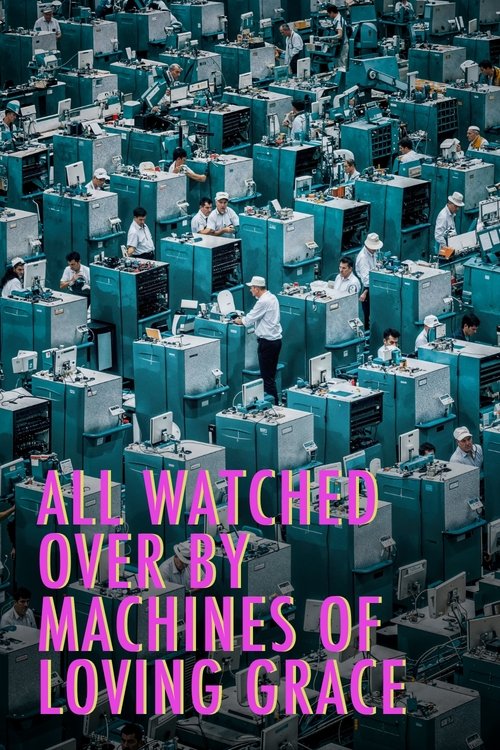
All Watched Over by Machines of Loving Grace
8.3

We have been colonised by the machines we have built. Although we don't realise it, the way we see everything in the world today is through the eyes of the computers.

All Watched Over by Machines of Loving Grace

2011
Yesterday's Tomorrows
8.5

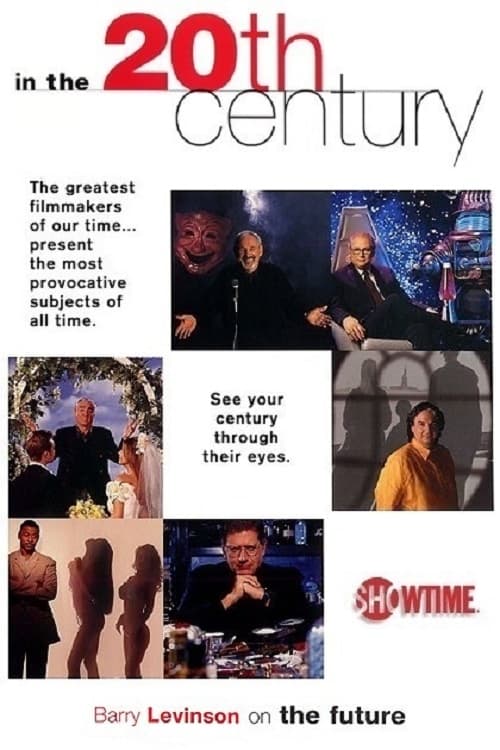
Showtime's "In the 20th Century" is a millennium-related strand of feature-length documentaries in which famous directors take on major subjects of their choosing. In the third of the six films, "Yesterday's Tomorrows," filmmaker Barry Levinson delves into what we, as Americans, thought the future would be as we traveled through the 20th century. Houses and cars of the future, the promise of technology, and the other hopes and dreams of the early part of the century gave way to the fears and anxieties brought about by the atomic age and the Hollywood disaster films that followed. Soon we wondered if we could control technology, or if it would control us. This film is by turns light-hearted and thoughtful, and rare historical and archival film, produced by government and industry, alternates with on-screen interviews with people as diverse as consumer advocate Ralph Nader, cartoonist Matt Groening, futurist Alvin Toffler, comedienne Phyllis Diller, and actor Martin Mull.

Yesterday's Tomorrows

1999
No image
N/A

A 1964-1973 Retrospective for homecoming POWs.

Today: While You Were Away (1964-1973 Retrospective)

1973
No image
4.7

“Our modern technology has achieved a degree of sophistication beyond our wildest dreams. But this technology has exacted a pretty heavy price. We live in an age of anxiety, a time of stress. And with all our sophistication we are in fact, the victims of our own technological strength. We are the victims of shock … of future shock.” No, this isn’t a quote from a Huffington Post column on the Facebookization of modern communication. Nor is it pulled from an academic treatise on the phenomenologies of post-industrial existence. This statement was made by Orson Welles in the 1972 futurist documentary Future Shock, and, unlike some of the more dated elements of 1970s educational films, Future Shock remains shockingly current in verbalizing the concerns and anxieties that come along with rapid societal and technological change. (Indiana University Libraries Moving Image Archive)

Future Shock

1972