Directing
A sophisticated couple opens their marriage to new erotic adventures.
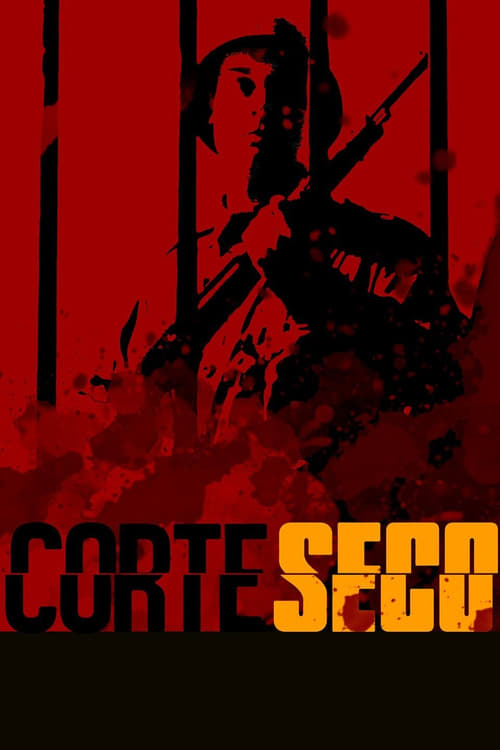
Corte Seco, Renato Tapajós' first fictional feature, takes place in 1969 and accompanies Rodrigo, a militant active in the fight against oppression and in favor of the removal of the military government. In this fight, everything was possible: invasion of radio studios to transmit a rebellious message; kidnapping of ambassadors promoted by groups, the so-called apparatuses; assault on banks to finance such activities.
The woman interviewed in Meninas De Um Outro Tempo, who were born at the turn of the century and live in the same nursing home, open up to filmmaker Maria Inês Villares about sex, loneliness and their dead husbands. Villares’s connection to the home is only revealed, obliquely, towards the end of the film. In her words, the film is "a reflection on life when there is little of it left".
No description available.
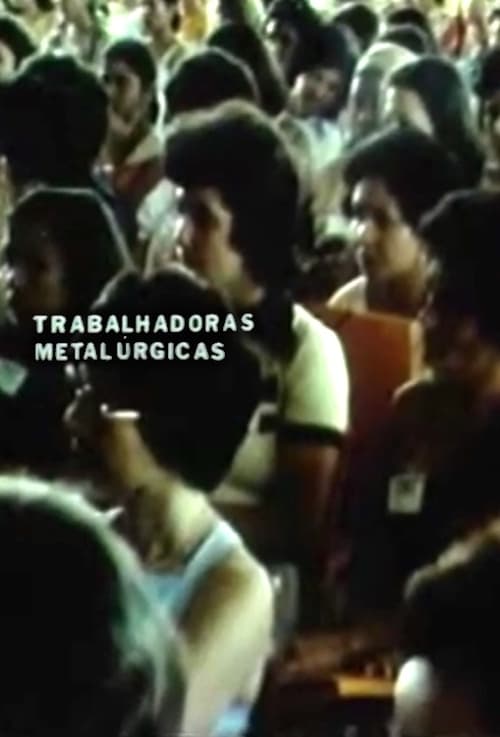
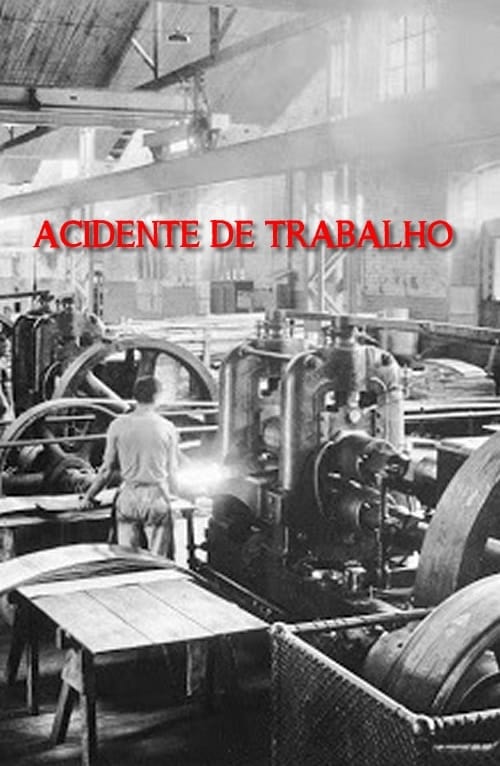
In the late seventies, a group of Brazilian documentary filmmakers traveled to the ABC region in the suburbs of São Paulo with the purpose of recording a wave of worker strikes taking place in response to the negligence of the increasingly powerful and abusive automotive industry. Documenting striking women metal workers, Olga Futemma and Renato Tapajós’ Trabalhadoras Metalúrgicas is a particularly vigorous work among the films produced during this moment in São Paulo worker history. Scenes filmed during the first Congress of Metallurgical Women of São Bernardo and Diadema in 1978 are intercut with images documenting the appalling working conditions against which the women featured in the congress were striking.
Documentary on the history of syndicalism in Brazil.
A documentary about torture and Brazilian police.
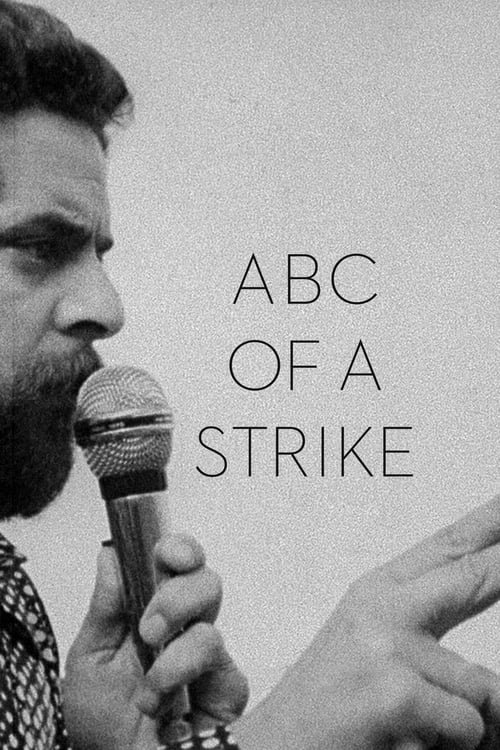
ABC of a Strike captures the 1979 metal workers strikes outside of São Paulo. The footage sat untouched until after the death of highly-regarded director Leon Hirszman in 1987, by which time the material had a new relevance. The gripping film captures the negotiations between the labor unions and the factory bosses and shows the birth of the region’s Worker’s Party, as well as the emergence of its charismatic leader, Luiz Inácio Lula da Silva. Rising from extreme poverty, Lula gained national prominence as a union activist during the late 70s and early 80s. After being jailed during his time as a union leader, he eventually becomes Brazil’s president from 2003 to 2010.
Prepared by the team of the Program for Training Black Researchers, The video brings together images and voices that talk about the reproductive health of black women, diseases taking into account the racial/ethnic background, habits, customs, the physical and social environment and the inhuman conditions imposed by racism.
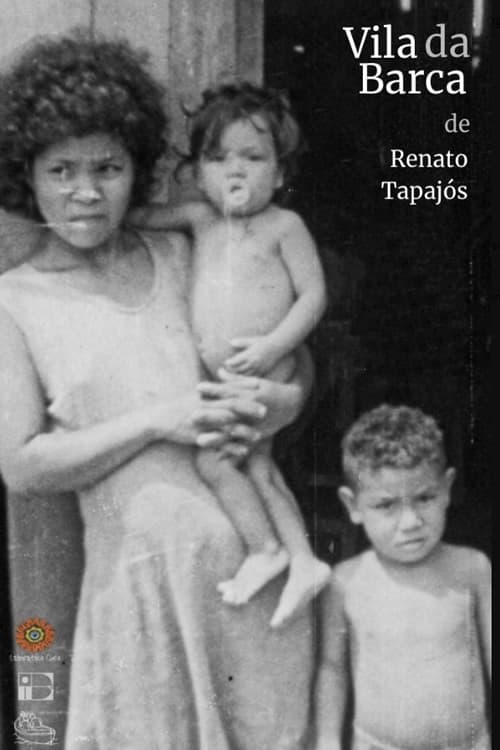
The first work by documentary master Renato Tapajós, "Vila da Barca" focuses on the daily struggles faced by the people who live on the shanty town of Vila da Barca, Pará, Brazil.
The film investigates how allegations of racism are handled by the Brazilian justice, reporting the unprecedented story of persistence and dignity of a black man: Vicente do Espírito Santo became an exceptional case for being the first victim of racism to break the siege and arriving victoriously at the Superior Labor Court and at Rede Globo's prime time.
Documentary about the self construction in peripheral neighborhoods of São Paulo. It gathers statements of residents of three areas: Taboão neighborhood in São Bernardo do Campo; Jardim d’Ávila in Osasco and Jardim Castilho in Embu. The film registers the life conditions in those areas and the sacrifice the workers are committed to in order to fulfill their dream of having a house: building, little by little, with the help of friends and relatives, on the weekends.
Documentary about the daily life and struggle of workers from the 1930s generation in Brazil. Told through the memories of a feminist and four union members, the film shows the different faces of the workers' organization experience at that time, from Vargas' influence to communism, culminating in the common trait of their relationship with the workers' bases.
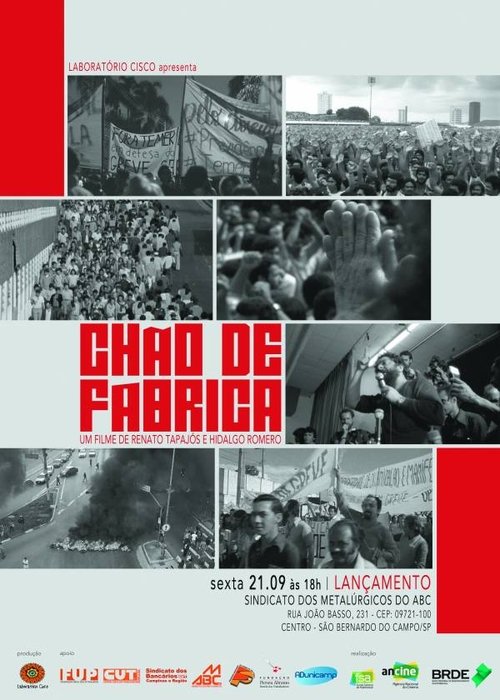
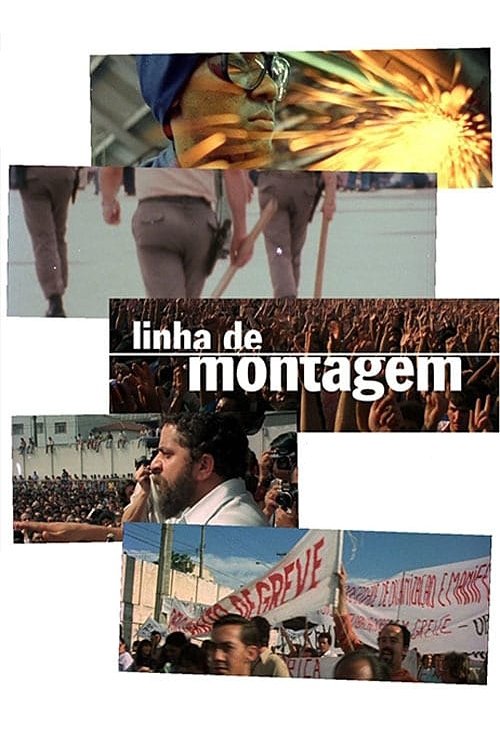
Documentary about the strikes that took place in São Bernardo do Campo, in the State of São Paulo, Brazil, circa 1979/1980. That moment was of utmost importance, since it revealed a Union leader, Luís Inácio "Lula" da Silva, who would later become President of Brazil. It was also the moment when PT, the Workers' Party, became a relevant political force in Brazil.
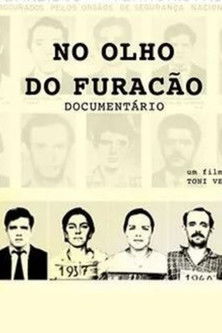
A documentary that follows former members from guerrilla movements that fought against the military dictatorship in Brazil between late 1960's and early 1970's. They share stories about their routine and daily lives beyond the armed combat.
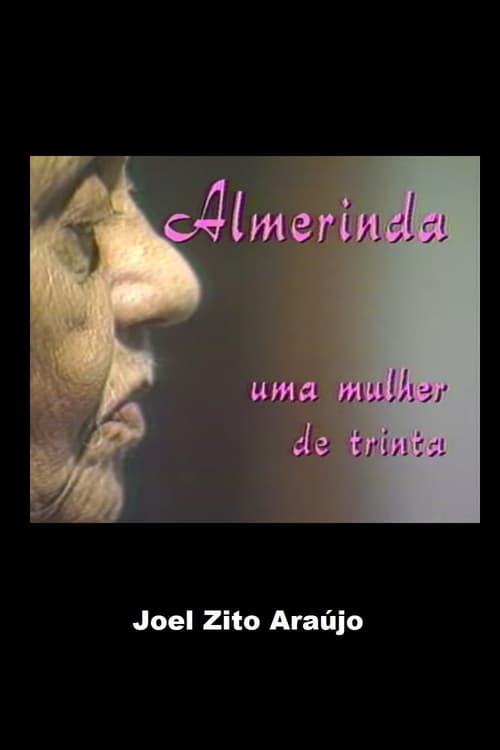
Rescue of the life story of feminist activist from the 1930s, Almerinda Farias Gama, participant in the struggle for the right to vote for women in the 1934 Constitution, and activist of the Brazilian Federation for Female Progress, together with Bertha Lutz.
Drama teacher and writer of soap operas keeps his frustrating marriage because he doesn't have the existencial courage to get divorced. But he meets a temperamental and rich student, with whom he engages in a neurotic relationship.