Sultan Khodzhikov
Directing
Biography
Sultan-Akhmet Khodzhikov March 10, 1923, Dzhambul, Kazakh SSR, USSR (now Taraz, Kazakhstan)— March 11, 1988. In 1952, he graduated from the Directing Department of VGIK (workshop of A. P. Dovzhenko). Participant of the Great Patriotic War. Since 1953 — director at the Alma-Ata Film Studio (later — Kazakhfilm Studio). Co-author of the scripts for several of his films, screenwriter of television films, and director of documentary films. Honored Art Worker of the Kazakh SSR (1970).
Known For

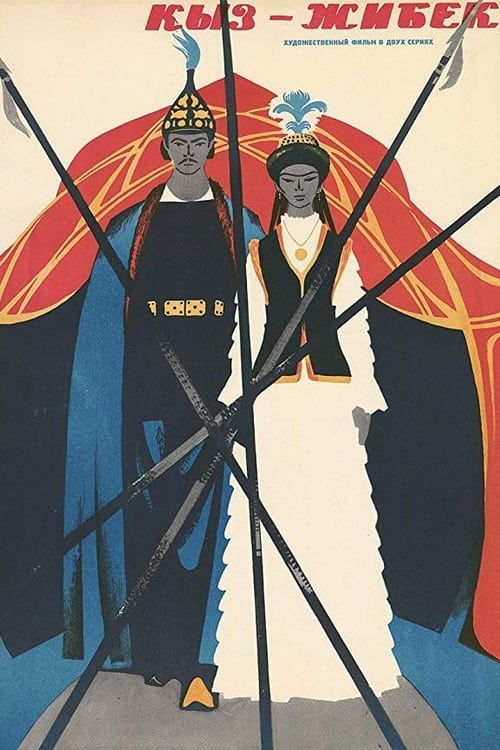
Kyz-Zhibek - Kazakh poetic folk legend of the 16th century, tells about the period in the Kazakh nation when the people suffered from bloody feuds. In those times each province of the Kazakh nation had its own Khan and each tried to supersede the other. The love story of Tolegen, the brave warrior, and the beauty Zhibek ends tragically because of inter-family strife. Tolegen is foully murdered by Bekejan (the batyr, or nobleman, of the rival family), who earlier strived for the hand of Zhibek. Zhibek commits suicide after learning about the death of Tolegen.
Lady Zhibek

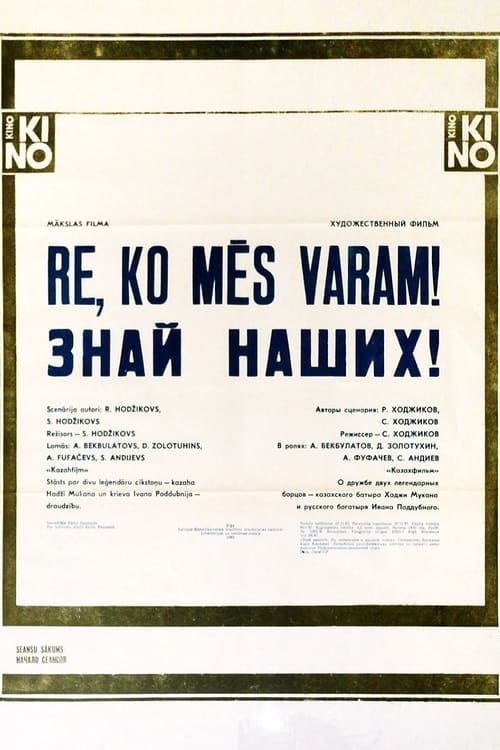
In 1904, the Kazakh wrestler Hajja Mukan, inspired by the successes of the Russian hero Ivan Poddubny, the world champion in French wrestling, decided to perform on the big stage.
See Our People!

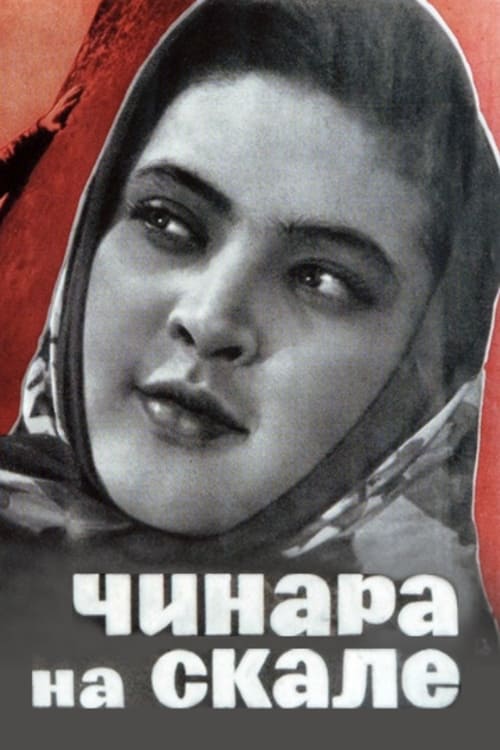
High in the mountains, a lonely plane tree grows on a rock. The legend says that in ancient times, the beautiful girl Aisulu threw herself from this cliff, not wanting to reconcile herself with fate and get the unloved one. So, as a memory of her, a beautiful plane tree has grown in this place.
Plane Tree on the Rock

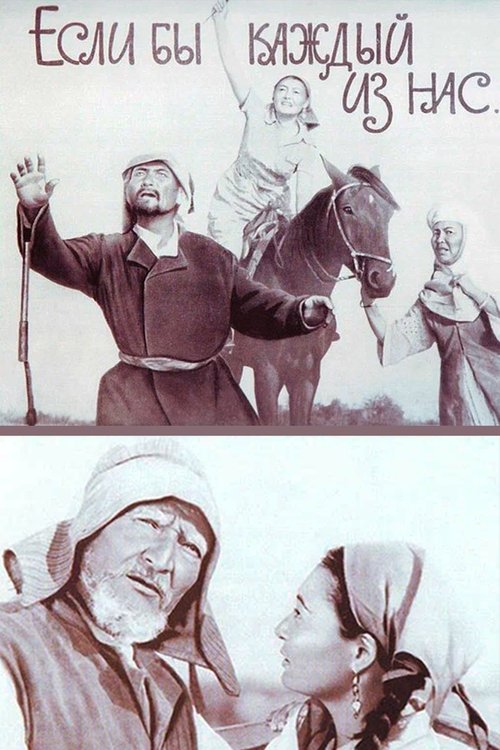
Old shepherd Serkebai seeks a second lambing from his flock, but kolkhoz chairman Aisary, citing lack of pasture and water, urges slaughtering the sheep. Defying him, Serkebai leads the flock across the Syr Darya into the Kyzyl Kum desert with several kolkhoz workers and his daughter Marzhan. After days without finding a well, Serkebai gives leadership to Kundebai and departs alone to die in the sands, followed by the sheep. Searching for her father, Marzhan meets hydrogeologists drilling an artesian well, where she falls in love with geologist Imash. The team rescues Serkebai’s group, and water bursts from the well, forming a lake to which the entire kolkhoz soon relocates.
If Each of Us

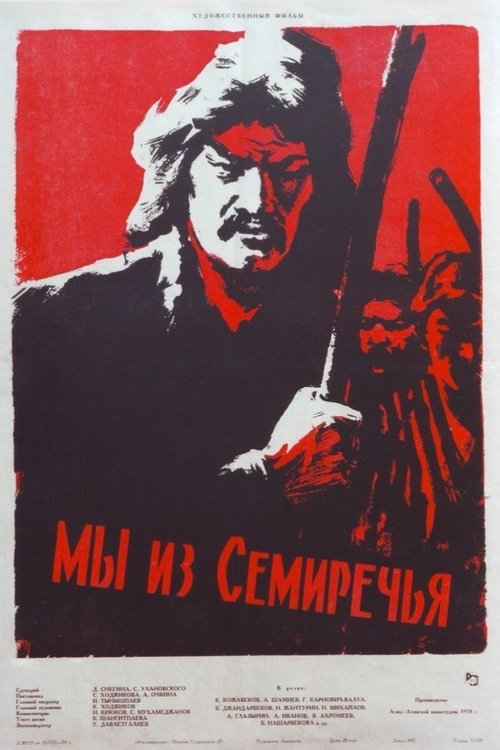
Near the city of Verny, surrounded by Cossack patrols, the paths of three friends diverge. Instead of his native aul, Nartai finds only ruins. The death of his mother, the disappearance of his fiancée, and the oppression from the stanitsa ataman — all this forces Nartai to join the revolutionary struggle. Hunger and poverty, and pleas for bread greet the blacksmith Azim in his native Zhetysu. A Cossack horse kills Azim’s little son with a kick of its hoof when the boy reaches for scattered grains of bread. Grief turns the blacksmith into the leader of a starving, rebellious crowd. The fate of the third soldier is not easy either. Pavel Zernov, pausing only briefly at the bedside of his dying little son, hastens to rejoin his comrades who have gone underground.
We Are From Semirechye

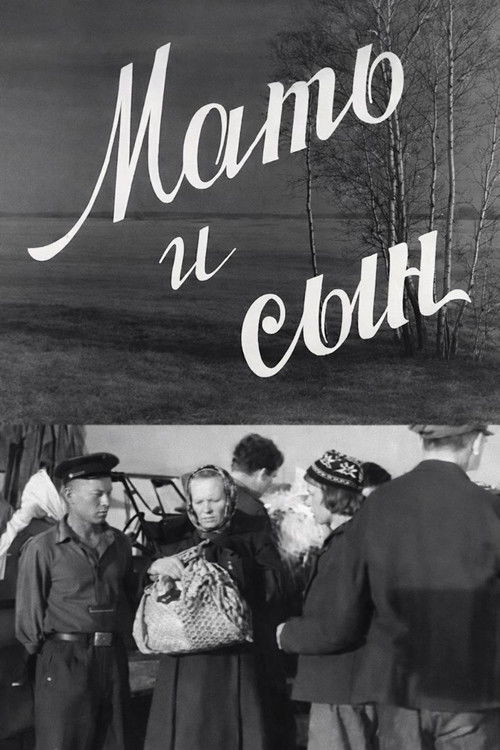
Grisha secretly leaves for the virgin lands without his mother’s permission. The young man quickly adapts to the new hardships and soon, despite his age, becomes one of the leaders of the brigade. Grisha’s mother, Pelageya Maksimovna, arrives at the virgin-land state farm to take her son home, but she ends up staying there and, with motherly love, cooks food for the young pioneers of the virgin lands, who become as dear to her as her own son.