Alice Diop
Directing
Biography
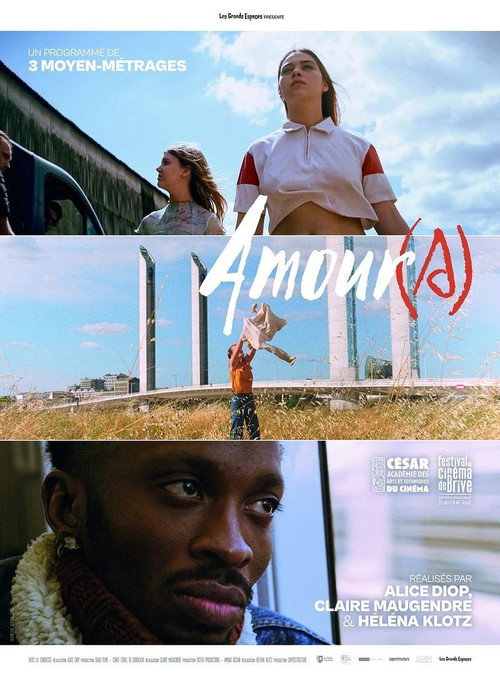
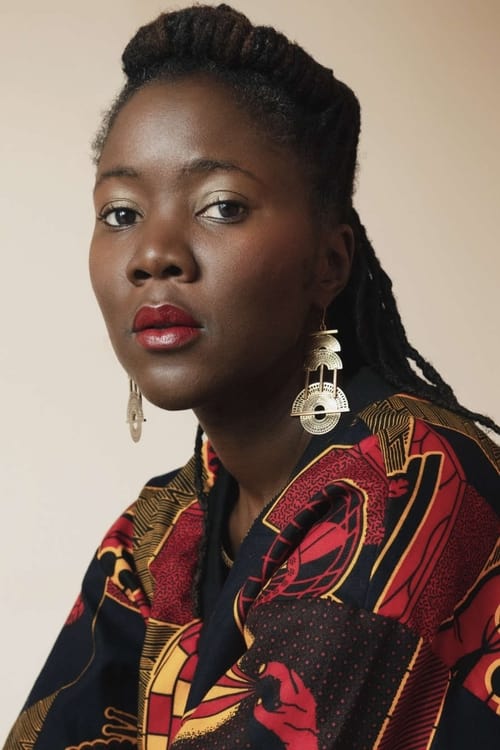
Born in Paris suburb, France. Her films, which question French society and its cultural diversity, have screened at festivals including Cinéma du Réel in Paris, BFI London, Karlovy Vary, the Viennale and the documentary film festival in Lussas, France. Her feature-length documentary La Permanence won the main prize at Cinéma du Réel while her short film Vers la Tendresse won the 2017 César French film prize for Best Short Film.

Known For

The César Awards are cinematographic awards created in 1976 and presented annually in Paris to professionals of the 7th art in various categories to recognize the best French productions. They are often cited as the French equivalent of the Oscars in the United States.
Cérémonie des César

No description available.
Mostra, Venise

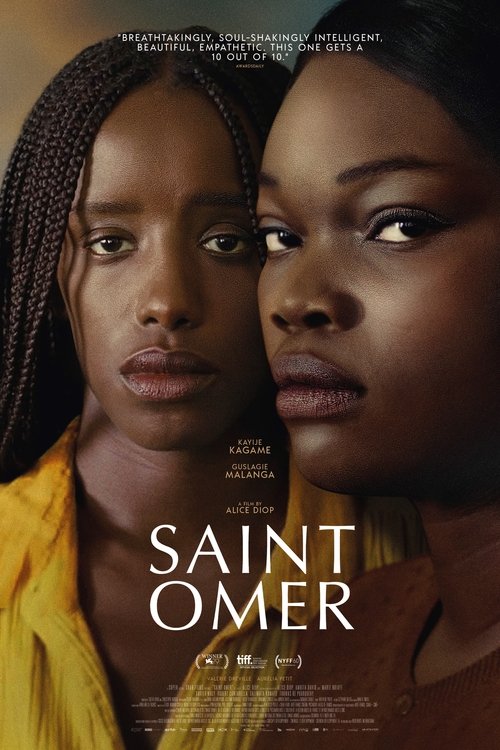
A novelist attends the trial of a woman accused of killing her 15-month-old daughter by abandoning her to the rising tide on a beach in northern France. But as the trial continues, her own family history, doubts, and fears about motherhood are steadily dislodged as the life story of the accused is gradually revealed.
Saint Omer

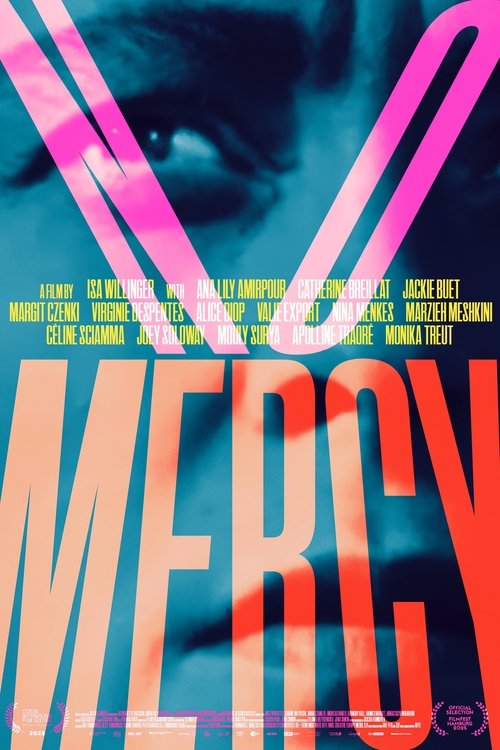
From the starting point of her admiration for the pioneering Ukrainian filmmaker Kira Muratova (1934-2018), the director poses a question: is cinema made by women really tougher, more violent? Seeking answers, she talks to great contemporary filmmakers like Catherine Breillat, Virginie Despentes, Alice Diop, Céline Sciamma, Ana Lily Amirpour, and Monika Treut, among others. It becomes obvious that the cinema screen is a space for the projection of real social problems and power relations.
No Mercy

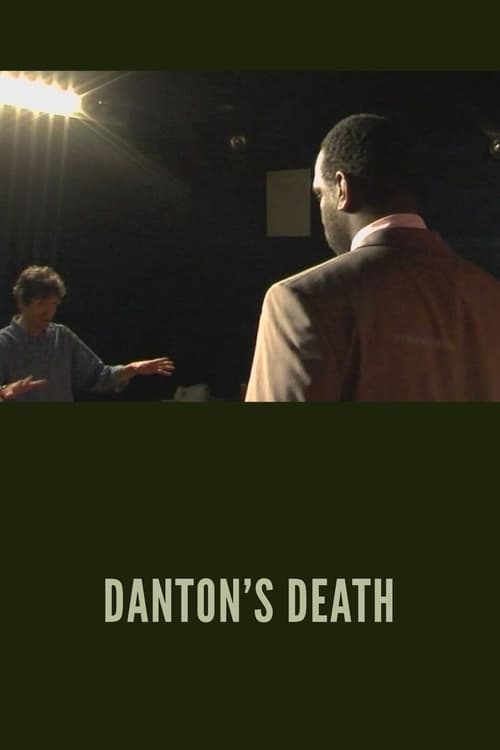
Steve, a 25-year-old Black man from the Paris suburbs, seeks to escape the violence of his immediate surroundings by training to become an actor at one of France’s most prestigious drama schools. But soon he discovers that the theater world is only interested in having him inhabit “Black” roles.
Danton's Death

Across time, a Black woman seeks to piece together the fragments of Black female figures and, guided by Black Venus, attempts to regain control of their narrative.
Fragments for Venus

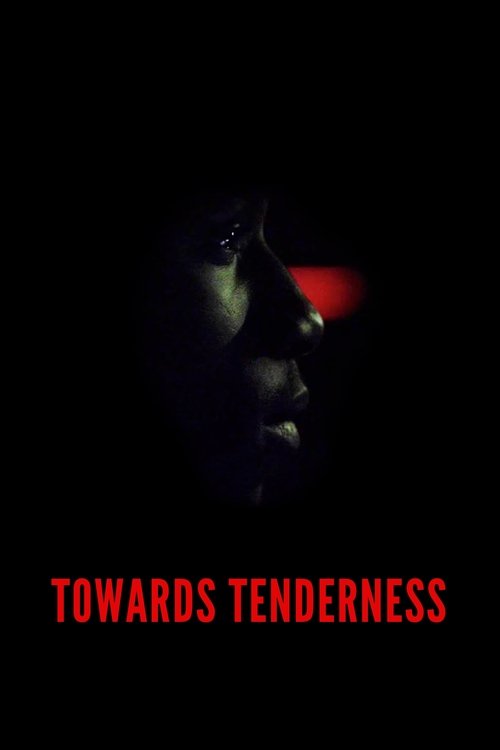
An intimate exploration of the masculine territory of the high-rise projects at the edges of Paris. By following a group of young men, we wander through a world where female bodies are nothing more than ghostly and virtual silhouettes. The characters lead us inside everyday places where we hunt down the staging of their virility. Off-screen, narrated personal tales openly reveal the unexpected side to the characters' histories and personalities.
Towards Tenderness

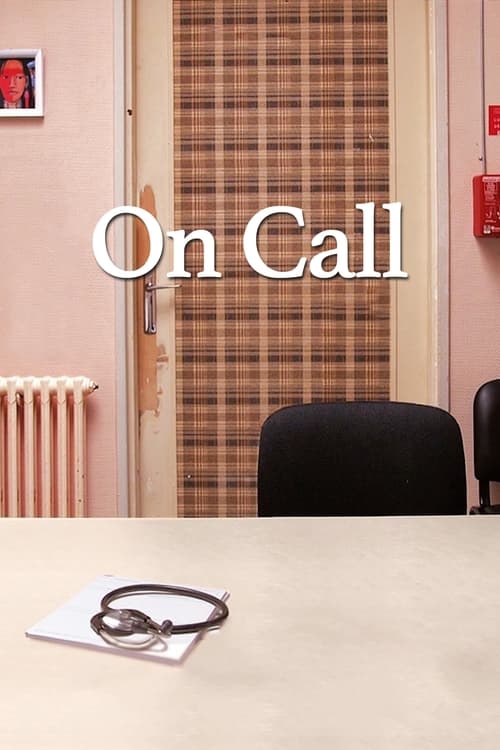
At the consulting service for immigrants at the Avicenne Hospital in suburban Paris, we observe the sorrow and powerlessness of the immigrants who come here.
On Call

Director Alice Diop was born in France of Senegalese parents. After their death, she felt the need to explore her roots. Armed with her camera, she went to spend a month filming the daily lives of the women of her family whom she had never met: Néné and her two daughters Mouille and Mame Sarr.
Les Sénégalaises et la Sénégauloise

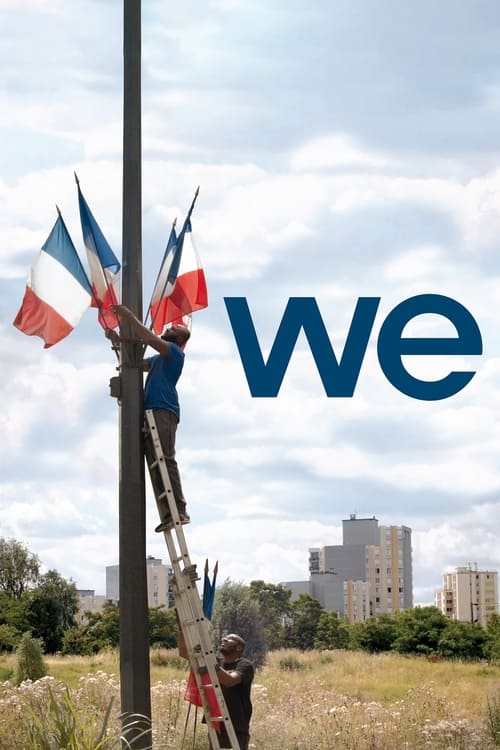
An urban train link, the RER B, crosses Paris and its outskirts from north to south. A journey within indistinct spaces known as inner cities and suburbs. Several portraits, all individual pieces that form a whole. We.
We

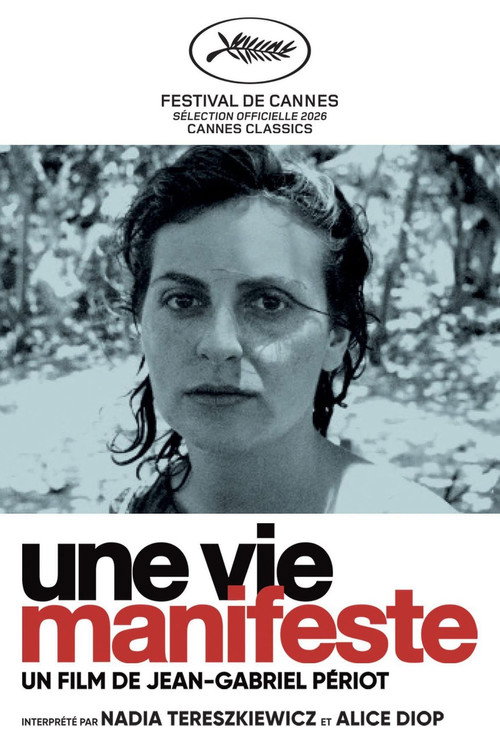
The life of Michèle Firk, a trailblazing French journalist, film critic and anti-colonial activist who rose to prominence in the 1960s and 1970s.
A Life, A Manifesto

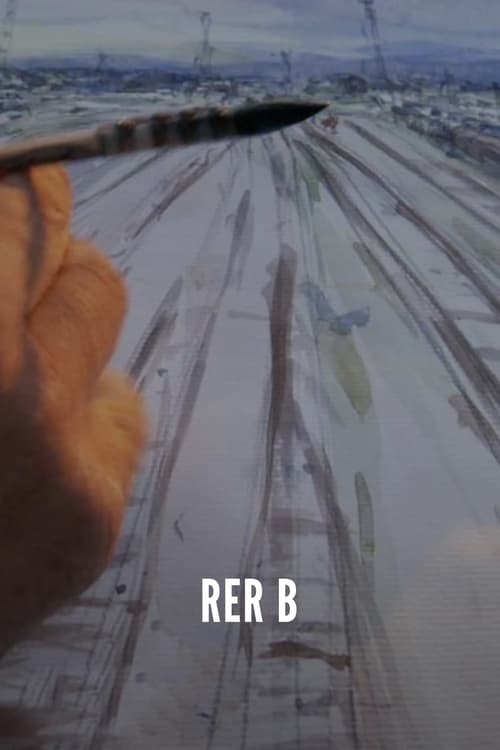
Alice Diop's enchanting short film, a work of transcendent transformation, shows how the rough lines of Drancy station are immortalized in watercolor by the French artist Benoît Peyrucq. A tribute to a location fraught with historical and contemporary poignancy.
RER B

Alice Diop returns to the council estate where she grew up, la Rose-des-Vents, to paint a portrait of the inhabitants of her old building. Outpourings in the intimacy of apartments, the stairwell where different cultures meet, and the outside areas, veritable playgrounds, together form the rich heritage of this neighbourhood. A counterpoint to the usual media coverage.
La Tour du monde

During a whole month in late 2005, France made the news headlines the world over: rioting in the French suburbs! Young people from the suburbs all over France – often still in college or high school - came together each night to burn dustbins, cars, even schools. The riot prompted the decree of a state of emergency – something that has not been seen in France since the years of the war of independence in Algeria. In an effort towards appeasement, the government made promises to come to the aid of “abandoned” areas. Today, one year later, what has changed for the people in the suburbs? Have they managed to pick up the pieces? Have official bodies managed to transform promises into real measures on the field? Alice Diop - who grew up in neighboring Aulnay – took the temperature of the area in and around Clichy, the place where the riots broke out following the deaths of two of the town’s youngsters who perished in an electrical transformer station while fleeing from the police.