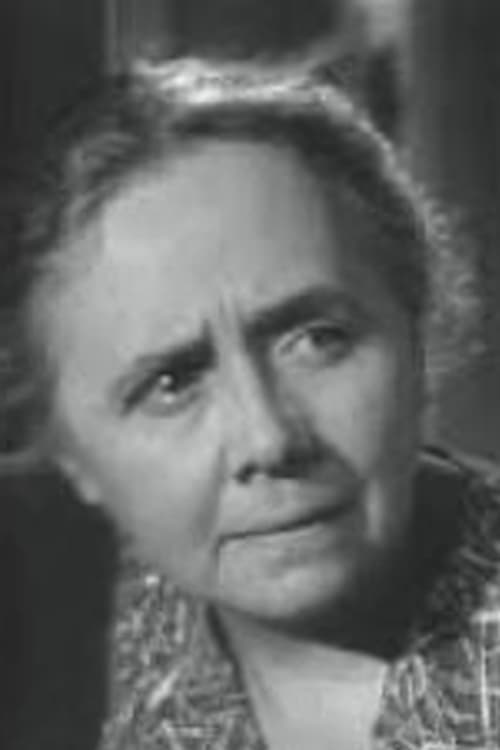
Charlotte Küter
Acting
Known For
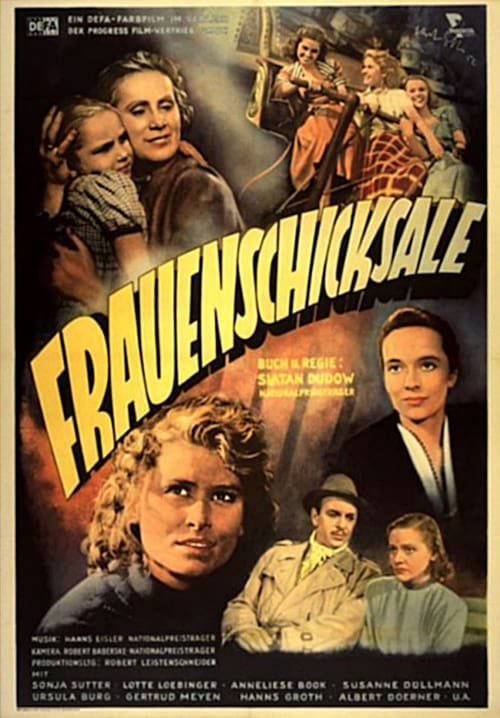
Berlin 1952, seven years after WWII. Four women are looking for a good man and happiness in the divided city. Their destinies are loosely connected through one person: the West Berlin dandy and womanizer, Conny.
Destinies of Women
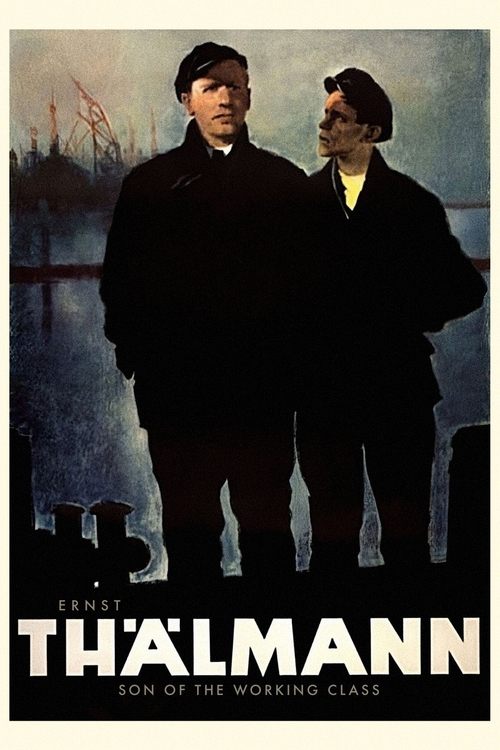
This film is the first of a two-part historical and biographical portrait of the communist politician and anti-fascist Ernst Thälmann. In early November 1918, Ernst Thälmann is an unwilling soldier serving on the western front. As the revolutionary movement at home is threatened by the betrayal of the Social Democrats and fissures in the working class, Thälmann calls on his fellow soldiers to put down their weapons and unite with the workers in the communist struggle at home. Thälmann’s qualms about which side he is fighting on continue, but when the local police attempt to prevent a shipment of provisions and supplies from reaching the people in Petrograd, he intervenes and the ship is unloaded. With this moment of clarity, Thälmann continues to follow his political convictions and joins the workers at the Hamburg uprising in October 1923.
Ernst Thälmann – Son of the Working Class

The authorities expect the case of Friedel Walter, alias "Dr. Mueller," to be a straightforward one: he was working as a doctor without proper credentials under a false name. But Mehlin, the man in charge of his case, knows that there is more to the story. When he was injured fleeing from a concentration camp, resistance worker Irene asked her medical student boyfriend Walter to give him medical care.
Recovery
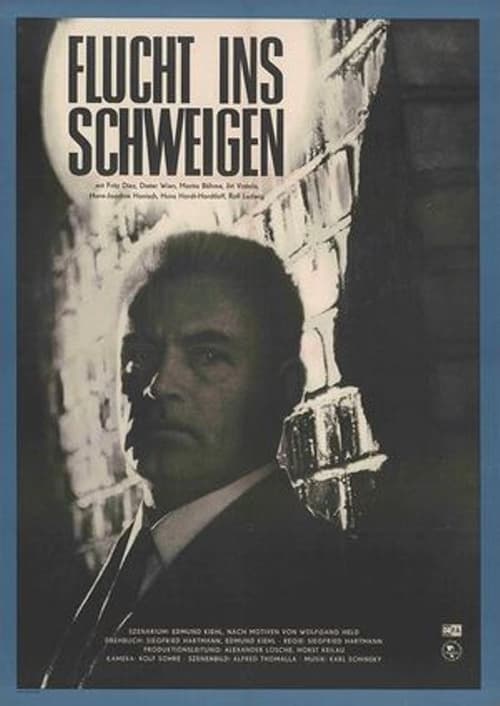
During construction work in a small town in Thuringia, the burial of an unidentified man in an SS uniform with gunshot wounds is discovered. Taking into account that there were no military operations in this place and an ancient gold coin was found near the body, two police inspectors, Captain Stetter and Lieutenant Hoffmann, arrive to investigate the unusual incident. Soon they manage to get on the trail of a mysterious crime that took place twenty years ago, but it is cut short with the murder of the owner of the plot of land where the corpse was found. Realizing that the new crime is closely connected to the death of an unknown SS man, the police search for clues in the memories of old residents and archival documents.
Flucht ins Schweigen
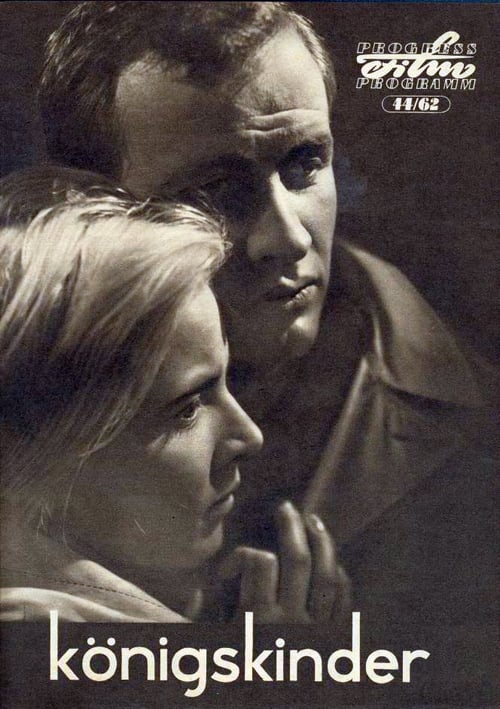
Magdalena and Michael have loved each other since they were children. But when the Nazis come to power, Michael rebels against the regime and is sentenced to fifteen years in a concentration camp. Magdalena, meanwhile, goes underground with the help of a friend and later immigrates to the Soviet Union. Michael, who has joined the Red Army, discovers on the way to Moscow that Magdalena is staying there. But when his plane lands, she is already on her way back to Germany. Michael hopes that one day, he and Magdalena will be reunited.
Star-Crossed Lovers
During the global economic crisis, "Morgenrot" mine is due to be closed due to unprofitable results. With the use of a machine forbidden for security reasons, the mates try to work more effectively and thus save their jobs. A serious accident happens.
Grube Morgenrot

Small town policeman Holms suffers from a rather unusual problem: Because of the low crime rate, there is simply not enough to do for him. Deadly bored, he sinks into the depths of depression and requests the help of a psychiatrist. But his imagination is far more effective: In his dreams, he chases gangsters in London. Finally, some small-time crooks find a way to help "their" policeman out of his emotional misery: They steal a memorial from the market square and thus help Holms to a spectacular case.
Hände hoch oder ich schieße
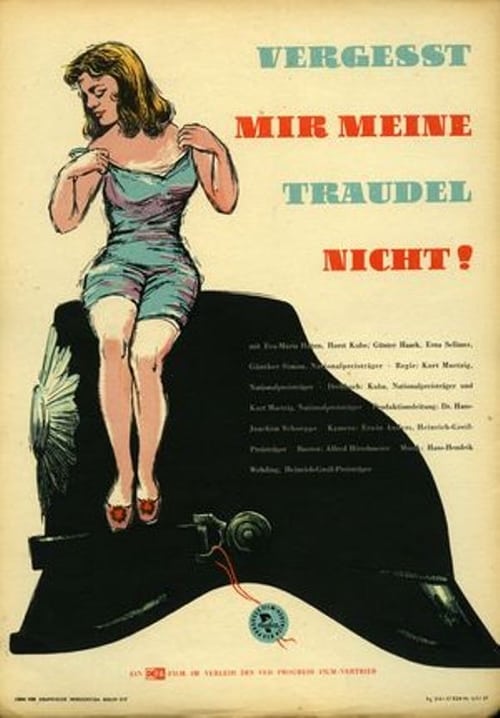
17-year-old Traudel flees the orphanage she has to live in, in order to venture to Berlin.
Don't Forget My Little Traudel
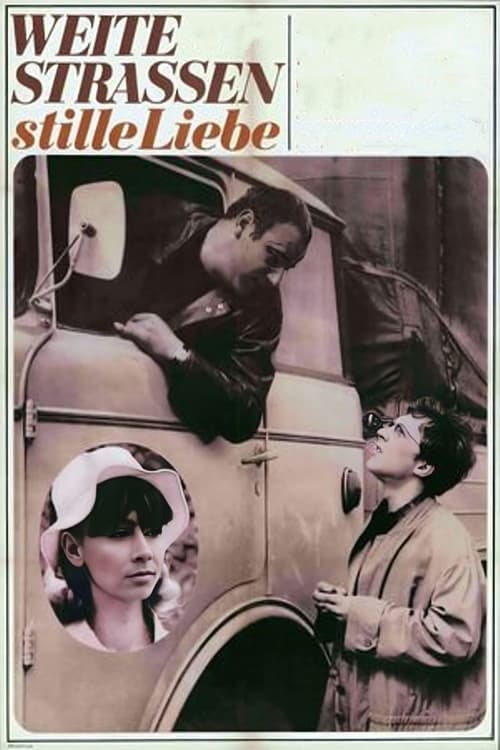
Long-haul driver Hannes picks up a young hitchhiker, Herb, who had a falling-out with his parents after dropping out of college and now travels around doing odd jobs. After a series of adventures, they are joined by Johanna and her child, who missed their bus and need a ride to Berlin. Johanna has left her husband so that he can reflect on their broken relationship and both men gradually begin to fall in love with her.
Long Roads - Secret Love
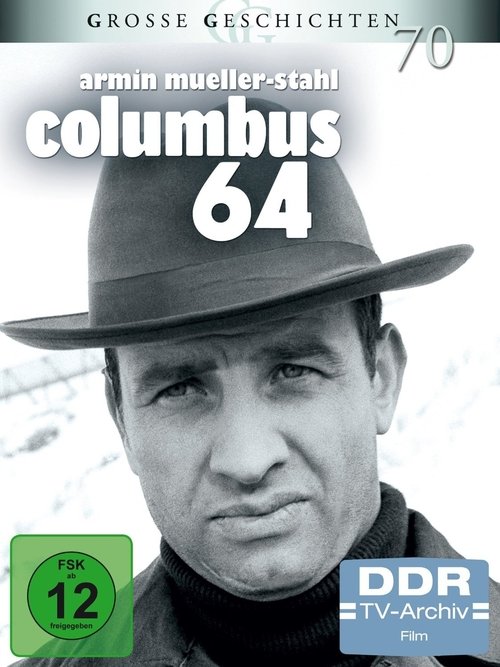
Georg Brecher, journalist and casual writer, leads a report into the uranium mining of bismuth. Under the impression of hard work underground and the encounter with the mates, Brecher rethinks his previous life.
Columbus 64
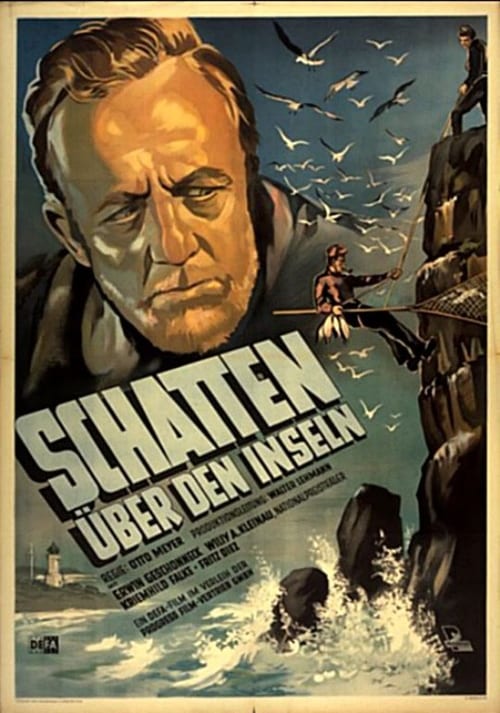
On the Faroe Islands, people eke out a meagre existence by catching birds. Merchant Brause pays them little and does a good business. This comes under threat when Dr. Sten Horn suspects that the dangerous annual plague, which kills dozens of inhabitants, is transmitted by birds. Brause forces the people to work anyway and conceals the telegram from the Copenhagen research institute that confirms Horn's suspicions. Horn, supported by his cousin Arne, enlightens the islanders and the greedy Brause can only flee.
Schatten über den Inseln
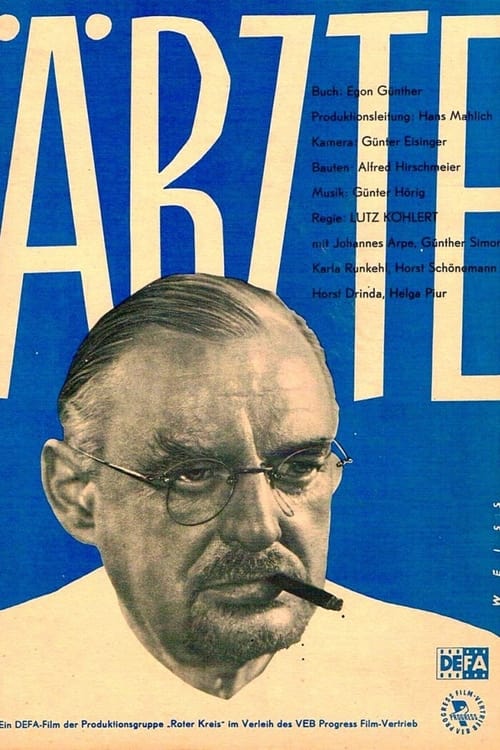
Professor Heger's son was shot by the Gestapo during the war. Dr. Bram was also responsible for his death. After the war, working in Heger's clinic, Bram tells the professor about his guilt. Considering Bram a traitor, Heger refuses to work with him. Bram flees to West Germany. Soon the professor, who has decided in his heart to stay in the FRG forever, leaves for Munich for the congress. But his meeting with Bram in Munich and the reality surrounding them dispelled his illusions, and they both return to their homeland.
Ärzte
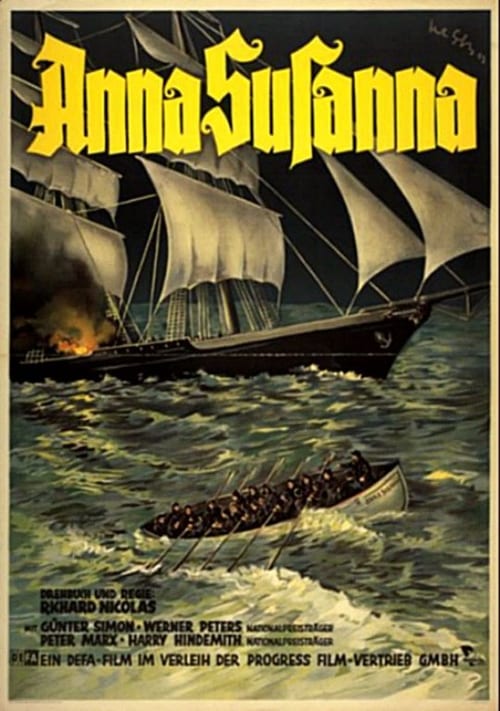
No description available.
Anna Susanna
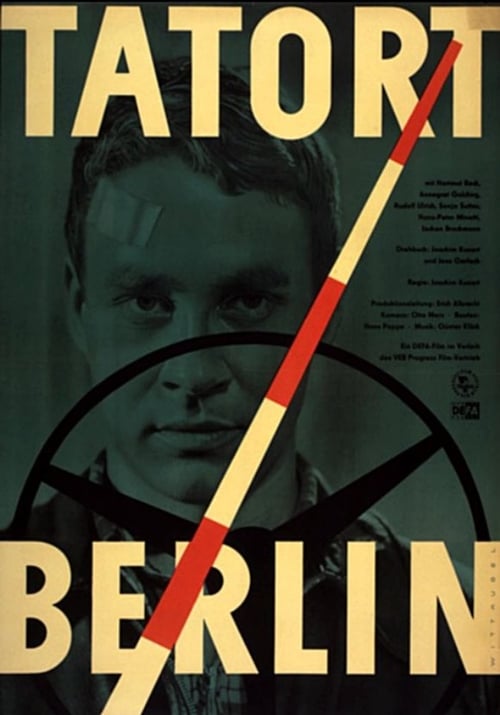
Rudi Prange is released from prison for good behavior. He gets a job in a transport unit but gets involuntarily involved in a smuggling business by a colleague. When two police officers are gun down Rudi becomes the main suspect.
Crime Scene: Berlin
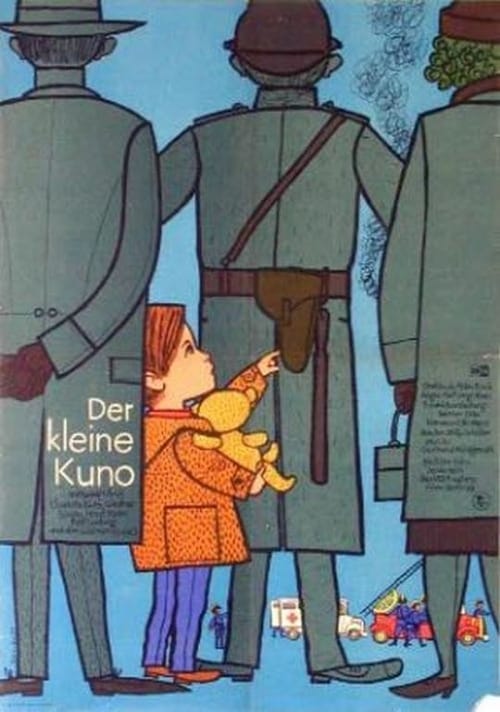
What do grown-ups actually do at night? Little Kuno has been asking himself this question a lot lately. One day, the curious six-year-old decides to get to the bottom of it and sneaks outside his house at night. He wanders around the streets aimlessly and experiences some very exciting things.
Der kleine Kuno

In Scotland in 1751, young David Balfour is shanghaied aboard a ship where he meets Jacobite rebel Alan Breck Stewart with whom he escapes to the Scottish Highlands, dodging the redcoats.
Schüsse unterm Galgen
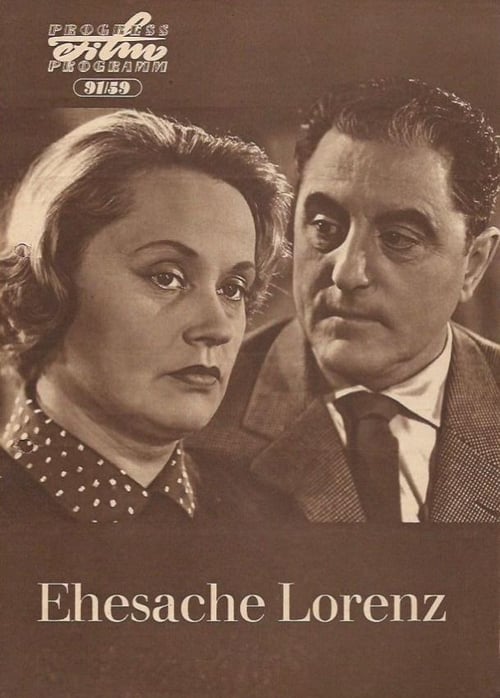
Trude and Willi Lorenz have had an exemplary marriage for 24 years. Their daughter Gitta takes them as a role model for herself and her fiancé Peter. But appearances are deceptive. Willi cheats on his wife with the young secretary Helga. He is a department manager in a heavy engineering company and travels a lot on business. Trude also has a busy working day as a divorce judge. Obviously, family life has been neglected as a result, and now Trude herself is facing a problem that is very familiar to her from her job. An alderwoman has drawn her attention to her husband's infidelity, and a visit from Helga, who demands that she give up her husband, forces her to make a decision. Willi Lorenz has cheated on both women. In a discussion, he finally confesses to Trude and their life together. The fact that it doesn't come to the "Lorenz divorce case" is also thanks to the sincere, compassionate driver Schliffke, who tactfully opens the eyes of his boss Lorenz and the young Helga.
Ehesache Lorenz
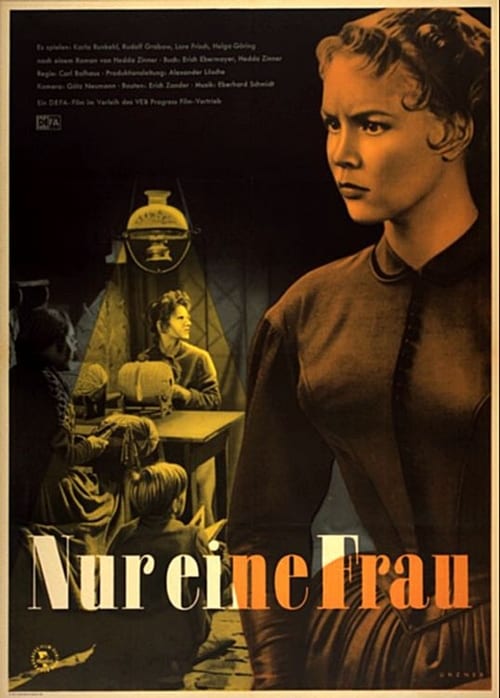
The film tells the life story of Louise Otto Peters, who in the middle of the XIX century in Germany for the first time raised a voice of protest against the unfair treatment of women and their labor. She created the first "women's newspaper" in Germany. The daughter of a famous lawyer, Louise could have easily arranged her life by marrying the wealthy Baron Rodern. But she chose a different purpose in life - to fight for equal rights for women. Through her articles and public speeches, she won the authority and respect of ordinary people.
Only One Woman
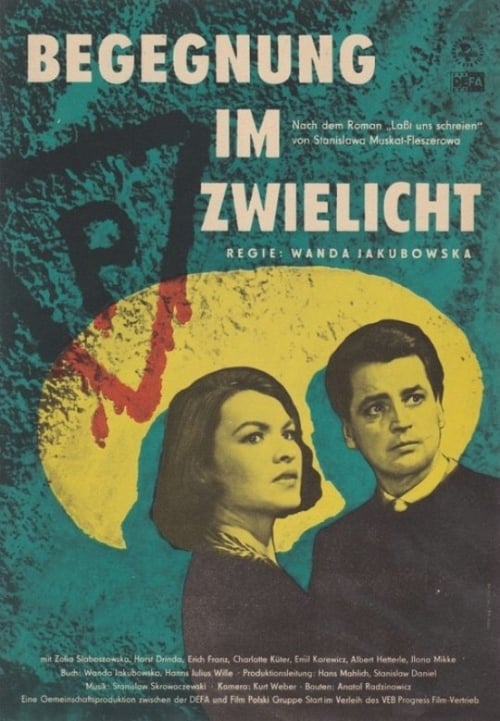
A pianist from Poland visits a town in West Germany and starts to remember details about her life during the war.
Meetings In The Dark

Hannes has barely met the most beautiful girl when she disappears without a trace. But he can't get her out of his head and does everything he can to find her again. All he knows is that her name is Leonore and he knows the street where she lives. But not the house number - and there are more than 200 houses. And so Hannes sets off in search of the mysterious stranger. In the process, he meets another girl. Lore is a little inconspicuous. But Hannes soon finds out that Lore suits him much better than the unknown lady.