Françoise Geissler
Writing
Known For
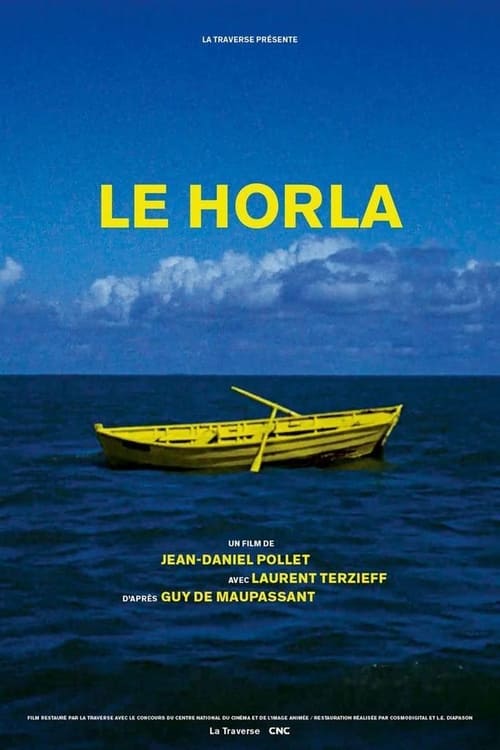
A man who lives by himself becomes increasingly concerned that he is not alone. Based on the short story by Guy de Maupassant.
The Horla
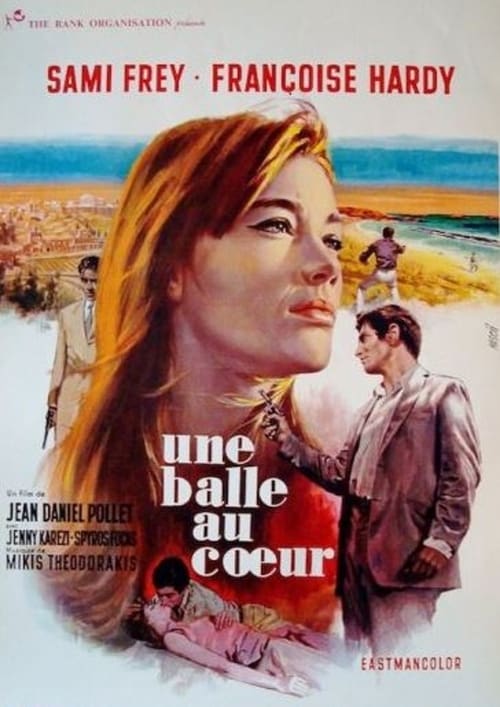
Francesco, a young Sicilian aristocrat, scars an aging gangster who has set out to take away his property. The gangster vows to obtain vengeance, and Francesco is forced to flee across Greece with his girl friend, pursued by his antagonist's vicious henchmen.
A Bullet Through the Heart
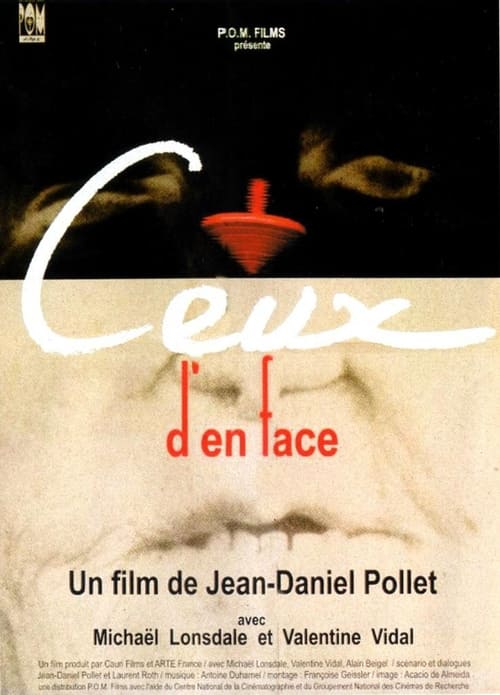
In a big isolated house, Mikael, a musician, is composing a psalm. A young woman, Linda, comes to retreive a suitcase belonging to Sébastien, her companion and Mikael's friend. It contains hundreds of photographs from all over the world. While he is travelling, Sébastien has asked Linda to organise the photographs with a view to an exhibition. Mikael invites Linda to reside with him. She accepts. That is the heart of the film – an intertwining of photographs which, juxtaposed by Linda, begin to speak. In parallel with this, Linda receives cassette-letters from Sébastien. A subtle relationship is established between Linda, the young debutante, and Mikael, the man of experience. Mikael goes off to direct his psalm, Linda stays alone. The walls become covered with photographs – wall of happiness, wall of misery – the fight between Good and Evil. Linda learns of the accidental death of Sébastien and stays alone.
Those Facing Us
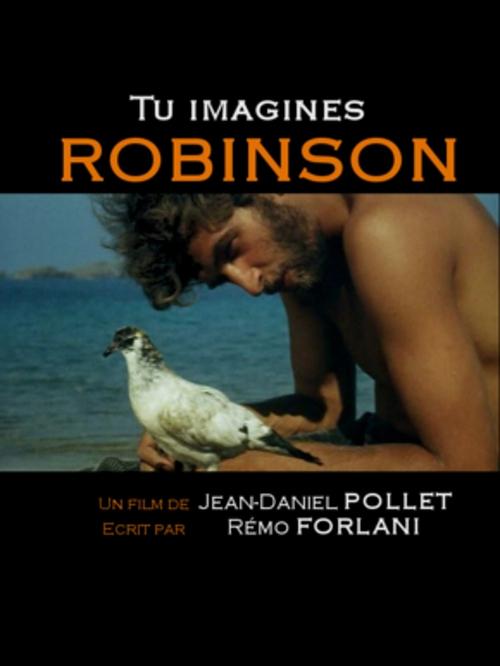
A cinematographic poem in the form of variations around the theme of Robinson, a utopian fable freely inspired by Daniel Defoe's novel, which speaks above all of solitude: the immense weakness of today's man in the face of loneliness is no longer that of the hero of the eighteenth century.
Imagine Robinson Crusoe
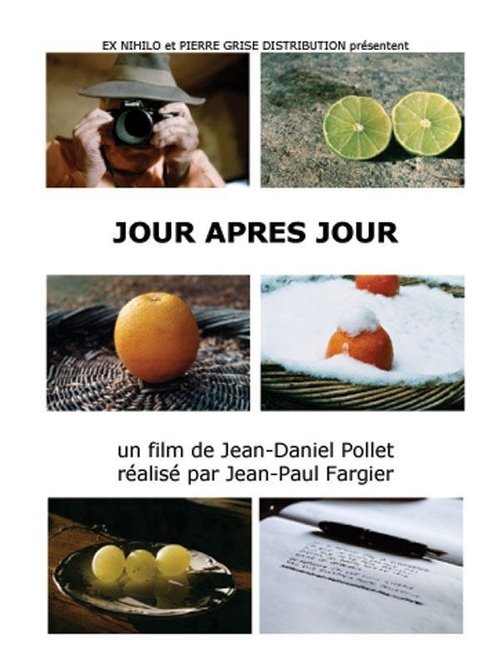
He inhabits the world just like he inhabits his house: motionless. A serious accident nailed him there: in a house in the middle of a large garden. No longer can he dash around the world: day after day, he contemplates it from his house. He’s a filmmaker. He’s only ever lived to make movies.
Day After Day
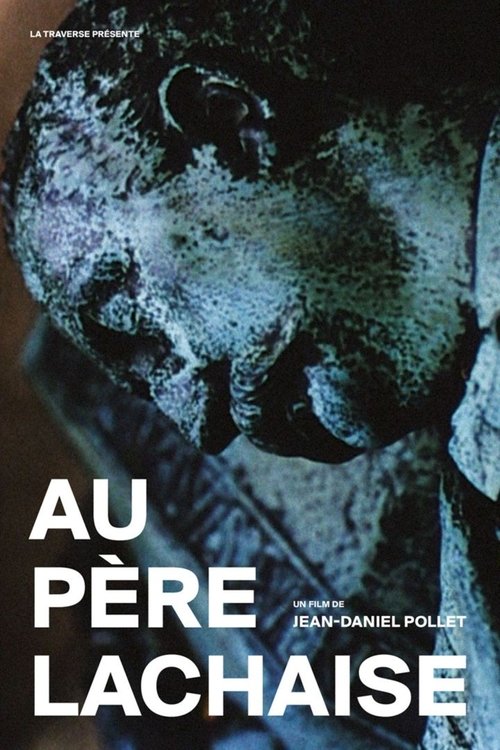
Père Lachaise cemetery reflects the socio-economic hierarchy of French society during the second half of the 19th century. The film pays homage to the Communards who were shot and whose simple commemorative gravestone contrasts with the insolence of the monuments of the great bourgeois families.