
Nelson Gonçalves
Acting
Known For
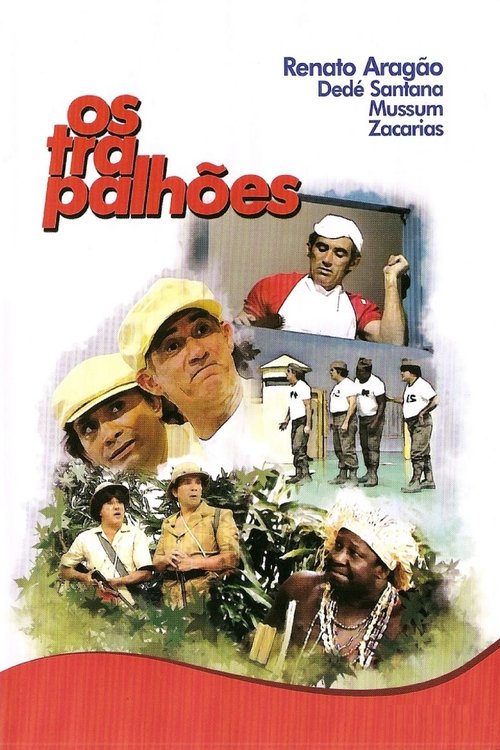
Os Trapalhões was a Brazilian comedy group and also a Brazilian television series created by Wilton Franco. Its members were Dedé Santana, Zacarias, Mussum and their leader Didi Mocó, that was played by Renato Aragão. The name Trapalhões is derived from the Portuguese verb atrapalhar, which means the opposite of helping, to do something the wrong way or to Those that confuse. The name is translated "Tramps" in English DVD subtitles. It was aired by Rede Globo from 1977 to 1999. On March 18, 1990, Zacarias died due to respiratory failure, but the group and the series didn't come to an end until July 29, 1994, when Mussum died due to an unsuccessful heart transplant.
The Trapalhões

No description available.
Vida Nova

No description available.
Cabocla

No description available.
Cavalo Amarelo

“Naked Eye” is a film-documentary of long-length of the artistic and existential universe of the singer Ney Matogrosso, which proposes to recreate through archive’s images in counterpoint with the current production of the artist, thirty-five years of career marked for inventive and transgressing spectacles, always symphonize with its time. Through a coherent boarding with its intransigent trajectory, the film intends to translate the language musical-corporal of Ney Matogrosso, trying audiovisuals resources that express signs evoked poetical politicians and in the repertoire of the singer. A film-song that that looks for to, ultimately, embody the voices of an artist who searches for a nation.
Naked Eye
Fiction/documentary about great Brazilian singer Nelson Gonçalves, where interviews about him are mixed with dramatization of episodes in his life. The film tell us about Nelson's childhood, the time when he tried his luck as a professional boxer, his career as a radio singer in the 1950s, the decadence caused by his cocaine addiction and his comeback.
Nelson Gonçalves
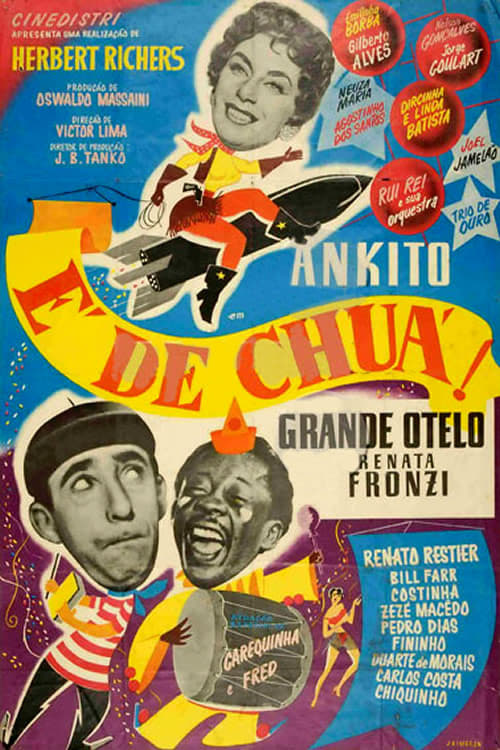
The film narrates the adventures of the trickster Juca Moleza in the carnival while he has to deal with the consequences of the scams he applied to people of high society.
É de Chuá!
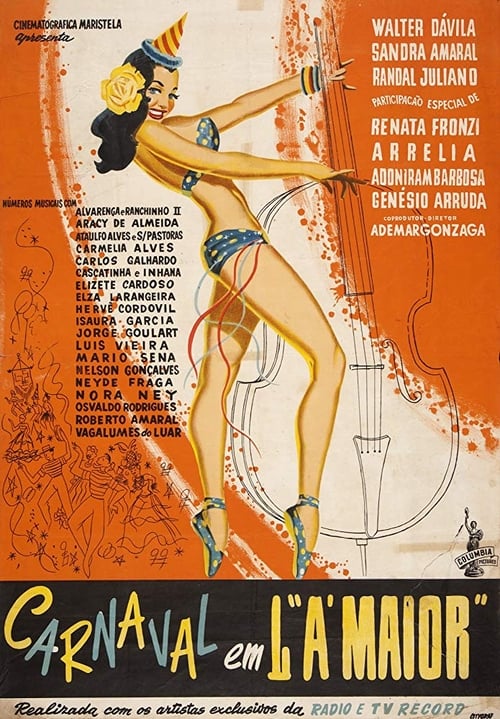
No description available.
Carnival in A Major

No description available.
Mulheres à Vista
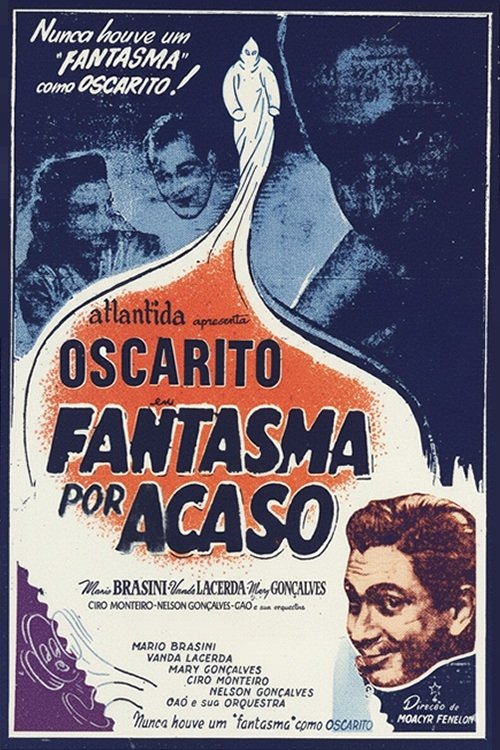
A man dies and in heaven receives the mission of helping his former boss love life.
Fantasma por Acaso

No description available.
O Camelô da Rua Larga
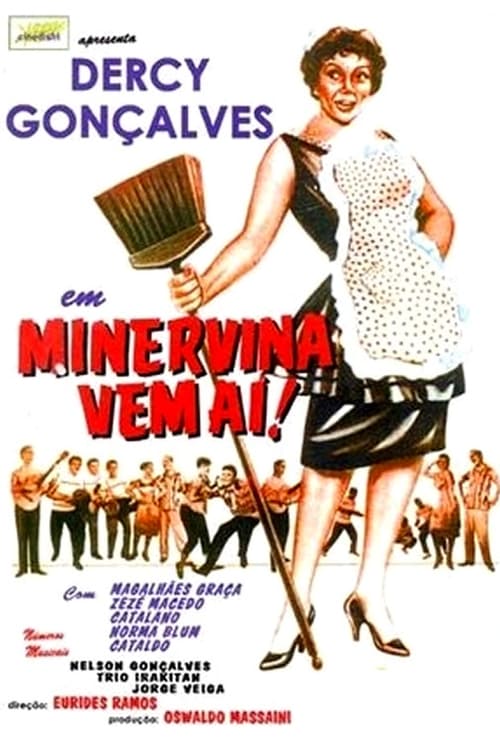
No description available.
Minervina Vem Aí
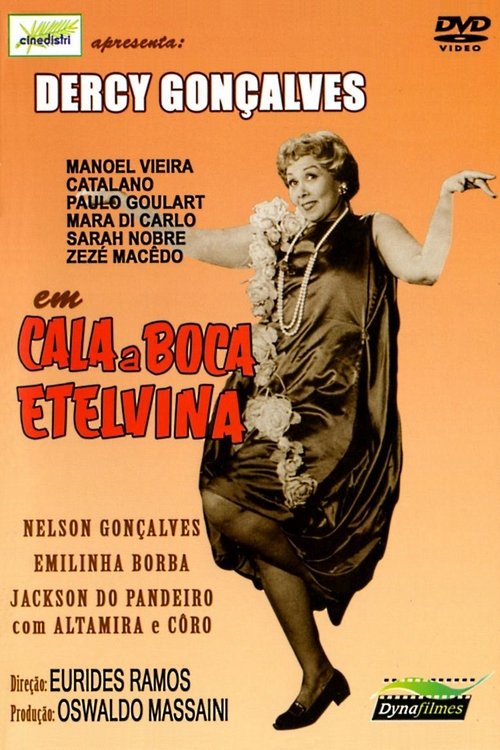
Alligator raiser from the state of Mato Grosso, Brazil, travels to his nephew's, and takes the maid Etelvina for his nephew's wife.
Shut Up, Etelvina

No description available.
Carnival in Caxias
No description available.
Moleque Tião

A Brazilian musical comedy
The World is a Tambourine

No description available.
Estou Aí?

No description available.
Folias Cariocas
No description available.