Shelagh Mackenzie
Production
Known For
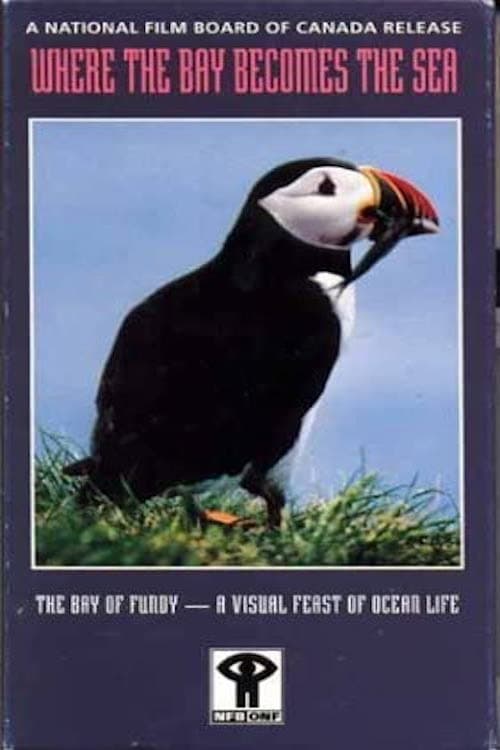
This is a documentary about the fragile and complex marine ecosystem in the Bay of Fundy. The film traces relationships within the food chain - from tiny plankton to birds and seals and finally to whales and humans. The film is a plea for careful management of our ocean resource and was first telecast as part of CBC's Nature of Things series.
Where the Bay Becomes the Sea

This documentary takes you on a reflective journey into the extended family of Nova Scotia’s Mi'kmaq community. Revisiting her own roots, Mi'kmaq filmmaker and mother Catherine Anne Martin explores how the community is recovering its First Nations values, particularly through the teachings of elders and a collective approach to children-rearing. Mi'kmaq Family is an inspiring resource for both Indigenous and non-Indigenous audiences who are looking for ways to strengthen and explore their own families and traditions. We hear the Mi'kmaq language spoken and a lullaby is sung by a Mi'kmaq grandmother featured in the film.
Mi'kmaq Family (Migmaoei Otjiosog)
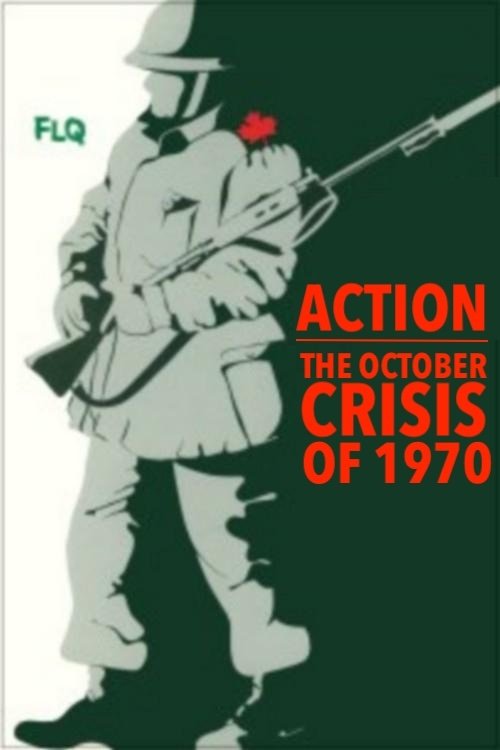
A long and thoughtful look at those desperate days of October 1970, when Montréal awaited the outcome of FLQ terrorist acts. This film puts the October Crisis in the long perspective of history. Compiled from news and other films, it shows independence movements past and present, and their leaders; it reflects the mingled relief, dismay, defiance, when the Canadian army came to Montréal; and it shows how political leaders viewed the intervention.
Action : The October Crisis of 1970
Follow two Canadians, Bob Lush and Mike Birch, aboard their yachts during the 1980 Observer Singlehanded Transatlantic Race. More than a record of this prestigious international sailing event, the resulting film is the starting point for an epic of challenge and determination.
Singlehanders
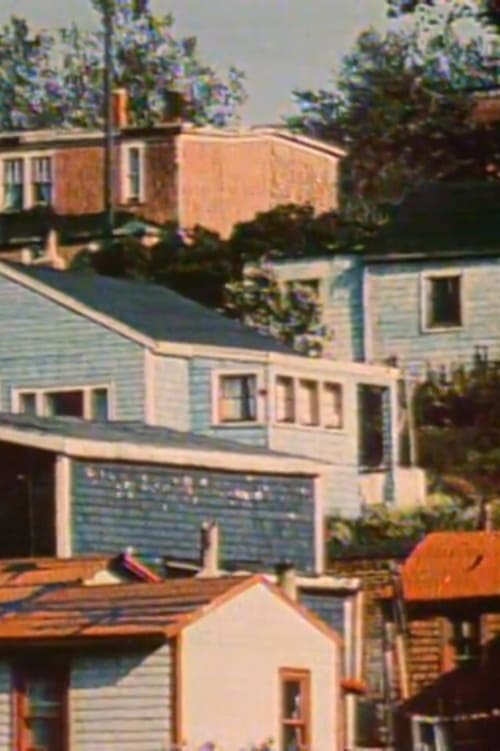
This short film depicts Africville, a small black settlement that lay within the city limits of Halifax, Nova Scotia. In the 1960s, the families there were uprooted and their homes demolished in the name of urban renewal and integration. More than 20 years later, the site of the community of Africville is a stark, under-utilized park. Former residents, their descendants and some of the decision-makers speak out and, with the help of archival photographs and films, tell the story of that painful relocation.
Remember Africville
The fur trade is Canada's oldest industry, but today some people challenge the morality of killing animals for their fur. This film examines the public relations war raging between the industry and its opponents and takes an objective look at the ethical, environmental and economic issues raised by the debate. The struggle to win over public opinion has been joined by Indigenous peoples in Canada who fear that their way of life will be jeopardized if the fur industry is destroyed. The cycle of the industry is followed from the trapper's bush camp and the fur ranch to the final sale of a coat in the furrier's salon. Throughout the film, the conflicting opinions of fur industry representatives, animal rights activists and Indigenous people challenge the viewer to consider all aspects of this complex debate. —NFB
Pelts: Politics of the Fur Trade
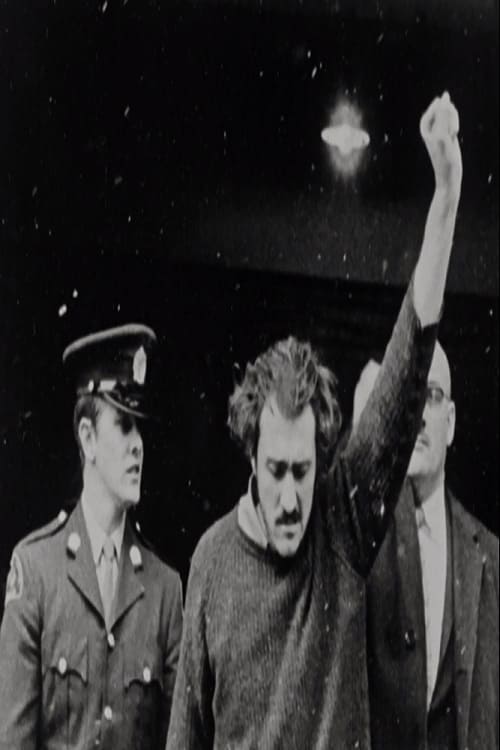
This feature documentary gives voice to various English-speaking groups in Montréal and other places in Québec as they react to the October Crisis of 1970, when Québec nationalism took a violent turn. A British diplomat had been kidnapped, a Québec cabinet minister murdered. The troops were brought in as a safeguard. This film is a vigorous reflection of the discussions and analyses of the situation that went on wherever people gathered, voicing attitudes and fears, sympathies and concerns.
Reaction: A Portrait of a Society in Crisis
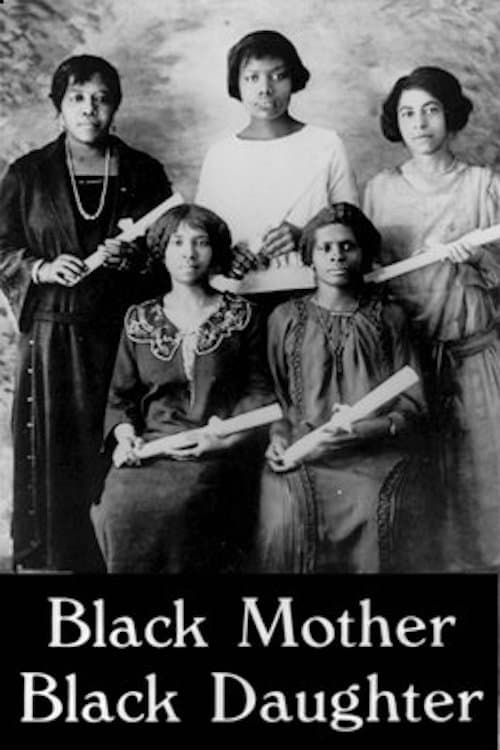
Black Mother Black Daughter explores the lives and experiences of black women in Nova Scotia, their contributions to the home, the church and the community and the strengths they pass on to their daughters.
Black Mother Black Daughter
A portrait of Inuit hunter and artist Lypa Pitsiulak, who decided to return to the land several years ago. His goal was to rediscover his culture, teach his family survival skills in the harsh Arctic environment, and pull himself and his family away from the negative influences of white culture. The film portrays his lifestyle, his love for his family, and some of the sources of his artistic inspiration. It also highlights his beautiful prints and sculptures, with their fantastic interweaving of figures from the animal, spirit and human worlds.
Lypa
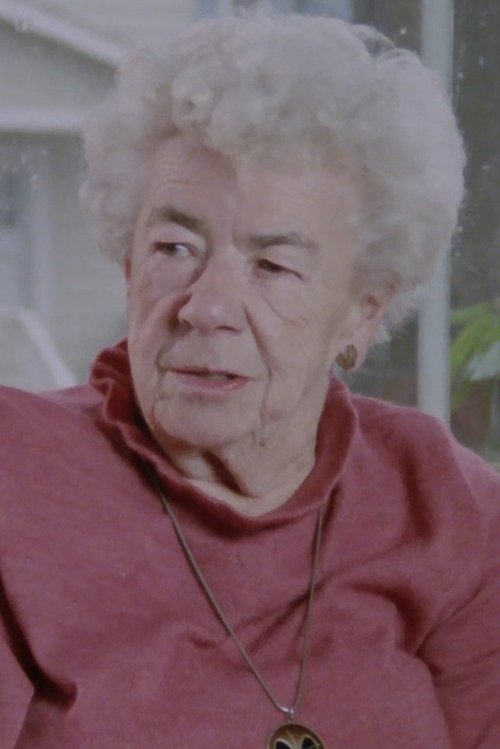
Margaret Perry, now in her eighties, is the unsung heroine of the Nova Scotia film industry. For over a quarter of a century, she shot, directed, wrote and edited all the tourist films for the province. Through her camera, we view changes in the landscape, in lifestyles, and in film technology.
Margaret Perry: Filmmaker
No description available.