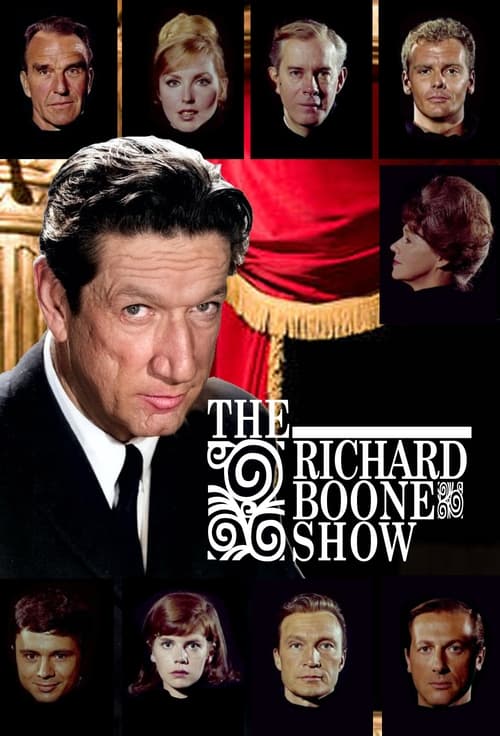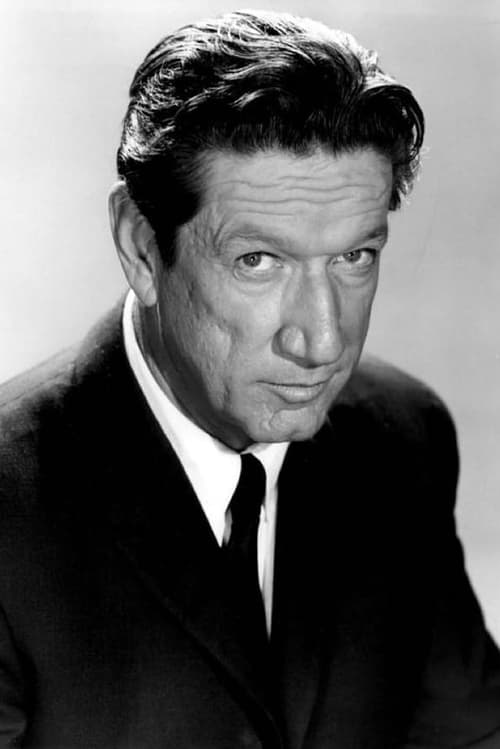
Richard Boone
Acting
Biography
Richard Allen Boone (June 18, 1917 – January 10, 1981) was an American actor who starred in over 50 films and was notable for his roles in Westerns and for starring in the TV series Have Gun – Will Travel. Boone was born in Los Angeles, California, the middle child of Cecile (née Beckerman) and Kirk E. Boone, a corporate lawyer and 4th great-grandson of Squire Boone 1744–1815, a brother to frontiersman Daniel Boone. His mother was Jewish, the daughter of immigrants from Russia. Richard Boone graduated from Hoover High School in Glendale, California. He attended Stanford University in Palo Alto, California, where he was a member of Theta Xi fraternity. He dropped out of Stanford prior to graduation and then worked as an oil-rigger, bartender, painter, and writer. In 1941 Boone joined the United States Navy and served on three ships in the Pacific during World War II, seeing combat as an aviation ordnance, aircrewman and tail gunner on Grumman TBF Avenger torpedo bombers and ended his service with the rank of petty officer first class. In his youth, Boone had attended the San Diego Army and Navy Academy in Carlsbad, California, where he was introduced to theatre under the tutelage of Virginia Atkinson. After the war, Boone used the G.I. Bill to study acting at the Actors Studio in New York. In 1950, Boone made his screen debut as a Marine officer in Milestone's Halls of Montezuma (1951). Fox used him in military parts in Call Me Mister (1951) and The Desert Fox: The Story of Rommel (1951). He had bigger roles in Red Skies of Montana (1952), Return of the Texan (1952), Kangaroo (1952) (directed by Milestone), and Way of a Gaucho (1952). Boone was married three times: to Jane Hopper (1937–1940), Mimi Kelly (1949–1950), and Claire McAloon (from 1951 until his death). Richard Boone died at his home in St. Augustine, Florida, due to complications from throat cancer. His ashes were scattered in the Pacific Ocean off Hawaii.
Known For

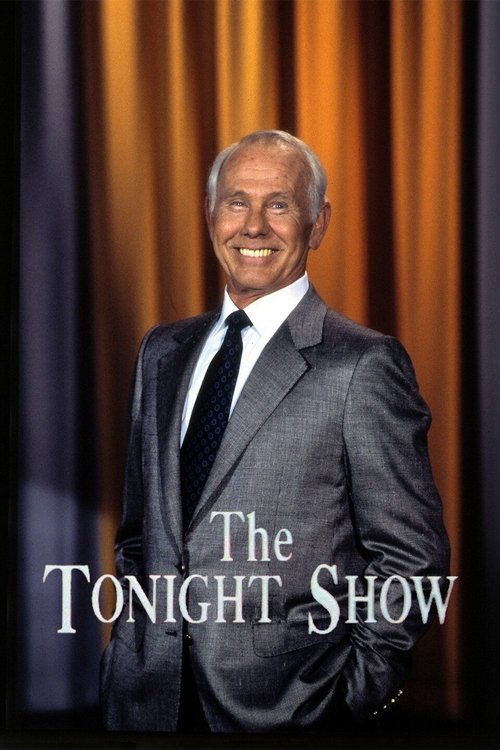
The Tonight Show Starring Johnny Carson is a talk show hosted by Johnny Carson under The Tonight Show franchise from 1962 to 1992. It originally aired during late-night. For its first ten years, Carson's Tonight Show was based in New York City with occasional trips to Burbank, California; in May 1972, the show moved permanently to Burbank, California. In 2002, The Tonight Show Starring Johnny Carson was ranked #12 on TV Guide's 50 Greatest TV Shows of All Time.
The Tonight Show Starring Johnny Carson

The Mike Douglas Show is an American daytime television talk show hosted by Mike Douglas that originally aired only in the Cleveland area during much of its first two years on the air. It then went into syndication in 1963 and remained on television until 1982. It was distributed by Westinghouse Broadcasting and for much of its run, originated from studios of two of the company's TV stations in Cleveland and Philadelphia.
The Mike Douglas Show

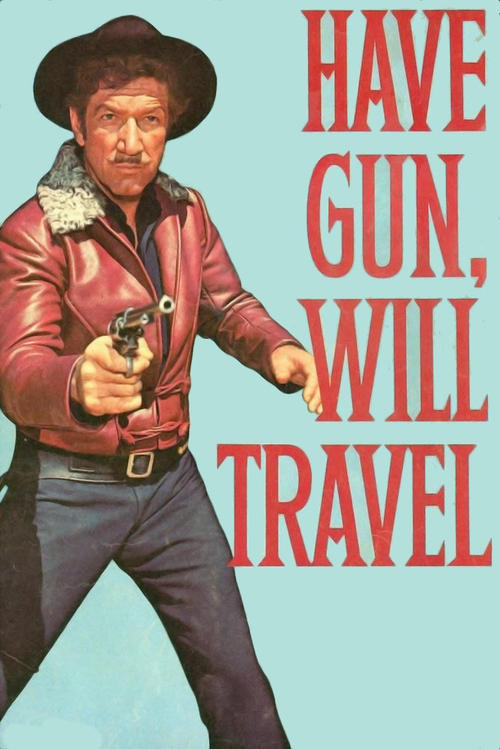
Have Gun – Will Travel is an American Western television series that aired on CBS from 1957 through 1963. It was rated number three or number four in the Nielsen ratings every year of its first four seasons. It was one of the few television shows to spawn a successful radio version. The radio series debuted November 23, 1958. The television show is presently shown on the Encore-Western channel. Have Gun – Will Travel was created by Sam Rolfe and Herb Meadow and produced by Frank Pierson, Don Ingalls, Robert Sparks, and Julian Claman. There were 225 episodes of the TV series, 24 written by Gene Roddenberry. Other contributors included Bruce Geller, Harry Julian Fink, Don Brinkley and Irving Wallace. Andrew McLaglen directed 101 episodes and 19 were directed by series star Richard Boone.
Have Gun, Will Travel

Climax! is an American anthology series that aired on CBS from 1954 to 1958. The series was hosted by William Lundigan and later co-hosted by Mary Costa. It was one of the few CBS programs of that era to be broadcast in color. Many of the episodes were performed and broadcast live.
Climax!

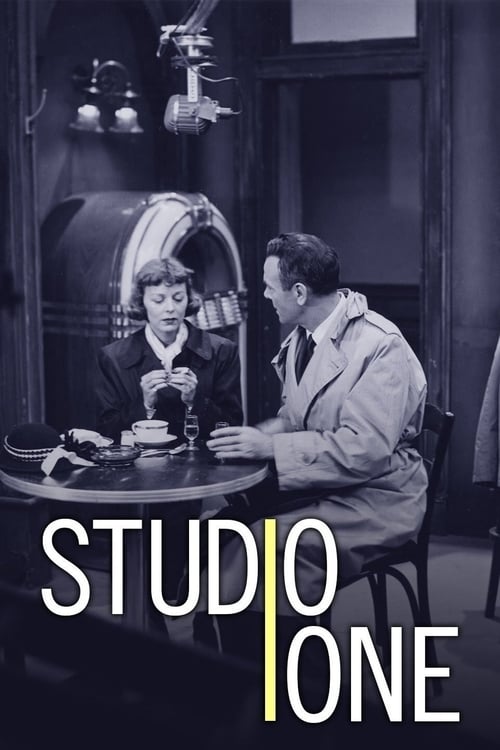
An American radio–television anthology series, created in 1947 by Canadian director Fletcher Markle, who came to CBS from the CBC. Studio One, presented by Westinghouse, was one of the first of the anthology TV programs. The episodes were often abridged remakes of movies from years gone by and many future well-known television and movie actors appeared in the productions.
Studio One

Matinee Theater is an American anthology series that aired on NBC during the Golden Age of Television, from 1955 to 1958. The series, which ran daily in the afternoon, was frequently live. It was produced by Albert McCleery, Darrell Ross, George Cahan and Frank Price with executive producer George Lowther. McCleery had previously produced the live series Cameo Theatre which introduced to television the concept of theater-in-the-round, TV plays staged with minimal sets. Jim Buckley of the Pewter Plough Playhouse recalled: When Al McCleery got back to the States, he originated a most ambitious theatrical TV series for NBC called Matinee Theater: to televise five different stage plays per week live, airing around noon in order to promote color TV to the American housewife as she labored over her ironing. Al was the producer. He hired five directors and five art directors. Richard Bennett, one of our first early presidents of the Pewter Plough Corporation, was one of the directors and I was one of the art directors and, as soon as we were through televising one play, we had lunch and then met to plan next week’s show. That was over 50 years ago, and I’m trying to think; I believe the TV art director is his own set decorator —yes, of course! It had to be, since one of McCleery’s chief claims to favor with the producers was his elimination of the setting per se and simply decorating the scene with a minimum of props. It took a bit of ingenuity.
Matinee Theater

The Ed Sullivan Show is an American TV variety show that originally ran on CBS from Sunday June 20, 1948 to Sunday June 6, 1971, and was hosted by New York entertainment columnist Ed Sullivan. It was replaced in September 1971 by the CBS Sunday Night Movie, which ran only one season and was eventually replaced by other shows. In 2002, The Ed Sullivan Show was ranked #15 on TV Guide's 50 Greatest TV Shows of All Time.
The Ed Sullivan Show

Four panelists must determine guests' occupations - and, in the case of famous guests, while blindfolded, their identity - by asking only "yes" or "no" questions.
What's My Line?
Tonight Starring Jack Paar is an American talk show hosted by Jack Paar under The Tonight Show franchise from 1957 to 1962. It originally aired during late-night. During most of its run it was broadcast from Studio 6B inside the RCA Building. The same studio would also host early episodes of The Tonight Show Starring Johnny Carson, and Late Night with Jimmy Fallon. Its theme song was an instrumental version of "Everything's Coming Up Roses", and the closing theme was "So Until I See You" by Al Lerner.
Tonight Starring Jack Paar

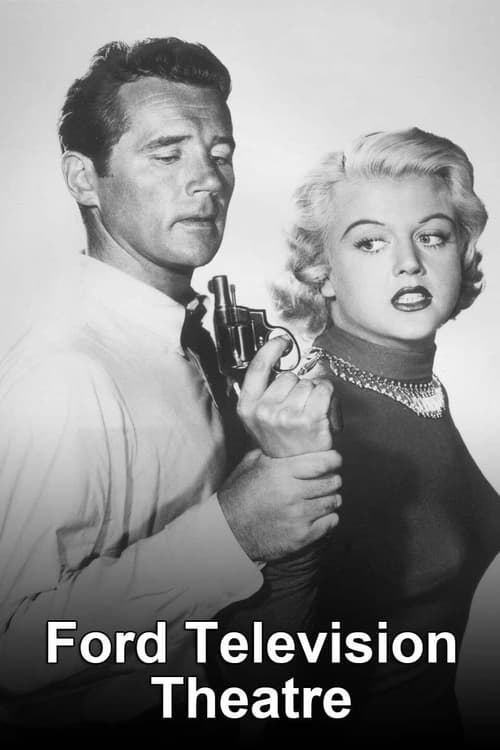
This show started in New York City, with Broadway actors and actresses. It then moved to Hollywood, California, where Hollywood actors and actresses headed the cast.
The Ford Television Theatre
Lux Video Theatre is an American anthology series that was produced from 1950 until 1959. The series presented both comedy and drama in original teleplays, as well as abridged adaptations of films and plays.
Lux Video Theatre

Cimarron Strip is an American Western television series that aired on CBS from September 1967 to March 1968. Starring Stuart Whitman as Marshal Jim Crown, the series was produced by the creators of Gunsmoke. Reruns of the original show were aired in the summer of 1971. Cimarron Strip was one of only three 90-minute weekly Western series that aired during the 1960s, and the only 90-minute series of any kind to be centered primarily around one lead character. Cimarron Strip was set in the Oklahoma Panhandle, which comprises, east to west, Beaver, Texas, and Cimarron counties in Oklahoma. The show is set in 1888, just as the continuous frontier of the West, which once ran from the Canadian to the Mexican border, was closing. In less than five years there would no longer be that "continuous frontier," only pockets of undeveloped land. This was the late "Wild West" that Marshall Jim Crown was called to defend.
Cimarron Strip

An anthology series adapted from the radio program of the same name. Like the radio program, many scripts were adaptations of literary classics by well-known authors. Classic authors such as Edgar Allan Poe, Agatha Christie, and Charles Dickens all had stories adapted for the series, while contemporary authors such as Roald Dahl and Gore Vidal also contributed.
Suspense

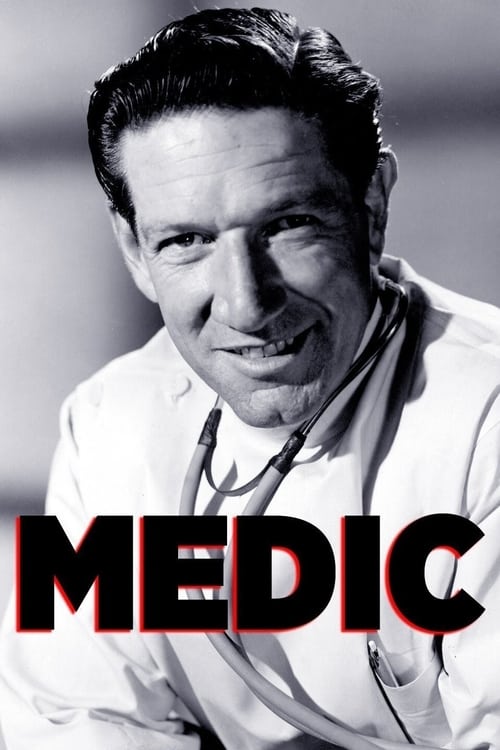
Medic is an American medical drama that aired on NBC beginning in 1954. Medic was television's first doctor drama to focus attention on medical procedures. Created by its principal writer James E. Moser, Medic tried to create realism which would typify medical shows from then on. Moser had previously written for the radio shows Dragnet and Dr. Kildare. He went on to write the television series Ben Casey.
Medic

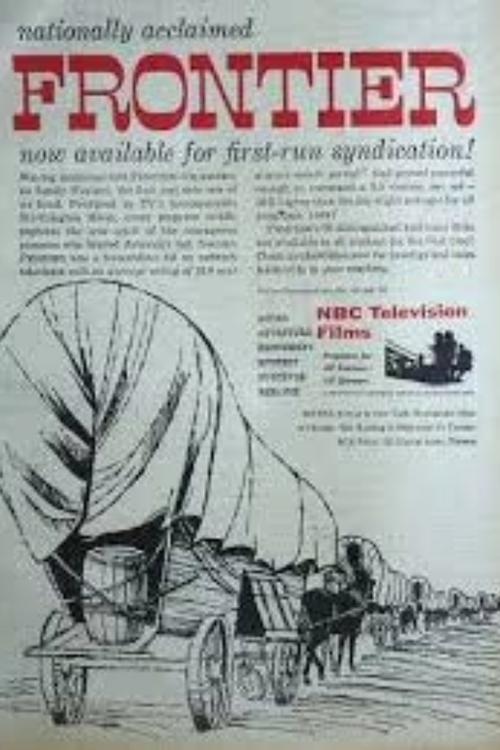
Frontier is an American Western anthology series that aired on NBC from September 1955, to September 1956. The series de-emphasizes gunplay and focuses on the hazards of the settlement of the American West. It was only the second anthology Western series in television history, having been preceded by Death Valley Days. Frontier aired premiered on September 25, 1955, and ran sporadically in its last five months. Walter Coy narrated the series and starred in occasional episodes, which are dramatizations based on actual events. The program was produced by Worthington Miner.
Frontier

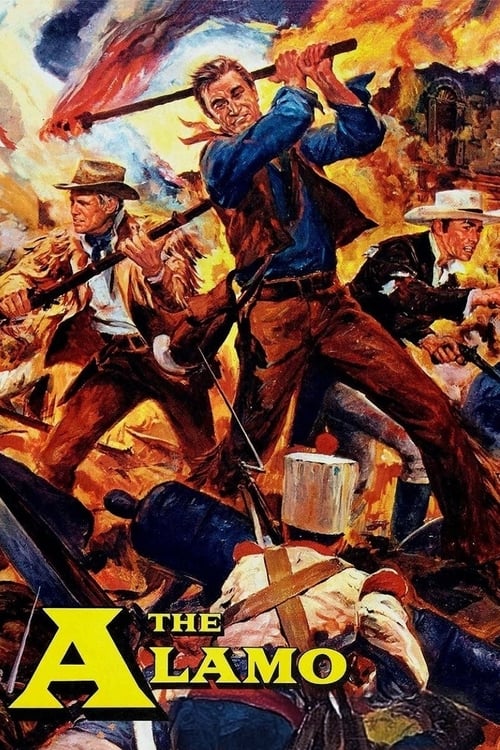
The legendary true story of a small band of soldiers who sacrificed their lives in hopeless combat against a massive army in order to prevent a tyrant from smashing the new Republic of Texas.
The Alamo

Hec Ramsey is a television Western, a production of Jack Webb's production company, Mark VII Limited, in association with Universal Studios, broadcast in the United States by NBC as part of the NBC Mystery Movie wheel show during the 1972-73 and 1973-74 seasons.
Hec Ramsey

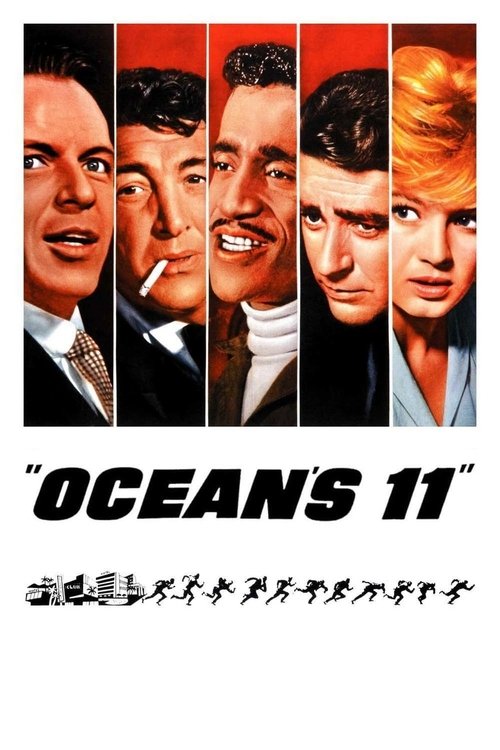
Danny Ocean and his gang attempt to rob the five biggest casinos in Las Vegas in one night.
Ocean's Eleven

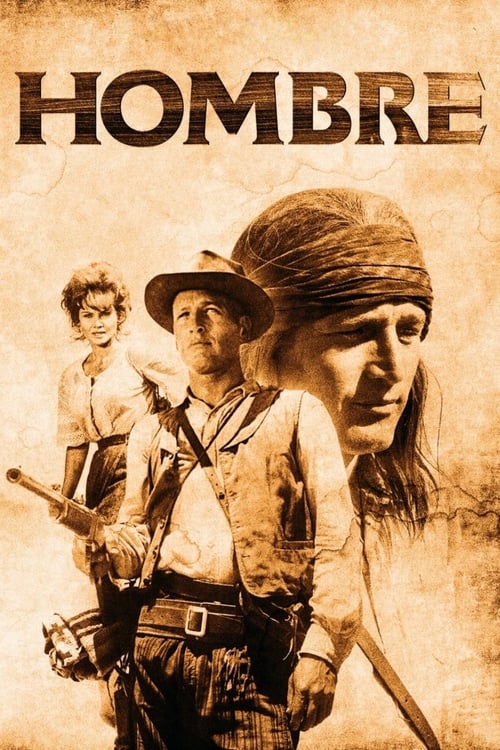
John Russell, disdained by his "respectable" fellow stagecoach passengers because he was raised by Indians, becomes their only hope for survival when they are set upon by outlaws.
Hombre

Drunk and disillusioned Roman, Marcellus Gallio, wins Jesus' robe in a dice game after the crucifixion. Marcellus has never been a man of faith like his slave, Demetrius, but when Demetrius escapes with the robe, Marcellus experiences disturbing visions and feels guilty for his actions. Convinced that destroying the robe will cure him, Marcellus sets out to find Demetrius — and discovers his Christian faith along the way.