FEEL IT.STREAM
Paul Frees

Paul Frees

Acting

Biography

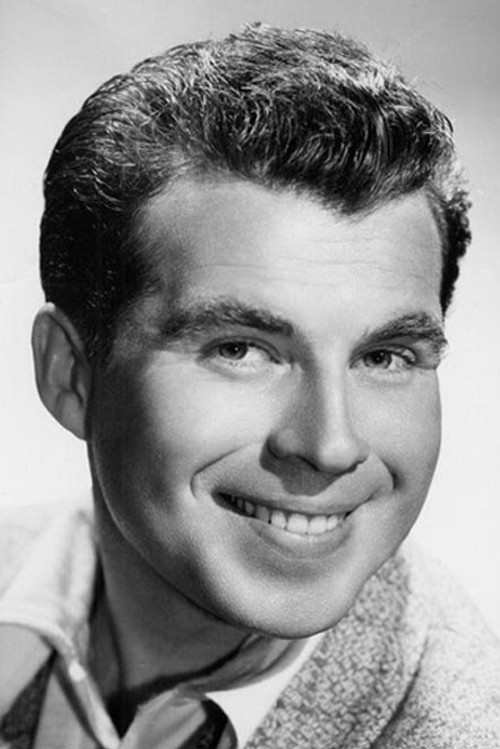
Solomon Hersh Frees (June 22, 1920 – November 2, 1986), better known as Paul Frees, was an American actor, voice actor, impressionist and screenwriter known for his work on MGM, Walter Lantz, and Walt Disney theatrical cartoons during the Golden Age of Animation and for providing the voice of Boris Badenov in The Rocky and Bullwinkle Show. Along with his contemporary Mel Blanc, he became known as "The Man of a Thousand Voices". From Wikipedia, the free encyclopedia

Known For

Dragnet
6.5

Follows the cases of a dedicated Los Angeles police detective, Sergeant Joe Friday, and his partners. The show takes its name from the police term "dragnet", meaning a system of coordinated measures for apprehending criminals or suspects.

Dragnet

1951
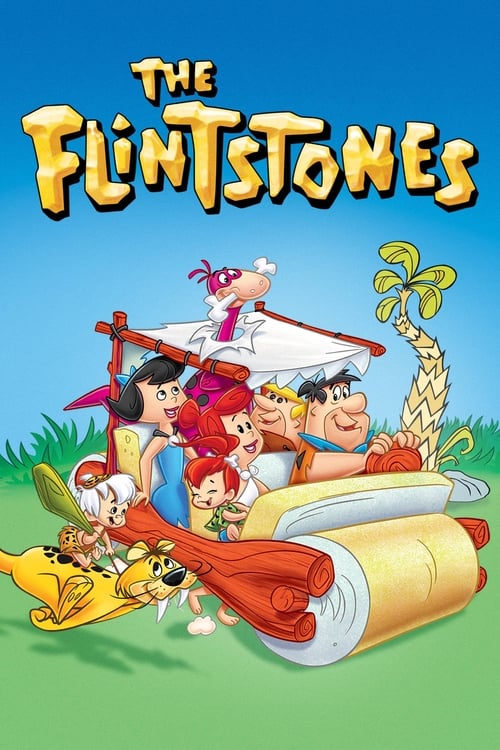
The Flintstones
7.4

The misadventures of two modern-day Stone Age families, the Flintstones and the Rubbles.

The Flintstones

1960
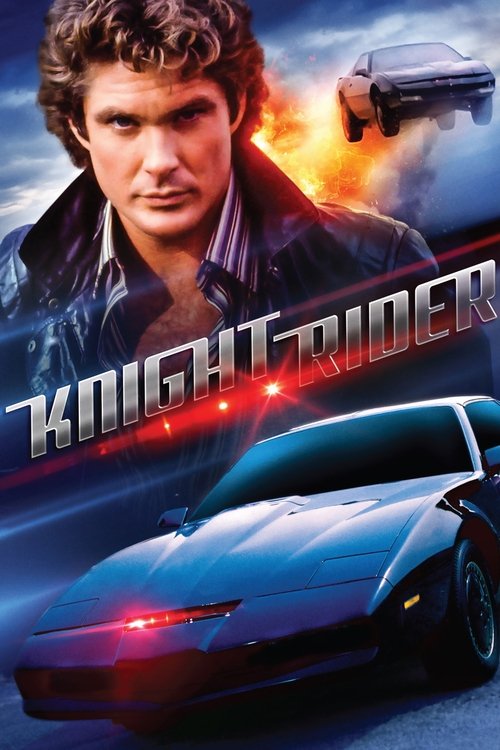
Knight Rider
7.5

Michael Long, an undercover police officer, is shot while investigating a case and left for dead by his assailants. He is rescued by Wilton Knight, a wealthy, dying millionaire and inventor who arranges life-saving surgery, including a new face and a new identity--that of Michael Knight. Michael is then given a special computerized and indestructible car called the Knight Industries Two Thousand (nicknamed KITT), and a mission: apprehend criminals who are beyond the reach of the law. The series depicts Michael's exploits as he and KITT battle the forces of evil on behalf of the Foundation for Law and Government.

Knight Rider

1982
Get Smart
7.9

Get Smart is an American comedy television series that satirizes the secret agent genre. Created by Mel Brooks with Buck Henry, the show stars Don Adams, Barbara Feldon, and Edward Platt. Henry said they created the show by request of Daniel Melnick, who was a partner, along with Leonard Stern and David Susskind, of the show's production company, Talent Associates, to capitalize on "the two biggest things in the entertainment world today"—James Bond and Inspector Clouseau. Brooks said: "It's an insane combination of James Bond and Mel Brooks comedy." This is the only Mel Brooks production to feature a laugh track. The success of the show eventually spawned the follow-up films The Nude Bomb and Get Smart, Again!, as well as a 1995 revival series and a 2008 film remake. In 2010, TV Guide ranked Get Smart's opening title sequence at No. 2 on its list of TV's Top 10 Credits Sequences, as selected by readers.

Get Smart

1965
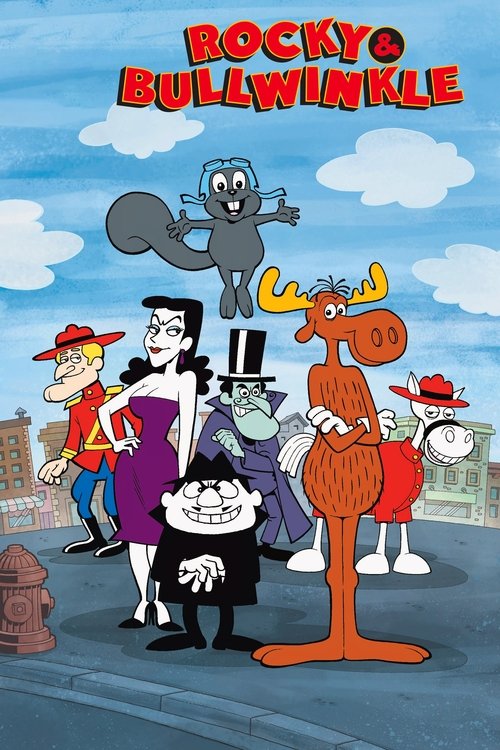
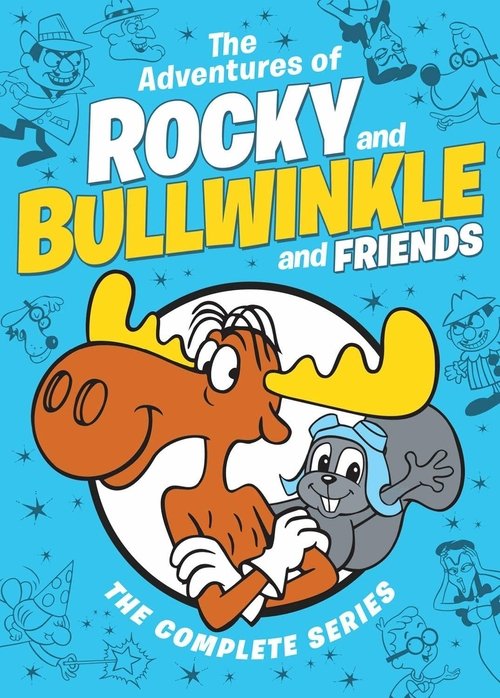
The Bullwinkle Show
7.1

A variety show, with the main feature being the serialized adventures of the two title characters, the anthropomorphic moose Bullwinkle and flying squirrel Rocky. The main adversaries in most of their adventures are the Russian-like spies Boris Badenov and Natasha Fatale. Supporting segments include Dudley Do-Right, Peabody's Improbable History, and Fractured Fairy Tales, among others.

The Bullwinkle Show

1959
Alfred Hitchcock Presents
7.8

A television anthology series hosted by Alfred Hitchcock featuring dramas, thrillers, and mysteries.

Alfred Hitchcock Presents

1955
The Millionaire
5.8

An anthology series that explored the ways sudden and unexpected wealth changed life for better or for worse. It told the stories of people who were given one million dollars from a benefactor who insisted they never know him, with one exception.

The Millionaire

1955
Studio 57
8.0

Studio 57 is an American anthology series that was broadcast on the now-defunct DuMont Television Network from September 1954 to September 1955, and in syndication from 1955 to 1956.

Studio 57

1954
The Adventures of Jim Bowie
5.3

The Adventures of Jim Bowie is an American Western television series that aired on ABC from 1956 to 1958. Its setting was the 1830s-era Louisiana Territory. The series was an adaptation of the book Tempered Blade, by Monte Barrett. The series stars Scott Forbes as the real-life adventurer Jim Bowie. The series initially portrayed Jim Bowie as something of an outdoors-man, riding his horse through the wilderness near his home in Opelousas, where he would stumble across someone needing his assistance. He was aided by the Bowie Knife, his ever-present weapon. He designed it in the first episode, The Birth of the Blade.

The Adventures of Jim Bowie

1956
The Gumby Show
6.1

Innovative "Claymation" adventures of Gumby and his horse Pokey.

The Gumby Show

1956
No image
6.7

Lux Video Theatre is an American anthology series that was produced from 1950 until 1959. The series presented both comedy and drama in original teleplays, as well as abridged adaptations of films and plays.

Lux Video Theatre

1950
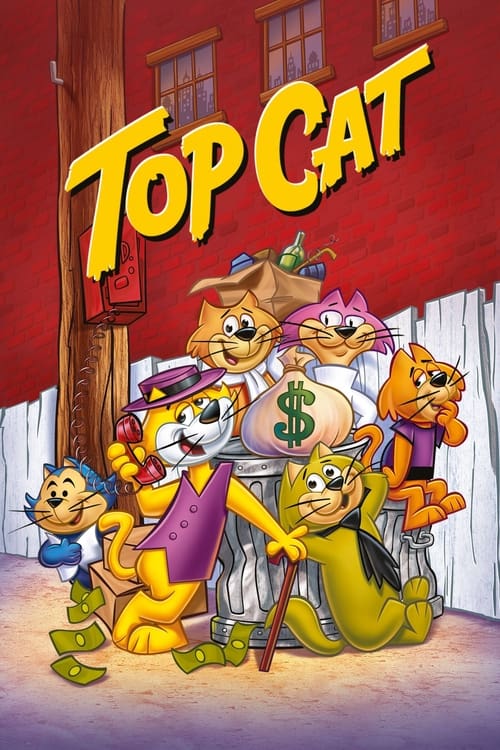
Top Cat
7.5

Top Cat, known as T.C. to his alley cat friends, is a mischievous prankster who lives in a trash can in the alley ways of New York City. He and his alley-cat cohorts think of get rich schemes and assorted pranks which are mostly involving and aimed at Officer Dibble, their nemesis and friend. T.C. manages to get out of his tight situations with hilarity and charm and even helps Dibble on occasion who is underscored by his overbearing sergeant...

Top Cat

1961
The Wonderful World of Disney
7.9

Walt Disney Productions has produced an anthology television series under several different titles since 1954. The original version of the series premiered on ABC, Wednesday night, October 27, 1954. The show, which was hosted by Walt Disney until his death and then from 1996 to 2002 by then-CEO Michael Eisner (with one-off hosts or no hosts during other periods) has since aired continually as either a weekly program or an irregular series of specials on several networks and streaming services, most recently on ABC and Disney+. The show is the second longest showing prime-time program on American television, behind its rival, Hallmark Hall of Fame. However, Hallmark Hall of Fame was a weekly program only during its first five seasons, while Disney remained a weekly program for more than forty years.

The Wonderful World of Disney

1954
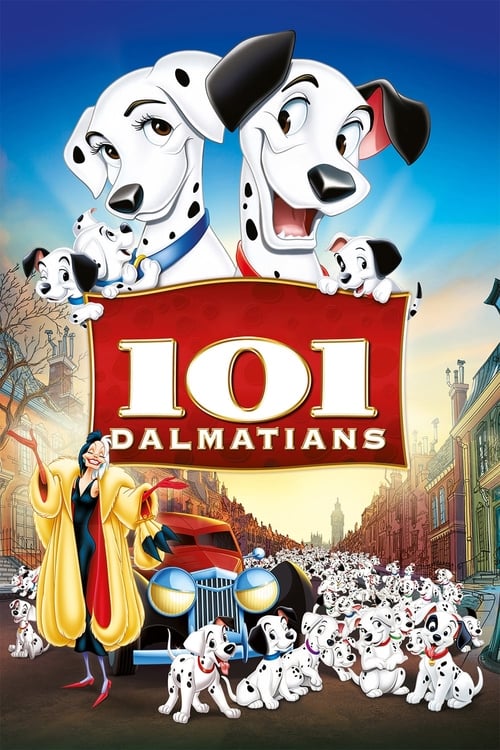
One Hundred and One Dalmatians
7.2

When a litter of dalmatian puppies are abducted by the minions of Cruella De Vil, the parents must find them before she uses them for a diabolical fashion statement.

One Hundred and One Dalmatians

1961
Frankenstein, Jr. and The Impossibles
7.1

Boy genius Buzz Conroy’s powerful robot, Frankenstein Jr. cranks into action along with a group of crime fighting superheroes disguised as a beatnik rock group, The Impossibles, making hot-rockin’ musical justice!

Frankenstein, Jr. and The Impossibles

1966
Run, Joe, Run
6.7

Run, Joe, Run was a Saturday morning television program that aired on NBC from 1974 to 1976. It centered around Joe, a German Shepherd in the military's K-9 Corp., and his master, Sergeant Will Corey. One day, during training, Joe was falsely accused of attacking his master, a crime for which the dog would be put to sleep as punishment. However, he escaped before being killed and a $200 bounty was put on his head. Sgt. Corey believed Joe was innocent and also pursued him, hoping to find Joe before the authorities did. While on the run, Joe helped people he encountered. During the show's second season, Sgt. Corey, having never found Joe, was called back to duty. Joe then teamed with a hiker, Josh McCoy, and continued to help others, all the while still on the run. The show was considered as a cross between Lassie and The Fugitive. Like The Fugitive, and later, The Incredible Hulk, it centered around a falsely accused person running from authorities and helping out people he meets along the way. The show was produced by William P. D'Angelo Productions, who also produced the NBC young adult drama, Westwind.

Run, Joe, Run

1974
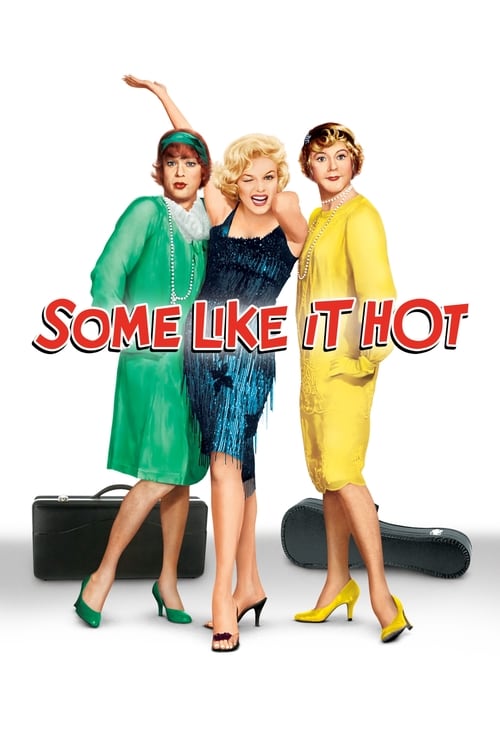
Some Like It Hot
8.1

In Prohibition-era Chicago, musicians Joe and Jerry witness a mob hit, and flee the state in an all-female band disguised as Josephine and Daphne, but further complications set in.

Some Like It Hot

1959
The Mr. Magoo Show
6.7

The Mister Magoo Show is an American animated television series which was produced from November 7, 1960 to February 2, 1962. A single episode included five five-minute shorts and could either be aired together with bumpers as a single half-hour show, or it could be split up with one short aired each weekday, along with other cartoons. It was produced by United Productions of America.

The Mr. Magoo Show

1960
The Secret Squirrel Show
7.5

The half-hour The Secret Squirrel Show included three individual cartoon segments: "Secret Squirrel", "Squiddly Diddly" and "Winsome Witch".

The Secret Squirrel Show

1965
No image
N/A

No description available.

The Whistler

1954