Acting
No description available.
An animated documentary short about the central prison for women in the former GDR, based on interviews with former prisoners.
Historically, the phenomenon of St Vitus’ Dance (Veitstanz) first appeared in the Middle Ages, when groups of adults and children danced in public until they lost consciousness. In 1988, 13 women and men attempted to revisit the power of this ancient ritual in Erfurt. Dancing at sites of their own choosing, each one developed, without any music, their own movement which they then repeated to the point of ecstasy.
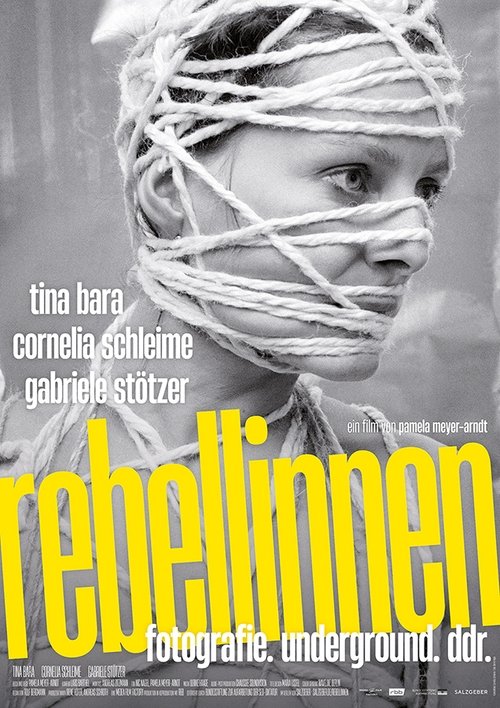
The rough, unkempt facades in Prenzlauer Berg – as if the skin had been peeled off the houses, says photographer Tina Bara. Having grown up in a prefabricated building, the young woman was drawn to East Berlin. She quickly got in conflict with the state, just like the artists Cornelia Schleime and Gabriele Stötzer, whom director Pamela Meyer-Arndt questions in her film about memories, traumas and creative genesis.
Like a mantra, performer Gabi Stötzer repeats the question that gives the piece its title, which becomes increasingly unnerving. With her body paint, she opens up a wide field of associations ranging from loss and grief to activist determination.
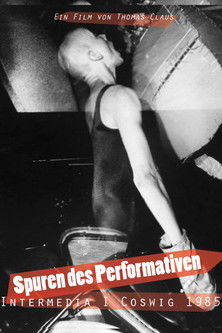
GDR August 31, 1985, Klubhaus in Coswig/Dresden - "Intermedia I - Farbraum/Klangbild"- the event was the first and, as it turned out, the last exhibition by the subculture in East Germany, in which over 40 visual artists and twice as many musicians, performers and super 8 film photographers participated. About 1,200 visitors travelled from all over the GDR to witness a six hour programme on both evenings. It remains unclear to this day how many informers working for the Stasi were among them.
GOOD MORNING, MY BEAUTIES! The film is a vibrant group portrait of East German women from a wide variety of walks of life in the GDR. What they all have in common is that they grew up in the GDR and were shaped by it; they do not view this background as a “burden,” but rather base their self-image and identity on it. The film explores and describes the true state of women’s equality in a country that claimed to have resolved this issue once and for all—in sharp contrast to the Federal Republic of Germany. The book features the voices of female musicians, writers, LPG chairwomen, workers, painters, politicians, and scholars. They all recount the daily grind, their everyday lives, and their struggle for recognition in a repressive state that persecuted, punished, and imprisoned its opponents.