Albert Kish
Directing
Known For
In 1968, a convoy set off to transport a Calandria, the 70-ton core of a Canadian nuclear reactor, to Rajasthan in India. Even the largest semi-trailers could not keep up with this transport, which drove over specially reinforced roads and through city walls that had been demolished to make room.
Juggernaut
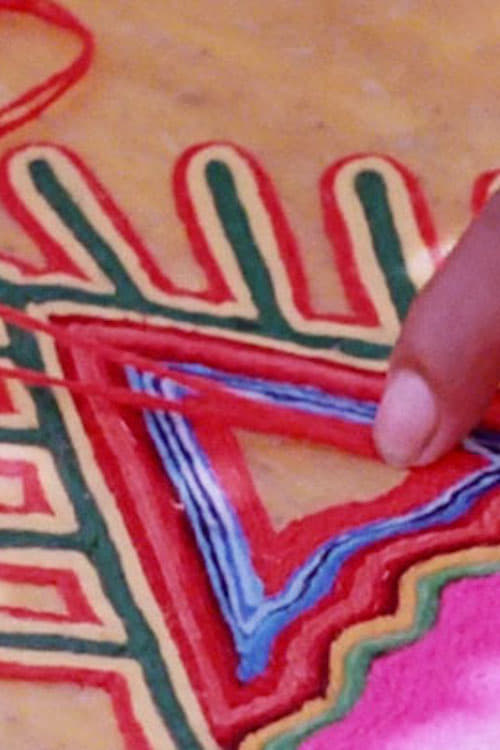
This short documentary pays tribute to the craftsmen everywhere whose work adds color and richness to life. Filmed in the Canadian Arctic, Finland, India, Nigeria, Japan, Mexico, and Poland, it shows the special skills of artisans working at their crafts - stone sculpture, pottery, ceramics, weaving, dyeing, puppet making, embroidery. Each indigenous skill is a reflection of the culture of the country.
In Praise of Hands
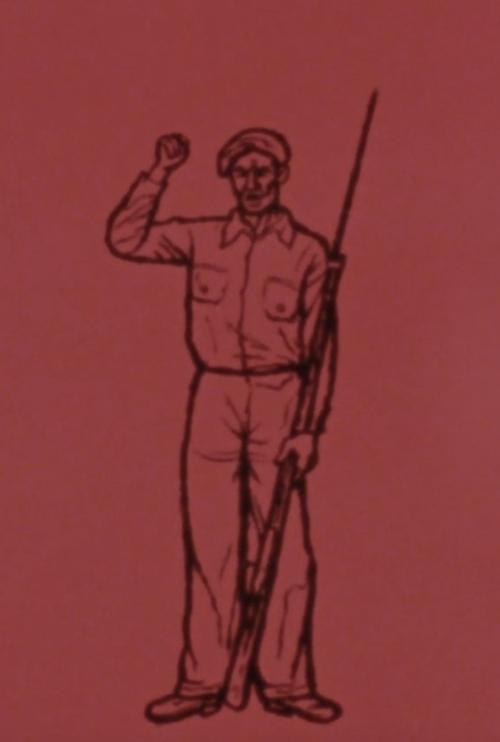
This feature documentary profiles the brave Canadians who fought in the Spanish Civil War between 1936 and 1939. To save Spain's constitutionally elected government from the threat of a fascist dictatorship (which eventually prevailed), over 40,000 volunteers from around the world fought in Spain, and 1200 of those were the Canadians of the Mackenzie-Papineau Battalion. More than half of them never returned. This respectful, emotional and historically rich film is committed to the memory of those who truly believed in the cause of the Spanish Republic.
Los Canadienses
This film, based on the play of the same name, portrays the harsh lives of early Saskatchewan settlers and the foundation of the co-op movement on the Prairies.
Paper Wheat
A warm and lively film, Bekevar Jubilee dips into history to look at a time when the first Hungarian peasants came to settle the plains of Saskatchewan. The film documents the festivities commemorating the 75th anniversary of the Bekevar community, and contrasts it with footage and photographs of the old and new countries at the turn of the century.
Bekevar Jubilee
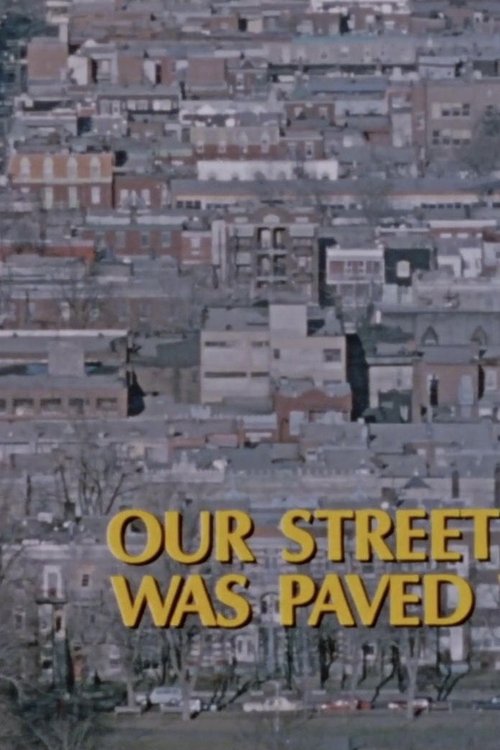
Filmmaker Albert Kish revisits Montreal's St Lawrence Boulevard in the '70s. The street, also known as "The Main," is a little Europe with many languages, foods and small courtesies that make a stranger feel at home.
Our Street Was Paved with Gold

Students seeking greater control over the hiring of faculty occupy the offices of the Political Science Department at McGill University. The film crew lives with the students and follows their action through confusion, argument, dissent, and negotiations with faculty. The result is an intimate view of a student political action.
Occupation
This short documentary is about newcomers to Canada and what they eat. Funny, mouth-watering and visually delectable, it takes us into the specialty food shops where the ingredients are bought, and into the homes where the food is prepared and served in the traditional way.
Hold the Ketchup
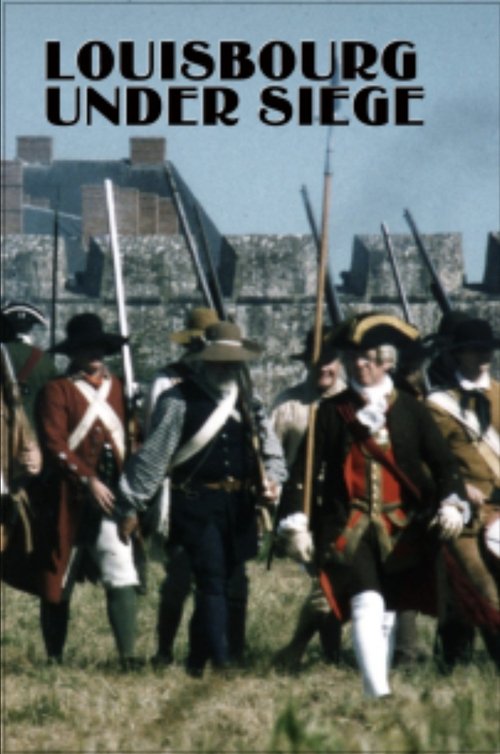
A film account of the siege and fall of France's major fortress in North America by the British in the Seven Years War
Louisbourg Under Siege
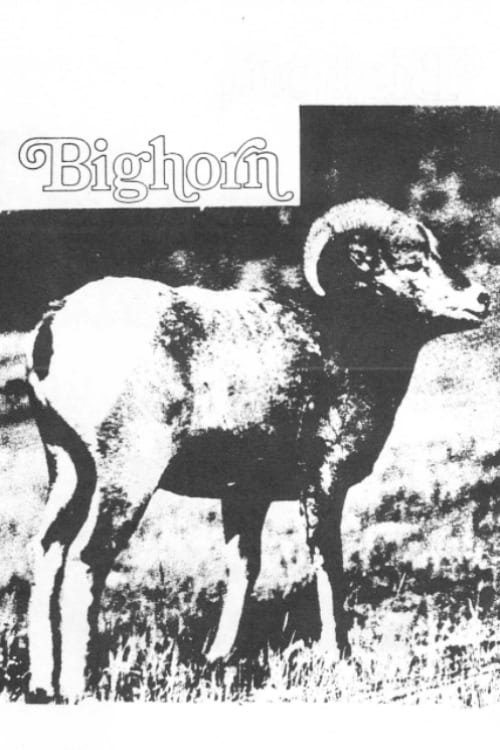
A far closer view, and a more complete one, than even the hardest and most patient of visitors is likely to get of the bighorn mountain sheep of the Canadian Rocky Mountains.
Bighorn
This short film serves as a poem-on-film about the coming of the machine age on the eve of World War I. Images and sounds combine to recreate a bygone era of scratchy phonograph records, faded photographs, hand-cranked movie cameras, staccato Morse telegraph messages, and rhythmic steam pumps. Machines of every description were shaping peoples' lives and changing them more rapidly than at any other time in history.
The Age of Invention

Norman Laliberté, one of the most creative designers of banners in North America, is shown in his workroom piecing and stitching together bits of varicolored fabric to create figures and symbols reminiscent of ancient pomp and pageantry.
Bannerfilm
This absorbing documentary looks at the multi-faceted career of F.R. Scott, a truly remarkable Canadian whose work and vision of social justice spanned and influenced an entire era as Canada evolved during the 20th century. The film looks at Scott's role in the founding of the CCF Party in the 1930s, his years as a teacher of constitutional law, as a modernist poet, and as a champion of civil liberties. Appearing also are eminent figures from the fields in which Scott excelled, among them David Lewis and Eugene Forsey. Highlights include Scott's courtroom challenges of the Duplessis regime in the 1950s, his controversial support of the War Measures Act during the 1970 October Crisis in Québec, and readings from his poetry.
F.R. Scott: Rhyme and Reason
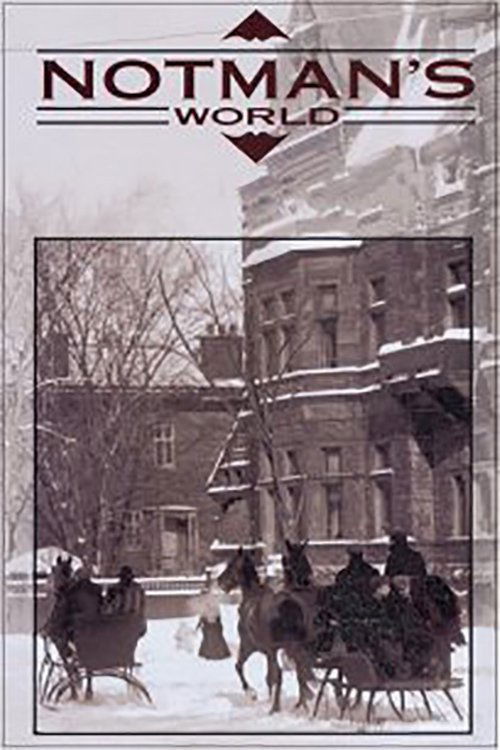
This documentary short is a portrait of Canadian photographer William Notman. Photography was still in its infancy when he opened his first studio in Montreal in the late 1850s. He rapidly turned his art, and a budding technology, into a highly successful business. Within 5 years he was appointed Photographer to the Queen. Not content with doing mere portraiture, he saw photography as a means of documenting history. With the use of props in his studio, composite photographs, and calling on his background as a trained artist, Notman immortalized the people and places of Canada.
Notman's World
A pre-operative transsexual defies social barriers to announce to her boss and mother her intentions of marrying her lover Maurice.
Betsy
This film interview affords a glimpse of a bold and learned mind illuminating important social issues. Responding to questions on the related topics of language, democracy, and the role of the modern university, acclaimed literary critic Northrop Frye explains why education is crucial: "A democracy cannot function without articulate citizens." Frye claims that the university is a place where individual liberty becomes possible, as students learn to question beliefs imposed by society. For Frye, reading and writing are "instruments of freedom."